


 Whatsapp :
 Home
HomeJamaica Westmoreland solar power systems hurricane: What Works, What Fails, and How to Reduce Risk
 Dec 25,2025
 0
0
 sunchees solar system
Jamaica Westmoreland solar power systems hurricane — A Practical Guide to Solar Design in Extreme Weather
Jamaica Westmoreland solar power systems hurricane risk has become a defining factor in energy decisions across western Jamaica.
Westmoreland offers strong solar fundamentals, but recent hurricanes have shown that solar performance alone is not enough. The real challenge is building solar power systems that can limit damage, recover faster, and continue supplying electricity after extreme weather events.
This article focuses on practical questions faced by homeowners, developers, and public institutions in Westmoreland:
-
Why is this region suitable for solar power in the first place?
-
What actually fails during major hurricanes?
-
How can solar system risk be reduced in realistic, cost-controlled ways?
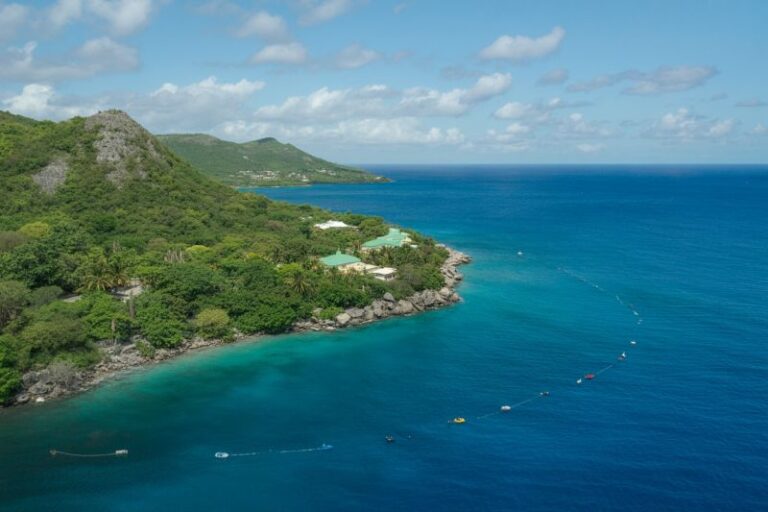
Why Westmoreland, Jamaica Is Well Suited for Solar Power Generation
Westmoreland is located in western Jamaica, close to the Tropic of Cancer. This geographic position creates consistently favorable solar conditions throughout the year.
Solar Resource Characteristics
-
Long annual sunshine duration with low seasonal variation
-
Clearly defined dry and wet seasons, with rare prolonged overcast periods
-
High annual equivalent full-load hours
Practical impact:
Annual solar output is relatively predictable, which helps reduce forecasting error for both utility-scale projects and household solar systems.
Temperature Profile and Equipment Longevity
Compared with parts of the Middle East or Africa, Westmoreland benefits from a moderate climate:
-
Typical temperatures range between 24–32°C
-
Extreme high temperatures occur infrequently and for short durations
This results in:
-
More controllable module efficiency degradation
-
Lower thermal stress on inverters and battery systems
-
Improved long-term system reliability
For long-life energy assets, these are meaningful advantages.
Land and Rooftop Availability
Westmoreland’s population density is lower than Kingston’s, offering flexibility in system deployment:
-
Greater availability of land for ground-mounted plants
-
Widespread rooftops across farms, industrial parks, schools, and residential areas
This allows centralized solar projects and distributed solar systems to develop in parallel, rather than competing with each other.
How Hurricanes Change Solar Power System Design in Westmoreland
In November 2025, one month after Category 5 Hurricane Melissa struck Jamaica, the 52MW Paradise Park (“Eight Rivers”) solar facility in Westmoreland remained severely damaged.
The event highlighted several realities:
-
Structural failure can trigger system-wide losses
-
Recovery timelines for centralized assets can be long
-
Financial exposure increases when downtime is unplanned
At the same time, Jamaica’s Office of Utilities Regulation (OUR) confirmed a 24.5% fuel rate increase, underscoring the risk of relying on imported diesel and fragile centralized grids.
What Fails First in Solar Power Systems During Major Hurricanes
Experience from hurricane-prone regions shows that failures tend to follow predictable patterns.
|
Risk Factor |
Typical Impact |
|
Extreme wind load |
Module uplift, frame deformation, array displacement |
|
Salt spray and humidity |
Accelerated corrosion, electrical degradation |
|
Flooding |
Damage to inverters, batteries, and control units |
|
Grid outages |
Long recovery times, limited energy access |
In this context, the goal is not to prevent all damage, but to avoid catastrophic, system-wide failure.
How to Reduce Hurricane Risk in Solar Power Systems in Westmoreland
Based on deployment experience in coastal and high-wind markets, effective risk reduction focuses on design and system integration rather than headline efficiency numbers.
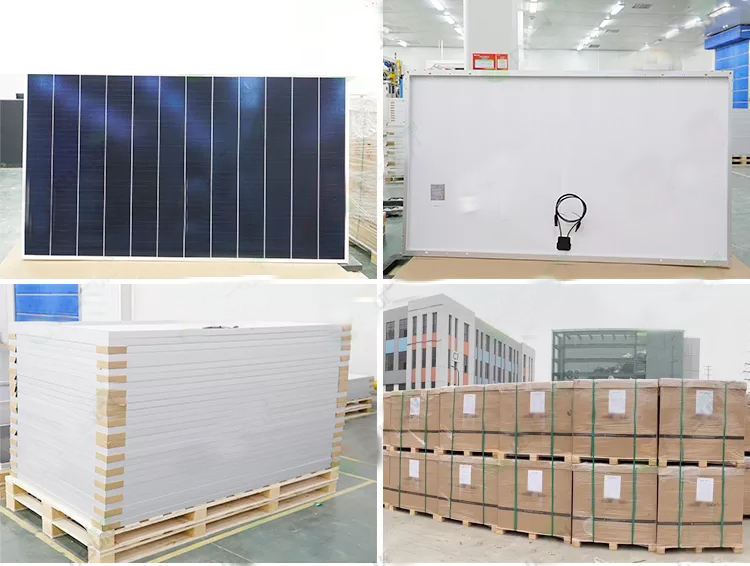
Structural and Environmental Adaptation
Some suppliers, including Sunchees, have adapted their systems for these conditions by focusing on:
-
Reinforced module structures, such as hook-shaped aluminum frames, increasing mechanical strength by about 10%
-
Wind pressure testing up to 2400Pa, combined with reinforced installation methods
-
Proven resistance to salt spray and PID, supported by IP68-rated junction boxes
These measures help limit damage scope and simplify post-storm recovery, even when extreme weather cannot be avoided.
Utility-Scale Projects: Managing Predictable Losses
For projects such as the Wigton 49.83MW or SunTerra 50MW developments, small efficiency losses can translate into significant financial impact.
Sunchees applies current division technology, which can reduce annual power loss by approximately 2%. At scale, this improvement supports more stable cash flow and lower uncertainty rather than speculative performance gains.
Residential and Community Systems: Energy as Risk Hedging
For households, solar systems increasingly function as risk management tools rather than full grid replacements.
Benefits include:
-
Reduced exposure to electricity price spikes when diesel generation is used
-
Faster access to power after hurricanes when the national grid is offline
-
Ability to maintain refrigeration, lighting, and communications
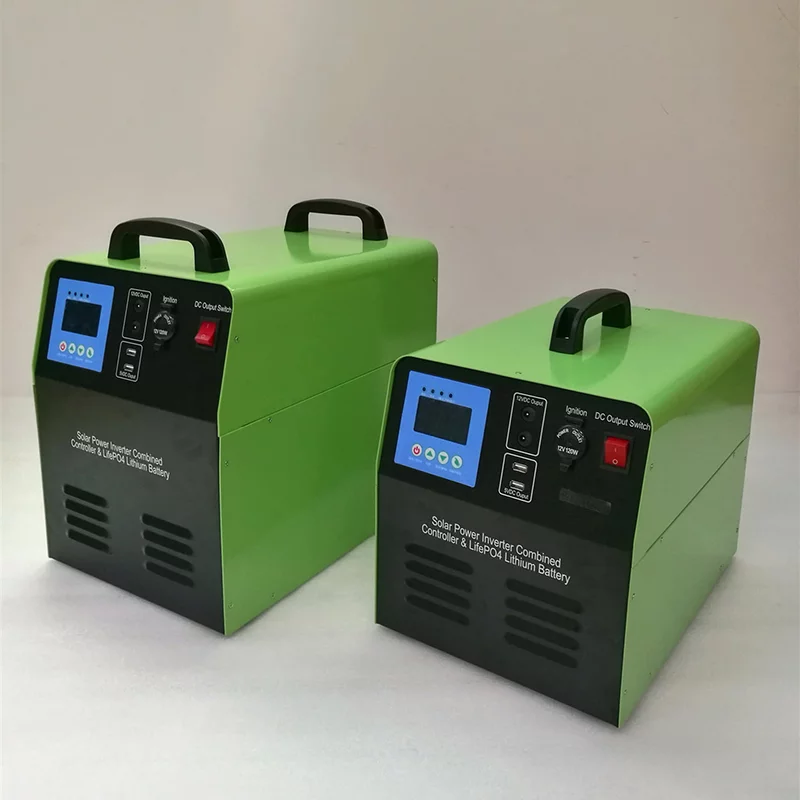
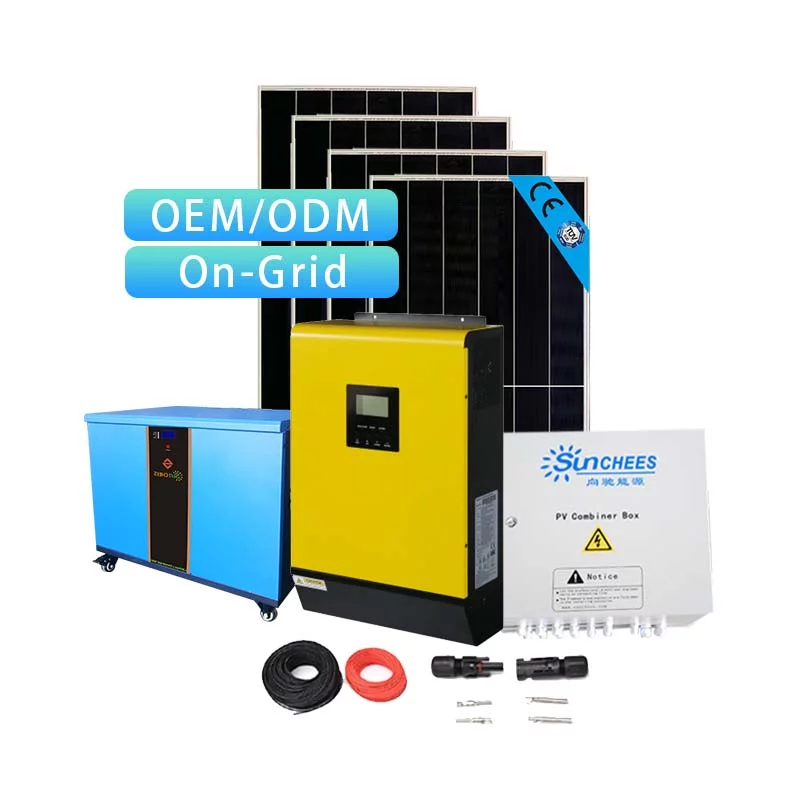
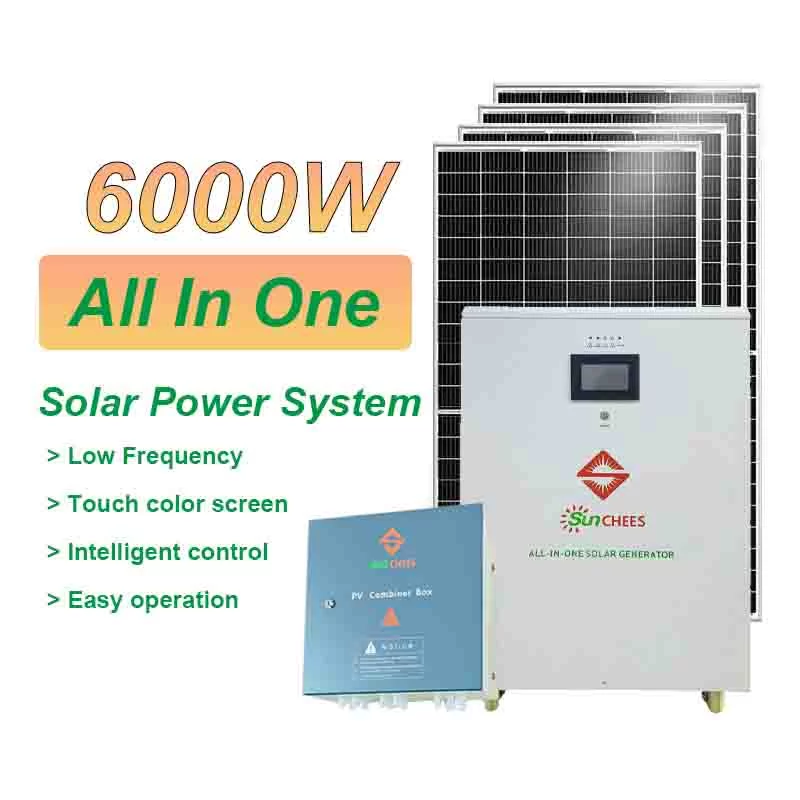
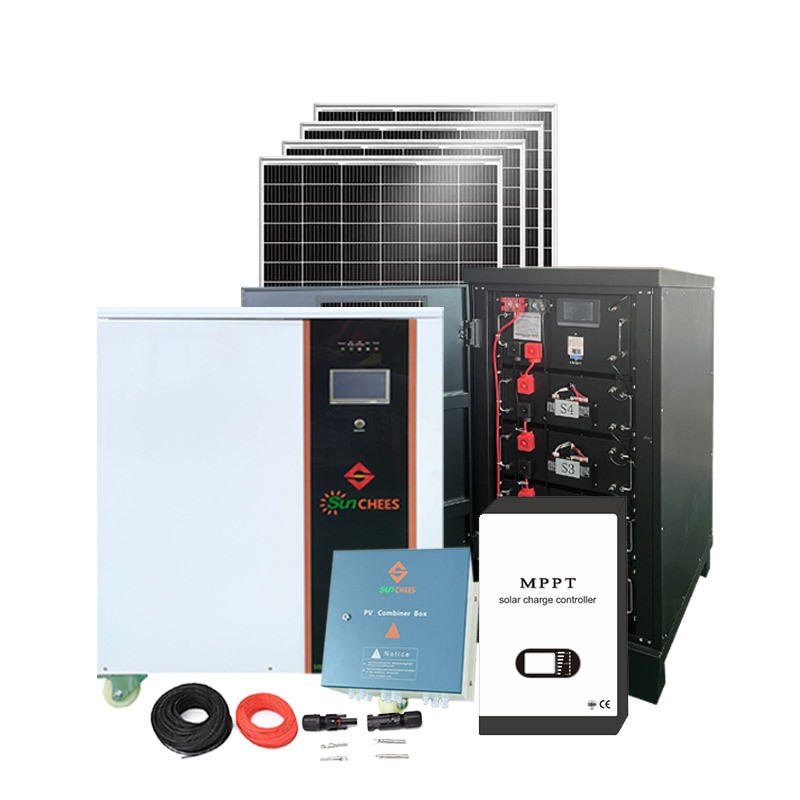
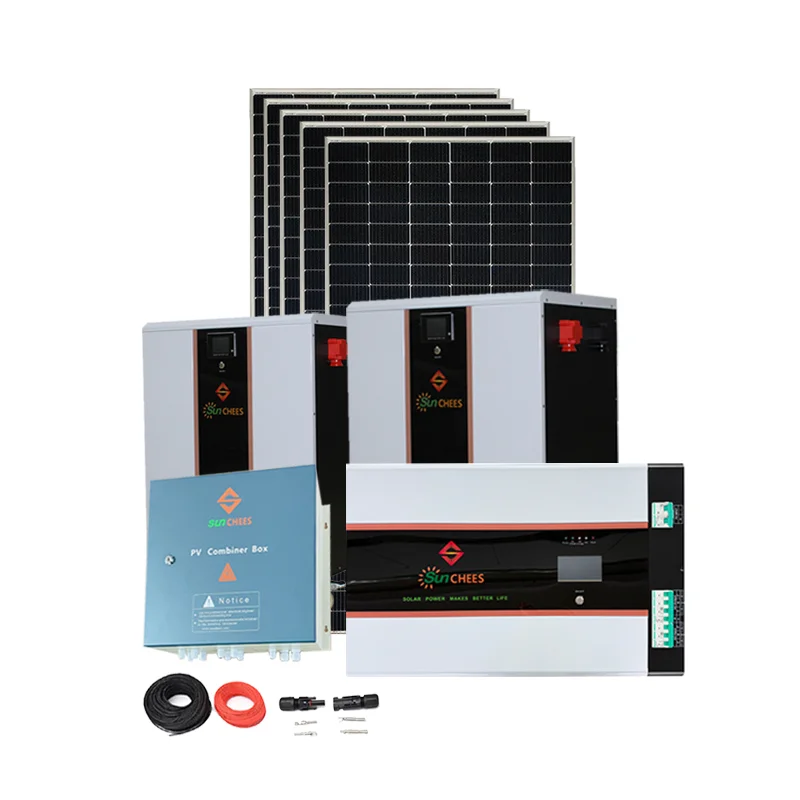
Sunchees provides PV + storage whole-home solutions, allowing homes to operate as temporary energy islands during outages.
Installation, Flood Considerations, and Safety
Sunchees works with local installation partners in Jamaica, including commissioning and system setup. Users can contact the team with their specific location for site evaluation.
Key installation notes:
-
System equipment (excluding solar panels) can be mobile, mounted on wheeled platforms
-
In flood-prone areas, elevating equipment above ground can reduce damage, but structural safety remains the priority
Component Upgrades and Practical Performance Gains
Sunchees currently offers a free upgrade to double-glass bifacial modules, providing:
-
More than 1.5% efficiency improvement
-
Bifacial energy generation
-
Reduced hot-spot risk under uneven shading or debris conditions
These upgrades aim to improve long-term stability rather than short-term performance claims.
Who Is Sunchees?
|
Category |
Details |
|
Brand |
Sunchees |
|
Founded |
2008 |
|
Headquarters |
Foshan, Guangdong, China |
|
Core Technology |
In-house inverters and lithium batteries; full system compatibility |
|
System Lifespan |
Up to 25 years |
|
Installation Support |
Remote guidance; on-site engineers for systems ≥50kW |
|
Warranty |
Modules 10 years; batteries 3 years; inverters/controllers 2 years |
|
Market Focus |
Caribbean and Latin America |
|
Transparency |
We are transparent and active. You can find us on Instagram, TikTok, YouTube, and Facebook. |
Frequently Asked Questions
Q: Are Jamaica Westmoreland solar power systems hurricane-resistant by default?
A: No. While Westmoreland has excellent solar resources, most standard systems require additional structural and environmental adaptation to handle repeated hurricane exposure.
Q: Is solar power still reliable after major hurricanes?
A: Systems with reinforced structures and battery storage can resume operation faster and support critical loads even during prolonged grid outages.
Q: What matters more in Westmoreland—efficiency or durability?
A: In hurricane-prone areas, durability and recoverability usually matter more than peak efficiency.
Conclusion
Westmoreland remains one of Jamaica’s most suitable regions for solar energy, but hurricanes have reshaped how solar power systems must be evaluated.
The future of solar in Westmoreland is not about installing more panels—it is about designing systems that reflect real environmental conditions. Within that reality, suppliers like Sunchees contribute by offering stable, adaptable options focused on long-term reliability rather than exaggerated claims.
 Average Cost of Solar Panels for 4 Bedroom House in Jamaica
 You May Also Like



 Tel
Tel
 Email
Email
 Address
6th Floor, Zhonghe Zinan Industrial Park, No. 1 Zinan Changang West Road, Nanzhuang Town, Chancheng District, Foshan City, Guangdong Province. China (Mainland)