


 Whatsapp :
 Home
HomeSolar Charger Without Battery: Practical Direct Solar Power Supply Guide
 Dec 10,2025
 0
0
 sunchees solar system
“Can I run or charge my devices directly from the sun, without paying extra for batteries?”
The short answer: yes, in many cases you can. A solar charger without battery—often called a solar power supply or direct solar charger—takes the power coming from a solar panel and delivers it straight to your devices in real time. No internal storage, no built-in battery, and lower cost.
In this guide, we’ll explain:
-
What a solar charger without battery actually is
-
When Direct Solar Power Supply makes sense (and when it doesn’t)
-
How Direct solar power for small appliances works in practice
-
How to use solar panel without battery safely and efficiently
-
Why MPPT controllers and brands like Sunchees matter if you plan to expand later
Throughout the article, we’ll keep the focus on real-world use, and only then talk about how Sunchees solutions fit into these scenarios.
What Is a Solar Charger Without Battery and Who Is It For?
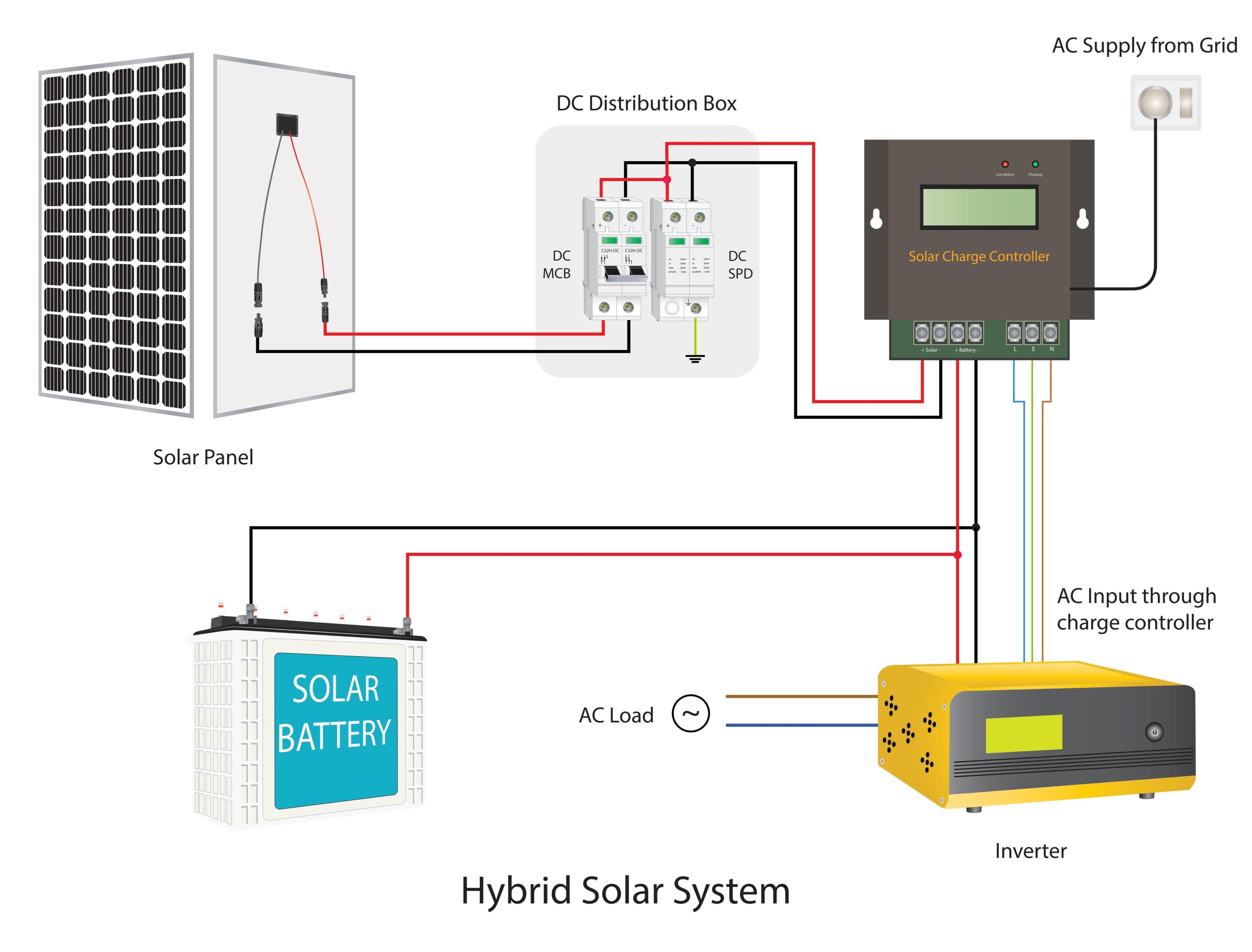
A solar charger without battery is a device or setup that:
-
Uses one or more solar panels to generate DC power from sunlight
-
Regulates that power through a simple voltage regulator or charge controller
-
Sends electricity directly to the load (your pump, fan, or USB device)
-
Does not include any internal energy storage (no built-in battery)
In other words, it behaves more like a solar adapter than a power bank. When the sun shines, your device runs or charges. When the sun disappears, power stops.
Typical users include:
-
Owners of solar water pumps for irrigation or livestock
-
People running small fans or ventilation systems in greenhouses or sheds
-
Outdoor and remote projects: sensors, monitoring equipment, IoT nodes
-
Users who only need power during the day, and want to avoid battery cost and maintenance
If your main requirement is real-time power while the sun is up, a solar charger without battery can be a simple, low-maintenance solution.
How a Solar Charger Without Battery Delivers Direct Solar Power Supply
There are two common ways a solar charger without battery works in real life.
1. DC Direct Supply (Panel → Regulator → Load)
In the most basic setup, your solar panel connects to:
-
A simple DC voltage regulator or basic PWM controller
-
Then directly to your DC load
How it works
-
The solar panel generates a variable DC voltage and current depending on sunlight and temperature.
-
The regulator keeps the output within a safe range for the device (for example 12V for a DC fan).
-
Your device runs only when there is enough sunlight.
Typical loads
-
Solar water pump for a garden or field
-
Small fans or ventilation systems in a greenhouse or workshop
-
Outdoor sensors or monitoring devices that only need power by day
Key limitation
-
The system only works in good sunlight.
-
When clouds pass or the sun is low, your load may slow down, flicker, or stop completely.
-
At night, there is no power—because there is no battery.
This is classic Direct solar power for small appliances: simple, low cost, but entirely dependent on the sun.
2. Controller Output (Solar Panel → MPPT/PWM → Stable DC/USB)
The second method still uses a solar charger without battery, but with a more capable charge controller:
-
The panel connects to an MPPT or PWM controller
-
The controller provides regulated outputs (e.g. 5V USB, 12V, 24V)
-
The load (phone, laptop, router, etc.) connects to the controller output directly
Even without a battery, the controller is important because it:
-
Stabilizes voltage so sensitive devices (like phones) are not damaged
-
Manages current to avoid overloading your devices
-
Can support multiple outputs for different types of loads
This kind of Direct Solar Power Supply is common in:
-
USB solar chargers for phones
-
Small DC systems for routers, LED lighting, or cameras
-
Situations where you don’t want the cost and complexity of a battery yet
Solar Charger Without Battery vs Solar Charger With Battery Storage
Before choosing a solar charger without battery, it helps to understand how it compares to a traditional system with storage.
|
Aspect |
Solar Charger Without Battery |
Solar Charger With Battery Storage |
|
Main purpose |
Real-time Direct Solar Power Supply |
Power day and night, smooth output |
|
Works at night / in shade |
No |
Yes |
|
Complexity |
Low – panel + regulator + load |
Higher – panels + charge controller + battery bank + inverter |
|
Cost (initial hardware) |
Lower |
Higher (batteries + inverter) |
|
Maintenance |
Very low |
Batteries require monitoring and eventual replacement |
|
Typical loads |
Pumps, fans, sensors, simple DC devices |
Whole homes, farms, small businesses, mixed AC + DC loads |
|
Best use case |
Daytime-only tasks, test projects, low-risk applications |
Reliable backup, off-grid living, business continuity |
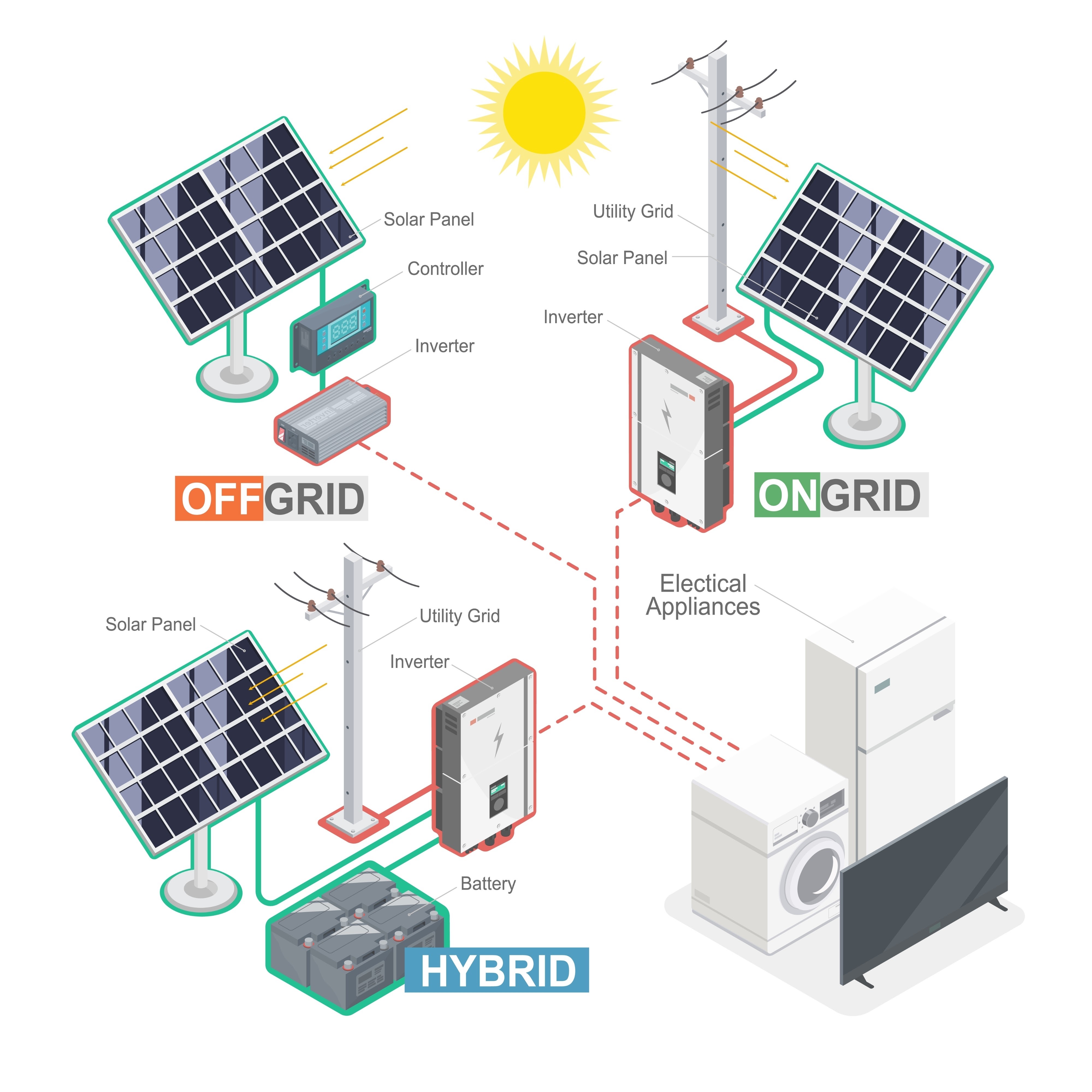
A full off-grid system with batteries usually contains:
-
Solar Panels – convert sunlight into DC power
-
Charge Controller (PWM or MPPT) – manages the flow of energy, protects batteries
-
Battery Bank – stores energy for night or cloudy days
-
Inverter – converts DC into AC for regular household appliances
-
AC Loads and DC Loads – your actual devices (lights, pumps, appliances, tools)
If you only need daytime power and want to keep the system simple, a solar charger without battery is a good starting point. If you need stable power 24/7, you will eventually need batteries (and probably an inverter).
How to Use Solar Panel Without Battery with a Solar Charger Without Battery
If you’re wondering how to use solar panel without battery in a practical, safe way, here is a simple step-by-step approach using a solar charger without battery.
Step 1: Define the load
-
What do you want to run?
-
A 12V DC fan, a solar water pump, a Wi-Fi router, or a USB device?
-
-
Check the voltage and wattage (for example 12V, 30W).
Step 2: Size the solar panel
-
Choose a panel whose rated power is higher than your load’s.
-
Example: a 30W fan → choose a 50–100W panel to handle cloudy moments.
-
-
For devices that must not shut off easily, oversizing the panel is important.
Step 3: Choose the right solar charger without battery
-
For simple DC loads with some tolerance: a basic PWM regulator may be enough.
-
For sensitive electronics or where efficiency matters: use an MPPT-based solar charger without battery that can:
-
Stabilize the output voltage
-
Optimize power in variable sunlight
-
Protect against over-voltage and over-current
-
Step 4: Connect safely
-
Connect the solar panel to the controller following polarity (+ and –).
-
Connect the load to the controller output, again respecting polarity.
-
Use appropriate wire gauge and fuses for safety.
Step 5: Understand limitations
-
Power is available only when sunlight is strong enough.
-
If you need the device to work at night, consider a hybrid setup:
-
Start with a solar charger without battery, and later add a battery bank to the same MPPT controller.
-
This approach gives you flexibility: you start with Direct solar power for small appliances, then expand to a full system when budget and needs grow.
Why Choose an MPPT Solar Charger Without Battery from Sunchees
Even when you use a solar charger without battery, the controller behind it matters a lot—especially if you plan to add batteries or more loads later.
MPPT vs PWM: why it matters
Solar panels rarely operate at a fixed, ideal voltage. Their output changes with:
-
Sunlight intensity
-
Temperature
-
Partial shading
A basic PWM controller usually:
-
Forces the panel to work roughly at the battery or output voltage
-
Wastes the extra voltage as heat instead of turning it into useful current
An MPPT (Maximum Power Point Tracking) controller does something smarter:
-
Continuously tracks the optimal voltage and current where the panel delivers maximum power
-
Converts higher panel voltage (e.g. 18V) down to the required level (e.g. 12–13V)
-
Increases output current as it reduces voltage, so more of the panel’s power actually reaches your load or battery
In practice, this means:
-
Higher energy harvest from the same panel area
-
Better performance during cold mornings, hot afternoons, or light clouds
-
A more stable and efficient Direct Solar Power Supply
Key strengths of Sunchees MPPT solar chargers
Sunchees designs MPPT controllers that can work both:
-
As a high-efficiency solar charger without battery for direct loads, and
-
As the core of a future battery-based system when you upgrade.
Core advantages include:
-
High efficiency and power handling
-
Conversion efficiency up to around 96.5%, significantly higher than typical PWM controllers.
-
Supports high input power, suitable for larger systems in homes, farms, and small businesses.
-
Wide MPPT operating range, giving you more flexibility in how you arrange your panel strings.
-
-
Smart battery management (for future expansion)
-
Three-stage charging (boost, equalize, float) when you add a battery bank.
-
Compatible with both lithium batteries and lead-acid batteries.
-
Automatic voltage recognition to simplify commissioning and reduce setup errors.
-
-
Reliability and safety
-
Built-in protection for:
-
Input/output reverse polarity
-
Short circuit
-
Over-voltage and under-voltage
-
Over-temperature (around +85°C)
-
-
Intelligent cooling design with temperature-controlled fans, keeping noise low (around ≤50 dB) while maintaining stable operation under high load.
-
System-level advantages of Sunchees
If your project grows beyond a simple solar charger without battery and you want a complete off-grid system, Sunchees offers:
-
In-house core technology
-
Self-developed inverters and lithium batteries designed to work together, reducing compatibility issues and overall failure rate.
-
-
Customization and OEM
-
Support for OEM branding
-
Ability to specify brands of solar panels
-
Custom solar systems and even solar air-conditioning solutions
-
-
Long service life
-
System lifetimes designed for up to 25 years under proper maintenance.
-
-
Installation support
-
Full remote installation guidance for standard systems
-
For systems 50 kW and above, Sunchees can send engineers on site for installation and commissioning at no extra charge.
-
Sunchees has long-term experience in markets such as Jamaica, Costa Rica, Guyana, Dominican Republic, Ecuador, Trinidad and Tobago, Guam, and Saipan, where reliable off-grid and hybrid systems are essential due to grid instability or high energy costs.
FAQs About Solar Charger Without Battery and Direct Solar Power Supply
1. Is a solar charger without battery safe for phones and laptops?
Yes—if you use a proper controller. A solar charger without battery that includes a quality MPPT or PWM controller with USB/DC outputs can safely power or charge phones, tablets, and laptops. The controller stabilizes voltage and current so your devices are not exposed to raw, fluctuating panel output.
2. What devices can I run with Direct solar power for small appliances?
Direct solar power for small appliances is ideal for:
-
DC fans and ventilation systems
-
Solar water pumps for gardens, small farms, and fish ponds
-
Routers, cameras, and IoT sensors designed for DC input
-
LED lighting in sheds, cabins, or remote workstations
The key is to match panel size, controller, and device power requirements correctly.
3. How to use solar panel without battery on a daily basis?
To understand how to use solar panel without battery, follow this pattern:
-
Decide what you need to run and its power rating.
-
Choose a panel with some margin above that power.
-
Add a solar charger without battery (preferably MPPT) that offers the right output voltage.
-
Connect the device to the controller output and test performance at different times of day.
As long as you accept that your device will only work when the sun is available, this approach is simple and effective.
4. Can I start with a solar charger without battery and later add storage?
Absolutely. A common strategy is:
-
Start with a Direct Solar Power Supply using a solar charger without battery.
-
When budget or reliability requirements grow, add:
-
A battery bank
-
Possibly an inverter for AC loads
-
If you choose an MPPT controller from Sunchees, it can handle both modes: direct load powering now, and full battery management later, which protects your investment.
5. Do I always need MPPT for a solar charger without battery?
Not always, but it is often worth it if:
-
Panel power is high compared to load power
-
Your climate has rapidly changing weather
-
You plan to add batteries or expand the system later
PWM is acceptable for some basic DC loads, but an MPPT solar charger without battery from Sunchees can significantly improve energy harvest and system stability, especially as your project grows.
If you are considering a solar charger without battery for your farm, cabin, or small business, starting with a well-designed controller gives you both simple daytime power now and an easy path to a full off-grid system later. Sunchees focuses on this kind of scalable design, so your first small system does not become a dead end when you are ready to upgrade.
 The Smart Buyer’s Guide to Sourcing Chinese solar panels: Balancing Brand, Value, and Customization
 You May Also Like



 Tel
Tel
 Email
Email
 Address
6th Floor, Zhonghe Zinan Industrial Park, No. 1 Zinan Changang West Road, Nanzhuang Town, Chancheng District, Foshan City, Guangdong Province. China (Mainland)