

 Whatsapp :
 Home
HomeA Comprehensive Guide to Solar Powered Products from China to Australia: Regulations, Costs, and Reliable Solutions
 Aug 25,2025
 0
0
 sunchees solar system
The Australian market is a global leader in solar adoption, with millions of homes and businesses turning to clean energy to reduce high electricity costs and enhance energy independence. This soaring demand, coupled with Australia’s excellent solar irradiance, has made importing high-quality, cost-effective solar powered products from China to Australia an increasingly popular strategy for consumers and businesses alike.
While the promise of significant savings and a greener footprint is compelling, navigating the import process requires a clear understanding of local regulations, compliance standards, and associated costs. This guide breaks down the essential information you need to make an informed decision and spotlights a trusted partner in this journey.
Navigating the Import Process: Regulations and Costs for Solar Powered Products from China to Australia
Understanding Key Regulations: Compliance is the First Step
Any solar system imported into Australia must meet stringent local standards to be eligible for government incentives and rebates. The primary authority is the Clean Energy Council (CEC), which maintains a list of approved products.
To be eligible for Small-scale Technology Certificates (STCs)—a key government incentive—your solar panels and batteries must be on the CEC-approved product list. This list ensures that all products meet Australian Standards, which are crucial for safety, performance, and reliability. Importers are also required to provide serial number data for all eligible solar panels to the Clean Energy Regulator's ledger.
Key Compliance Points:
-
Solar Panels: Must comply with safety standard IEC 61215.
-
Batteries: Must comply with safety standard IEC 62619 and are classified as dangerous goods, requiring special handling and documentation under the Australian Dangerous Goods Codes.
-
Accredited Installers: The system must be installed by a Solar Accreditation Australia-accredited installer to be eligible for incentives.
Beyond product-specific regulations, it is also recommended to partner with a manufacturer who holds international certifications like ISO 9001 (quality management) and ISO 14001 (environmental management) to ensure reliability and product quality.
A Detailed Import Guide: Step-by-Step Process for Importing Solar Powered Products from China to Australia
If you are a person or business looking to import solar powered products from China to Australia, here is a detailed operational guide:
Step One: Selecting a Reliable Supplier and Product
-
Supplier Qualification: Conduct thorough research and vetting. Choose manufacturers with international certifications like ISO 9001 (quality management) and ISO 14001 (environmental management) to ensure their credibility and product reliability.
-
Product Compliance: This is the most crucial step. Before purchasing, you must confirm that the solar panels, inverters, and battery models you plan to import are on the Clean Energy Council (CEC) approved list. Only products on this list are eligible for Australian government incentives. You should also request that the supplier provides proof that their products comply with Australian standards, such as IEC 61215 for solar panels and IEC 62619 for batteries.
-
Quality Control: Request detailed product performance parameters (e.g., rated power and efficiency), a bill of materials (e.g., tempered glass, frame, junction box), and information on the production process. For added peace of mind, consider hiring an independent third-party inspection company to conduct a comprehensive quality inspection before the goods leave the Chinese port.
Step Two: Preparing Shipping and Customs Documents
-
Core Documents: The following basic documents are required for customs clearance of imported goods:
-
Commercial Invoice: A detailed list of goods, prices, quantities, and payment terms.
-
Packing List: A list of goods description, quantity, weight, and packaging type.
-
Certificate of Origin: This is a key document to prove the goods' origin in China. Through the China-Australia Free Trade Agreement (ChAFTA), most solar products imported from China can enjoy zero tariffs, but you must apply for and provide this certificate.
-
-
Import Declaration: The value of the goods determines the type of declaration you need to submit:
-
Goods valued at less than AUD1,000: A Self-Assessed Clearance (SAC) Declaration is required.
-
Goods valued at over AUD1,000: An N10 Import Declaration must be submitted.
-
-
Special Requirements for Lithium Batteries: Lithium batteries are classified as Class 9 dangerous goods. Therefore, additional dangerous goods documents must be provided for transport, including a Shipper's Declaration for Dangerous Goods, a Material Safety Data Sheet (MSDS) from the supplier, and a packaging certificate that complies with international dangerous goods regulations. The packaging must prevent short circuits and physical damage.
Step Three: Understanding and Paying Import Costs
-
Customs Duty: Under the China-Australia Free Trade Agreement, most solar products have a zero tariff. However, to receive this benefit, you must provide a Certificate of Origin to the Australian Border Force (ABF).
-
Goods and Services Tax (GST): Imported goods are subject to a 10% GST. It is calculated based on the "customs value + duty + freight + insurance".
-
Other Fees: The total cost should also include: customs service fees (usually under AUD200), customs broker fees (AUD100-300), and port/storage fees.
Step Four: Shipping and Logistics
-
Hire Professionals: The import process can be complex, especially with dangerous goods (like batteries) and customs regulations. It is highly recommended to engage a reliable freight forwarder to handle shipping and a licensed customs broker to manage customs documents.
-
Transport Mode: Air freight for lithium batteries is heavily restricted and typically requires a DG-certified carrier. Sea freight is more flexible but still requires compliance with the International Maritime Dangerous Goods (IMDG) Code and relevant certifications.
-
Biosecurity Inspection: The Australian Department of Agriculture, Fisheries and Forestry (DAFF) may conduct biosecurity inspections on solar panel containers, especially when they are destined for rural areas. Sometimes, an external container inspection is required to mitigate risks.
The Sunchees Advantage: A Trusted Partner for Solar Powered Products from China to Australia
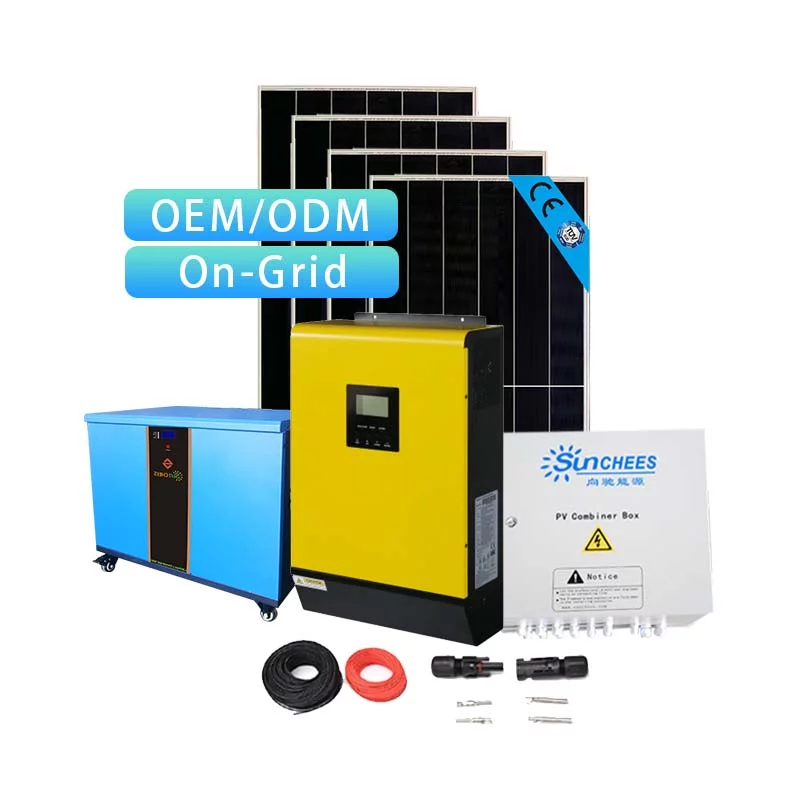
Choosing the right manufacturer is paramount to a successful import. Sunchees, a global provider of solar energy solutions since 2008, offers a compelling advantage for those seeking high-quality solar powered products from China to Australia.
A key differentiator for Sunchees is its independent research and development of core components, including inverters and lithium batteries. This ensures that all components within a Sunchees system are 100% compatible, eliminating the performance mismatch issues that can arise from using a combination of different brands. This integration results in a more stable system with a significantly lower failure rate.
Sunchees stands behind its products with a system lifespan of up to 25 years and a 12-year product warranty on solar panels. The company also provides comprehensive remote installation guidance and offers a 5% penalty payment if a delivery is delayed, ensuring peace of mind throughout the process.
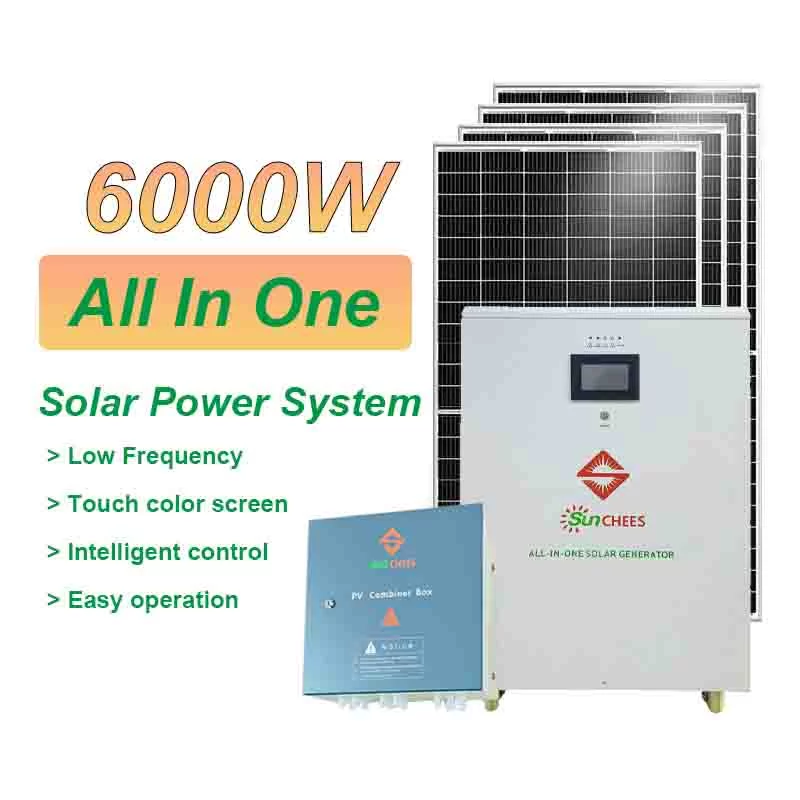
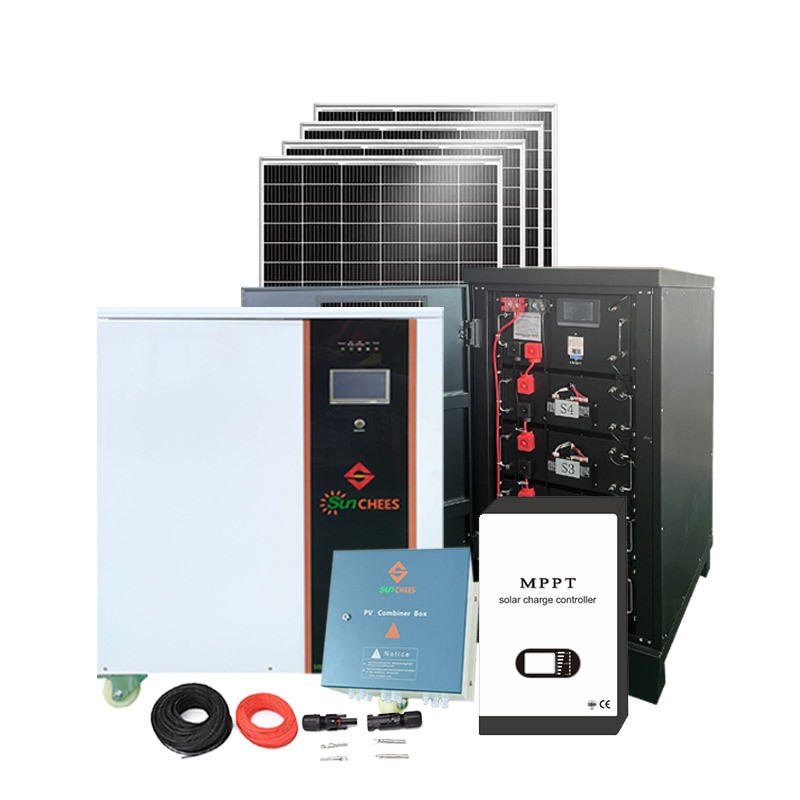
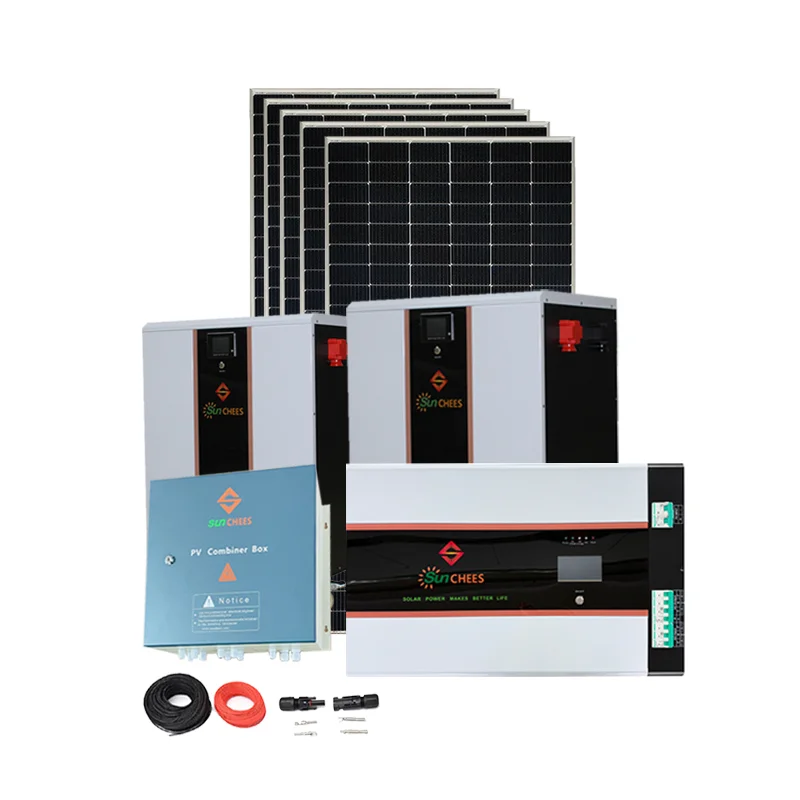
Sunchees System Spotlight: Off-Grid Solar Kits for Residential & Commercial Needs
Choosing the right solar power system depends on your specific energy requirements. Sunchees offers a range of off-grid solar kits that are perfectly configured for various applications, from residential homes to small commercial facilities.
Table 1: Sunchees Off-Grid System Configurations
|
Model |
Inverter Power |
Solar Panel Configuration |
Battery Capacity (kWh) |
Annual Generation (approx.) |
Recommended Area |
Typical Application |
|
10000W |
9 × 600W (5.4kW) |
17 kWh |
7,000–8,000 kWh |
~25㎡ |
Residential, Cabins, Farms, Off-grid RV |
|
|
20000W |
24 × 600W (14.4kW) |
40.8 kWh |
24,000–30,000 kWh |
~70㎡ |
Residential Villas, Small Factories, Remote Supply |
|
|
30000W |
50 × 600W (30kW) |
108 kWh |
22,000–24,000 kWh |
~155㎡ |
Small Factories, Farms, Resorts, Off-Grid Communities |
Real-World Performance: Your Solar Investment in Action
Investing in a solar system is a strategic decision to achieve energy independence and reduce long-term costs. The Australian market is highly receptive to solar adoption, driven by factors like high grid electricity prices. By generating your own power, you can significantly reduce or even eliminate your monthly electricity bills.
Based on the specifications of Sunchees systems, here’s a typical performance scenario analysis for residential and commercial users, highlighting potential savings and power backup capabilities.
Table 2: Scenario Analysis: Off-Grid Power & Savings
|
Sunchees System |
Scenario & Typical Daily Load |
Annual Generation (Approx.) |
Annual Savings (US Avg. Rate) |
Battery Backup (Days) |
|
10kW System |
Small Family (20-25 kWh/day) |
7,500 kWh |
$1,100 - $1,700 |
0.7 - 0.8 days |
|
20kW System |
Large Family/Small Business (60-70 kWh/day) |
27,000 kWh |
$4,000 - $5,000 |
0.6 - 0.7 days |
|
30kW System |
Off-Grid Community/Small Factory (90-100 kWh/day) |
23,000 kWh |
$3,400 - $4,300 |
1.1 - 1.2 days |
Note: The annual savings are based on U.S. average electricity rates and are for illustrative purposes. Actual savings will vary based on Australian electricity costs, system performance, and consumption habits.
Common Questions about Solar Powered Products from China to Australia
Q: Why should I consider buying solar powered products from China to Australia?
A: China is a global leader in solar technology manufacturing, and many Australian homes and businesses choose to import solar products due to their high quality and cost-effectiveness. By importing directly from a reliable manufacturer, you can often secure a more affordable price for a robust system.
Q: What is the CEC-approved products list?
A: The CEC-approved products list is a database maintained by the Clean Energy Council in Australia. It contains solar panels, inverters, and batteries that have been independently verified to meet strict Australian Standards for safety and performance. Only products on this list are eligible for Australian government incentives.
Q: Are there government incentives for solar in Australia?
A: Yes, the Australian government offers various incentives to encourage solar adoption. The primary scheme is the Small-scale Renewable Energy Scheme (SRES), which issues STCs to eligible systems, effectively providing an upfront discount. The new Cheaper Home Batteries Program also supports households and businesses with discounts on battery storage systems.
Q: What are the main costs when importing solar powered products from China to Australia?
A: The main costs include the purchase price of the goods, a 10% Goods and Services Tax (GST), and shipping/logistics fees. While many solar products are exempt from tariffs under the China-Australia Free Trade Agreement, importers should also budget for customs processing fees, freight, and insurance costs.
Conclusion
The market for solar powered products from China to Australia is robust and growing, driven by a combination of government support, high local energy prices, and increasing environmental awareness. By understanding the critical regulatory requirements, navigating the import process with a reliable partner, and choosing a high-quality, integrated system like those offered by Sunchees, you can harness the power of the sun and achieve true energy independence. Sunchees' commitment to quality, integrated technology, and customer support makes it a smart choice for any Australian looking to invest in a sustainable future.
 Photovoltaic Panels Suppliers: A Comprehensive Guide to Choosing and Using Solar Panels
 You May Also Like



 Tel
Tel
 Email
Email
 Address
6th Floor, Zhonghe Zinan Industrial Park, No. 1 Zinan Changang West Road, Nanzhuang Town, Chancheng District, Foshan City, Guangdong Province. China (Mainland)