


 Whatsapp :
 Home
HomeSolar Farm in Jamaica — Complete Development Guide and Requirements
 Nov 11,2025
 0
0
 sunchees solar system
Building a solar farm in Jamaica can be a profitable and sustainable investment, but success depends on understanding land rules, permits, and system design from the start.
This article gives a practical, step-by-step overview of how to plan, approve, and build a solar farm in Jamaica, plus how global suppliers like Sunchees support commercial, industrial, and agricultural users across the island.
Step 1 – Land Assessment and Site Selection for a Solar Farm in Jamaica
Before anything else, confirm whether your land is suitable for a solar farm. The ideal site should be flat, unshaded, and close to the power grid.
|
Evaluation Factor |
Ideal Condition |
Tools / Tips |
|
Topography |
Slope ≤ 5–10°, stable soil |
Google Earth, topographic survey |
|
Shading |
No trees, hills, or buildings blocking sunlight |
PVsyst, Helioscope, Solargis, or a solar pathfinder |
|
Solar Irradiance |
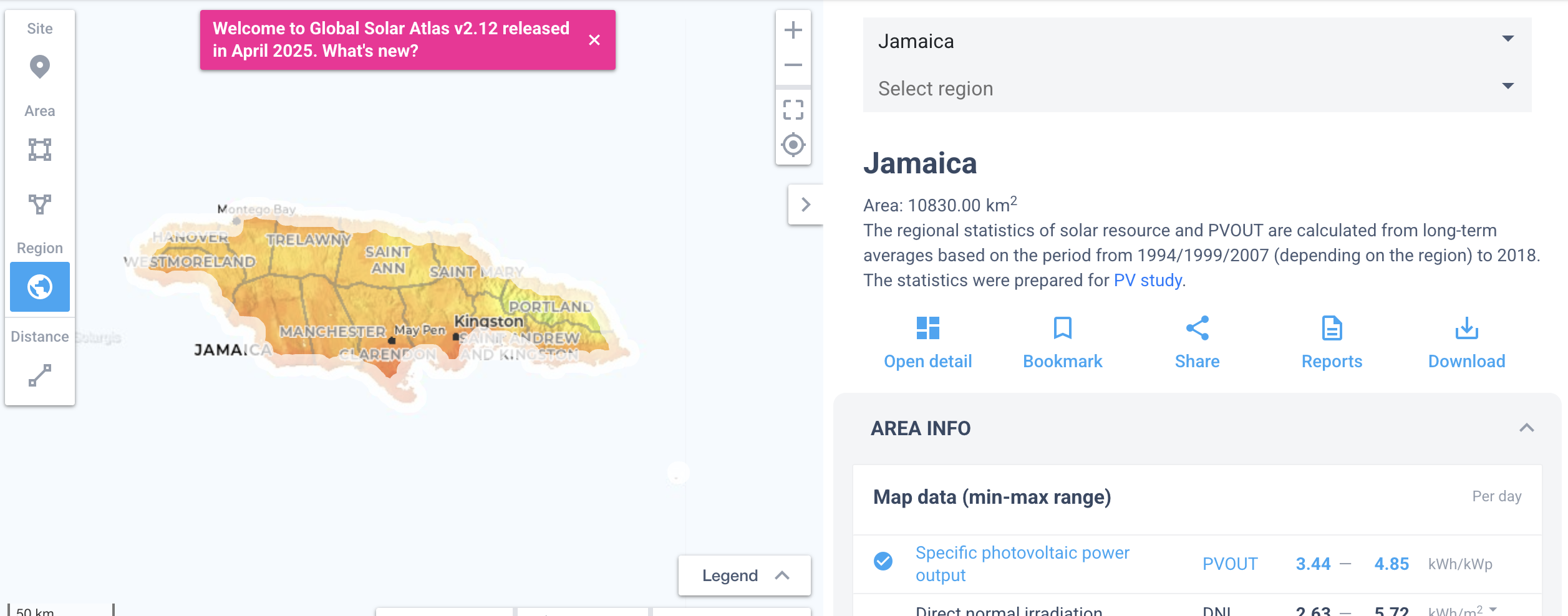
5.2–5.6 kWh/m²/day (excellent across Jamaica) |
Global Solar Atlas or Solargis Jamaica Map |
|
Best Regions |
Clarendon, Manchester, St. Elizabeth |
High irradiance and wide open land |
|
Grid Access |
Within 1–2 km of JPS lines (if on-grid) |
Coordinate with JPS technical team |
Tip: Even if your project is off-grid, it’s worth choosing a site that allows easy access for transport, security, and maintenance.
Step 2 – Verify Land Ownership and Land Use Zoning
Before purchasing or developing land, confirm ownership type and zoning permissions.
① Ownership Verification (Freehold / Leasehold)
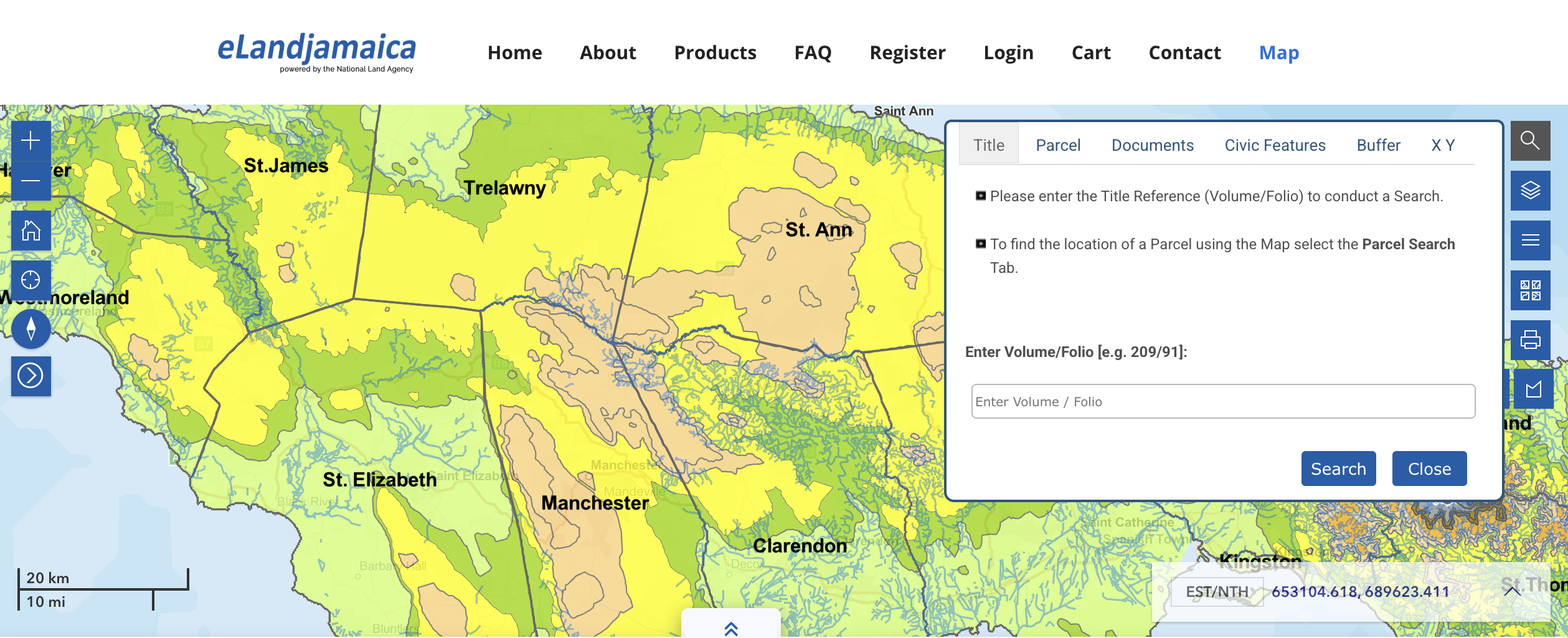
Responsible Authority: National Land Agency (NLA)
Use the Property Search or Map Search on NLA’s website with the volume & folio number or owner name.
You’ll see:
-
Whether the land is freehold (permanent) or leasehold (rented)
-
The owner’s name and boundaries
-
Any mortgage, restriction, or easement
Leasehold property should have at least 25 years remaining for project feasibility.
② Zoning Verification
Responsible Authority: Local Parish Council / Municipal Corporation
-
Kingston & St. Andrew → KSAMC
-
St. James → St. James Municipal Corporation
-
Clarendon → Clarendon Municipal Corporation
Visit the Planning Department to check the land’s category:
-
Agricultural (A)
-
Residential (R)
-
Industrial (I)
-
Commercial (C)
If your land is Agricultural, you must apply for a change of use to industrial or energy purpose, including:
-
Title copy
-
Site map
-
Project description
-
Application form and a small fee (a few thousand JMD)
③ Environmental Restrictions
Responsible Authority: NEPA (National Environment and Planning Agency)
Check whether the land lies in:
-
A Protected Area, Forest Reserve, or Wetland
-
Near a coastal zone or flood-prone area
If so, you’ll need an Environmental Impact Assessment (EIA) before proceeding.
Step 3 – Environmental Permits and NEPA Approval
For any solar farm in Jamaica exceeding 1 MW, NEPA approval is mandatory.
You’ll need to submit:
-
EIA report (if required)
-
Drainage and waste management plan
-
Fire and lightning protection layout (with independent grounding and equal potential bonding)
Once NEPA approves, you can move to construction.
Step 4 – JPS Grid Connection and Power Purchase Agreement (PPA)
If your solar farm plans to sell electricity to the grid, apply to JPS (Jamaica Public Service Company) for interconnection and a Power Purchase Agreement (PPA).
-
JPS will assess your system size, interconnection point, and stability requirements.
-
For off-grid or self-use farms, no PPA is needed—but system design must still follow safety and technical standards.
Step 5 – EPC Design, Procurement, and Construction
After permits are secured, the EPC (Engineering, Procurement, and Construction) phase begins.
A proper EPC design includes:
-
Photovoltaic panels
-
Inverters and transformers
-
Battery storage systems
-
Mounting structure and protection devices
Example: CIF Import Model
Imported systems often use CIF (Cost, Insurance & Freight) terms, where shipping and insurance are included.
Sunchees follows this transparent CIF model—giving investors a fixed total cost and lower risk compared to FOB quotes that exclude freight.
Step 6 – Construction, Inspection, and Operation
Typical construction lasts 3–6 months, depending on site size and terrain.
When installation is complete:
-
JPS or a certified engineer inspects system safety.
-
Once approved, the solar farm can start operation—either grid-tied or off-grid.
Summary Flow:
Land Assessment → NEPA Approval → JPS Connection → EPC Design & Procurement → Construction & Commissioning
Sunchees — Supporting Solar Farm Projects in Jamaica
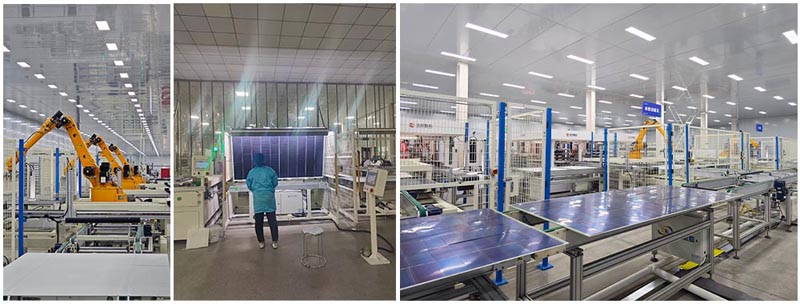
Sunchees, founded in 2008 in Foshan, China, has supplied commercial and residential solar systems in Jamaica for years.
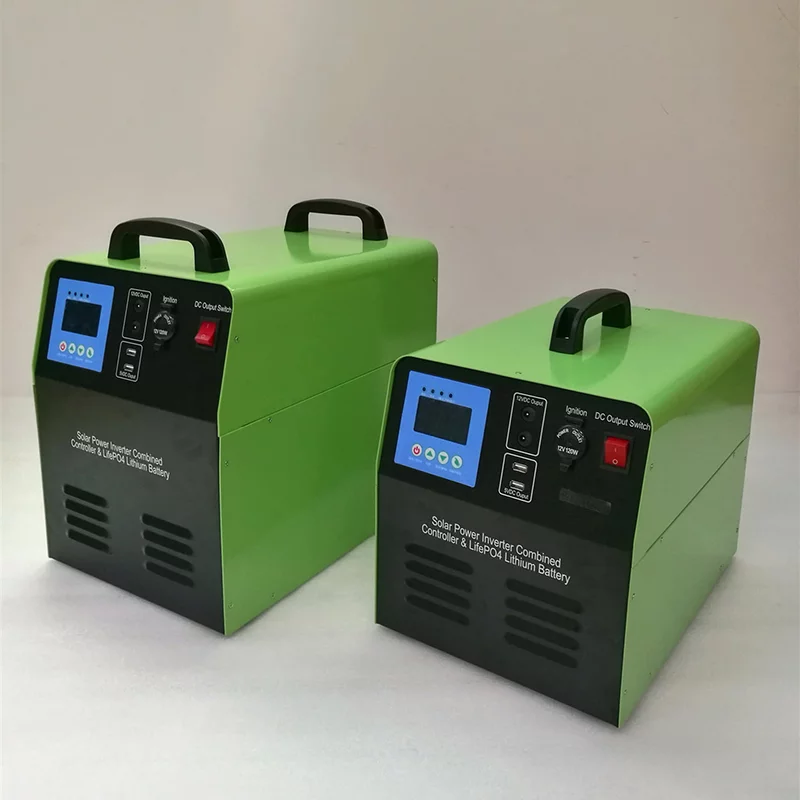
The company specializes in high-voltage lithium battery systems, inverters, and custom solar farm solutions.
|
Category |
Details |
|
Core Technology |
Self-developed inverter and lithium battery, 100% system compatibility, lower failure rate |
|
Customization |
OEM available; tailored solar systems and solar-powered AC solutions |
|
Service Life |
Up to 25 years |
|
Installation Support |
Remote guidance; free on-site engineer for ≥50 kW projects |
|
Delivery Time |
1–10 sets: 5–7 days • 20–100 sets: 10–20 days |
|
Guarantee |
On-time delivery or 5% compensation |
|
Warranty |
Panels 10 yrs • Batteries 3 yrs • Inverters 2 yrs |
|
Markets |
200+ countries, focusing on the Caribbean & Latin America |
|
Main Regions |
Jamaica, Costa Rica, Guyana, Dominican Republic, Ecuador, Trinidad & Tobago, Guam, Saipan |
|
Applications |
Residential, agricultural, industrial, off-grid systems (30 kW–1 MW) |
Sunchees cooperates with local installers in Jamaica, offering CIF delivery, technical support, and long-term maintenance—helping farms, hotels, and factories achieve stable off-grid power.
FAQ – Solar Farm in Jamaica
Q1. How much solar energy does Jamaica receive per day?
Most regions receive 5.2–5.6 kWh/m²/day, ideal for commercial-scale solar farms.
Q2. How do I check if my land is suitable for a solar farm in Jamaica?
Use the National Land Agency (NLA) to confirm ownership and zoning, and tools like Global Solar Atlas to measure irradiance. Ensure the land is flat, unshaded, and legally approved for energy use.
Q3. What permits are needed for a solar farm in Jamaica?
You’ll need NEPA approval, and if selling power, a PPA from JPS. Off-grid projects only need technical compliance.
Q4. Why choose CIF pricing from Sunchees?
CIF includes freight and insurance—no hidden shipping costs. You get a fixed landed cost and full delivery assurance to Kingston or Montego Bay.
Q5. Can Sunchees help with large-scale EPC projects?
Yes. Sunchees provides engineering design, inverter-battery integration, and can dispatch engineers for systems above 50 kW.
Conclusion
Developing a solar farm in Jamaica involves more than buying panels—it’s about choosing the right land, securing permits, and designing a reliable system.
By understanding NEPA, JPS, and zoning requirements early, investors can save months of delay.
For businesses aiming for efficiency and transparency, Sunchees provides end-to-end CIF solutions, locally supported installation, and long-life lithium battery systems—ensuring your solar farm runs smoothly for decades.
For the full country-wide analysis, installation tips, inverter comparisons, and financing options, visit the Sunchees Jamaica Solar Hub
 Bifacial Solar Panels for Sale: Complete Guide for Maximum Power Output
 You May Also Like



 Tel
Tel
 Email
Email
 Address
6th Floor, Zhonghe Zinan Industrial Park, No. 1 Zinan Changang West Road, Nanzhuang Town, Chancheng District, Foshan City, Guangdong Province. China (Mainland)