


 Whatsapp :
 Home
HomeBifacial Solar Panels for Sale: Complete Guide for Maximum Power Output
 Nov 12,2025
 0
0
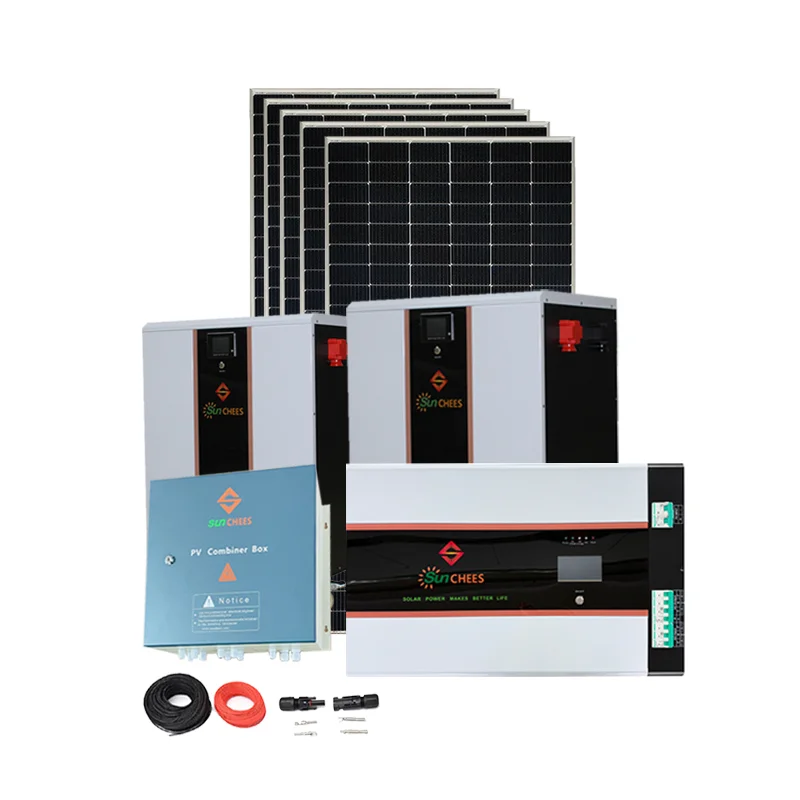
 sunchees solar system
Looking for high-efficiency bifacial solar panels for sale?
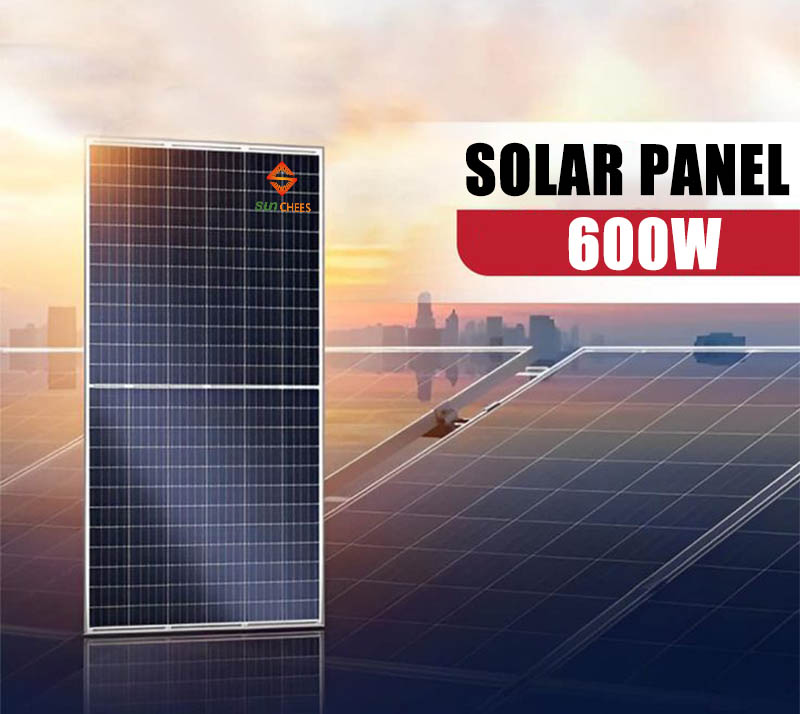
Whether you’re powering a commercial roof in California or a coastal farm in Jamaica, choosing the right bifacial module can add 5–20% more generation compared to traditional single-sided panels. This guide compares the Sunchees 600W dual glass, Aptos 400W/370W, Hyperion 400W, and EcoFlow 220W panels — and helps you find the one that best fits your project.
What Does Bifacial Solar Panels Mean?
Bifacial solar panels are modules that generate electricity from both sides — the front absorbs direct sunlight, while the back captures reflected light from surfaces like sand, concrete, or metal roofs.
Depending on the ground reflectivity (albedo), you can get up to +20% more power output, especially in bright, high-reflective regions.
|
Surface Type |
Typical Reflectivity (Albedo) |
Expected Power Gain |
|
White concrete / sand |
0.35–0.40 |
+15–20% |
|
Gravel / light soil |
0.25–0.30 |
+10–15% |
|
Metal / white roof |
0.25–0.35 |
+8–12% |
|
Dark roof / soil |
<0.10 |
+0–4% |
Why Bifacial Solar Panels Perform Better in the US and Jamaica
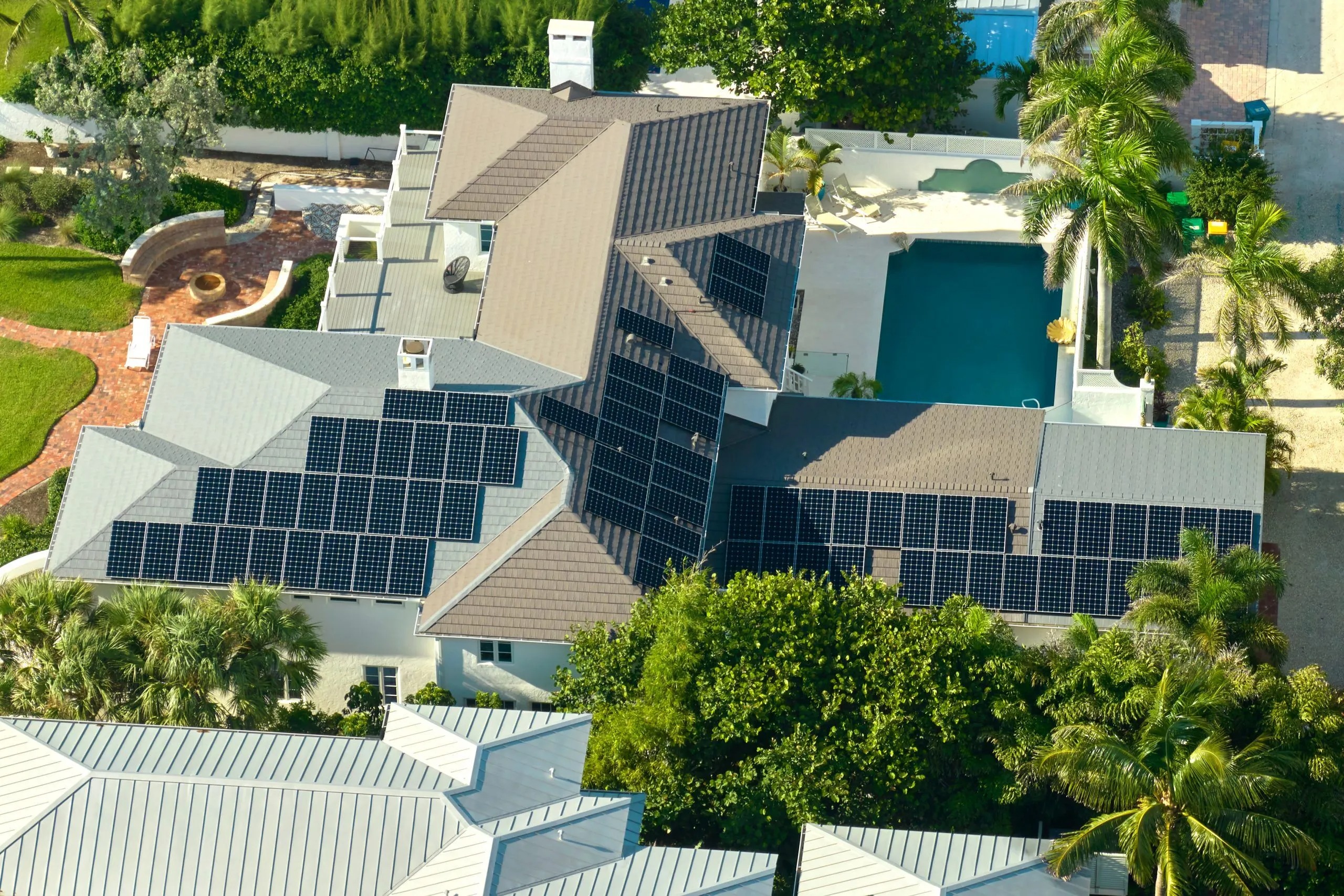
In the United States
-
Southwestern states (California, Arizona, Nevada, Texas) enjoy 5.5–6.5 kWh/m²/day sunlight and dry air — perfect for bifacial systems.
-
Federal Investment Tax Credit (ITC) applies equally to bifacial panels — no import penalties since 2021.
-
Commercial white or metal roofs maximize rear-side reflections, improving ROI.
-
Average bifacial gain: +8–15%.
-
(Photo credit: sourced from the Internet. Image courtesy of online sources.)
In Jamaica
-
Year-round sunshine and high surface reflectivity (0.25–0.35) make bifacial systems shine.
-
Coastal and resort areas with white sand or concrete achieve up to +18% energy gain.
-
Sunchees 600W dual-glass panels are ideal — high power density, salt-mist resistance, and anti-humidity protection for tropical climates.
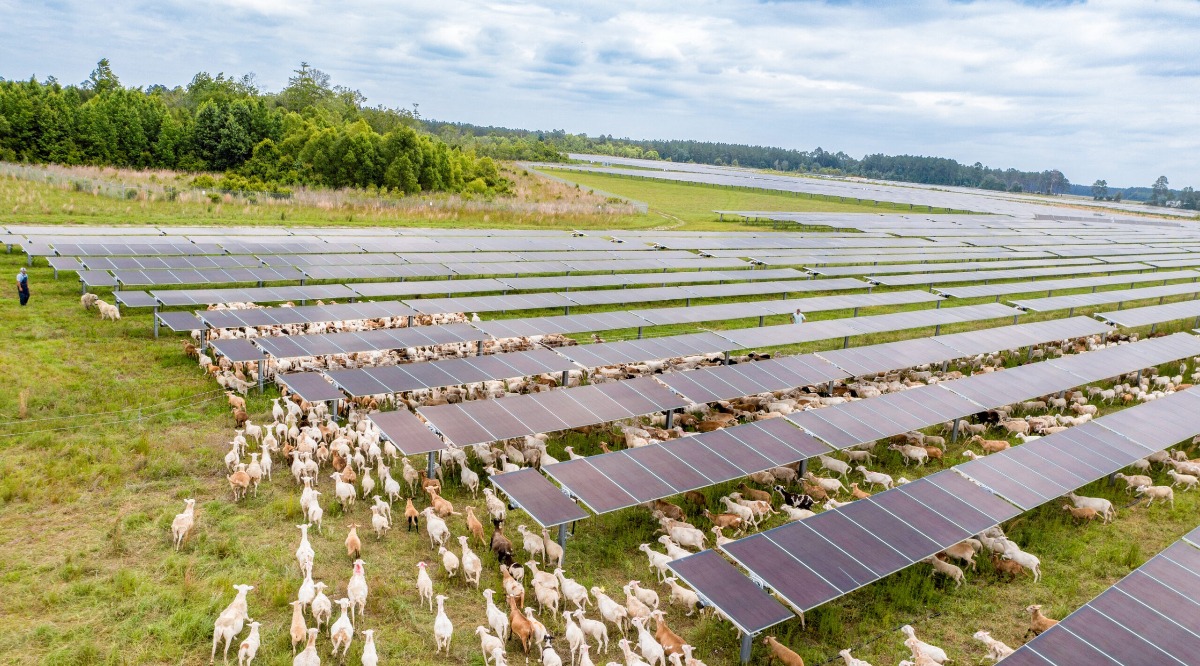
(Photo credit: sourced from the Internet. Image courtesy of online sources.)
Comparison: Best Bifacial Solar Panels for Sale
|
Model |
Type |
Front Power |
Bifacial Gain |
Weight |
Key Advantages |
Ideal Use |
|
Sunchees 600W Bifacial |
Rigid Dual-Glass |
600W |
+5–20% |
33kg |
High power density, fewer panels needed, BOS cost saving |
Rooftop & ground-mounted |
|
Aptos 400W Bifacial |
Rigid Dual-Glass |
400W |
+5–20% |
— |
30-year linear warranty, premium reliability |
Rooftop / long-term projects |
|
Aptos 370W Bifacial |
Rigid Dual-Glass |
370W |
+5–20% |
— |
Affordable, consistent performance |
Budget-friendly sites |
|
Hyperion 400W Bifacial |
Rigid Dual-Glass |
400W |
+5–20% |
— |
Best cost-performance ratio |
General commercial/industrial |
|
EcoFlow 220W Bifacial |
Portable Foldable |
220W |
Up to +80% backside |
7kg |
Lightweight, mobile, off-grid ready |
Camping / portable systems |
Sunchees 600W Bifacial Panels: Why They Stand Out
-
Higher Power Density — 600W per module (≈232W/m²) saves space and BOS cost.
-
Durable Dual-Glass Build — anti-reflection coated tempered glass, IP68 junction box, and aluminum alloy frame ensure 25+ years lifespan.
-
Salt Mist & Humidity Resistant — engineered for island and coastal projects like Jamaica or Trinidad.
-
Fewer Connections & Faster Installation — fewer panels mean less wiring, fewer supports, and lower labor cost.
-
Universal Compatibility — supports hybrid/off-grid systems with any inverter and lithium battery.
Founded in 2008 in Foshan, China, Sunchees manufactures complete solar systems — panels, inverters, and lithium batteries — all designed for seamless integration. Every 50kW+ project includes free on-site engineer installation.
How to Choose the Right Bifacial Solar Panel
|
Situation |
Recommended Model |
Why |
|
Limited roof area, want higher kW |
Sunchees 600W Bifacial |
Highest W per m², fewer panels |
|
White roof / sand / gravel site |
Sunchees 600W or Aptos 400W |
Excellent bifacial gain (+10–18%) |
|
Tight budget |
Hyperion 400W Bifacial |
Cost-effective |
|
Portable / emergency use |
EcoFlow 220W Bifacial |
Foldable & mobile |
Can You Mix Different Brands?
Yes — bifacial systems follow IEC and MC4 standards, so cross-brand installations are possible.
However, using same-brand systems (like Sunchees panels + inverter + battery) provides:
-
Simplified wiring and matching parameters
-
Single warranty coverage and faster service
-
Integrated monitoring and app control
Cross-brand works, but ensure you match:
-
Voltage & Current (within MPPT range)
-
Connectors & polarity (same MC4 spec)
-
Warranty scope (responsibility boundaries)
-
Monitoring compatibility (communication protocol)
Why Choose Sunchees
|
Category |
Details |
|
Founded |
2008, Foshan, China |
|
Core Technology |
Self-developed inverters & LiFePO4 batteries |
|
Compatibility |
100% system-matched, no third-party dependency |
|
Customization |
OEM supported, tailored solar & solar AC systems |
|
Lifespan |
Up to 25 years |
|
Warranty |
Panels: 10 yrs / Batteries: 3 yrs / Inverters: 2 yrs |
|
Delivery Time |
5–7 days (samples) / 10–20 days (bulk) |
|
Global Markets |
200+ countries — Jamaica, Guyana, Costa Rica, Dominican Republic, etc. |
|
Support |
Remote installation; free on-site setup for >50kW systems |
|
Customer Rating |
100% 5-star satisfaction globally |
FAQ: Bifacial Solar Panels for Sale
Q1: Are bifacial solar panels worth it in hot or tropical countries?
Absolutely. Dual-glass bifacial panels like Sunchees 600W have better heat dissipation, lower degradation, and longer lifespan — perfect for warm climates such as Jamaica or Florida.
Q2: How much extra power can bifacial solar panels generate?
Depending on surface reflectivity, bifacial gain ranges from +5% (dark roof) to +20% (white sand/concrete) — delivering significantly higher annual kWh.
Q3: Can bifacial panels be used with any inverter or battery?
Yes. Bifacial panels are inverter-agnostic, compatible with all MPPT-based systems. Still, Sunchees recommends matching their own inverters and batteries for maximum efficiency and unified support.
Q4: Which is better — 400W or 600W bifacial panels?
If you want higher system power in limited space, 600W Sunchees panels are ideal. They reduce wiring, structure, and BOS cost while increasing total output.
Q5: Are bifacial solar panels portable?
Only EcoFlow 220W bifacial solar panel is portable and foldable — great for camping or mobile setups. All other models are designed for permanent installations.
Conclusion
If you’re comparing bifacial solar panels for sale, the Sunchees 600W dual-glass module offers the strongest balance of power density, reliability, and global support.
In sunny regions like the US Southwest or Caribbean islands, this panel outperforms conventional 370–400W bifacial modules — delivering up to +20% more energy with fewer panels, faster installation, and longer lifespan.
 3 Phase Solar Inverter in Jamaica: How to Choose the Right One for Your Power System
 You May Also Like



 Tel
Tel
 Email
Email
 Address
6th Floor, Zhonghe Zinan Industrial Park, No. 1 Zinan Changang West Road, Nanzhuang Town, Chancheng District, Foshan City, Guangdong Province. China (Mainland)