


 Whatsapp :
 Home
HomeSolar Energy in Montserrat: Why Solar Power Makes Sense for Homes, Businesses, and Critical Facilities
For Montserrat, solar is not only a clean-energy choice. It is a practical response to expensive electricity, imported diesel dependence, grid vulnerability, hurricane-season resilience, and the need for reliable backup power.
Solar energy in Montserrat: the short answer
Montserrat is a strong solar market because expensive diesel-generated electricity, abundant tropical sunlight, and outage resilience needs all overlap on the same small island grid.
| Driver | Why it matters in Montserrat | What it means for solar buyers |
|---|---|---|
| High electricity prices | Electricity has been reported around the USD 0.50/kWh range for residential users in historic energy snapshots and tariff references, far above many global averages. | Solar can offset expensive daytime grid electricity and improve long-term cost control. |
| Imported diesel dependence | The island's electricity system has relied heavily on imported fossil fuel, with fuel cost and shipping affecting power prices. | Solar reduces exposure to imported-fuel volatility. |
| Strong tropical sunlight | Montserrat sits in the Lesser Antilles at a low tropical latitude with stable year-round solar resource. | Solar generation can be productive across the year, with less seasonal variation than many higher-latitude markets. |
| Grid and disaster resilience | Hurricanes, volcanic disruption, and small-island grid constraints make backup power valuable. | Solar plus battery storage can keep essential loads running during outages. |
The structural reasons behind solar energy in Montserrat
The strongest case for solar is not a generic green-energy argument. It comes from Montserrat's specific power-system structure: expensive imported diesel, a small grid, strong sunlight, disaster risk, and the desire for energy independence.
Electricity is globally expensive
Historic DOE/NREL-style references put residential electricity around USD 0.50/kWh for smaller domestic users and about USD 0.52/kWh above the 75 kWh tier, with commercial and industrial tariffs in a similar USD 0.51-0.54/kWh range. Against a global household average around USD 0.138/kWh in the same reference period, Montserrat's residential power was roughly 3.6 times higher.
Generation has been almost all diesel
Before utility-scale solar arrived, Montserrat's grid was essentially a diesel system. The Brades power station uses containerized diesel generator sets, while the island's peak demand is only around 2 MW. That makes every fuel shipment and generator issue visible in the cost structure.
Resilience is a real need
Montserrat is exposed to hurricanes, and the Soufriere Hills eruption that began in 1995 destroyed Plymouth and major infrastructure. The south remains an exclusion zone, so residents and institutions have practical reasons to want power sources that are less dependent on one central diesel system.
Why electricity costs push solar power in Montserrat
Montserrat's electricity challenge begins with its generation structure. Montserrat Utilities Limited states that the main power station is located in Brades and consists of four diesel generators with a total rated capacity of approximately 4.5 MW.
Imported fuel cost
Diesel must be purchased, shipped, stored, and converted into electricity on a remote island with limited scale.
Fuel-price exposure
Oil-price changes and shipping costs can affect electricity bills through fuel charges and operating costs.
Small-grid vulnerability
A small island grid has less redundancy, making backup power more valuable for homes, businesses, and public services.
Why this matters
RMI has described Montserrat as having some of the highest electricity rates in the world and noted that roughly half of the electricity-rate cost is linked to imported fossil fuels. In the user-provided reference notes, annual diesel use is around 3.2 million liters, diesel accounts for about 67% of fuel imports, and the utility itself consumes about 45% of imported fuel. After the 1995 volcanic crisis, Delta Petroleum was reported as the only fuel supplier for more than two decades. That combination of imported fuel, limited supplier diversity, freight cost, and small-grid scale is exactly why solar power in Montserrat has a strong economic and resilience logic.
| Diesel-grid pressure point | Detail from the Montserrat context | Solar implication |
|---|---|---|
| Temporary generators became long-term assets | Some containerized generator sets were originally more like emergency or peak-support units, with normal lifetimes around 10 years, but infrastructure constraints forced them into long-term service. | Solar and storage reduce stress on aging diesel infrastructure. |
| Fuel has limited local control | Fuel prices, shipping cost, and supply continuity are shaped outside the island. | Local sunlight replaces part of the imported-fuel exposure. |
| Reliability has been a pain point | RMI cited average outage losses of about 880 minutes per user per year, roughly 10 times the level seen in large developed-economy distribution systems. | Battery-backed systems can protect essential loads when the grid is down. |
How good is Montserrat's sunlight for solar?
Montserrat is in the Lesser Antilles at about 16.7 degrees north latitude. The island's low-latitude tropical position supports strong year-round solar production, with smaller seasonal swings than many higher-latitude markets.
Regional solar resource
The provided reference notes place nearby Eastern Caribbean islands around 1,900-2,100 kWh/m2 annual GHI, or about 5-5.7 peak sun hours per day. This is a regional estimate rather than a Montserrat-specific measured value, but it is consistent with the island's geography and nearby climate.
Real deployment evidence
Montserrat's approximately 1 MW solar-plus-storage portfolio has been reported as able to cover about 40% of daytime peak load under suitable conditions. The first rooftop PV phase supplied around 10% of daytime peak demand, and the later 750 kW solar plus storage project added a larger resilience block.
Montserrat's existing solar progress proves the case
The island has already moved beyond theory. Public-sector and utility-led solar projects show how renewable energy can reduce diesel dependence and improve resilience.
| Project or measure | Approximate scale | Purpose | Why it matters |
|---|---|---|---|
| Brades rooftop PV | About 250 kW class, 824 panels across five roof slopes on three government buildings | Public-building solar generation in Brades | Helped introduce solar into a diesel-heavy system and provided about 10% of daytime peak demand in the first phase. |
| Ground-mounted solar plus BESS | 750 kW solar plus 1 MWh battery storage | Renewable generation, resilience, fuel reduction, and backup for northern critical facilities | RMI reported the system can power about 300 households and helped bring Montserrat to about 50% renewable energy by installed capacity. |
| Utility-owned benefit mechanism | Utility-owned solar assets | Reduced diesel expenditure shared through lower monthly fuel surcharge | Customers can benefit indirectly even if panels are not installed on their own building. |
| Health facility hybrid PV | About 4.5 kW hybrid PV at Salem and St. Peter's health centers, and about 9 kW at St. John's dental clinic | Backup power for healthcare facilities | Improves medical-facility resilience during outages and hurricane season. |
| Local solar training | 11 local people trained in one reported project | Installation and maintenance capacity | Supports future residential and commercial solar adoption. |
Who funded, owned, and built Montserrat solar projects?
Montserrat's solar procurement has mostly followed a government-plus-utility model, supported by international funding and outside technical partners. This matters because residential self-purchase is legal but has not been the main adoption path so far.
Funding and ownership
The Government of Montserrat and Montserrat Utilities Limited have been central owners and procurement actors. Funding has included European Development Fund support, including EDF-10 and EDF-11 references, with about EC$9 million noted for one phase, plus support from the Caribbean Development Bank and the Basic Needs Trust Fund for health-sector solar.
Technical and construction partners
CARICOM Energy Unit, GIZ through the RITA project, and RMI provided technical support. SALT Energy from Florida was cited as EPC contractor for the utility-scale project, using local subcontractors for construction and wiring. Green Solutions International SKN designed and installed the health-center systems and trained 11 local people for NABCEP PV certification.
Critical facilities protected
The Lookout-area project was designed to support key northern facilities if the Brades power station goes offline, including Lookout Primary School, Glendon Hospital, John A. Osborne Airport, Lookout custodial facilities, communications links, and residential customers inside the served grid area.
Residential adoption barriers
Individual residents can pursue solar, but the provided material notes weak incentives, import duties, limited ability to sell power back to the grid, and licensing obstacles for a private shared solar garden concept. That is why the market still needs practical household-level system design and support.
Policy direction: solar, storage, and geothermal are all part of the shift
Montserrat's renewable-energy transition is broader than residential solar. The island has pursued utility-scale PV, battery storage, health-facility backup systems, and geothermal exploration linked to the Soufriere Hills volcanic resource.
2030 renewable ambition
Montserrat has been described as targeting 100% renewable electricity generation by 2030. The practical pathway includes public solar, battery storage, additional solar expansion, and geothermal development rather than one technology alone.
More solar expansion
The 2024/25 direction in the provided notes points to further acceleration, including plans for another 2 MW of solar expansion alongside renewed geothermal work.
Geothermal resource
A UK DFID-funded geothermal project has been discussed at about 3.3 MW. Two wells were drilled in 2013 by an Icelandic drilling company to depths of about 2,300 m and 2,900 m, with well temperatures above 260 degrees C. The goal is to use volcanic geothermal energy to replace diesel, but progress has been slowed by budget and procurement issues.
Other installed PV
In addition to the main public-building and Lookout projects, the provided reference notes mention a roughly 288 kW PV system at the Montserrat Utilities Limited Brades power-station site.
Why private residential solar has not scaled faster
Montserrat's public-sector solar progress is clear, but household adoption has faced policy and market constraints. This is important for readers because it explains why a buyer may need a complete, practical, supported system rather than assuming a mature local solar market already exists.
The Chris Krueger example
The provided material notes that Chris Krueger and his spouse wanted to help residential solar adoption and even explored buying land for a shared solar garden. They found that the government did not plan to issue that kind of license to private entities, so the effort shifted toward helping interested residents convert their own homes to solar. The takeaway is simple: residential self-purchase is possible, but private shared solar and grid-sale incentives have been limited.
Renewable-energy results and the BESS reality check
The reported improvements are meaningful, but the honest picture includes both progress and technical constraints.
| Result area | Reported detail | What to say carefully |
|---|---|---|
| Renewable penetration | After the first PV phase, renewable share reached about 13%, beating the EU 10% KPI by roughly 3 percentage points. By 2024/25, peak renewable penetration was reported around 44%, while annual renewable generation share was about 8.21%. | Use 44% as a peak or best-condition figure, not a constant all-year renewable share. |
| Installed capacity | The utility-scale solar and storage portfolio helped bring renewable installed capacity to around 50% at one point. | Installed-capacity share is different from annual electricity-generation share. |
| Fuel surcharge benefit | Reduced diesel expenditure from utility-owned solar can be returned proportionally to customers through lower monthly fuel surcharge. | The mechanism is clear, but public sources do not give a precise average household monthly saving. |
| BESS issues | The 2024/25 reporting context notes battery energy storage problems, with inverter and controller repairs needed for grid stability, load balancing, and full PV-output use. | Benefits are real but still partly dependent on storage repairs and utility financial restructuring. |
Off-grid solar system or hybrid solar system: which fits Montserrat?
The best Montserrat solar system depends on whether the buyer wants bill reduction, backup power, or full independence.
Grid-tied solar
Best for customers with reliable grid access who mainly want daytime bill reduction. It usually does not provide backup unless designed with backup capability.
Hybrid solar system
Best for homes, shops, clinics, and facilities that want lower grid purchases plus solar battery backup during outages.
Off-grid solar system
Best for remote sites, farms, pumps, telecom, security systems, and properties with weak or unavailable grid access.
What size Montserrat solar system do you need?
Sizing should be based on monthly consumption, peak load, critical backup loads, roof or ground space, and how long the buyer expects the battery to support essential equipment.
| User type | Typical goal | Design focus |
|---|---|---|
| Small home | Reduce bills and keep essentials running | 3-8 kW solar with battery sized for critical loads, depending on usage. |
| Larger home or villa | Reduce expensive grid electricity and support comfort loads | 8-20 kW solar, larger inverter, and carefully selected battery capacity. |
| Small shop or office | Daytime load offset and outage protection | Solar sized around business-hour consumption, plus battery for POS, lights, refrigeration, and internet. |
| Clinic or public facility | Resilience and essential-service continuity | Hybrid system with load prioritization and robust battery backup. |
| Farm, pump, or remote site | Independent operation | Off-grid solar system sized around pump duty cycle, motor surge, and seasonal demand. |
| Industrial or community system | Diesel displacement and energy security | 30 kW to 1 MW modular expansion, often requiring professional engineering. |
Equipment priorities for solar panels in Montserrat
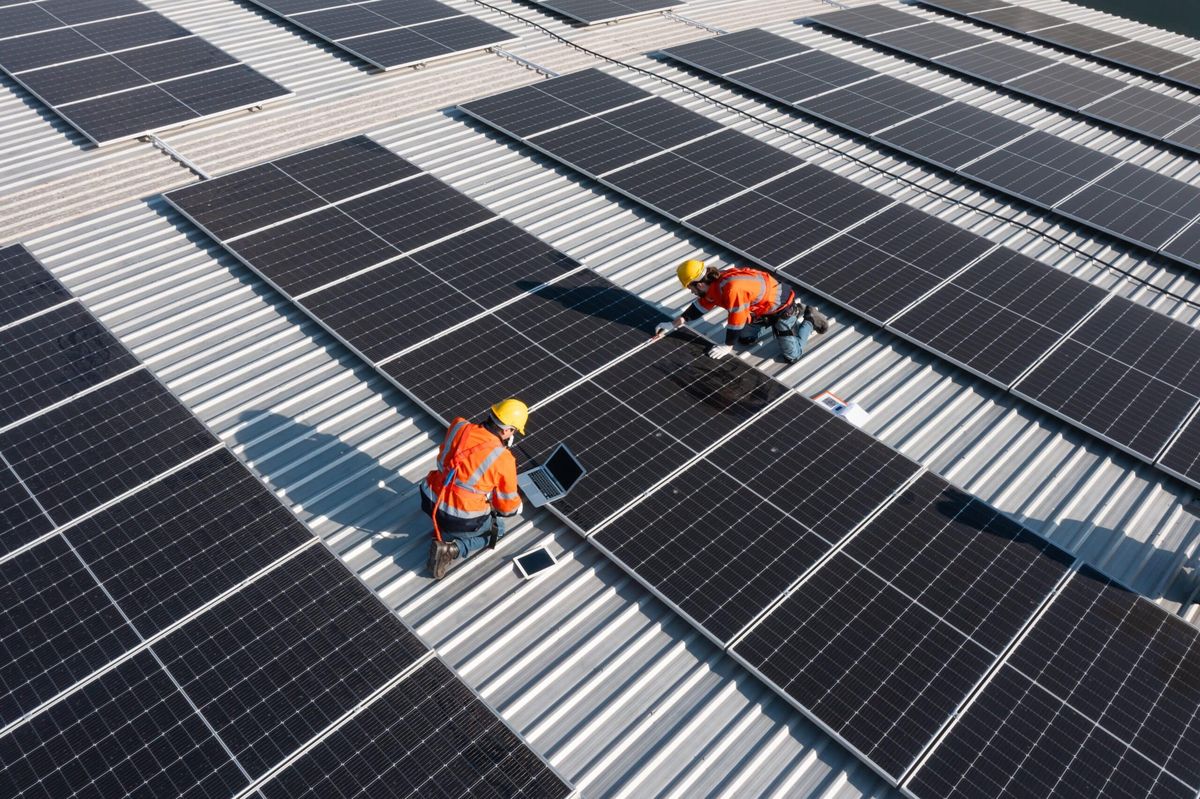
Montserrat is an island environment. Solar equipment should be chosen for wind, salt air, heat, backup performance, and serviceability.
Hurricane-conscious mounting
Public Montserrat solar work has used specifications that consider hurricanes, corrosive sea blast, coastal exposure, and 180 mph wind speed. Residential and commercial projects should apply the same design logic at the right scale.
Battery safety and placement
Batteries should be installed in dry, ventilated, accessible locations. In flood-prone areas, raising equipment may help, but heavy mobile equipment should not be casually wall-mounted without safe structural support.
Inverter and battery compatibility
A mismatch between inverter, battery, controller, and protection equipment can increase failure risk. Buyers should ask whether components are tested as a complete system.
Critical-load planning
A solar battery backup system should prioritize essentials such as refrigeration, lights, fans, water pumps, internet, security, medical devices, and office equipment.
Sunchees advantages for solar energy in Montserrat
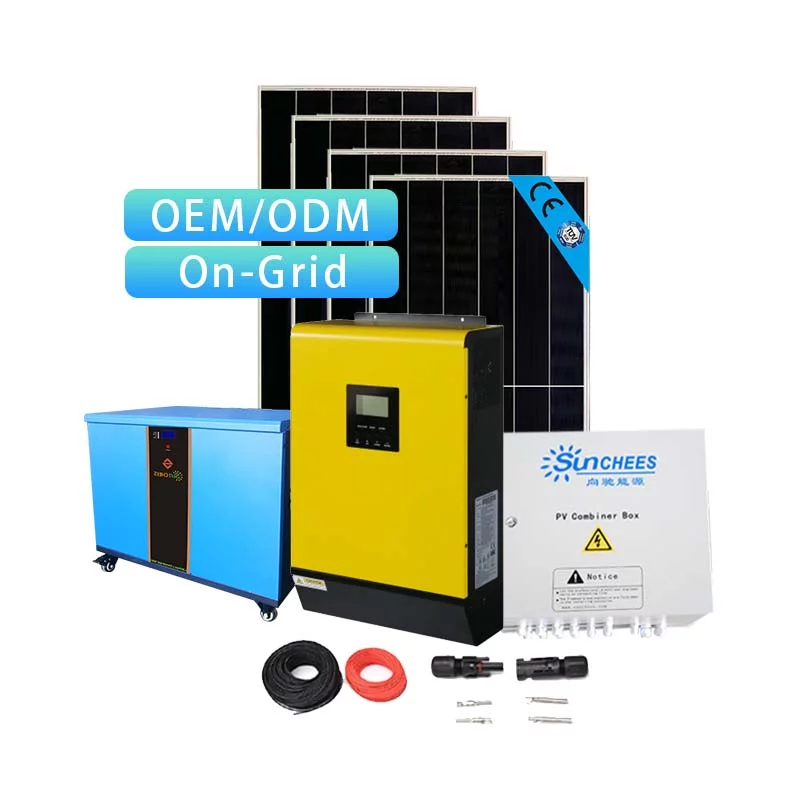
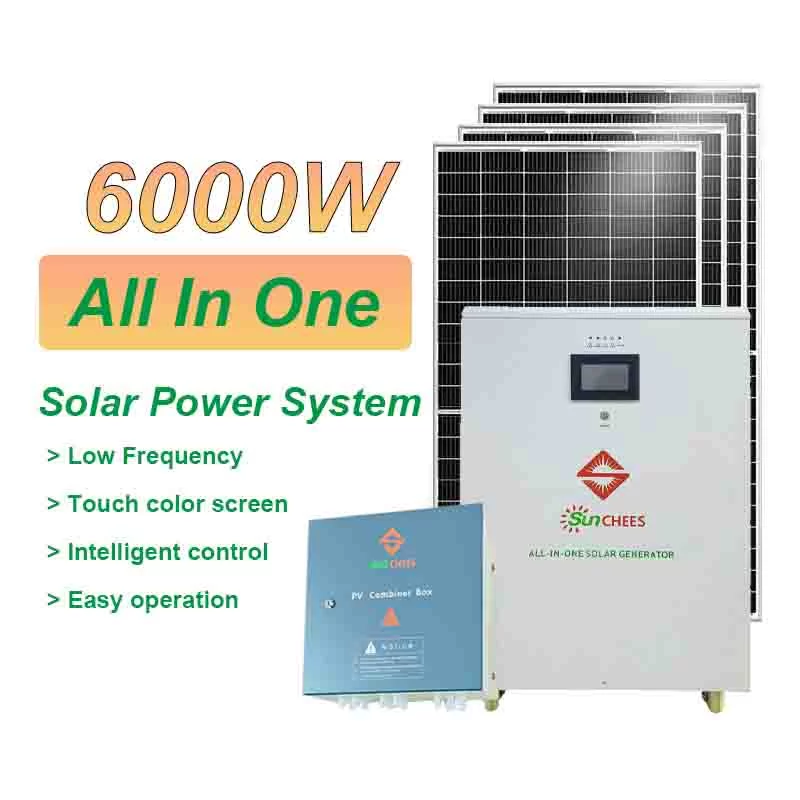
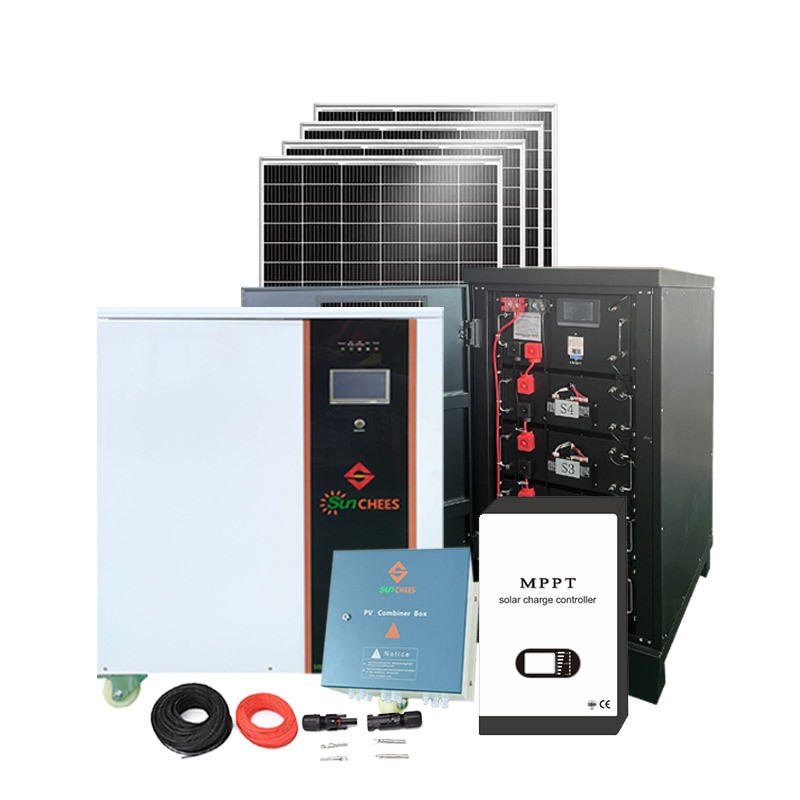
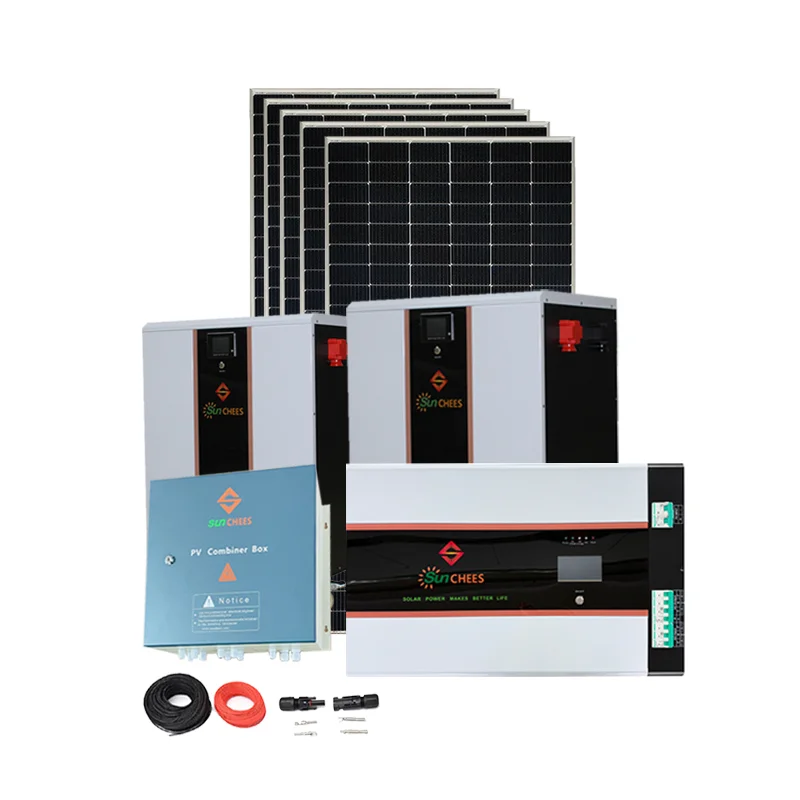
Sunchees is naturally positioned for Montserrat buyers who need integrated hybrid or off-grid solar systems rather than disconnected components from unrelated brands.
Founded 2008
Headquartered in Guangdong, China, with direct manufacturer support.
Complete compatibility
Self-developed inverters and lithium batteries reduce mismatch risk.
Global market coverage
Countries and regions served, with focus on Caribbean and Latin American markets.
Engineer support
Full remote guidance; qualifying single systems above 50 kW can receive free engineer dispatch.
Production and delivery
- Sample orders 1-10 sets, 5-7 working days
- Bulk orders 20-100 sets, 10-20 working days
- Delivery guarantee 5% compensation if delayed under contract terms
- Production tracking Dedicated progress updates
Warranty and service
- Solar panels 10-year warranty
- Lithium batteries 3-year warranty
- Inverter, controller, combiner box 2-year warranty
- After-sales follow-up Customer satisfaction review after each contract
More Sunchees details for procurement teams
For island buyers, the product is only one part of the decision. Packaging, warranty, delivery visibility, component compatibility, and after-sales process all affect project risk.
| Category | Sunchees detail | Why it matters for Montserrat |
|---|---|---|
| Factory and brand | Sunchees was founded in 2008 and is headquartered in Foshan, Guangdong, China, with a factory scale listed as 1,000 square meters. | Buyers can evaluate a direct manufacturer rather than only a trading bundle. |
| Core technology | Self-developed inverters and lithium batteries, with all major system components designed for compatibility. | Hybrid and off-grid island systems are more stable when inverter, battery, controller, and protection design are coordinated. |
| Customization | OEM support, optional specified solar panel brands, custom solar systems, and solar air-conditioner solutions. | Homes, clinics, farms, and small businesses in Montserrat have different load profiles and backup priorities. |
| Service life | System life can reach up to 25 years with proper design, installation, and maintenance. | Long-term value matters in a market with high grid electricity costs. |
| Packaging | Panels use carton plus pallet; inverter and combiner box use wooden box; controller, battery, and cable use cartons; brackets use carton plus bulk packing. | Export packaging affects damage risk during international shipping to island markets. |
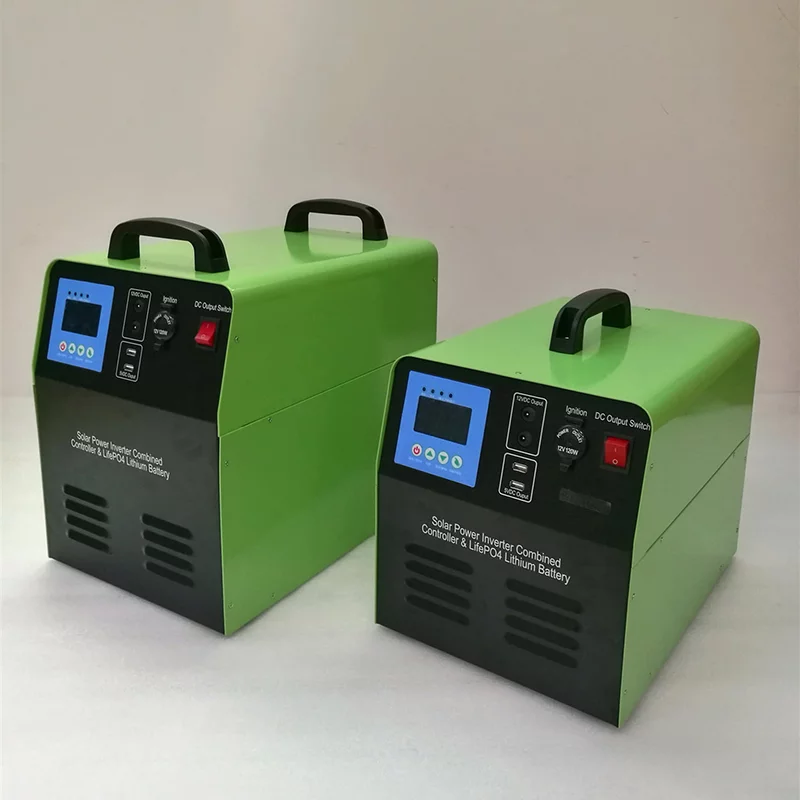
| Mobile equipment | System equipment can be supplied with wheels for mobility, except the solar panels themselves. Wall mounting heavy mobile equipment is not recommended unless structurally safe. | Flood-prone locations may need elevated placement, but the mounting method must remain safe. |
| Module upgrade | A free upgrade to double-glass bifacial solar modules may be available, improving efficiency by more than 1.5%, enabling bifacial generation, and reducing hot-spot risk. | More durable modules are useful in sunny, hot, island conditions when project design supports them. |
Montserrat solar guides
How to Ship a 10kW Solar System to Montserrat from China: Cost, Route, Customs and Installation
10kW Solar System in Montserrat: A Two-Storey Home in St. Peter
10kW Home Battery Backup in Montserrat: A Three-Storey St. Peter Case
6kW Solar System in Montserrat: A Modern Concrete Home in St. Peter
A 10kW Ground-Mount Solar and Battery System for a Five-Bedroom Home in St. Peter, Montserrat
Installation timeline for Montserrat solar buyers
Sunchees works with local installation partners. A standard residential or small commercial system can often be installed and commissioned in about 5 days after equipment arrives and the site is ready.
| Stage | What happens |
|---|---|
| Site information | Buyer provides location, load list, electricity bills, photos, and installation conditions. |
| System design | Solar array, inverter, battery, protection devices, and mounting are selected. |
| Production and preparation | Equipment is prepared, packed, and shipped according to order size. |
| Local installation | Local installer completes mounting, wiring, inverter setup, and battery connection. |
| Commissioning | System is tested, configured, and checked under load. |
| Remote guidance | Technical support helps verify settings and answer installation questions. |
The honest limits of solar in Montserrat
Solar is powerful, but a credible project should be clear about what solar cannot solve alone.
Design limits
- Solar panels do not generate at night.
- Batteries must be sized and maintained properly.
- Large air-conditioning loads can drain batteries quickly.
- Critical loads should be separated from optional loads.
Local project limits
- Hurricane-rated installation is essential.
- Salt-air corrosion must be considered.
- Permitting, customs duties, utility rules, and local electrical standards may affect timing.
- Battery systems depend on reliable inverters, controls, and service support.
Public data limits
- Montserrat reports confirm renewable progress and fuel-surcharge mechanisms, but not a precise monthly saving for every household.
- Peak renewable penetration, annual generation share, and installed-capacity share are different metrics.
- Regional irradiance values are useful for planning, but a final system should use site-specific shading and roof checks.
BESS performance limits
- Battery storage is valuable, but inverter and controller reliability affect whether PV output can be fully used.
- The public Montserrat context notes that BESS problems delayed full benefits in the 2024/25 period.
- This is why integrated inverter-battery design and after-sales support should be treated as core requirements.
FAQ: solar energy in Montserrat
Is solar energy in Montserrat worth it?
Why is solar power in Montserrat becoming more important?
What is the best Montserrat solar system for a home?
Do I need a solar battery backup in Montserrat?
Is an off-grid solar system practical in Montserrat?
How long does solar installation take in Montserrat?
Can solar panels in Montserrat handle hurricanes?
Why choose Sunchees for solar energy in Montserrat?
What makes Montserrat different from a normal solar market?
Can residents benefit from utility solar if they do not install panels?
What information should I send before asking for a Montserrat solar quote?
Get a solar power system for island homes in Montserrat
To design the right system, share your location, monthly electricity usage, critical backup loads, roof or ground-mount photos, and any flood, wind, or salt-air concerns. Sunchees can provide customized hybrid and off-grid solar system solutions, compatible inverters and lithium batteries, double-glass bifacial module options, remote installation support, and local-installer cooperation.
Sunchees is active on Instagram, TikTok, YouTube, and Facebook. Ask for current double-glass bifacial module upgrade availability when requesting a quote.
Editorial source notes
Main factual references used for this page: RMI: Montserrat - Halfway on the Road to 100 Percent Renewables and Montserrat Utilities Limited: Our Electricity. Additional project, product, and company details are based on the provided Sunchees brief.
 You May Also Like



 Tel
Tel
 Email
Email
 Address
6th Floor, Zhonghe Zinan Industrial Park, No. 1 Zinan Changang West Road, Nanzhuang Town, Chancheng District, Foshan City, Guangdong Province. China (Mainland)