

 Whatsapp :
 Home
HomeOvercoming the 2026 Compute Bottleneck: The Role of Solar Power Systems for AI Infrastructure
 Mar 08,2026
 0
0
 sunchees solar system
As Elon Musk accurately observed, the endgame of Artificial Intelligence is an energy competition. Looking at the industry landscape in 2026, the primary bottleneck for AI development has officially shifted from a shortage of silicon (such as high-performance GPUs) to a critical shortage of transformers and stable electricity. AI models and massive compute centers are highly energy-intensive. Without sufficient power, even the most advanced compute cannot function.
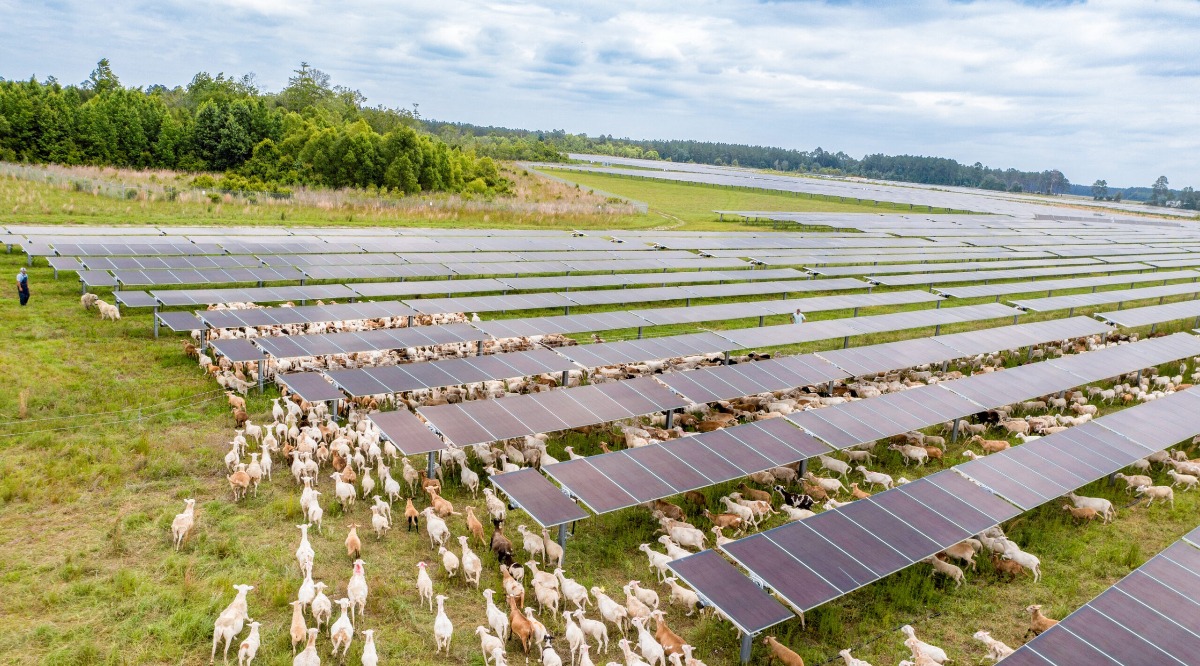
To address aging electrical grids and the slow pace of traditional infrastructure expansion, AI companies are increasingly looking toward independent, renewable energy hardware. Chinese solar manufacturers, backed by a massive 1,500 Gigawatt (GW) production capacity and a complete supply chain, possess both the capability and the willingness to provide the necessary energy equipment for these technology firms.
By putting the most valuable industry insights first, this article explores the macroeconomic shift in AI energy procurement and details how standardized hardware from established manufacturers can bridge the physical power gap.
The Physical Reality of AI: Why a Distributed AI Power Supply is Necessary
The challenge with modern AI infrastructure is not just the total volume of power required, but the speed at which it needs to be deployed. Upgrading industrial grid capacity in many developed nations can take years due to regulatory approvals and complex transmission network upgrades.
As a result, a Distributed AI Power Supply has become a practical necessity. By procuring industrial-grade solar panels, high-capacity lithium batteries, and inverters, AI infrastructure developers can build localized microgrids. This approach offers several objective advantages:
- Scale and Supply Chain Efficiency: The Chinese solar industry offers incredibly low Levelized Cost of Energy (LCOE). The complete supply chain—from silicon materials to assembled modules—allows for massive procurement at a fraction of the cost of traditional power plants.
- Deployment Speed: While expanding a commercial power grid takes months or years, a standardized solar and storage system can be delivered and installed in a matter of weeks, matching the rapid deployment cycles of AI data centers.
- Bypassing Grid Instability: For AI training, an unexpected power outage can result in weeks of lost computational progress. Localized solar hardware equipped with industrial inverters provides hardware-level uninterrupted power, independent of utility grid fluctuations.
Practical Hardware Applications in the AI Sector
Chinese manufacturers are not necessarily building bespoke software for AI; rather, they are providing the highly reliable "hardware blocks" required to keep compute online.
1. Off-Grid Solar Solutions for Edge AI
In 2026, AI algorithms are heavily deployed at the network's edge—such as 5G/6G base stations, autonomous driving roadside units, and smart farming hubs (e.g., drone charging docks and automated irrigation). These facilities often operate in remote areas where laying traditional power lines is prohibitively expensive. Off-Grid Solar Solutions for Edge AI utilize high-efficiency panels paired with LiFePO4 battery storage, allowing AI sensors and local image processors to maintain 24/7 high-load operations even during rainy days.
2. Cooling Compute with DC Solar AC for Data Centers
The ultimate byproduct of AI compute is heat. For small to medium-sized server rooms, cooling can account for over 30% of total electricity usage. This presents a unique opportunity for DC Solar AC for Data Centers. Since the peak heat generation of an AI facility typically aligns with peak solar irradiance during the day, solar power can directly drive air conditioning units. This direct-current application eliminates DC-to-AC conversion losses, significantly lowering the Power Usage Effectiveness (PUE) of the data center without altering the primary server power architecture.
Hypothetical Scenario: Powering an Edge AI Node in Extreme Environments
To clearly illustrate the practical value of hardware-software synergy in the 2026 landscape, let us examine a hypothetical deployment model.
The Premise:
Imagine an AI technology company planning to deploy a high-density GPU edge computing node at the border of a remote tropical rainforest. The facility's purpose is to receive and process 4K drone video streams 24/7 for real-time wildfire detection and anti-logging inference.
Anticipated Infrastructure Challenges:
- Grid Limitations: Extending the municipal power grid to the rainforest edge is prohibitively expensive and involves a multi-year approval process.
- Thermal Extremes: Running high-load GPU servers in a high-temperature, high-humidity environment dramatically increases the risk of thermal throttling and hardware failure.
- Cybersecurity Risks: The environmental monitoring data is highly sensitive. If the energy system is exposed to the public internet, it could become a backdoor for hackers to physically cut power to the AI facility.
- Sunk Cost of Assets: The monitoring zone may shift in two years. Building a traditional, ground-fixed solar power plant would result in unrecoverable sunk costs when the compute node relocates.
Strategic Resolution: How Sunchees Hardware Can Address These Bottlenecks
If the AI company decides to integrate its server cabinets with standardized Sunchees solar hardware from the project's inception, the operational workflow would yield the following functional advantages:
1. Rapid Deployment and Asymmetric Cooling
- Overcoming Off-Grid Hurdles: If the project utilizes Off-Grid Solar Solutions for Edge AI—featuring upgraded double-glass bifacial modules and industrial LiFePO4 batteries—local installation partners could complete the full assembly and commissioning in an estimated 5 days, allowing the compute node to go online almost immediately.
- Direct-Drive Thermal Management: If the hub is equipped with a DC Solar AC for Data Centers, the system would leverage peak daytime sunlight (when GPU heat generation is highest) to directly drive the cooling compressor using direct current. Bypassing AC/DC conversion losses could inherently slash the node's cooling energy footprint by nearly 40%.
2. Hardware-Software Synergy via Smart Dispatch
In this context, the energy hardware functions as a critical node within a Distributed AI Power Supply network.
- Handling Extreme Weather: Suppose consecutive days of heavy rain cause the battery reserves to drop to a critical 25%. The Sunchees industrial inverter, communicating over an open API via a local network, would instantly send a "low power" data packet to the AI company's central compute scheduler.
- Automated Compute Throttling: Upon receiving this hardware-level alert, the AI scheduler would automatically pause power-intensive background tasks (like model fine-tuning) and allocate all remaining battery power strictly to the low-power, critical real-time inference processes. This ensures the facility remains online 24/7.
3. Air-Gapped Cybersecurity Architecture
To guarantee absolute physical security, the AI company could configure the energy monitoring system to operate on a strictly isolated Local Area Network (LAN), disabling public Wi-Fi access. By air-gapping the power supply's communication module, external hackers cannot locate the IP address of the energy grid, physically neutralizing the threat of a remote power shutdown.
4. Asset Mobility and ESG Compliance
- Eliminating Sunk Costs: If the AI node must be relocated hundreds of miles away after two years, the infrastructure is not abandoned. Because Sunchees' main inverters and battery cabinets are equipped with heavy-duty wheels (and do not mandate permanent wall mounting), the engineering team can simply roll them onto a truck. In this way, Solar Power Systems for AI Infrastructure act as highly mobile assets that travel alongside the compute hardware.
- Carbon Credit Auditing: Throughout its operation, the system precisely logs every kilowatt-hour of green energy generated. The AI company can export these immutable logs for 2026 ESG audits, ensuring compliance with strict carbon tax policies and potentially generating valuable carbon credits.
Hypothetical Value Comparison Matrix
Based on this deduction, we can clearly structure the expected business value compared to traditional infrastructure:
|
|
|
|
|
|
|
|
|
|
|
|
|
|
|
|
|
|
|
|
|
|
|
|
|
|
|
|
|
|
Evaluating Hardware Providers: The Capabilities of Sunchees Solar Systems
When AI enterprises seek energy equipment, they look for manufacturing maturity, delivery certainty, and equipment stability. Brands like Sunchees represent a tier of established Chinese manufacturers equipped to handle the rigorous demands of tech infrastructure.
Rather than offering customized AI software, Sunchees Solar Systems focus strictly on robust hardware manufacturing: high-conversion photovoltaic panels, 0ms switching inverters, and industrial-grade energy storage. This standardized approach allows AI data center architects and edge computing integrators to purchase reliable equipment and integrate it into their own operations.
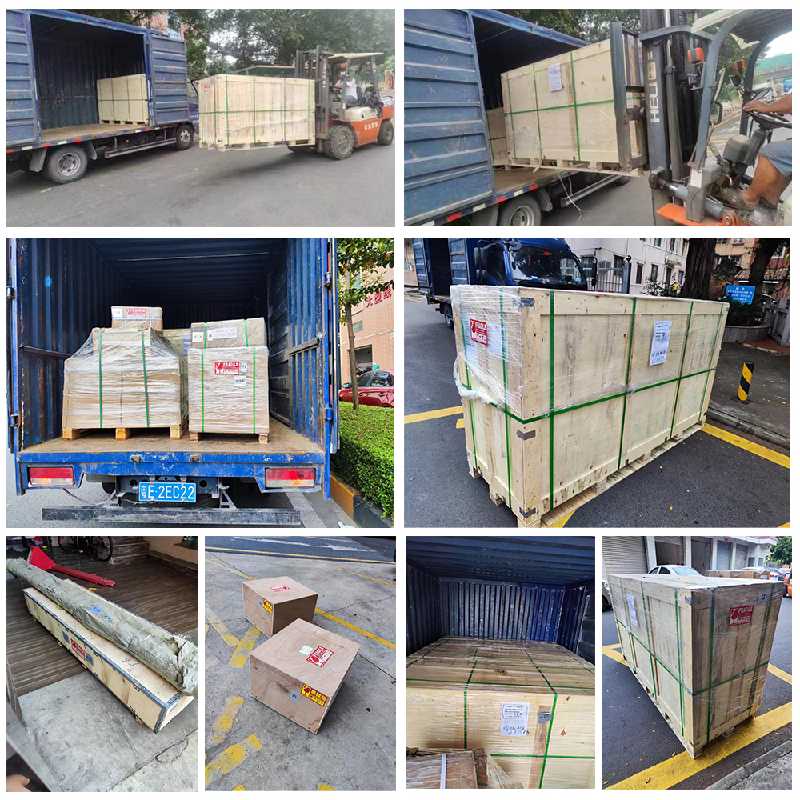
Sunchees Corporate & Equipment Specifications
Below is the structured operational data for Sunchees:
|
|
|
|
|
|
|
|
|
|
|
|
|
|
|
|
|
|
|
|
|
|
|
|
|
|
|
|
|
|
|
|
|
|
|
|
Q&A
Q1: Why are Solar Power Systems for AI Infrastructure becoming a mandatory consideration for tech companies?
A1: Because the global power grid is aging and cannot expand fast enough to support the sudden influx of AI compute centers. Solar Power Systems for AI Infrastructure offer a rapid, scalable, and independent power source that bypasses utility delays and provides the immense electricity required for uninterrupted machine learning and data processing.
Q2: How does a Distributed AI Power Supply improve operational stability?
A2: A Distributed AI Power Supply decentralizes the energy risk. By combining high-capacity lithium batteries with industrial-grade inverters that feature 0-millisecond switching times, AI facilities are protected from local grid voltage fluctuations. This hardware acts as a massive Uninterruptible Power Supply (UPS), preventing server crashes and data loss.
Q3: What makes a DC Solar AC for Data Centers an efficient investment?
A3: A DC Solar AC for Data Centers directly utilizes solar energy to power cooling systems without the energy loss associated with converting direct current (DC) to alternating current (AC). Because AI servers generate the most heat during the day when sunlight is strongest, this technology perfectly matches energy supply with cooling demand, drastically lowering operational costs.
Q4: Can Off-Grid Solar Solutions for Edge AI be deployed in harsh environments?
A4: Yes. Off-Grid Solar Solutions for Edge AI are specifically designed for remote areas without grid access, such as agricultural zones or mountainous communication towers. High-quality systems use durable bifacial panels and resilient LiFePO4 batteries to ensure that local AI processors remain online through varied weather conditions.
Q5: Are Sunchees Solar Systems adaptable for changing facility locations?
A5: Yes, Sunchees Solar Systems are designed with mobility in mind. The main equipment components (inverters and battery cabinets) are equipped with wheels, allowing tech companies to relocate their power infrastructure alongside their physical compute nodes. While wall-mounted options exist for flood-prone areas, standard ground-level mobile deployment is recommended for maximum safety and flexibility.
 Why Every Home and Business Needs a Stand Alone Solar Power System Jamaica
 You May Also Like



 Tel
Tel
 Email
Email
 Address
6th Floor, Zhonghe Zinan Industrial Park, No. 1 Zinan Changang West Road, Nanzhuang Town, Chancheng District, Foshan City, Guangdong Province. China (Mainland)