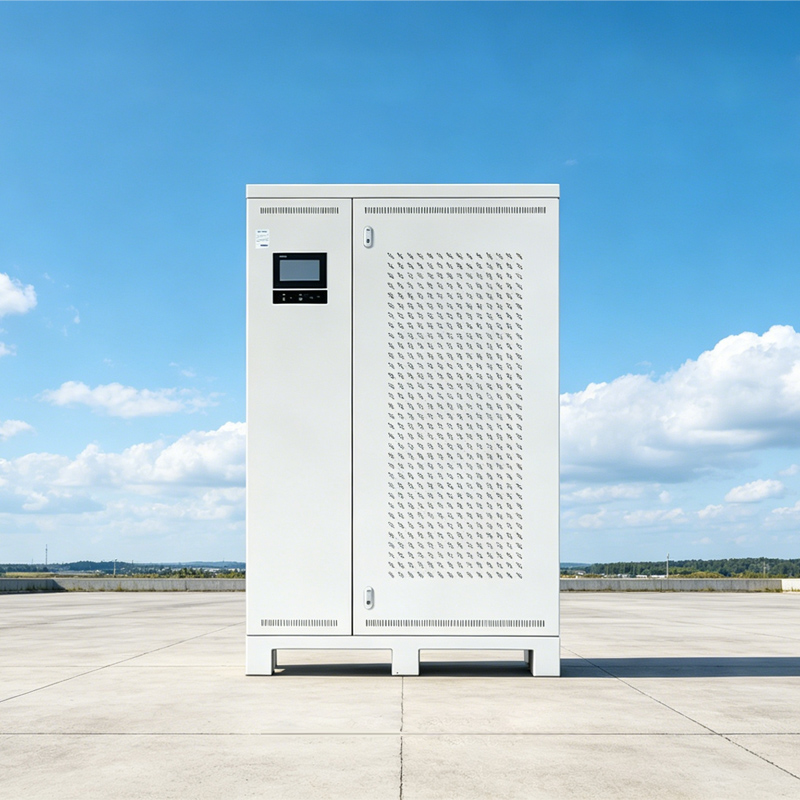
Solar Battery Energy Storage Cabinet
768V - 100kW PCS - 215kWh battery / 241.15kWh system - three-phase four-wire 380V - >=8000 cycles - >=85% system efficiency - LiFePO4 - all-in-one
183 kWhdelivered per discharge (215x85%)
>=8000cycles ~ 22 yrs (1/day) / 11 yrs (2/day)
Off-gridruns without the grid
All-in-oneplug & run, 3-ton cabinet
1 - Which countries is it built for - and the concrete benefit
Best Countries for an Off-Grid C&I Battery Energy Storage System
It runs on 380V three-phase four-wire / AC400V / 50Hz (IEC standard), so "compatible" and "best value" are two different things.
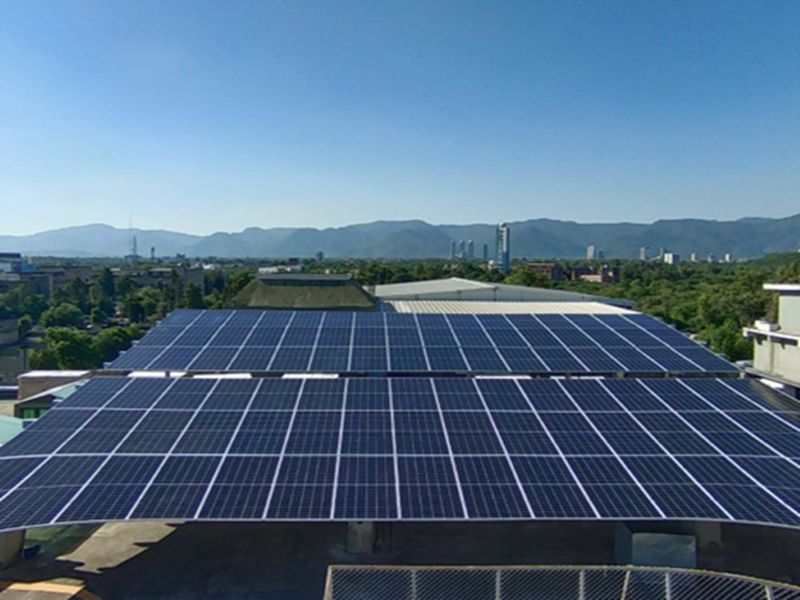
A mid-size factory in Lagos, Nigeria
Weak-grid markets with 6-10 h of daily outages
Africa, Pakistan, the Philippines, Indonesia: they used to bridge outages with diesel - expensive fuel, noise, and constant refuelling.
Benefit: charge from rooftop PV by day, power the load during outages - one cabinet replaces about 215 kWh of diesel generation a day ~ $69/day, ~$24,000/year in fuel, with no genset noise or servicing.
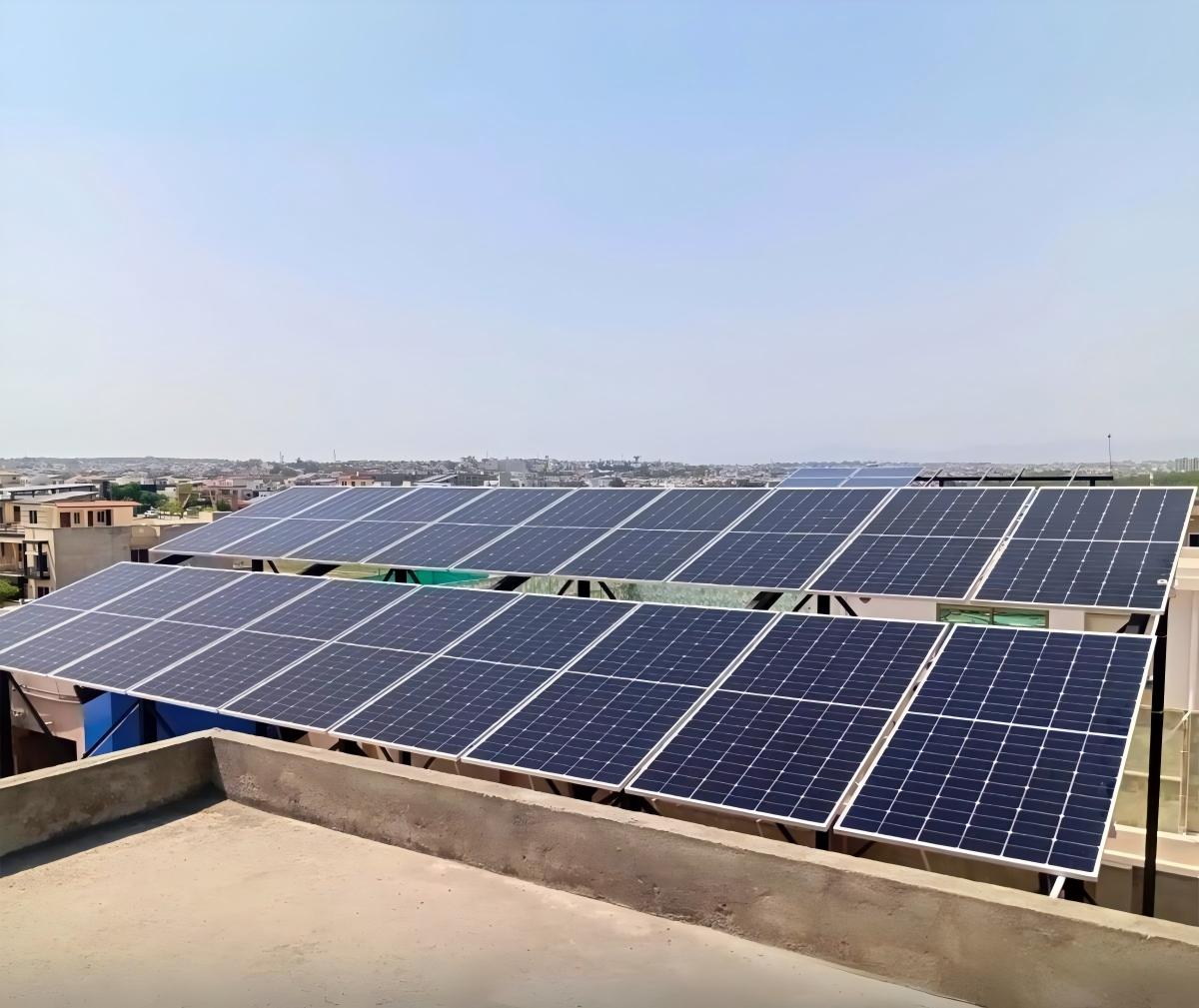
A business on a 400V grid (South Africa / Europe / Australia)
Standard-grid countries: connect directly, zero adaptation
South Africa, Europe, the Middle East, Southeast Asia, South America - all 400V/230V, 50Hz, so it connects as-is.
Benefit: no extra transformer, no rework - you save the up-front adaptation cost and time, and it rides through AC400V +/-(-20%~15%) swings without tripping on a weak grid.
South Africa Nigeria Pakistan Philippines Indonesia India Europe Middle East Australia
2 - Where it fits - and how much you saves or earns
Applications & ROI: Peak Shaving, PV Self-Consumption, Off-Grid Microgrid, Backup Power
Every scenario below carries a real calculation.
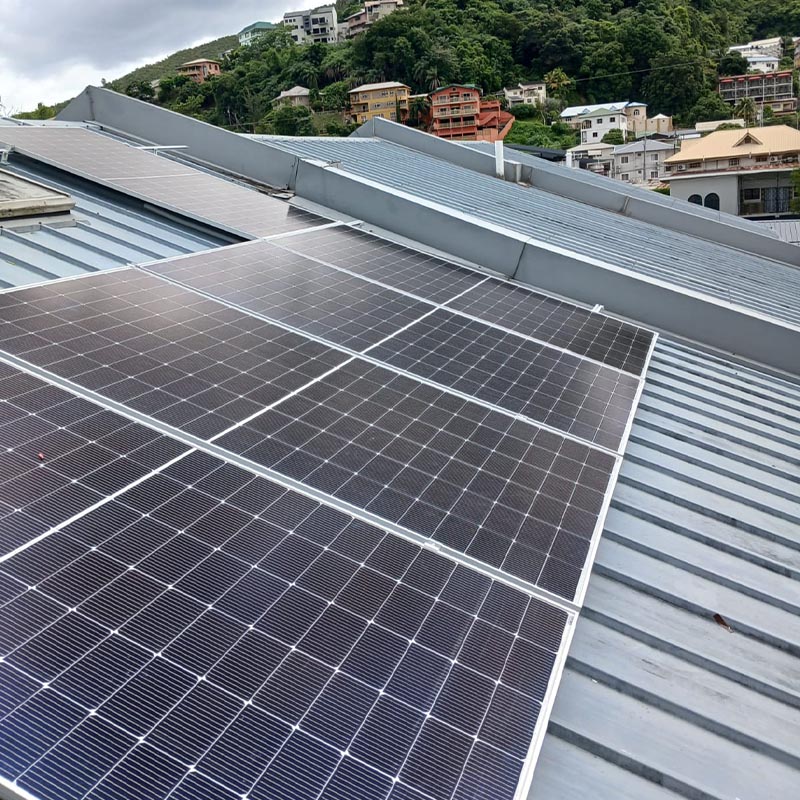
A factory in Johannesburg, South Africa (Eskom TOU tariff)
A - Peak-shaving / TOU arbitrage
Charge cheap at night, discharge during the costly daytime peak - the profit is the price spread.
HOW MUCH ONE CABINET EARNS (1 cycle/day)
| Delivered per discharge |
183 kWh |
| Peak-off-peak spread |
$0.12 / kWh |
| Per day |
~ $22 |
| Per year (350 days) |
~ $7,700 |
| Two cycles/day can double it |
~ $15,000 / yr |
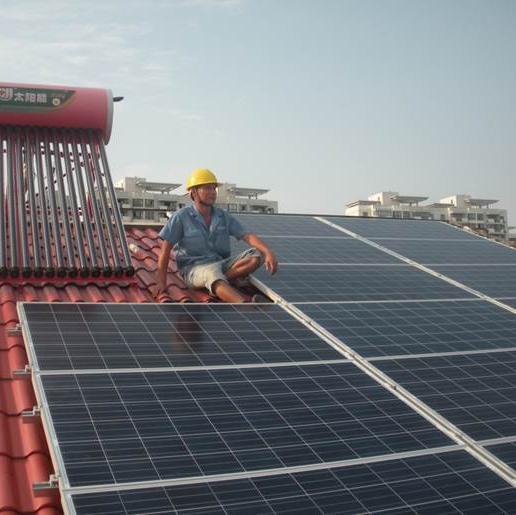
An off-grid farm in Kenya / an island resort
B - Off-grid supply, replacing the diesel genset
No grid, or a very unstable one: PV charges by day, the cabinet discharges at night - a standalone microgrid.
SAVINGS VS DIESEL GENERATION
| Generation displaced per day |
215 kWh |
| Diesel fuel cost |
~ $0.32 / kWh |
| Fuel saved per day |
~ $69 |
| Per year (350 days) |
~ $24,000 |
A business with PV that exports at a poor price
C - PV self-consumption - stop selling cheap
Daytime surplus exports for a few cents; store it and use it at night, saving the retail rate instead.
SAVINGS FROM HIGHER SELF-CONSUMPTION
| Shifted to self-use per day |
183 kWh |
| Retail - export price gap |
~ $0.15 / kWh |
| Saved per day |
~ $27 |
| Per year (350 days) |
~ $9,600 |
A hospital / data center / critical production line
D - Backup power - no interruption
When the grid drops, it switches to carry the load in seconds, keeping critical loads alive.
Benefit: one unplanned outage can cost a data center or production line tens of thousands. This cabinet turns "outage = downtime" into "outage = unnoticed"; the 241 kWh system scales across cabinets to extend backup to several hours.
3 - What problems it actually solves
Problems Solved: High Energy Bills, Outages, PV Curtailment, Slow Deployment
Bills too high - a real monthly drop
Charge off-peak, discharge on-peak, swapping pricey peak energy for cheap off-peak.
Why it pays: >=8000 cycles means even at two cycles/day it lasts ~11 years, so the daily saving keeps compounding for a decade and the levelized cost stays low.
Outages / load-shedding - no more diesel
The built-in off-grid inverter carries the load even when disconnected from the grid.
Why it pays: diesel runs ~$0.3+/kWh plus fuel logistics, servicing and noise; PV + storage drops fuel cost to near zero.
PV wasted - no more cheap export
A wide MPPT (600-864V) stores surplus PV on site.
Why it pays: turns "$0.05 exported" into "$0.20 self-used" - the same PV kWh is worth several times more.
Slow to deploy - one cabinet, done
Battery + BMS + PCS + EMS + fire suppression + thermal management in one cabinet.
Why it pays: no multi-vendor integration, no long on-site commissioning - set it down, wire it up, run it; saves both schedule and coordination effort.
4 - Versus comparable products - why pick this one
Air-Cooled Off-Grid Cabinet vs Liquid-Cooled Grid-Tied BESS
Most rivals are grid-tied, liquid-cooled cabinets.
| What the buyer cares about |
This product - 100kW off-grid cabinet |
Mainstream liquid-cooled grid-tied cabinet |
| Works without the grid? |
Off-grid inverter built in |
Usually grid-first; off-grid often optional |
| How many years will it last? |
>=8000 cycles, ~11 yrs at 2/day |
~6000-8000 cycles |
| How much to buy? |
Lower - fewer parts (air-cooled), simple install |
Higher - pumps, piping and other coolant parts |
| Easy to live with later? |
Easy - no water loop, no coolant, near maintenance-free |
Demanding - refill/replace coolant, check pump & piping; a leak or pump failure means downtime |
| Usable where service is thin? |
Ideal for weak-grid / remote markets |
More dependent on strong after-sales |
| Round-trip efficiency |
>=85% |
>=90% RTE (higher) |
The real difficulty of liquid-cooled maintenance (the hidden cost)
1. Pumps and seals fail - and failure means downtimeIn industry failure data, pump seizure ~42%, leaks ~33%, control faults ~25% - almost every fault traces back to the water loop. When the pump stops, the cells overheat, derate or shut down: downtime = no generation, no revenue that day.
2. Coolant must be topped up and replacedThe water-glycol mix slowly evaporates at fittings and degrades over time, so levels must be checked and the fluid changed on schedule. For remote sites, just getting a technician and coolant on site is real cost and delay.
3. Leaks are hard to catch and high-risk"Normal evaporation" and a "real leak" are hard to tell apart - leaks go unflagged or false-alarm. If conductive coolant reaches the electrics, it can corrode and short, or trigger a safety incident.
4. Needs specialist people and partsInspecting the loop, swapping a pump or refilling coolant all need a liquid-cooling technician and OEM parts. In Africa, on islands or at mine sites there's often nobody who can service it - you wait for an OEM fly-in and downtime stretches out.
5. More fragile in cold / hot climatesWinter risks freezing and needs the right glycol ratio and heat tracing; summer runs pumps and heat exchangers at full tilt, drawing extra auxiliary power. The harsher the site, the heavier the burden.
This product is air-cooled - those problems are goneNo pump, no piping, no coolant - all five issues above simply don't exist for the user. If anything fails you swap a fan, which a local electrician can do. That's why it's not just cheaper to buy, but cheaper to keep running.
Bottom line: if you run big projects on a strong grid and need to squeeze out every percent of efficiency, the liquid-cooled flagship fits better. If your market has outages, a tight budget, and nobody local to service liquid cooling - this off-grid air-cooled cabinet is affordable to buy, long-lived, and serviceable: the one that actually gets deployed and makes money.
5 - What makes it unique
Built-In Off-Grid Inverter, >=8000 Cycles, Air-Cooled All-in-One
In one line: a C&I all-in-one cabinet that earns its keep without a grid - and lasts unusually long.
1. Off-grid out of the box
A 768V/100kW off-grid inverter built in - a standalone microgrid with no grid.
Why unique: most products in this size class charge extra for off-grid; here it's standard, ready for weak-grid markets.
2. >=8000-cycle long life
~11 years at two cycles/day, ~22 years at one.
Why unique: life directly sets how many years it earns - same model, it simply earns for more years.
3. Air-cooled all-in-one
Power, control, thermal and fire integrated in one cabinet - no water loop.
Why unique: cheaper up front and no coolant upkeep - lower total cost of ownership, deployable in more places.
4. Wide-voltage, weak-grid ready
DC 672-864V, MPPT 600-864V, grid AC400V +/-(-20%~15%).
Why unique: it rides out voltage swings without nuisance tripping - exactly the resilience weak-grid countries need.
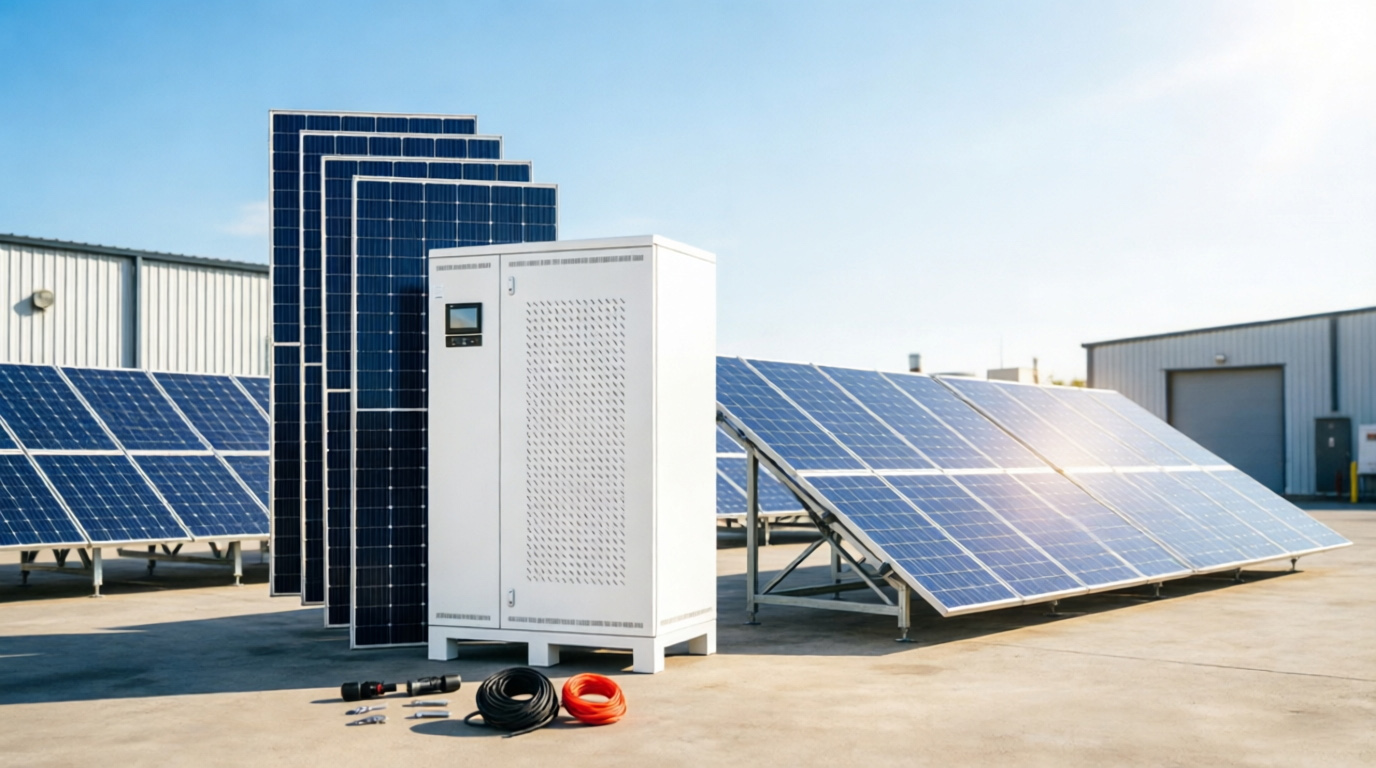
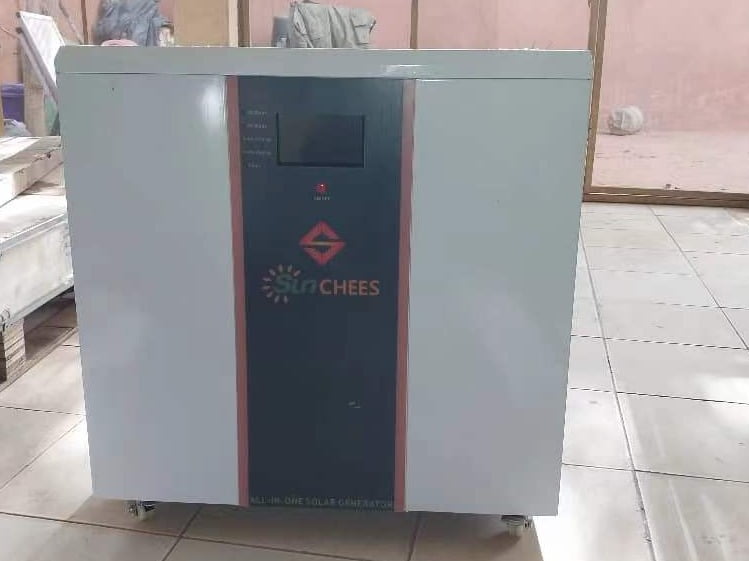
100kW Three-Phase Off-Grid Energy Storage Cabinet - 768V / 100kW / 215kWh - 1800x2300x1200 mm - 3000 kg - optimal 25+/-2 degC - altitude <=2000 m
The energy storage project is expected to be mainly based on energy storage in the energy storage project area. The energy storage power is located on the low-voltage side of the photovoltaicproject booster station, and the project is introduced through municipal electricity and related energysources, such as photovoltaic, diesel generator, wind power, etc., to achieve comprehensiveutilization and maximum efficiency of energy.
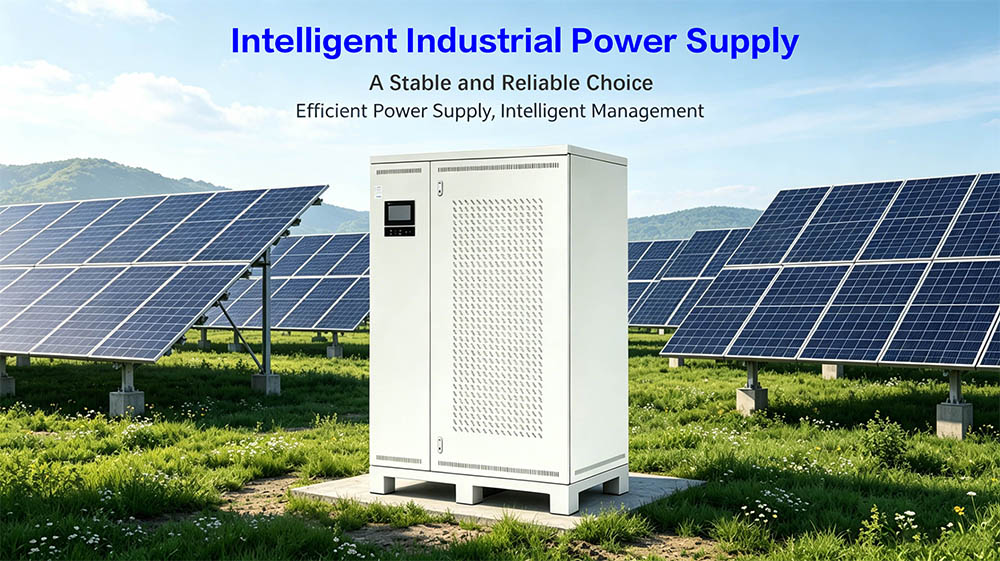
100kw Solar Battery Energy Storage Cabinet Adventage
All-in-one Cabinet Design:Pre-installed inverter + battery inside single cabinet, save installation time & labor cost.
Compact Space-saving:Integrated structure occupies less room than split separate solar system.
Three Phase Stable Output:380V balanced power to drive air conditioner, production equipment & water pump.
Coastal Anti-corrosion Cabinet:Salt fog & high-temperature resistant
Intelligent Remote Monitoring:Mobile APP & touch screen to check SOC, generation and load data in real time.
Flexible Capacity Customization:Adjust built-in lithium battery capacity based on client daily power consumption.
Why Choose SUNCHEES 120kW Industrial-Frequency Inverter?
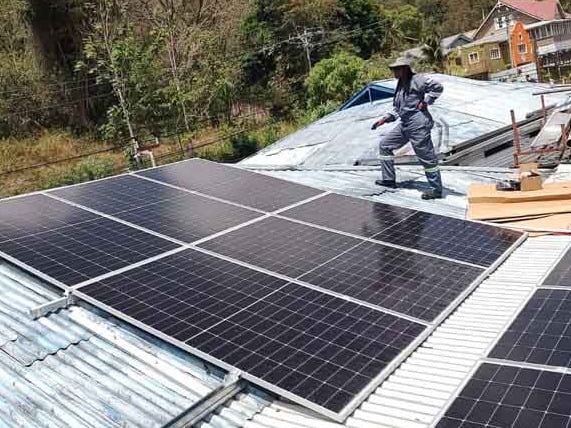
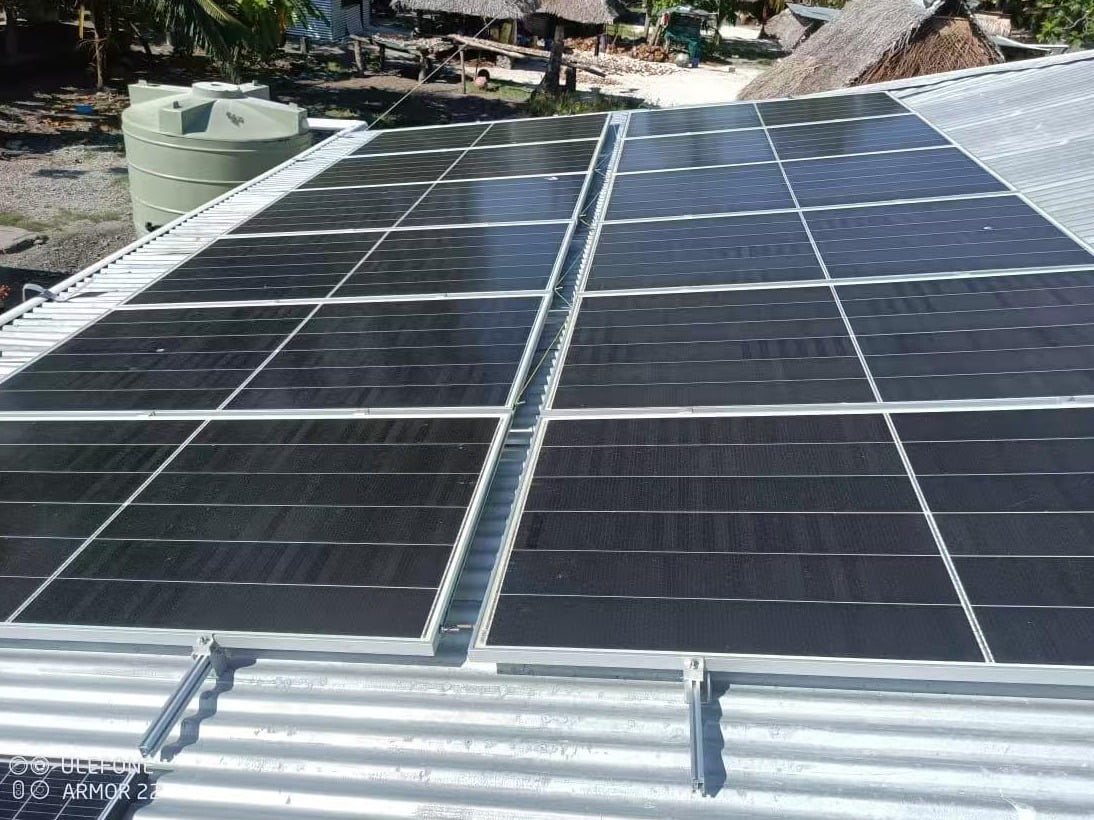
Proven reliability in harsh climates: Deployed in multiple Caribbean and tropical projects with zero major failures.
Industrial-grade build quality: Designed for 24/7 continuous operation with minimal maintenance.
Strong surge and overload capability: Handles motor starting currents and heavy industrial loads with ease.
Comprehensive technical support: Customized system design, installation guidance, and 24/7 after-sales service.




 Whatsapp :
 Home
Home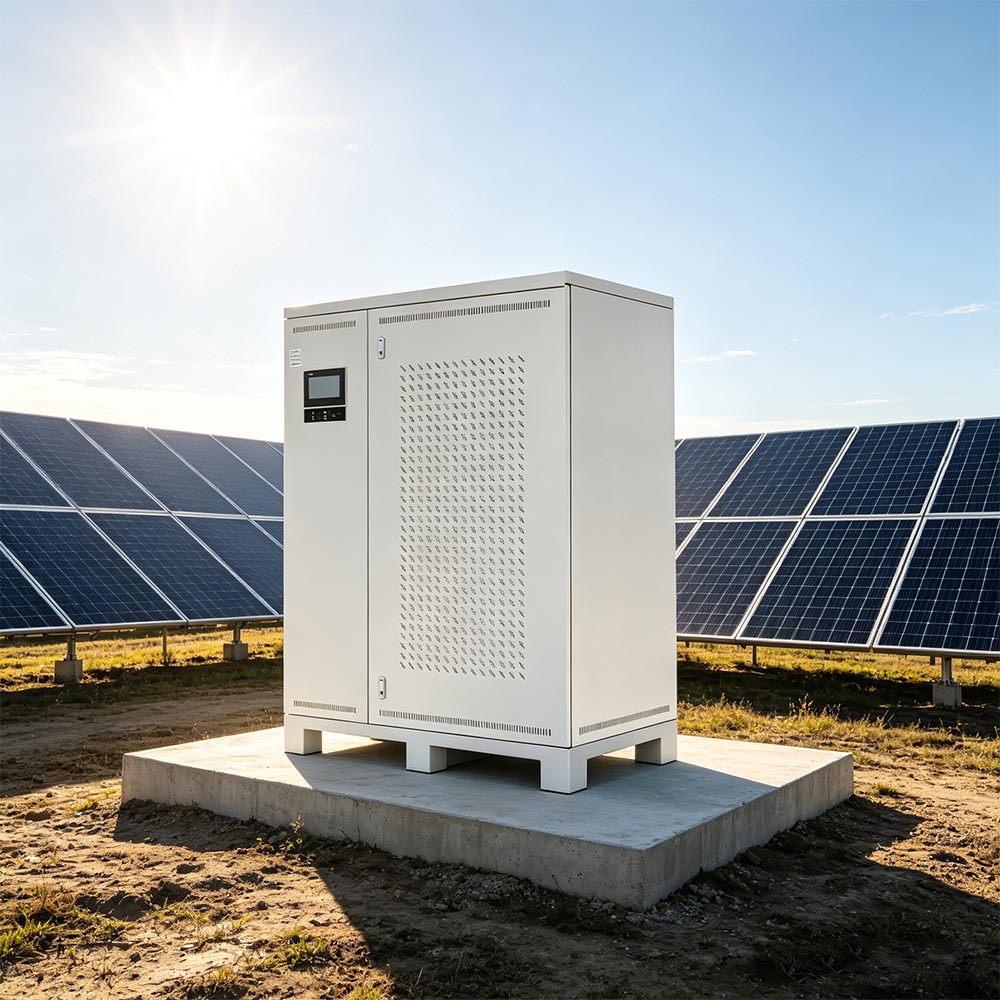



 Case
Case
 Mar 21,2022

 Tel
Tel
 Email
Email
 Address