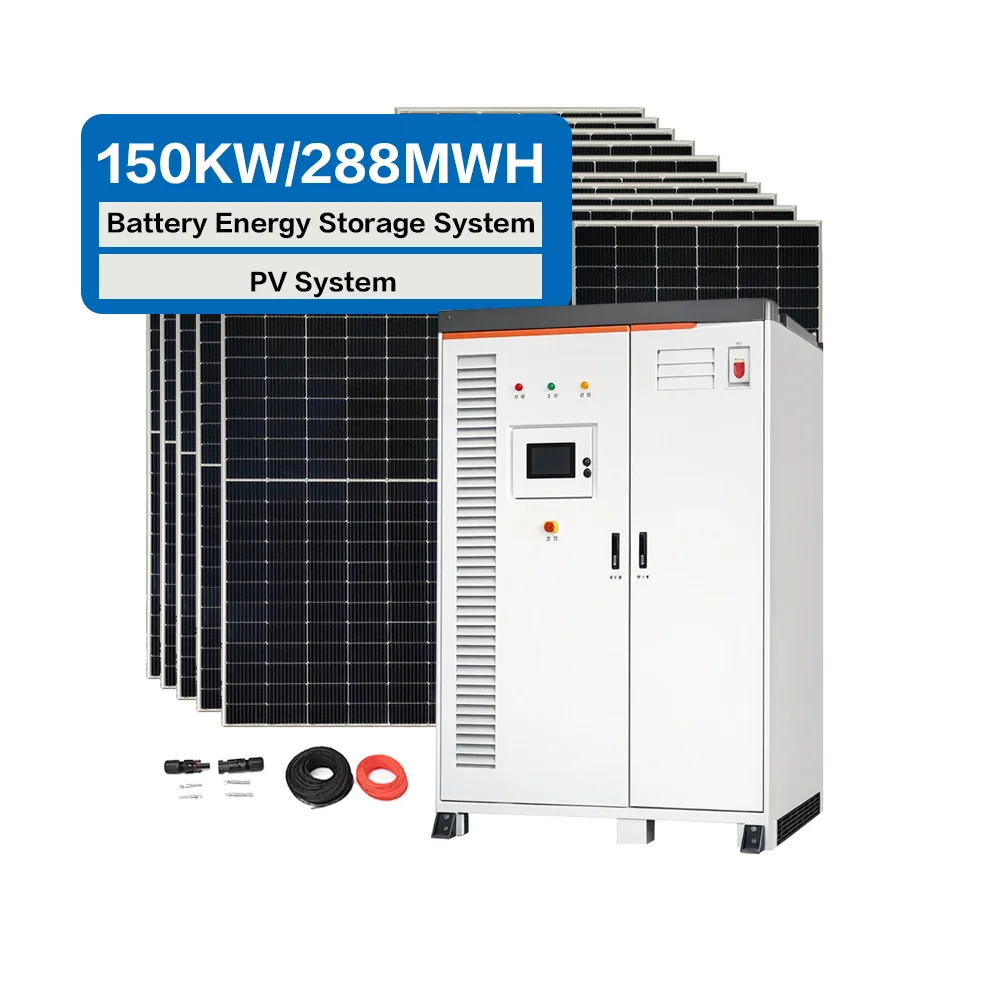
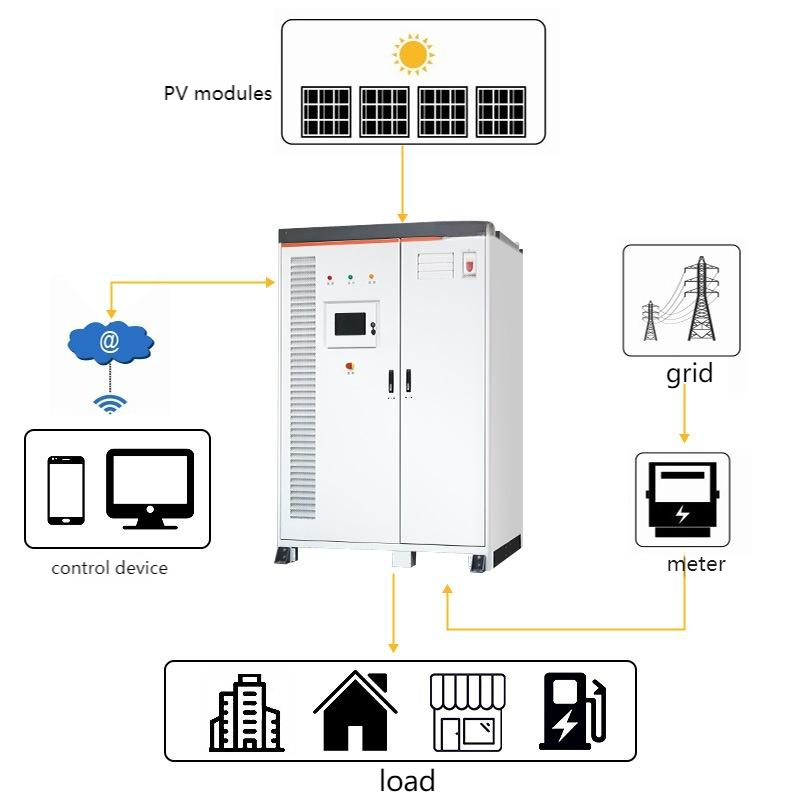
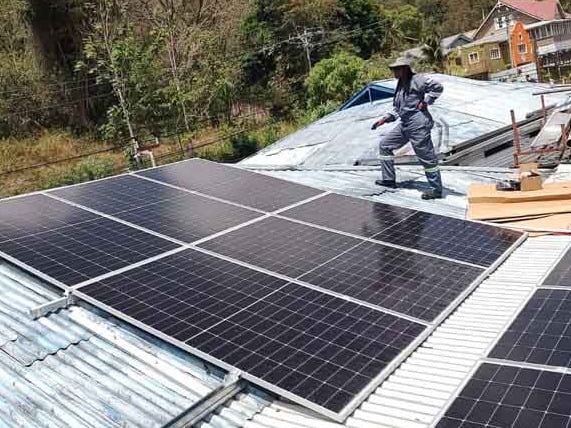
The 150kW solar PV energy storage system is an integrated solar-plus-storage solution built for commercial and industrial projects — factories, farms, warehouses, hotels, schools, supermarkets, cold storage and commercial buildings. During the day, the system generates solar power to run your equipment directly and cut what you buy from the grid; surplus energy is stored in the battery and released at night, during peak hours, or when the grid goes down. Paired with a 288kWh battery, the system both lowers your long-term electricity costs and keeps critical loads running when the grid is unstable.
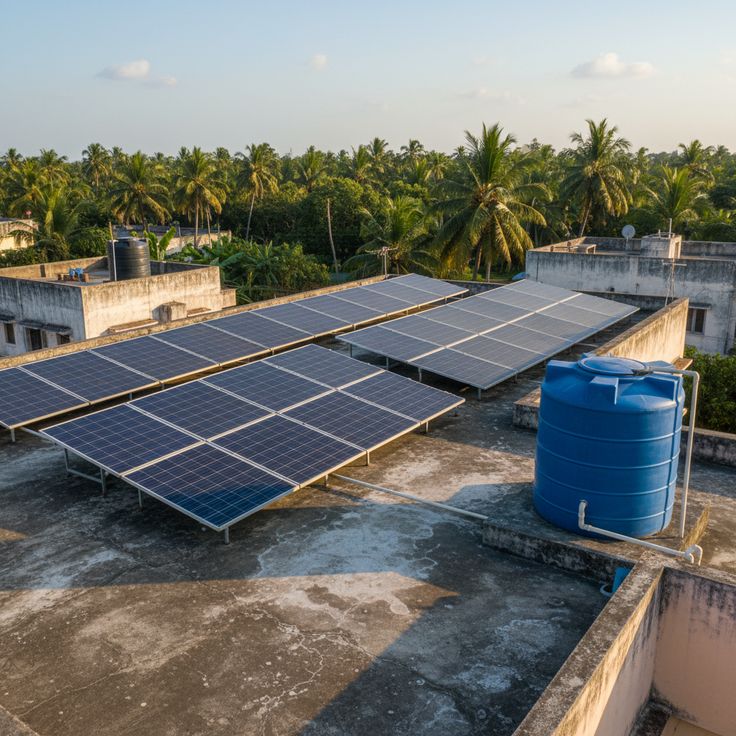
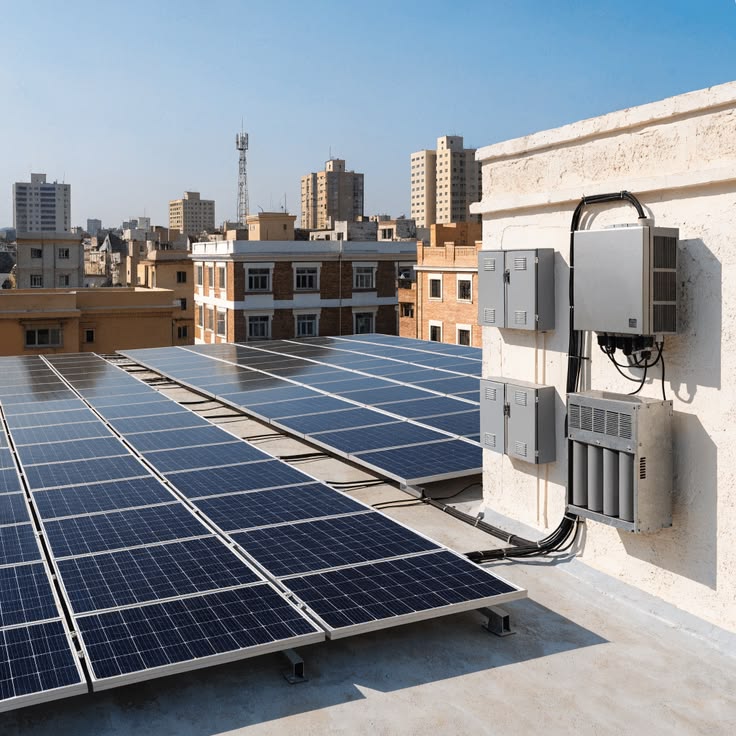
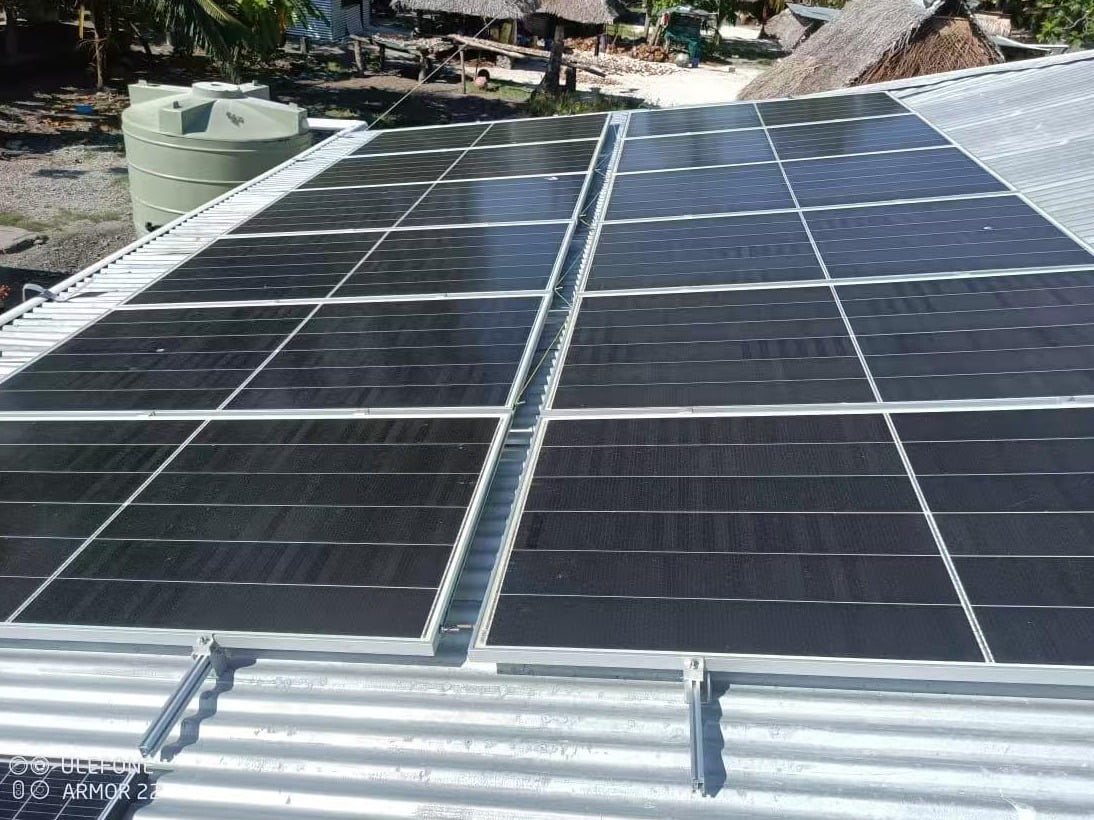
One thing to clarify up front: the 150kW in the name refers to the rated output of the inverter/PCS, not the total wattage of the solar panels. The number of panels is customizable to your project — for example, with 600W panels, 240 panels give you about 144kW of PV capacity. If your project needs more PV, the panel count can be increased to suit the design.
What's included in the system?
A complete 150kW solar-plus-storage system usually consists of:
|
Component
|
Function
|
|
Solar panels
|
Generate power during the day
|
|
150kW inverter/PCS
|
Convert solar and battery power into usable electricity (standard three-phase output, suited to C&I use)
|
|
288kWh battery storage
|
Store energy and release it when needed (lithium battery — long life, high efficiency, low maintenance)
|
|
Mounting structure
|
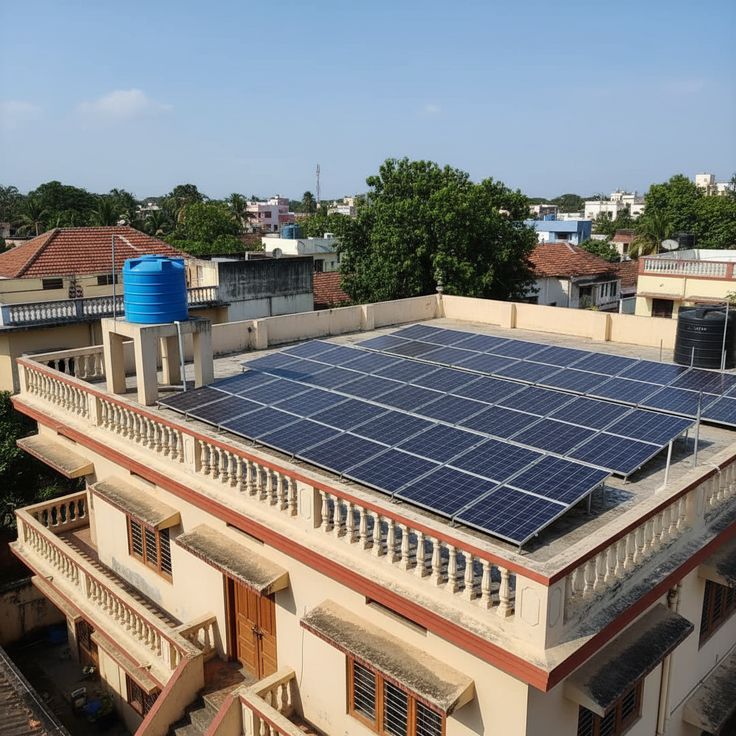
Supports ground, flat-roof or pitched-roof installation
|
|
PV combiner box
|
Consolidates panel strings for easier protection and maintenance
|
|
PV cables and connectors
|
Connect panels, inverter and storage
|
|
Monitoring system
|
View generation, battery level and system status
|
|
Installation accessories
|
Grounding, switches, protection devices and other materials
|
Which projects is it suitable for?
A 150kW rating plus 288kWh of storage covers most small-to-mid commercial and industrial loads. Here's how it helps by sector:
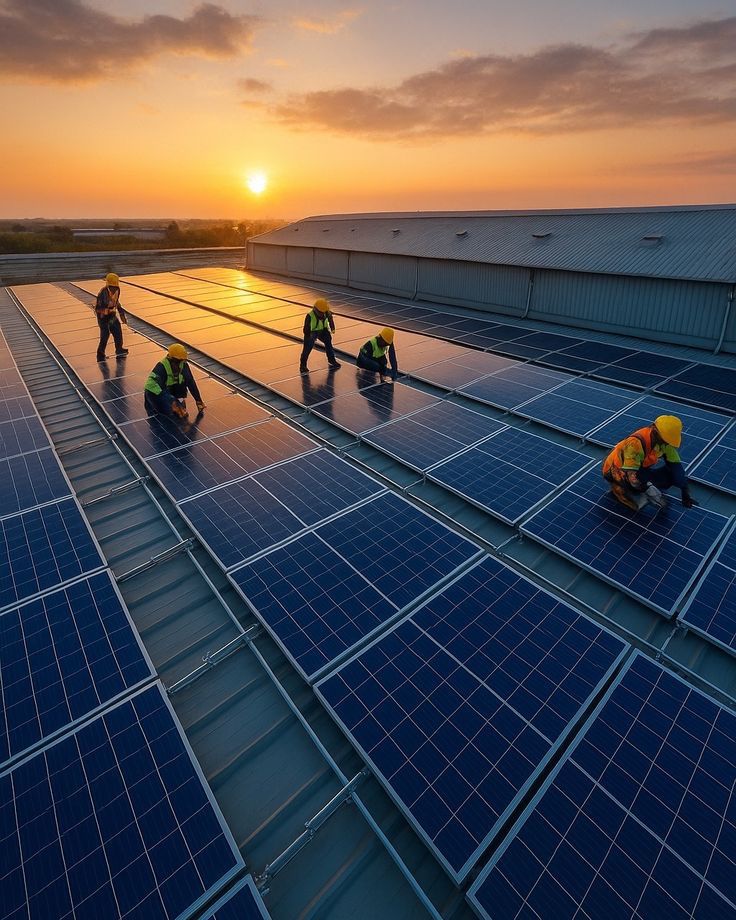
Factories Suited to small and mid-size factories and workshops — lighting, fans, air compressors, packaging equipment, control systems, office equipment and part of the production line. Factories with long daytime operating hours benefit most from cutting grid usage with solar.
Warehouses Warehouse roofs usually offer large surface area, ideal for panels. The system can power warehouse lighting, ventilation, monitoring, office areas and some charging equipment.
Farms Suited to farms, livestock operations, irrigation and agricultural processing — water pumps, irrigation systems, ventilation, refrigeration, livestock equipment and lighting.
Hotels Suited to hotels, resorts and guesthouses — common-area lighting, water pumps, kitchen equipment, laundry, networking, monitoring and part of the air-conditioning load.
Cold storage Suited to food storage, cold-chain and cold-room projects — part of the refrigeration load, lighting, control and monitoring systems. For cold storage, pay close attention to compressor power, startup current and required backup time.
Schools Suited to schools, training centers and public buildings. School daytime usage aligns well with solar generation — classroom lighting, office power, computers, projectors, networking, fans and part of the AC load.
Supermarkets Suited to supermarkets and convenience stores — lighting, refrigerated cabinets, POS systems, monitoring, ventilation and office equipment.
Commercial buildings Suited to office buildings, commercial centers and public buildings — lowers common-area and office energy costs while supporting lighting, office equipment, networking, security, ventilation and part of the AC load.
What equipment can the 150kW system run?
How much it can run depends on equipment power, run time, battery level, solar generation and system design. Common references:
|
Equipment type
|
Reference power
|
Suitable?
|
|
Factory or warehouse lighting
|
20–40kW
|
Yes
|
|
Office equipment, computers, network
|
10–25kW
|
Yes
|
|
Water pumps / irrigation pumps
|
30–75kW
|
Yes — check startup current
|
|
Cold storage / refrigeration
|
40–100kW
|
Yes — check compressor power
|
|
Small production line
|
50–120kW
|
Yes — check equipment list
|
|
Hotel common-area load
|
50–150kW
|
Depends on actual load
|
|
Commercial EV charging
|
60–150kW
|
Depends on charger count and power
|
|
Monitoring, network, emergency lighting
|
10–50kW
|
Yes
|
|
Large HVAC systems
|
Over 100kW
|
Needs separate assessment
|
|
Heavy industrial equipment
|
Over 150kW
|
Usually needs a larger system
|
Important note: for water pumps, air compressors, refrigeration compressors, AC units and production equipment, don't look at rated power alone — also account for startup current and the number of devices running at the same time. These two factors often determine whether the system can drive the load reliably.
How long does the 288kWh battery last?
288kWh is how much energy the battery can store. The larger the load, the shorter the runtime; the smaller the load, the longer it lasts. Estimated backup time by load:
|
Load
|
Estimated backup time
|
|
20kW
|
~12–14 hours
|
|
30kW
|
~8–10 hours
|
|
50kW
|
~5 hours
|
|
75kW
|
~3–4 hours
|
|
100kW
|
~2–3 hours
|
|
150kW
|
~1.5–2 hours
|
These are estimates. Actual runtime is affected by system efficiency, reserved battery capacity, ambient temperature, battery aging and load variation. For longer backup, power only critical equipment — lighting, monitoring, networking, water pumps, control systems or part of the refrigeration load.
Can it keep running during a power outage?
Yes — but backup functionality has to be designed in from the start. A standard grid-tied system won't necessarily keep supplying power when the grid goes down.
If you want the system to keep working during an outage, first decide which equipment must stay on (lighting, monitoring, networking, water pumps, cold storage, POS or control systems), then size the battery and distribution around the total power of those loads and the backup time you need. A few questions to settle before design:
|
Question to confirm
|
Why it matters
|
|
Which equipment needs backup
|
Determines what the battery powers
|
|
Total power of those loads
|
Whether 150kW output is enough
|
|
How many hours of backup
|
Whether 288kWh is enough
|
|
Automatic transfer needed?
|
Affects system design and cost
|
|
Which loads can be shed
|
Can extend battery runtime
|
How much power does it generate per day?
Daily generation depends on the project's country and city, sunlight conditions, panel count, tilt, shading, weather and system design. Because this system is named after its 150kW inverter output, actual generation also depends on the panel configuration — which is exactly why tools like NREL's PVWatts estimate output from a project's specific location and conditions rather than quoting a fixed daily figure.
A quick rule of thumb: daily generation ≈ PV capacity (kWp) × local peak sun hours × ~0.8 (system efficiency). So you can ballpark your own number once you know your PV size and local sunlight.
Worked example — 144kW PV (240 × 600W panels) in the Dominican Republic: The Dominican Republic averages roughly 1,600 kWh per kWp per year of usable PV yield. For a 144kW array, that works out to about:
|
Metric
|
Estimate
|
|
Daily average
|
~600–650 kWh/day
|
|
Per year
|
~220,000–240,000 kWh/year
|
|
Assumptions
|
Well-oriented panels, minimal shading, ~1,600 kWh/kWp/yr yield
|
In practice that means a sunny day's output can cover a large share of a warehouse running lighting, ventilation and some refrigeration through the day — and the surplus charges the 288kWh battery for use after sunset. Output runs higher in the dry, sunny months and lower during the cloudy/rainy season, so size the system to your real load rather than to a single peak day.
Sunnier, drier sites (e.g. parts of Jamaica or the southern Dominican Republic) can sit at the top of that range; cloudier or more shaded sites land lower. For a number tied to your exact location, we run it through PVWatts with your site conditions.
If you'd like us to estimate generation, please provide:
|
Information needed
|
Purpose
|
|
Country and city
|
Assess local sunlight
|
|
Roof or land area
|
How many panels can fit
|
|
Mounting method
|
Ground, flat roof or pitched roof
|
|
Any shading
|
Estimate generation losses
|
|
Monthly bill or usage
|
Whether the system matches
|
|
Main equipment
|
Estimate load size
|
|
Backup needed?
|
Whether battery capacity fits
|
Why choose a 150kW solar storage system?
- Generate power by day, buy less from the grid — directly lowers long-term electricity costs.
- 288kWh lithium battery — store surplus daytime power for use at night or during peaks.
- Supports critical loads — protects key equipment during outages or grid instability.
- Fits many project types — factories, farms, warehouses, hotels, schools, supermarkets, cold storage.
- Fully customizable — panel count, battery capacity and mounting can all be adjusted.
- Easy to manage — monitor generation, battery level and system status anytime.
150kW solar storage system: price reference
Solar-plus-storage has no single "sticker price" — the final figure depends on panel count, battery capacity, on-grid/off-grid mode, mounting method, country, and local logistics and installation costs. The ranges below are 2026 market references for early budgeting; the actual quote depends on your specific design.
First, distinguish two kinds of pricing:
- Turnkey (installed) price: In mature markets such as the US/Europe, a 150kW solar + storage system runs roughly US$150,000–$250,000 turnkey, including local labor, permits, interconnection and soft costs.
- Factory-direct equipment price (FOB): As a factory-direct exporter, Sunchees supplies mainly the equipment (panels, inverter/PCS, battery, mounting, accessories), not destination-country installation or permitting. The equipment-direct price is therefore well below the turnkey price, with installation handled by you or a local team.
Approximate cost breakdown (reference):
|
Component
|
Share of cost (ref.)
|
Notes
|
|
Battery storage (288kWh, LFP)
|
~40%–60%
|
Largest single cost; C&I storage runs ~US$180–550/kWh in 2026, lower for containerized/large-scale
|
|
Inverter/PCS (150kW)
|
~15%–25%
|
Second-largest hardware cost
|
|
Solar panels
|
Varies by config
|
~240 × 600W panels for 144kW PV; count is customizable
|
|
Mounting, combiner, cables, accessories
|
~10%–20%
|
Varies by ground/roof mounting
|
|
Logistics & local installation
|
Varies by country
|
Not included in factory-direct price
|
Actual pricing depends on the project quote. Send us your location, area, usage, grid mode and backup needs, and we'll provide a specific configuration and price.
How to buy (purchase options)
Sunchees is a solar system manufacturer based in Foshan, China, with its own factory, OEM/ODM support, and exports to 100+ countries. Common ways to buy a 150kW solar-plus-storage system:
|
Purchase option
|
Best for
|
Notes
|
|
Complete system (one-stop)
|
Buyers who want everything at once
|
Panels, inverter, 288kWh battery, mounting, combiner, cables, monitoring and accessories supplied together
|
|
Equipment only
|
Buyers who already have some components
|
Buy the inverter, battery or panels separately
|
|
OEM / ODM customization
|
Distributors and brands
|
Private label, project-specific configuration, specify preferred panel brand
|
|
Capacity tiers
|
Different project sizes
|
10kW, 20kW, 30kW … 100kW, 150kW up to 1MW
|
Key procurement and delivery details:
|
Item
|
Reference
|
|
Solar panels
|
600W high-efficiency modules (count customizable)
|
|
Battery
|
LiFePO4 lithium, 6,000+ cycle life
|
|
Output
|
Standard three-phase, suited to C&I use
|
|
Payment
|
30% deposit (T/T), 70% balance before shipment
|
|
Lead time
|
Typically ~7–15 days (by config and quantity)
|
|
Shipping port
|
Guangzhou / Foshan; FOB or CIF
|
|
Warranty
|
Longer warranty on panels; battery and inverter per manufacturer policy, with technical support
|
|
Service
|
Installation guidance, test guide and long-term technical support
|
How to choose: 150kW solar-plus-storage vs. the alternatives
A few comparisons buyers often weigh before ordering:
Factory-direct vs. local integrator vs. trading company
|
Factor
|
Factory-direct (e.g. Sunchees)
|
Local integrator
|
Trading company
|
|
Price
|
Lower, equipment-direct
|
Higher, includes local install
|
Marked up in the middle
|
|
Installation
|
You or a local team install
|
Provides local install + interconnection
|
Varies
|
|
Customization
|
OEM/ODM, project-specific
|
Limited to available products
|
Limited by supply channel
|
|
Warranty
|
Single-manufacturer, clear accountability
|
Fast local response
|
May mix multiple brands
|
|
Best for
|
Buyers with install capability / dealers
|
Local owners wanting turnkey
|
Buyers without direct sourcing
|
Solar-plus-storage vs. diesel generator
|
Factor
|
150kW solar + storage
|
150kW diesel generator
|
|
Best for
|
Long-term bill reduction, stable daytime power
|
Short-term emergencies, temporary rental
|
|
Running cost
|
Solar generation, low long-term cost
|
Continuous fuel burn, high cost
|
|
Noise / emissions
|
Quiet, zero emissions
|
Noise and exhaust
|
|
Upfront cost
|
Higher, pays back over time
|
Lower upfront, high ongoing fuel
|
Many customers combine the two: solar by day, battery at night, with the diesel generator only as a last-resort backup — sharply cutting fuel use.
Choosing battery capacity
288kWh is a common configuration, but not the only option. Size the battery up or down based on required backup time and critical load (e.g. 200kWh, 260kWh, 315kWh). Bigger loads and longer backup call for a larger battery.
Choosing system power
If your load regularly exceeds 150kW, or you plan to expand, consider 200kW, 300kW or larger; for smaller loads, 100kW or below may be more cost-effective. Size it to your actual peak demand.
150kW solar storage for the Caribbean
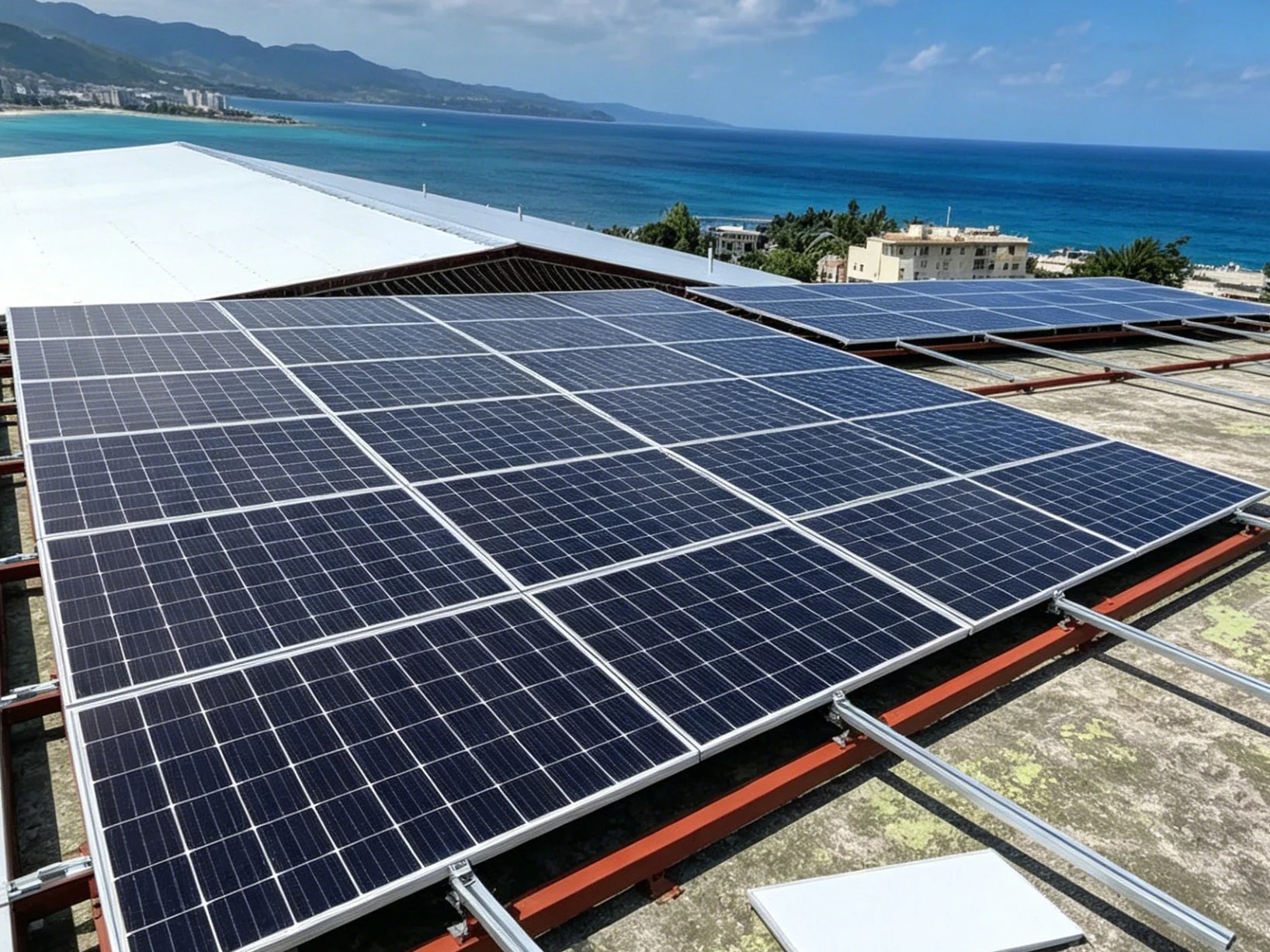
Since 2008, Sunchees has exported solar systems across 200+ countries in the Caribbean and Latin America, factory-direct, with bilingual EN/ES support and CIF delivery to regional ports (such as Caucedo and Río Haina). For Caribbean commercial and industrial projects, a 150kW solar-plus-storage system is especially well suited to sites with high electricity costs, frequent outages and hurricane exposure — generate solar by day, store the surplus in the 288kWh battery, and keep critical loads running through outages.
Points that matter most for Caribbean projects:
- Hurricane resilience: Most islands sit in the hurricane corridor; coastal projects should use Cat-4-rated mounting and structural design.
- Outage backup: With aging grids and frequent blackouts, the 288kWh battery's backup value stands out — prioritize lighting, monitoring, cold storage, POS and control systems.
- Self-consumption + storage: Some countries cap commercial net metering / net billing at 25–100kW, and a 150kW system often exceeds the export cap — so the better strategy is self-consumption + storage rather than relying on grid export.
- Import tax exemptions: Many countries waive import duty and VAT on solar equipment (e.g. the Dominican Republic's Law 57-07 and Zonas Francas), significantly lowering landed cost.
- Voltage standards: Jamaica, the Dominican Republic, the Bahamas and Puerto Rico are mostly 120/240V split-phase; Barbados is 230V single-phase — choose the right inverter standard.
Countries we serve
Check your country for localized configurations, electricity rates, net-metering policy and port details:
Don't see your country? See all Caribbean solutions or contact us for a quote.
Related systems & further reading
If 150kW isn't an exact fit for your project, explore these related Sunchees solutions and product pages:
By application
By system type / component
Procurement & logistics
Get your 150kW solar storage system quote
If you're sourcing a solar storage system for a factory, farm, warehouse, hotel, school, supermarket, cold storage or commercial building, send us your project details and we'll recommend a configuration based on your actual energy use.
To get a faster quote, please provide:
|
Project info
|
Example
|
|
Project location
|
Country and city
|
|
Install location
|
Roof, ground, flat roof, pitched roof
|
|
Available area
|
Roof or land area
|
|
Monthly usage
|
Electricity bill or kWh
|
|
Main equipment
|
Pumps, lighting, cold storage, machinery, AC, etc.
|
|
Backup needed?
|
Which loads, and for how long
|
|
Grid mode
|
Grid-tied or with backup function
|
|
Procurement plan
|
Expected install timing
|
With this information, we'll design a complete configuration — 150kW inverter, 288kWh battery storage and solar panels.
Frequently asked questions
What does 150kW mean?
Here, 150kW refers to the rated output of the inverter/PCS, not the total wattage of the panels.
How many kW is 240 × 600W panels?
About 144kW of PV capacity. Panel count is customizable to the project.
Can it power an entire factory?
It depends on the factory's equipment power and run time. Small-to-mid loads are supportable; large equipment needs a separate calculation.
How long does the 288kWh battery last?
It depends on the load — smaller loads last longer, larger loads shorter. See the backup-time table above.
Can I use it at night?
Yes. Panels don't generate at night, but the battery releases the energy stored during the day.
Can it run during a power outage?
Yes, but backup functionality has to be designed in. A standard grid-tied system won't necessarily support outage power.
Is it customizable?
Yes. Panel count, battery capacity, mounting type, cable length and system design can all be customized.
Is it suitable for cold storage?
Yes, but confirm compressor power, startup current and required backup time.
Is it suitable for EV charging?
It can support some commercial charging projects, depending on charger count and power.
What information do you need for a quote?
Project location, install area, electricity bill, main equipment, backup needs and grid requirements.
Roughly how much does a 150kW solar storage system cost?
There's no single sticker price. In mature markets, a turnkey installed system runs about US$150,000–$250,000; factory-direct equipment (excluding local install and permits) is significantly lower. The final figure depends on battery capacity, panel count, mounting and country — request a project quote.
How does Sunchees handle payment and shipping?
Typically 30% deposit (T/T), 70% balance before shipment, lead time ~7–15 days, shipped from Guangzhou/Foshan, FOB or CIF.
Can you ship to Caribbean countries?
Yes. Sunchees exports to 200+ countries, with CIF delivery to major Caribbean ports (such as Caucedo and Río Haina in the Dominican Republic) and bilingual EN/ES support. See local solutions by country: Jamaica, Dominican Republic, Trinidad & Tobago, Barbados, Puerto Rico and more — or see all Caribbean countries.
Can I buy equipment only and install it myself?
Yes. Sunchees is factory-direct — buy the complete system or just the inverter, battery or panels, with installation guidance and technical support provided.
What does a 150 kW solar system include?
| Item |
Model |
Description |
Quantity |
| 1 |
Solar Panel |
Mono 600W Longji |
240 pieces or Customized |
| 2 |
Commercial Energy Storage System |
150kw 288kWh energy storage system |
1PCS |
| 4 |
Mounting Support |
Ground or Slope roof or Flat roof optional |
240 sets or Customized |
| 5 |
Cables and others |
6mm2 PV cable 200M |
Customized |
| MC4 terminal connectors |
| battery cable |
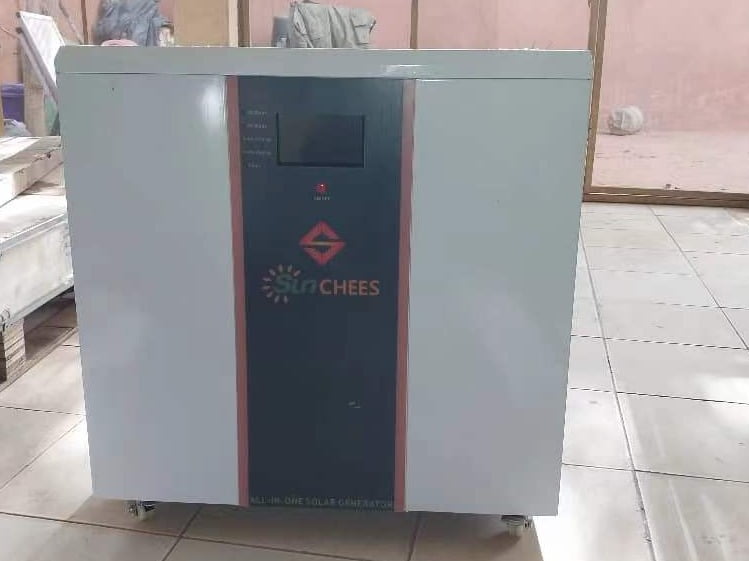
150kW Solar Energy Storage Cabinet
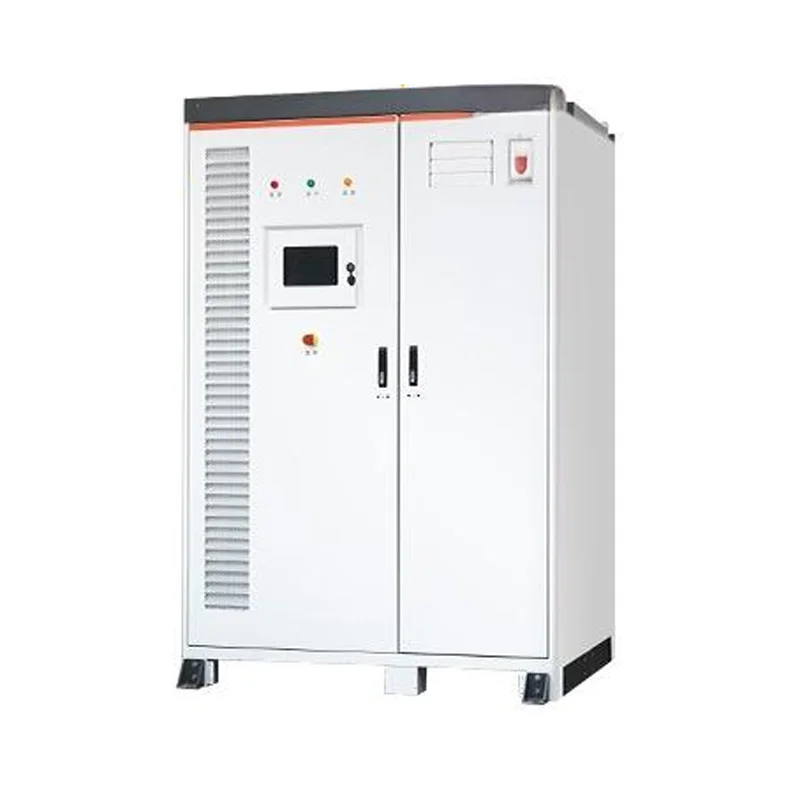
The energy storage project is expected to be mainly based on energy storage in the energystorage project area. The energy storage power is located on the low-voltage side of the photovoltaicproject booster station, and the project is introduced through municipal electricity and related energysources, such as photovoltaic, diesel generator, wind power, etc., to achieve comprehensiveutilization and maximum efficiency of energy.
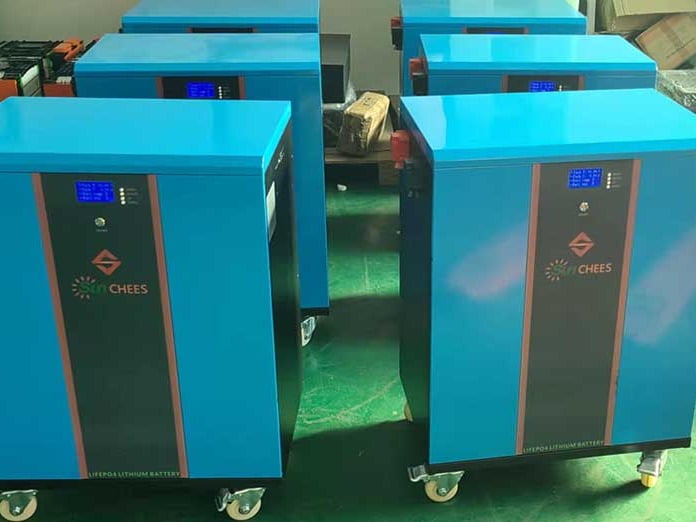
The energy storage system of the DC battery energy storage cabinet is an organic equipmentintegrating multiple subsystems such as lithium iron phosphate battery cluster, battery managementsystem (BMS), gas fire extinguishing system and environmental control system to realize energyscheduling.



 Whatsapp :
 Home
Home


 Case
Case
 Mar 21,2022

 Tel
Tel
 Email
Email
 Address