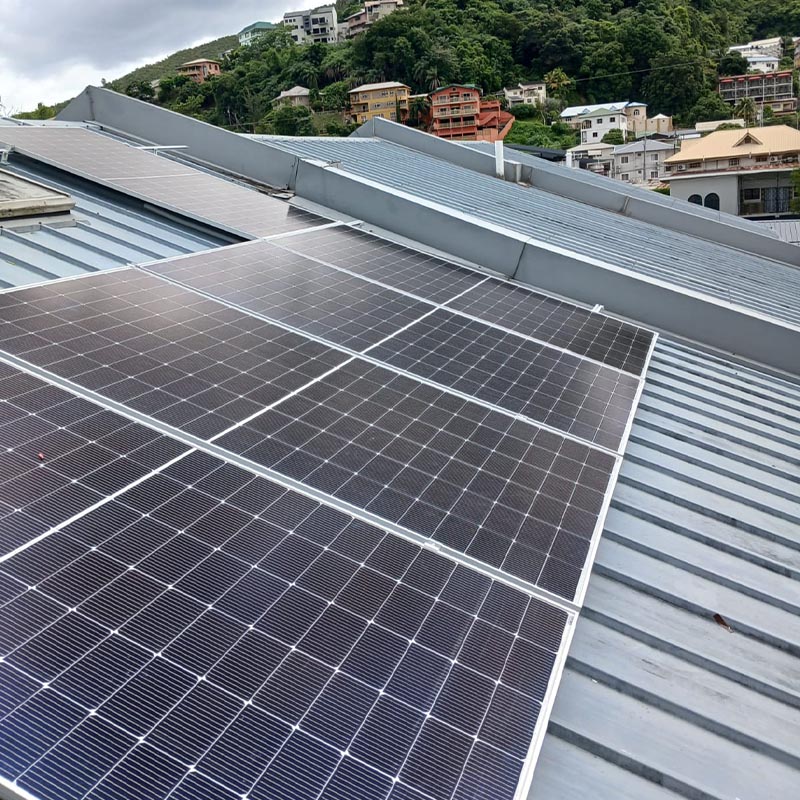
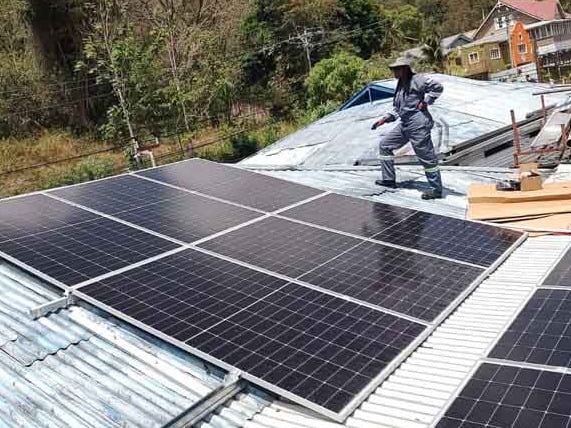
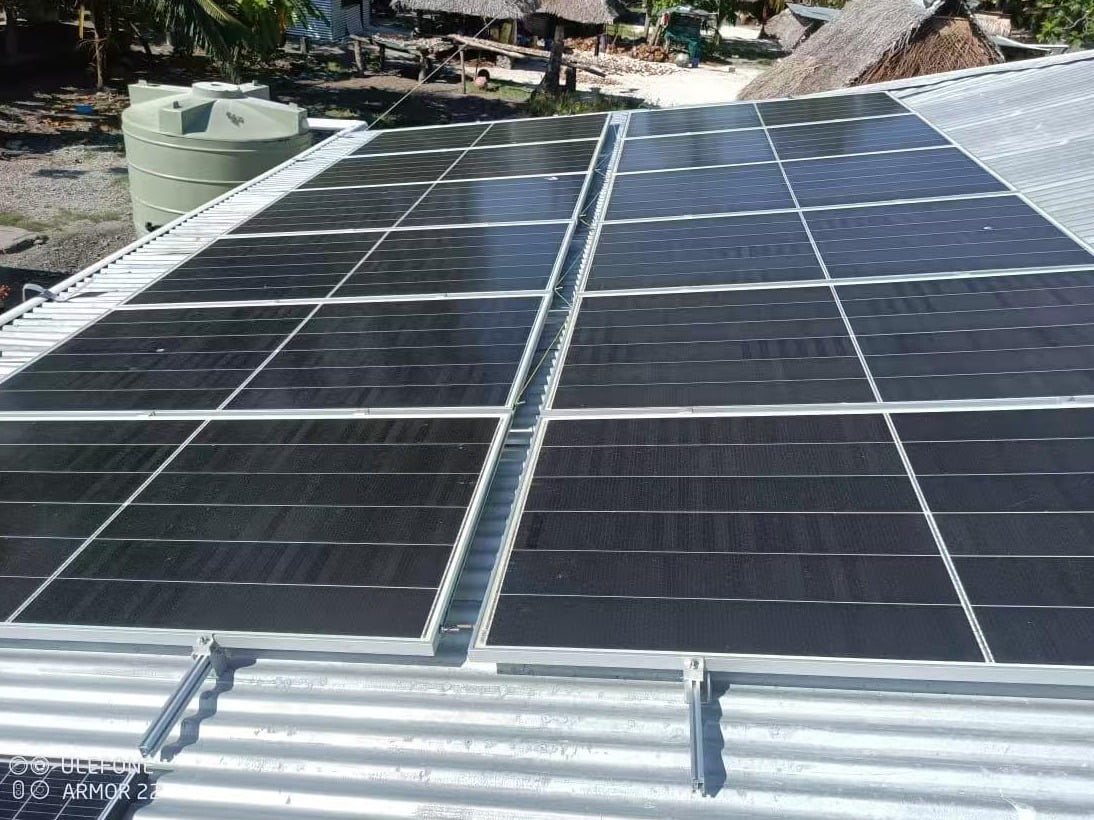
A modern 500kW solar system is typically a ~480kWp photovoltaic (PV) array paired with a 500kW solar inverter and a battery — in the configuration described here, 500kW output backed by 2.5MWh of lithium storage. On a good Caribbean site it generates roughly 600–850 MWh per year, needs 0.4–1.5 acres (or ~27,000–38,000 sq ft of roof), and can anchor the energy needs of a mid-size factory, hotel, farm, or public building. Indicative 2026 turnkey pricing for a solar-plus-storage build of this size lands in the low-single-digit US$1M–2M range before site, shipping, and import costs — with the exact 500kW solar power plant cost driven by racking type, electrical scope, battery size, and location.
What Is a 500kW Solar System?
A "500kW solar system" is usually named after its AC output / inverter rating, not its exact panel wattage. The build discussed throughout this article is:
|
Component
|
Specification
|
|
PV array
|
~480 kWp (≈ 800 modules)
|
|
Inverter
|
500kW solar inverter (AC output)
|
|
Storage
|
500kW / 2.5MWh lithium battery
|
|
Best described as
|
"480kWp PV + 500kW/2.5MWh C&I storage microgrid"
|
Note that storage does not increase how much energy you generate. A battery shifts midday solar to the evening, night, or an outage — it does not add kilowatt-hours to the array.
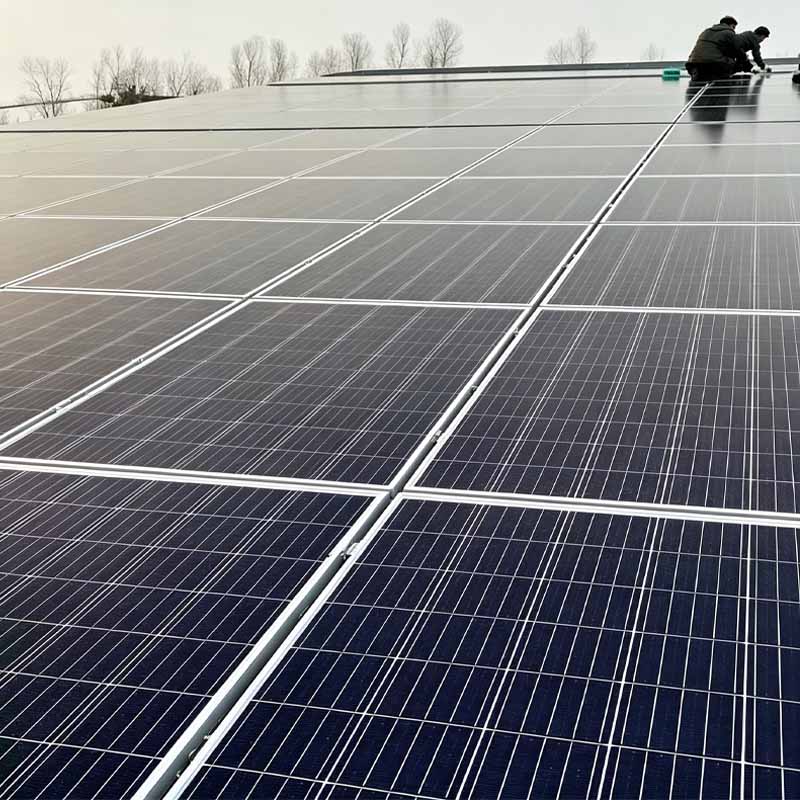
How Much Land Does a 500kW Solar System Need?
Footprint depends on module size, mounting type, and how much room you leave for access, transformers, and storage.
Net module area (panels only):
|
Module reference
|
Single-panel area
|
~800 modules (net)
|
|
Given module size (2.115 m × 1.052 m)
|
2.225 m²
|
~1,780 m²
|
|
Common 600W LONGi (2.278 m × 1.134 m)
|
2.583 m²
|
~2,066 m²
|
Real project footprint (including spacing and balance-of-system):
|
Installation scenario
|
Estimated area
|
Imperial equivalent
|
|
Compact flat-roof mount
|
~2,500–3,500 m²
|
27,000–38,000 sq ft
|
|
Ground mount, fixed tilt
|
~4,000–6,000 m²
|
0.4–0.6 ha (≈ 1.0–1.5 acres)
|
|
Ground mount + access roads + fence + transformer + storage zone
|
Reserve 5,000–8,000 m²
|
—
|
|
Single-axis tracker
|
~7,000–10,000 m²
|
(wider row spacing)
|
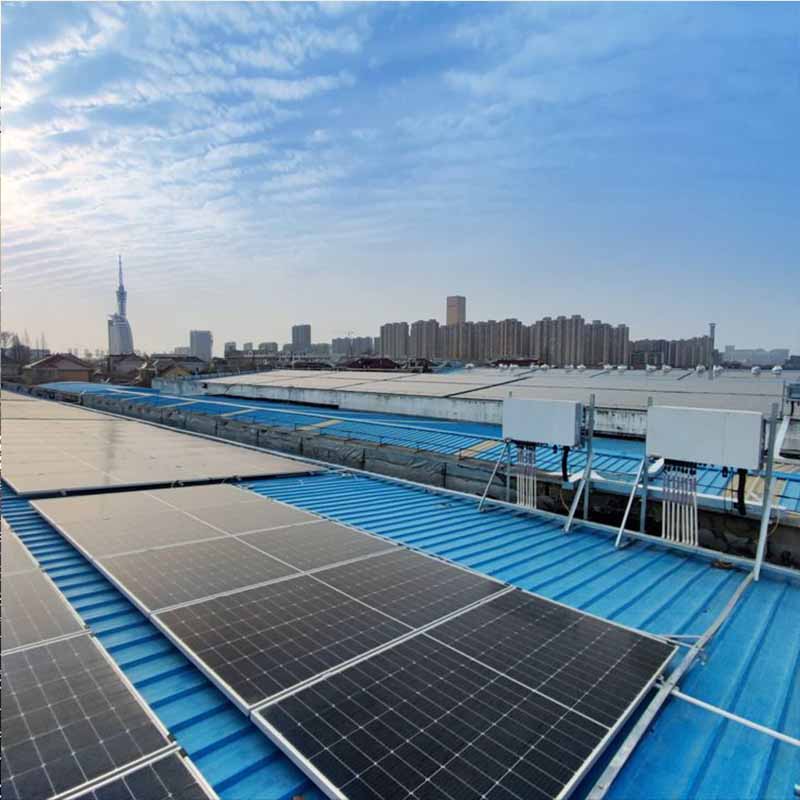
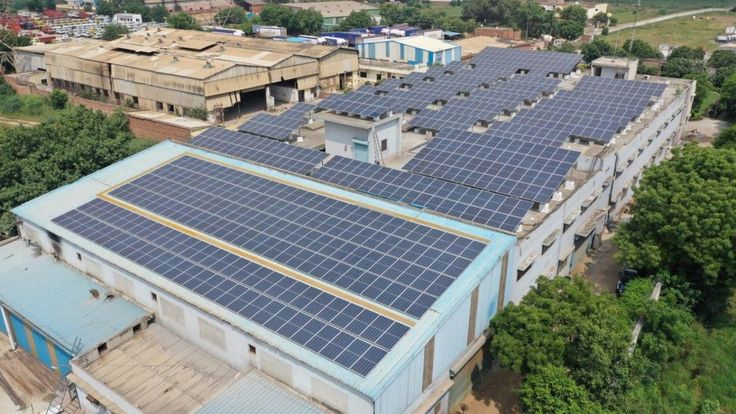
Cross-check against national benchmarks. Lawrence Berkeley National Laboratory (LBNL) data on US utility-scale PV puts 2019 fixed-tilt median power density at roughly 0.35 MW-dc/acre — about 2.8 acres per MW-dc for fixed-tilt and ~4.2 acres per MW-dc for single-axis tracking. Applied to a 480kWp array, fixed-tilt works out to about 1.34 acres, matching the 5,000–6,000 m² range above. A real reference point: a 500kW rooftop system in Wilmington, North Carolina used roughly 35,000 sq ft of roof.
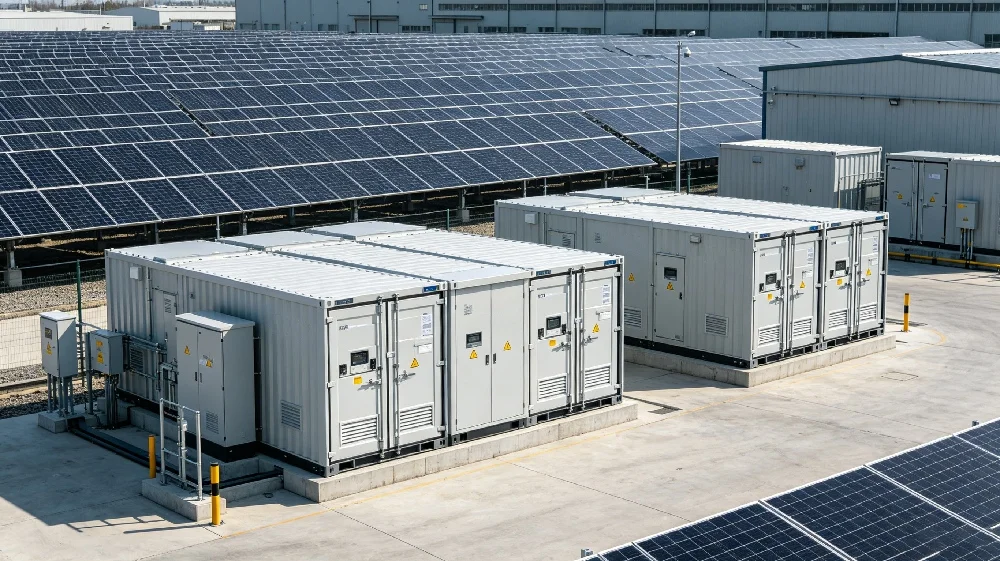
Storage footprint is small — clearances are not. The battery cabinet itself (≈ 6.06 m × 2.44 m) occupies only about 15 m². Once you add fire separation, maintenance aisles, the PCS, transformer, switchgear, and a vehicle path, reserve 80–200 m² for the storage compound.
How Much Power Does a 500kW Solar System Generate?
Using Jamaica as a worked example, the Global Solar Atlas reports a specific yield (PVOUT) of about 3.44–4.85 kWh per kWp per day — the World Bank's data catalog confirms the dataset carries long-term average PVOUT, GHI, and DNI layers for Jamaica.
For the 480kWp array that translates to:
|
Metric
|
Estimate (Jamaica)
|
|
Daily generation
|
~1.65–2.33 MWh/day
|
|
Annual generation
|
~600–850 MWh/year
|
|
Usable battery (2.5MWh @ 90% DoD)
|
~2.25 MWh
|
|
500kW output run-time on a full battery
|
~4.5–5 hours (before inverter losses)
|
What Can a 500kW Solar System Power? Loads by Scenario
Factories & Light Industry
Best fit: small-to-mid manufacturing, food processing, cold storage, packaging lines, warehousing, plastics, and light-industrial workshops.
|
Load
|
Feasibility
|
|
200 kW continuous daytime load, 8–10 hrs
|
Strong match; clear-sky self-consumption is high
|
|
250 kW production line, 8 hrs (~2 MWh)
|
Close to daily PV yield
|
|
100 kW cold store + 100 kW compressor/pumps + 50 kW lighting/office
|
Reasonable
|
|
500 kW continuous, 24 hrs (needs ~12 MWh/day)
|
Not suitable as sole supply — far exceeds daily output
|
The sweet spot for factories is peak shaving, demand-charge reduction, daytime self-consumption, critical-load backup, and diesel fuel savings. For sites with heavy night shifts, 2.5MWh of storage becomes especially valuable.
Small IPP / Community Solar
At 500kW, this is not a "large power plant" — it behaves more like community solar, a village microgrid, a commercial grid-tie plant, or a small IPP. It can:
- Export up to ~500kW peak to the grid
- Produce ~0.6–0.85 GWh per year
- Deliver ~500kW for roughly 5 hours of evening peak from storage
- Provide peak shaving, curtailment absorption, and frequency/voltage support
Public Buildings
Best fit: schools, hospitals, government offices, emergency shelters, water treatment plants, airport ground facilities.
|
Load combination
|
How it's supported
|
|
School/government building, 150–300 kW daytime
|
PV covers most daytime load directly
|
|
Hospital critical load, 100 kW
|
Battery can support ~20 hours-class runtime; design around UPS/generator handoff
|
|
Water pump station, 250 kW for 6–8 hrs
|
High daytime PV compatibility
|
|
Emergency shelter — lighting, comms, refrigeration, light AC (50–100 kW)
|
High storage value
|
Public buildings prioritize uptime during outages over raw generation.
Hotels & Resorts
Jamaica's energy ministry has noted that hotels and tourism face high electricity costs from lighting and air-conditioning demand, with power reaching around 10% of revenue for some properties. A 500kW solar system suits a mid-size hotel of 80–150 rooms, or a partial-load system for a larger property. It can typically carry:
- Guest-room and public-area lighting
- Part of the chiller / VRF air-conditioning load
- Pool pumps and hot-water circulation
- Part of the kitchen load
- Off-peak laundry operation
- Front desk, network, cold storage, fire pumps, and some room AC during outages
For a resort peaking at 800kW–1.5MW, this system won't cover everything — but it can offset 20–40% of daytime energy or serve as a critical-load backup.
Farms & Agriculture
Best fit: irrigation, cold storage, poultry/livestock ventilation, dairy cooling, water pumping, feed processing.
|
Farm load
|
Estimate
|
|
5 × 50 kW irrigation pumps, 6 hrs (~1.5 MWh)
|
Largely coverable on clear days
|
|
80 kW cold store, continuous
|
Battery theoretically ~28 hrs (derate for efficiency & inrush)
|
|
200 kW processing line, 8 hrs (~1.6 MWh)
|
Good daytime fit
|
|
Remote farm diesel-hybrid
|
Can sharply cut generator run-hours
|
The most realistic win on farms is matching load to sunshine — especially irrigation and the cold chain.
500kW Solar Inverter and Storage: How the System Is Configured
The 500kW solar inverter sets the AC output ceiling, defines grid-interaction behavior, and (in hybrid designs) coordinates with the battery's PCS. When comparing a 500kW solar inverter, the specifications that actually change project outcomes are:
|
Specification
|
Why it matters
|
|
Topology (string vs. central)
|
Affects redundancy, maintenance, and per-watt cost at 500kW scale
|
|
Grid-code & protection compliance
|
Determines whether utility interconnection is approved
|
|
Hybrid / storage coordination
|
Governs how cleanly solar, battery, and grid hand off
|
|
EMS logic
|
Controls peak shaving, self-consumption, and backup priorities
|
|
Environmental rating
|
Critical for humid, salt-air, hurricane-exposed Caribbean sites
|
A practical advantage of a single-vendor 500kW solar inverter + battery + panel stack is compatibility: when the inverter, PCS, battery, and controller are engineered together, you remove the integration risk of mixing third-party brands — which typically means fewer faults and more predictable field behavior.
500kW Solar Power Plant Cost: What Drives the Budget in 2026
There is no single 500kW solar power plant cost — it's a range built from a few drivers.
PV hardware + installation (2026 commercial benchmarks). Independent 2026 market data places commercial solar at roughly $1.10–$1.90 per watt-DC installed, with larger systems (500kW–2MW) trending toward the lower end and the SEIA / Wood Mackenzie commercial benchmark sitting near $1.71/W-dc. Applied to a 480kWp array, the PV portion indicatively runs ~US$530,000–$910,000.
Battery storage. Commercial-and-industrial (C&I) battery systems in 2026 commonly land between $180–$450/kWh installed for containerized/large formats. For 2.5MWh (2,500 kWh) that implies roughly ~US$450,000–$1,125,000, depending on chemistry, duration, and integration.
Putting it together (indicative only):
|
Cost component
|
Indicative 2026 range
|
|
PV (480kWp)
|
~$530k–$910k
|
|
Storage (2.5MWh)
|
~$450k–$1,125k
|
|
Turnkey solar-plus-storage (pre-site)
|
~$1.0M–$2.0M
|
|
Caribbean adders
|
Shipping, import duty, corrosion/wind hardening, interconnection
|
Caveats that move the number:
- Per-watt benchmarks are US-market figures; shipping, import duties, and local labor shift Caribbean pricing.
- US incentives (e.g., the 30% federal ITC) do not apply outside the US — evaluate local incentive programs instead.
- Racking and electrical scope drive most variation — a simple flat-roof layout costs far less than a tracker ground-mount with heavy interconnection work.
Treat the figures above as a budgeting frame, not a quote — a site-specific single-line design is the only way to price it accurately.
Real 500kW Solar System Projects (US & Jamaica)
|
Region
|
Project
|
Notes
|
|
Jamaica
|
UWI/LASCO PV+ Pilot
|
LASCO's St. Catherine facility runs a 500kW PV system with storage; Cadmus documentation describes 500kW PV + 1,064 kWh battery, supporting facility operations, research, and training.
|
|
Jamaica
|
Central Village Multi-Purpose Centre (10kW hybrid)
|
Delivered alongside the LASCO 500kW project for resilient community-centre power.
|
|
US — Kentucky
|
LG&E/KU Solar Share 500kW section
|
Solar Alliance built a 500kW block, with the site planned for multiple 500kW sections totaling 4MW.
|
|
US — Alaska
|
New Stuyahok Solar-Battery Project
|
DOE materials show 500kW PV + 540 kWh battery + microgrid controller for a remote village.
|
|
US — North Carolina
|
South Atlantic Services 500kW rooftop
|
500kW rooftop PV using roughly 35,000 sq ft of roof.
|
Why a 500kW Solar System Matters for Caribbean Countries
The Caribbean sites that benefit most share a profile: high electricity prices, heavy imported-fuel dependence, elevated outage risk, and tourism/cold-chain/water loads. The World Bank notes that many Caribbean nations rely on expensive imported fossil fuels for over 85% of generation; for the Eastern Caribbean it puts fossil-fuel dependence above 90%, contributing to very high tariffs in Grenada, Saint Lucia, and Saint Vincent and the Grenadines. Five practical implications:
- Cutting diesel and fuel-oil imports. Jamaica's energy ministry describes an energy system heavily dependent on imported fossil fuels, with oil imports exceeding 90% of energy use. A system like this displaces daytime diesel/HFO generation or grid purchases.
- Keeping critical services running after outages. SEforALL notes that solar mini-grids can sustain services such as healthcare when the central grid fails — a decisive advantage on hurricane-exposed islands.
- Supporting tourism and commercial competitiveness. Hotels, cold stores, beverage/food plants, water utilities, and port warehousing are all electricity-price-sensitive. A 500kW/2.5MWh system is enough to become the core energy asset of one hotel, factory, or public facility.
- Advancing renewable-energy targets. Jamaica targets 50% renewables in its electricity mix by 2030 (~520MW of renewable capacity). Multiple replicable 500kW-class C&I projects deploy faster than a single large plant.
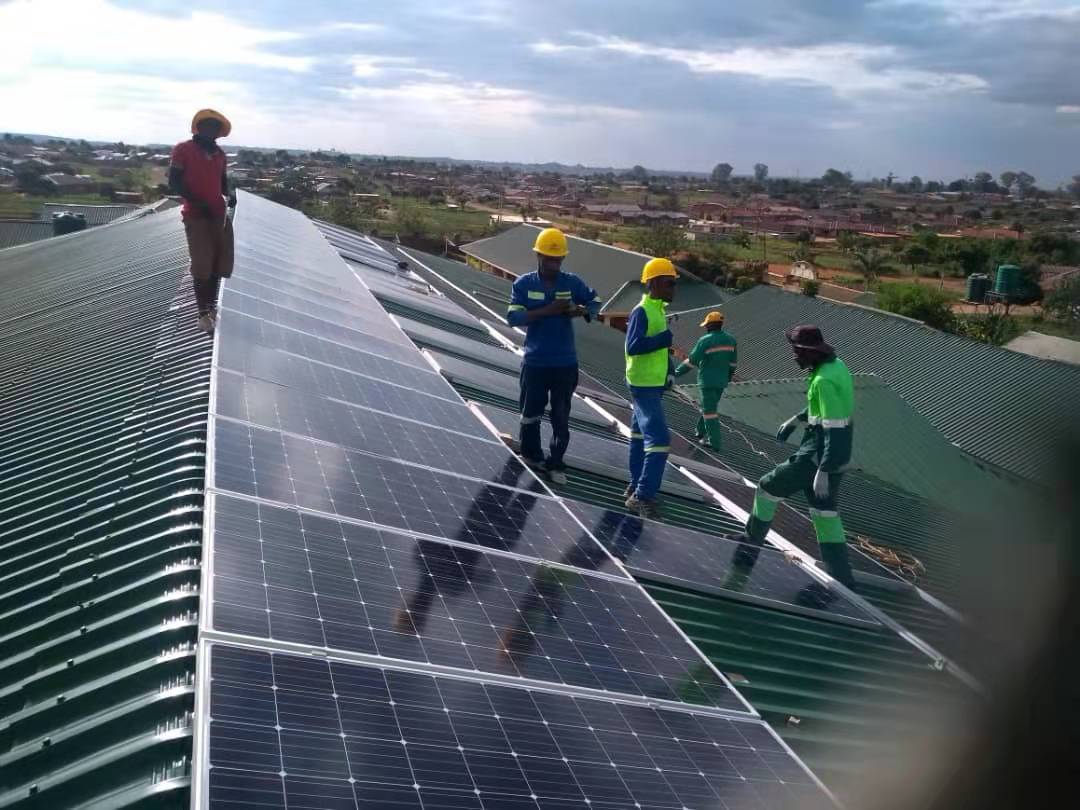
- Building local capability. The UWI/LASCO project is positioned as a research and training site for Jamaican solar professionals — evidence that 500kW-class projects double as platforms for EPC, O&M, fire-safety, electrical-safety, and storage-dispatch skills.
Preliminary conclusion: this configuration is best defined as a "480kWp PV + 500kW/2.5MWh C&I storage microgrid," ideally suited to Caribbean factories, warehousing, food/beverage and cold chain; hotel and resort peak-shaving plus backup; public buildings, schools, hospitals, and water plants; farm irrigation and cold storage; and diesel-hybrid microgrids in off-grid or weak-grid areas.
How to Specify It Correctly
A credible supplier should provide the documentation that de-risks the project. For this system, Sunchees supplies: the single-line diagram, PCS model certificates, UL/IEC certificates, battery-cluster voltage configuration, fire-protection plan, grid-interconnection protection, EMS logic, thermal-management design, and Caribbean-specific wind-resistance and anti-corrosion specifications. Insist on all of these before signing.
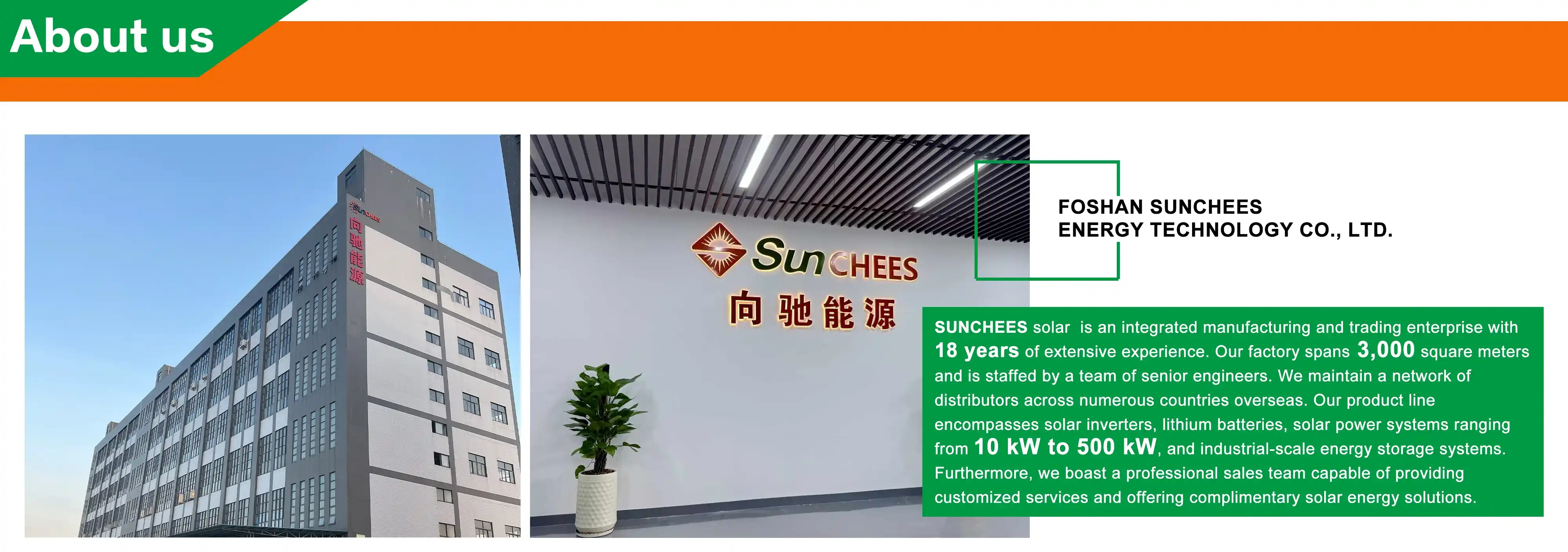
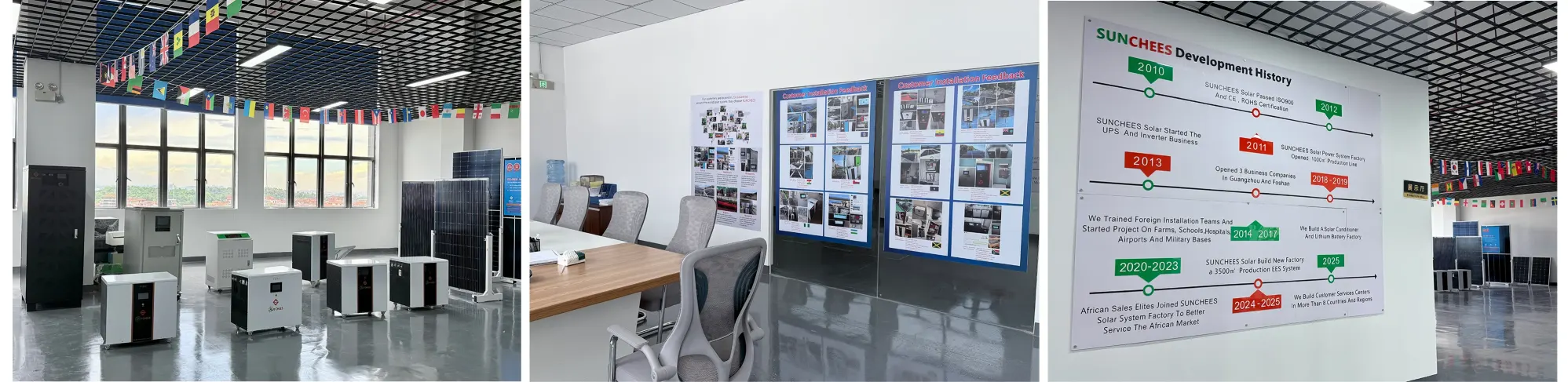
About Sunchees
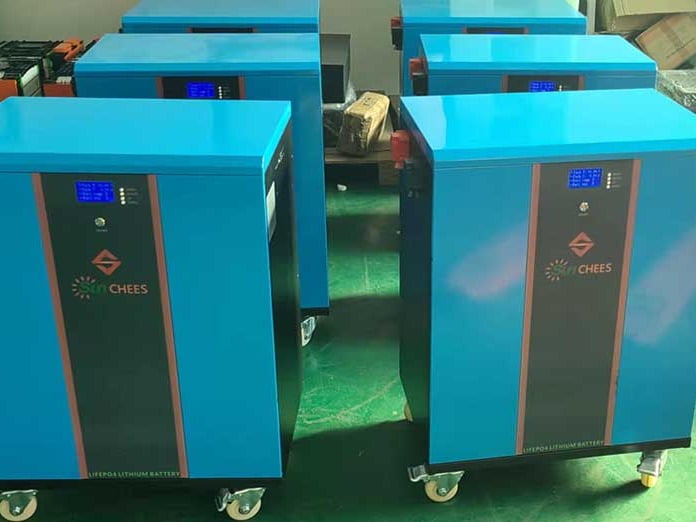
Sunchees builds its own inverters and lithium batteries in-house, so every component in the stack is 100% compatible — no dependence on mixing third-party brands, which means greater system stability and a lower fault rate.
| |
|
|
Founded
|
2008
|
|
Headquarters
|
Foshan, Guangdong, China
|
|
Core technology
|
In-house R&D inverters + lithium batteries; fully compatible system architecture
|
|
Customization
|
OEM supported; can specify panel brand; custom solar systems and solar-AC solutions
|
|
System lifespan
|
Up to 25 years
|
|
Installation support
|
Full remote installation guidance; free on-site engineer dispatch for single systems above 50kW
|
|
Sample lead time
|
1–10 sets: 5–7 working days
|
|
Bulk lead time
|
20–100 sets: 10–20 working days
|
|
Delivery guarantee
|
On-time delivery regardless of order size; 5% penalty on contract value for late delivery
|
|
Production tracking
|
Dedicated staff provide regular production-progress updates
|
|
After-sales
|
Customer-satisfaction follow-up after every contract
|
|
Warranty
|
Panels: 10-yr (free replacement for quality defects) · Lithium batteries: 3-yr (free replacement for leakage/deformation) · Inverters/controllers/combiner boxes: 2-yr (free PCB replacement)
|
|
Markets
|
200+ countries and regions; focus on Caribbean & Latin America
|
|
Key countries
|
Jamaica, Costa Rica, Guyana, Dominican Republic, Ecuador, Trinidad and Tobago, Guam, Saipan
|
|
Applications
|
Residential and commercial off-grid/hybrid; scalable from 30kW to 1MW
|
Sunchees is active on Instagram, TikTok, YouTube, and Facebook.
500kW Solar System FAQ
Q: How much energy does a 500kW solar system produce per year?
A: On a Caribbean site like Jamaica (PVOUT ~3.44–4.85 kWh/kWp/day), a 500kW solar system built on a ~480kWp array generates roughly 600–850 MWh per year, or about 1.65–2.33 MWh on a typical day. Storage shifts that energy across the day but does not add to the annual total.
Q: What does a 500kW solar inverter actually do in this system?
A: The 500kW solar inverter sets the system's AC output ceiling and manages grid interaction; in a hybrid build it coordinates with the battery PCS and EMS to prioritize self-consumption, peak shaving, and backup. Choosing a 500kW solar inverter engineered together with the battery and panels reduces integration faults compared with mixing third-party brands.
Q: What is a realistic 500kW solar power plant cost in 2026?
A: Indicatively, the PV portion runs ~$530k–$910k and 2.5MWh of storage ~$450k–$1,125k, for a pre-site turnkey range of roughly US$1.0M–$2.0M. Final 500kW solar power plant cost depends on racking type, electrical scope, battery size, shipping, import duties, and local interconnection — a site-specific single-line design is required to quote it.
Q: How much land does a 500kW solar system need?
A: About 27,000–38,000 sq ft on a compact flat roof, or 1.0–1.5 acres for a fixed-tilt ground mount; single-axis trackers need more (~7,000–10,000 m²) because of wider row spacing. Reserve an extra 80–200 m² for the battery compound and clearances.
Q: Can a 500kW solar system power a whole factory 24/7?
A: Not on its own — continuous 500kW around the clock needs ~12 MWh/day, far above this system's daily output. A 500kW solar system is ideal for daytime self-consumption, peak shaving, demand-charge reduction, and critical-load backup, and pairs well with a diesel-hybrid setup for night loads.
Q: Is a 500kW solar system big enough to be a power plant?
A: At this scale it functions as community solar, a village microgrid, or a small IPP rather than a large plant — exporting up to ~500kW peak and ~0.6–0.85 GWh/year, with storage providing about 5 hours of evening peak support.
What does a 500 kW solar system include?
| Item |
Model |
Description |
Quantity |
| 1 |
Solar Panel |
Mono 600W Longji |
800 pieces or Customized |
| 2 |
Commercial Energy Storage System |
500kw 2.5MWh liquid-cooled energy storage system |
1PCS |
| 4 |
Mounting Support |
Ground or Slope roof or Flat roof optional |
800 sets or Customized |
| 5 |
Cables and others |
6mm2 PV cable 200M |
Customized |
| MC4 terminal connectors |
| battery cable |
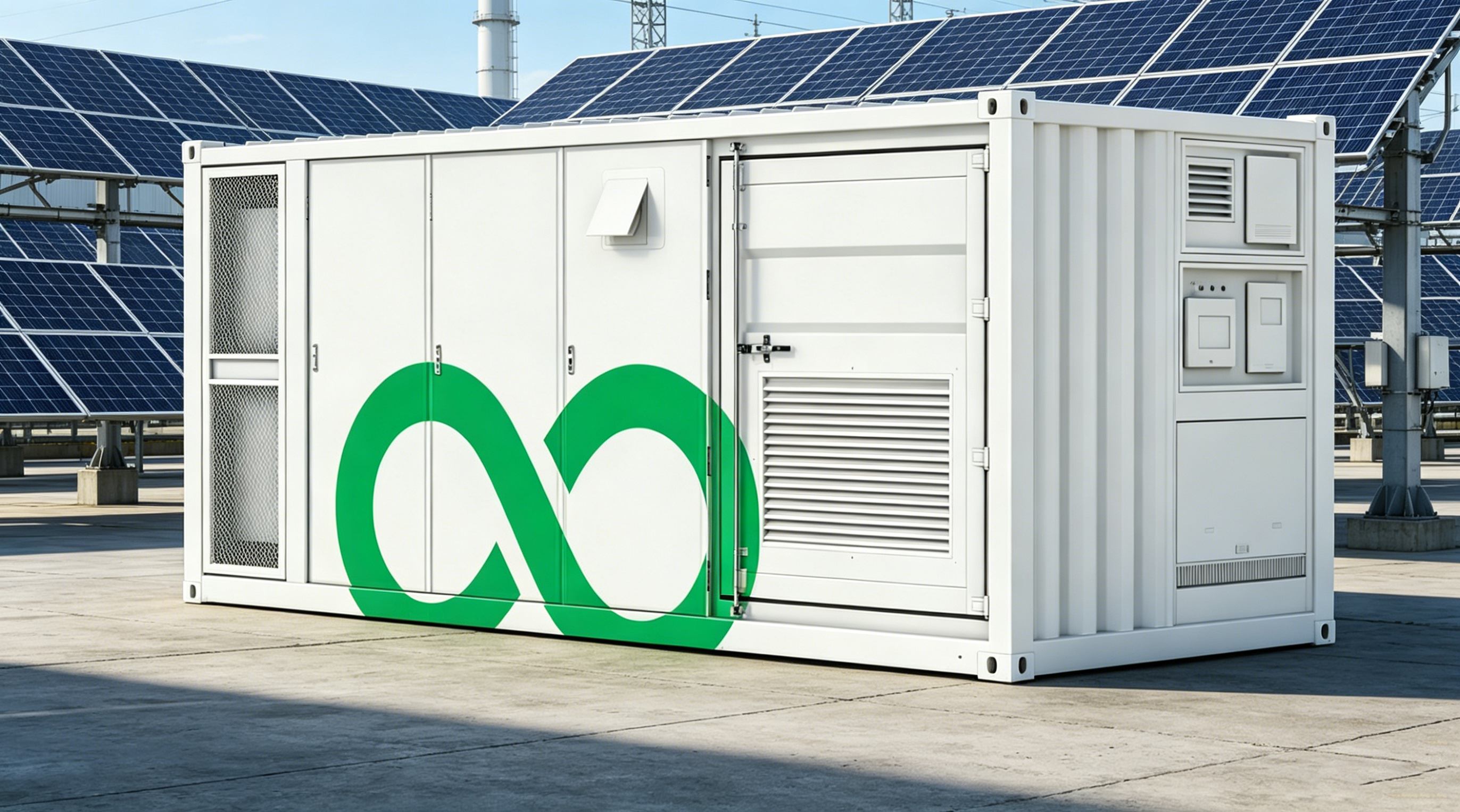
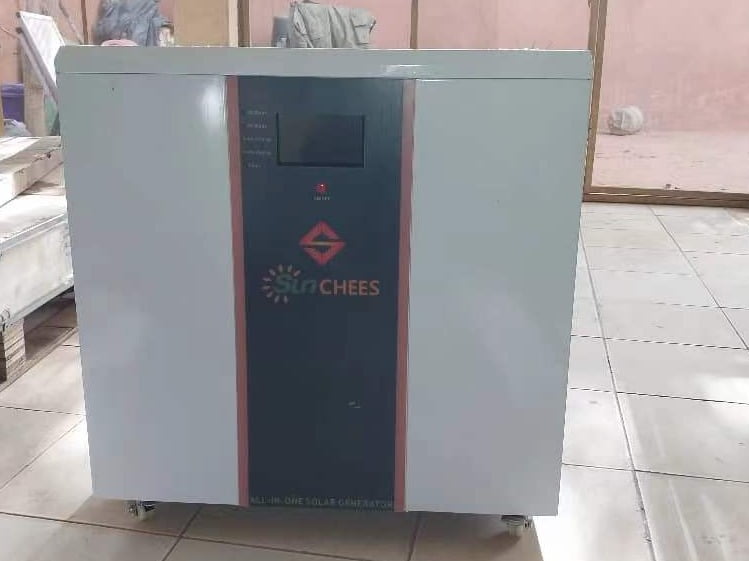
500kW Solar Energy Storage Cabinet
Highly integrated, one-stop deployment
- Integrated design. All core equipment is pre-installed inside the cabin. When delivered, it is a complete system, significantly simplifying on-site installation and commissioning work.
- Quick deployment, "plug and play"
- The compact structural design reduces the occupation of the site and lowers the costs of on-site construction and integration.
Safe and reliable, unafraid of harsh environments
- Using high-security lithium iron phosphate battery cells ensures system safety from the very beginning.
- Integrates independent fire alarm and automatic fire control systems, providing active safety protection.
- Comprehensive intelligent monitoring ensures that risks can be detected and handled promptly.
Intelligent and efficient, with significant returns
- Advanced liquid cooling temperature control, with higher heat dissipation efficiency and better temperature uniformity
- A single compartment can provide a large capacity of 2.5MWh for energy storage, meeting the application requirements of various scales and supporting more flexible energy strategies.
- 1500V high-voltage platform, reducing energy transmission losses and enhancing the overall system efficiency of the power station
Industrial-grade design, sturdy and durable
- The intelligent BMS, liquid cooling system and automatic control system work in deep synergy, ensuring that the system operates stably and reliably under any working conditions.
- Supporting remote data access and fault diagnosis significantly reduces the frequency and difficulty of on-site operation and maintenance, enabling unmanned operation and achieving cost savings in maintenance.
- The standardized battery packs and cluster-level design ensure the consistency and reliability of the system, and also simplify the later maintenance and expansion.



 Whatsapp :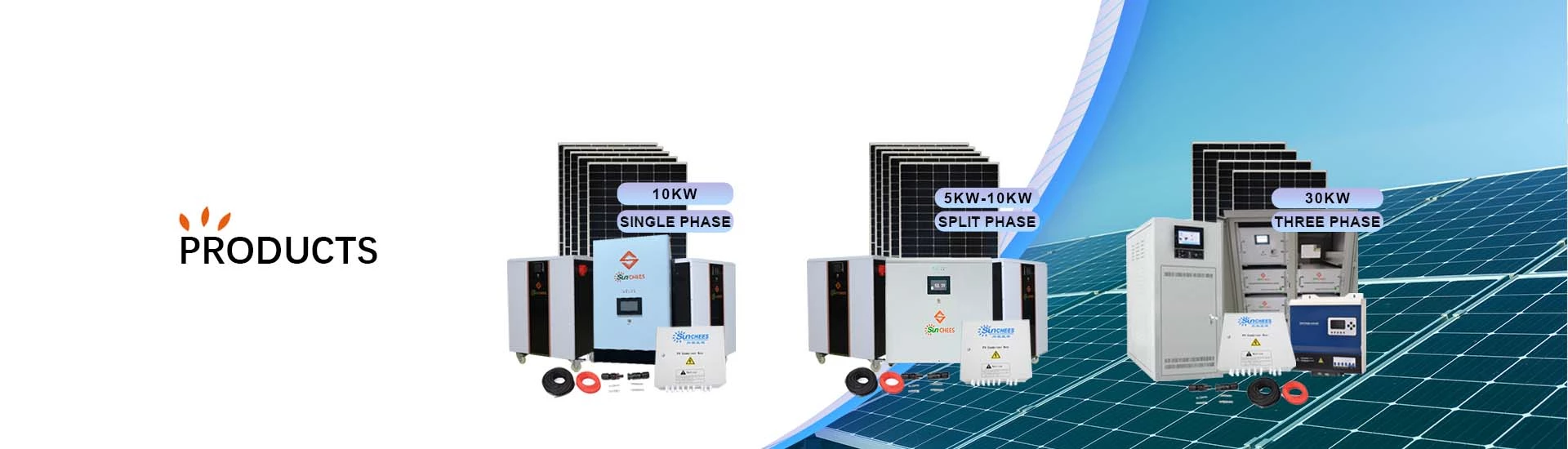
 Home
Home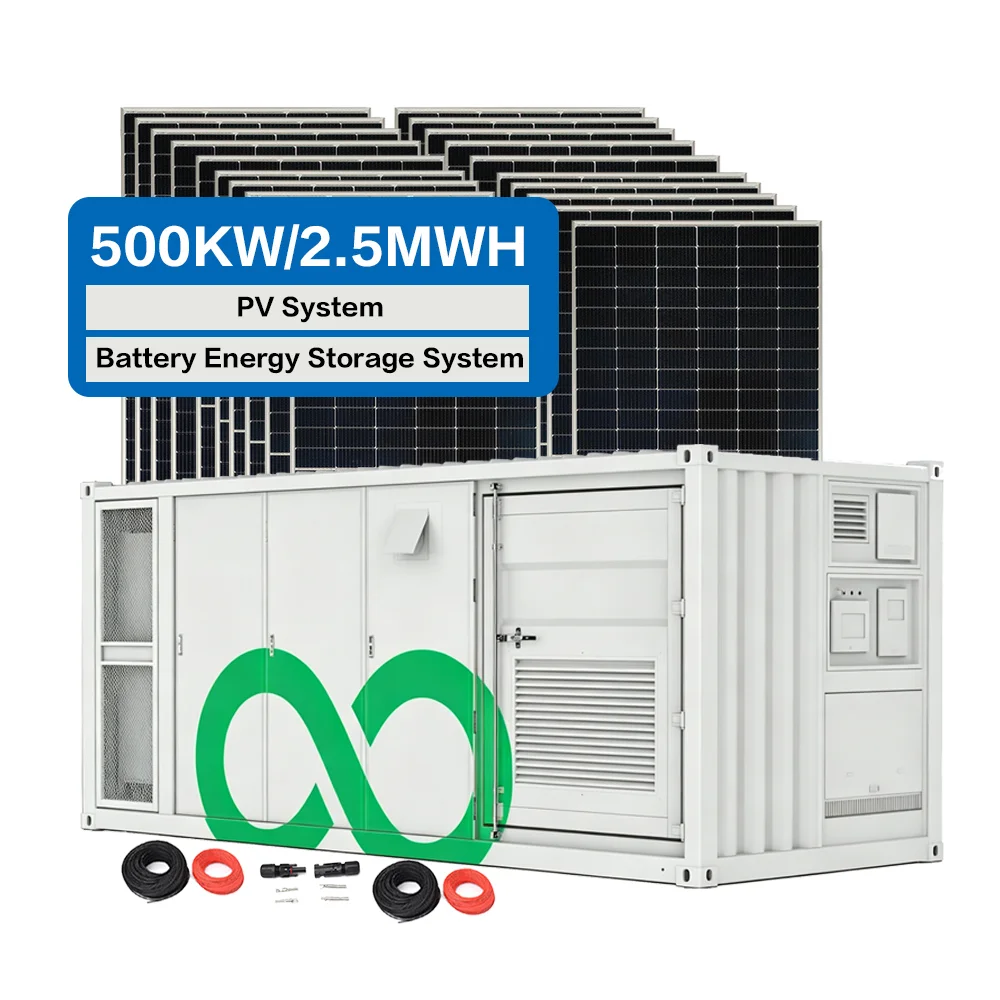


 Case
Case
 Mar 21,2022

 Tel
Tel
 Email
Email
 Address