Whatsapp : +86 13690853732
Solar for Business
Home - Product - Application Scenarios - Solar for Business
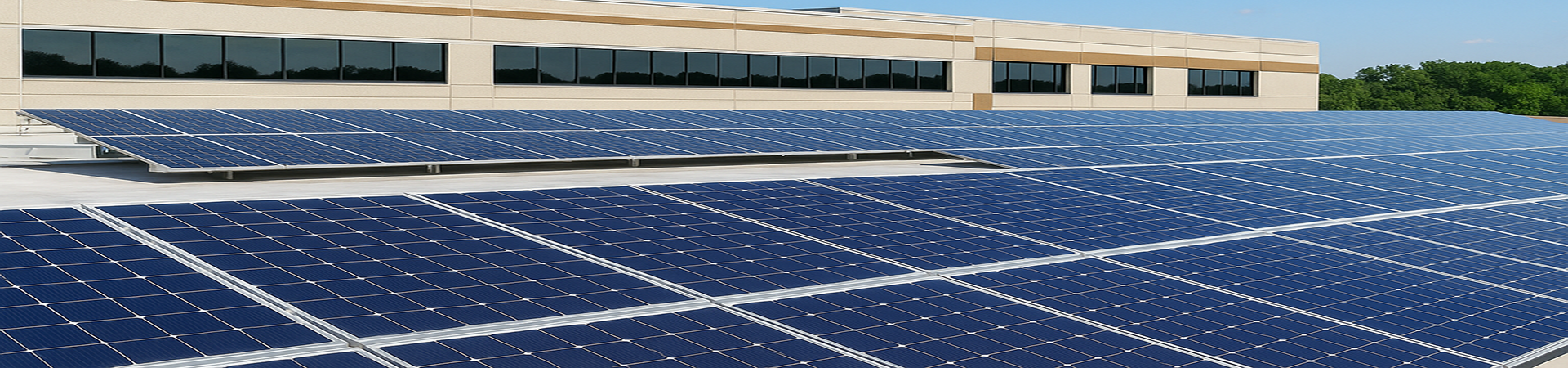
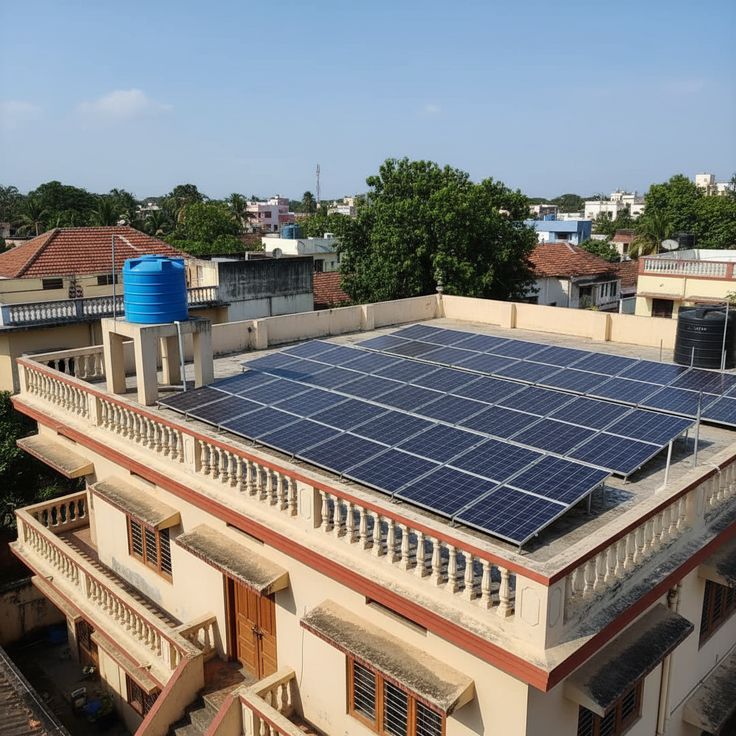
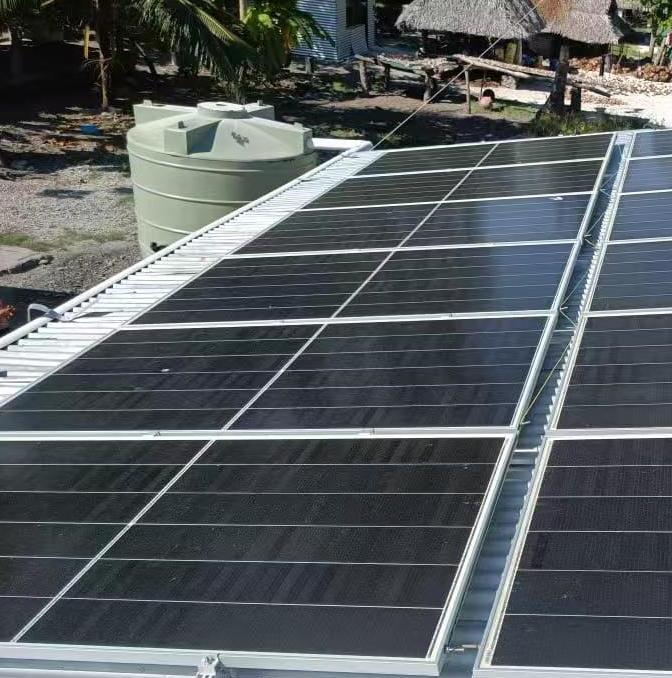
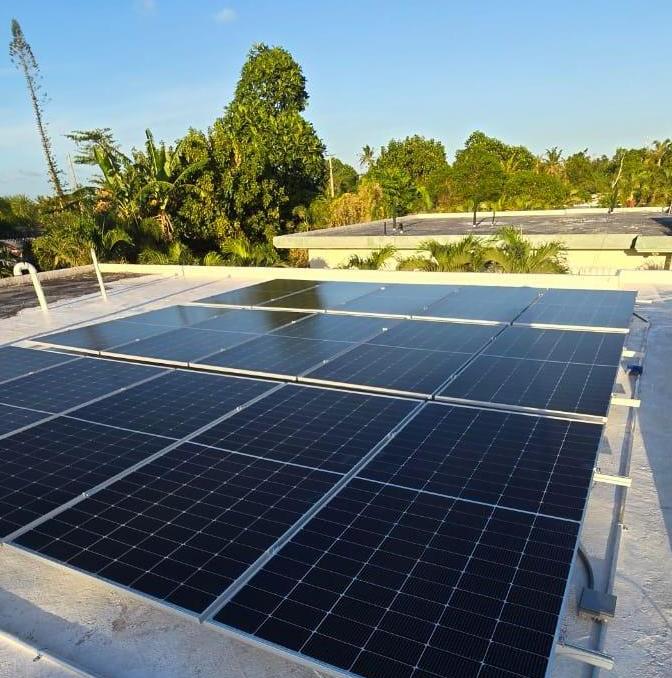
Commercial Solar in the Caribbean

Commercial Solar in the Caribbean

Compare commercial solar system sizes, roof requirements, battery options and hurricane-ready designs across the Caribbean. Get a tailored Sunchees proposal.

Compare commercial solar system sizes, roof requirements, battery options and hurricane-ready designs across the Caribbean. Get a tailored Sunchees proposal. :

Whatapp:+86 13690853732

Email: candy@sunchees.com

Description Specification Downloads
Commercial & Industrial Solar Solutions

Commercial Solar in the Caribbean

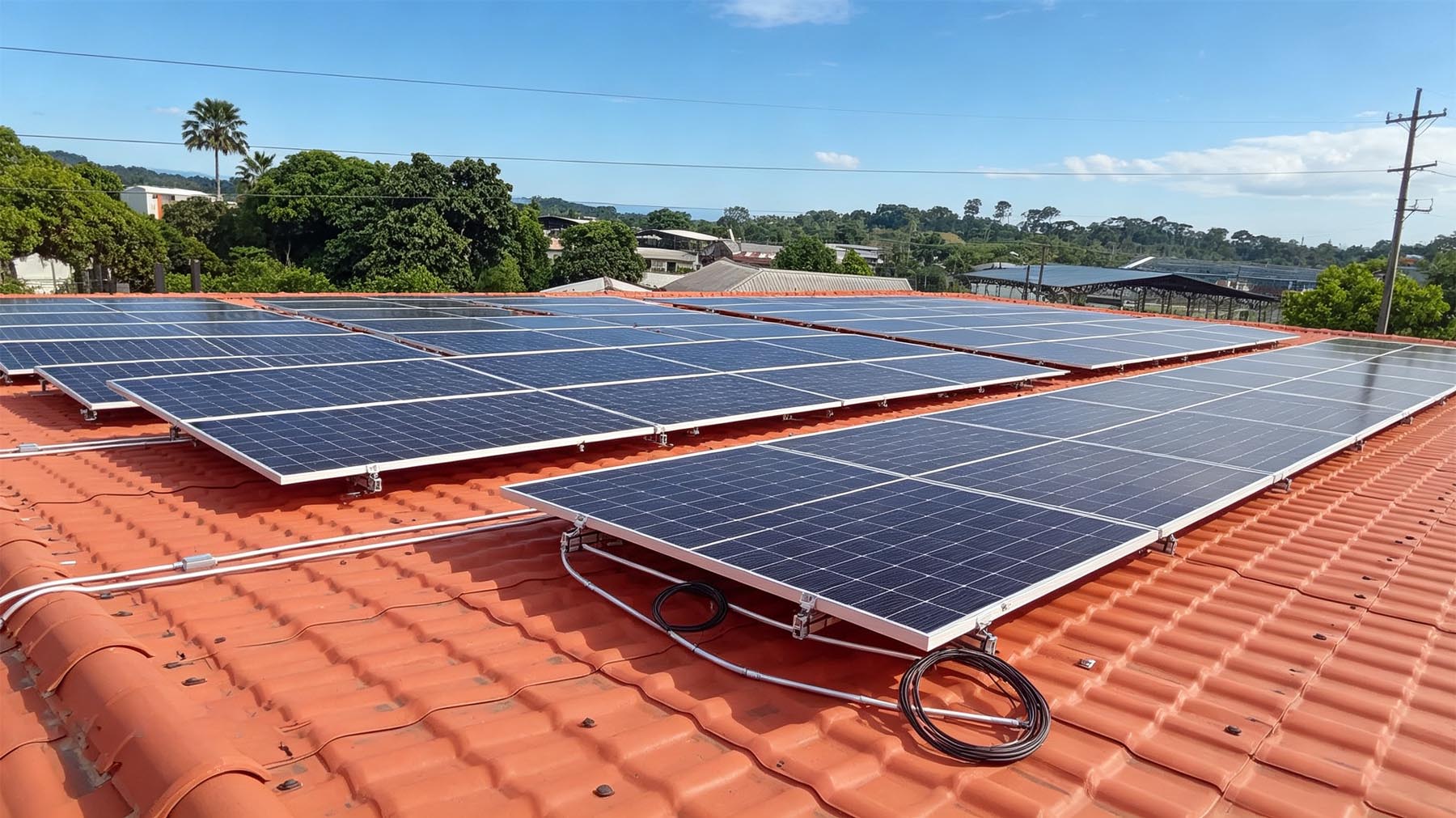
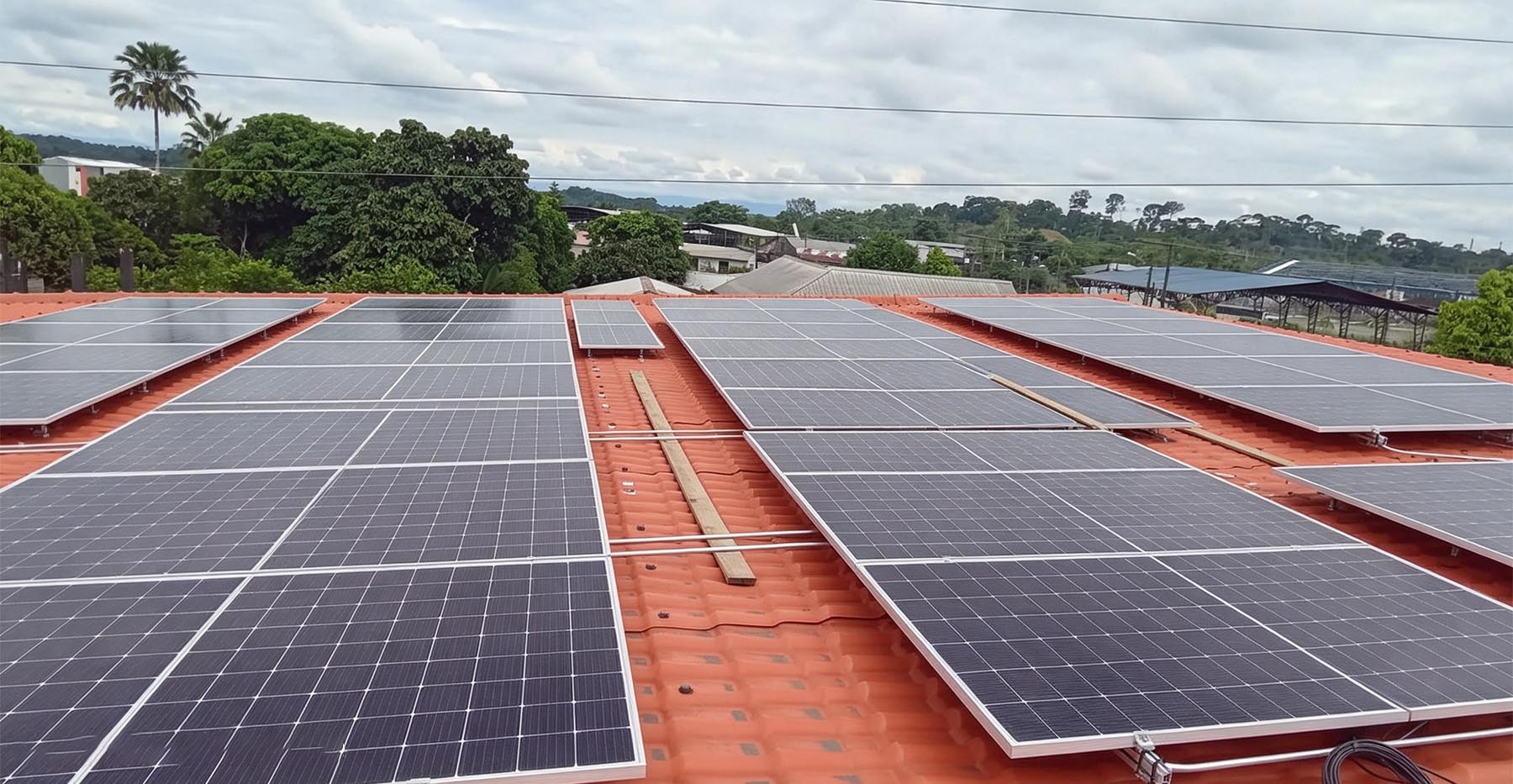
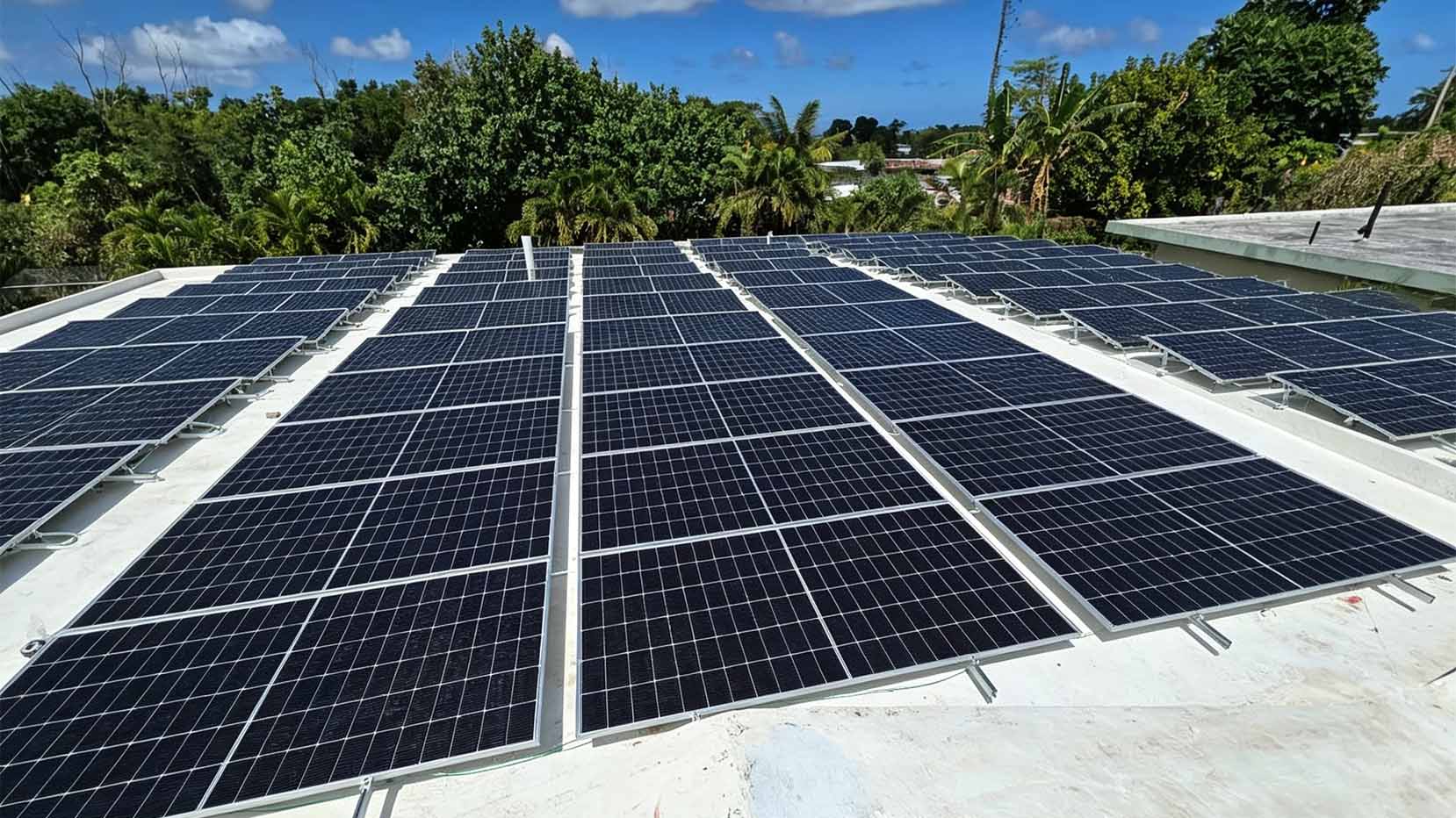
Commercial solar is not one standard package across the Caribbean. Your electricity tariff, daytime load, roof condition, grid rules and hurricane exposure determine the right system—and whether battery storage is worth adding.

30kW–5MW+
Commercial system range
5–8 m²
Typical area per kW
25+ years
Panel design life
Complete kit
Equipment and export support

Where commercial solar usually creates the most value

The best projects use most of the solar electricity on site during the day. Exported electricity may be compensated at a lower rate or restricted by the local utility.

Building type Common project range Why solar can fit Primary design risk Explore
Hotel & Resort 100kW–2MW Air conditioning, hot water, pumps and daytime guest loads Limited roof area and overnight demand Solar for hotels
Factory 200kW–5MW+ Strong weekday production load and high self-consumption Motor surge, demand charges and interconnection capacity Solar for factories
Warehouse 50kW–1MW Large usable roof area Roof may be much larger than the daytime load Business solar
Supermarket & Cold Storage 100kW–3MW Refrigeration and cooling create steady consumption Night operation and backup requirements Commercial storage
School & Office 30kW–500kW Daytime occupancy often matches solar production Weekends, holidays and seasonal shutdowns Solar for schools

The profitable system is not always the largest system

System size should be based on hourly consumption, not roof area alone. A smaller array with high on-site use can deliver a better return than a larger array that exports excess electricity at a low rate.

Commercial Solar in the Caribbean 

Choose a commercial solar system size

These are preliminary planning ranges. Final capacity depends on panel wattage, roof geometry, maintenance access, fire setbacks, structural design and the local grid connection limit.

System size Typical use Indicative installation area Recommended system type Internal page
30–50kW Small office, shop, school or restaurant 150–400 m² On-grid or hybrid On-grid systems
100kW Supermarket, warehouse or medium hotel 500–800 m² On-grid / hybrid with optional storage Hybrid systems
200–300kW Factory, cold storage or resort 1,000–2,400 m² Three-phase C&I system Commercial projects
500kW–1MW Industrial plant, logistics site or large commercial complex 2,500–8,000 m² Engineered rooftop or ground mount Mounting systems
1MW+ Industrial park, campus or utility-scale project Project-specific Custom EPC supply package Request engineering review

Can your building support the system?

A quotation based only on monthly kWh is incomplete. Sunchees uses the following information to narrow the system size before detailed engineering.

1
Roof or land areaAs a first estimate, allow approximately 5–8 m² per kW.
2
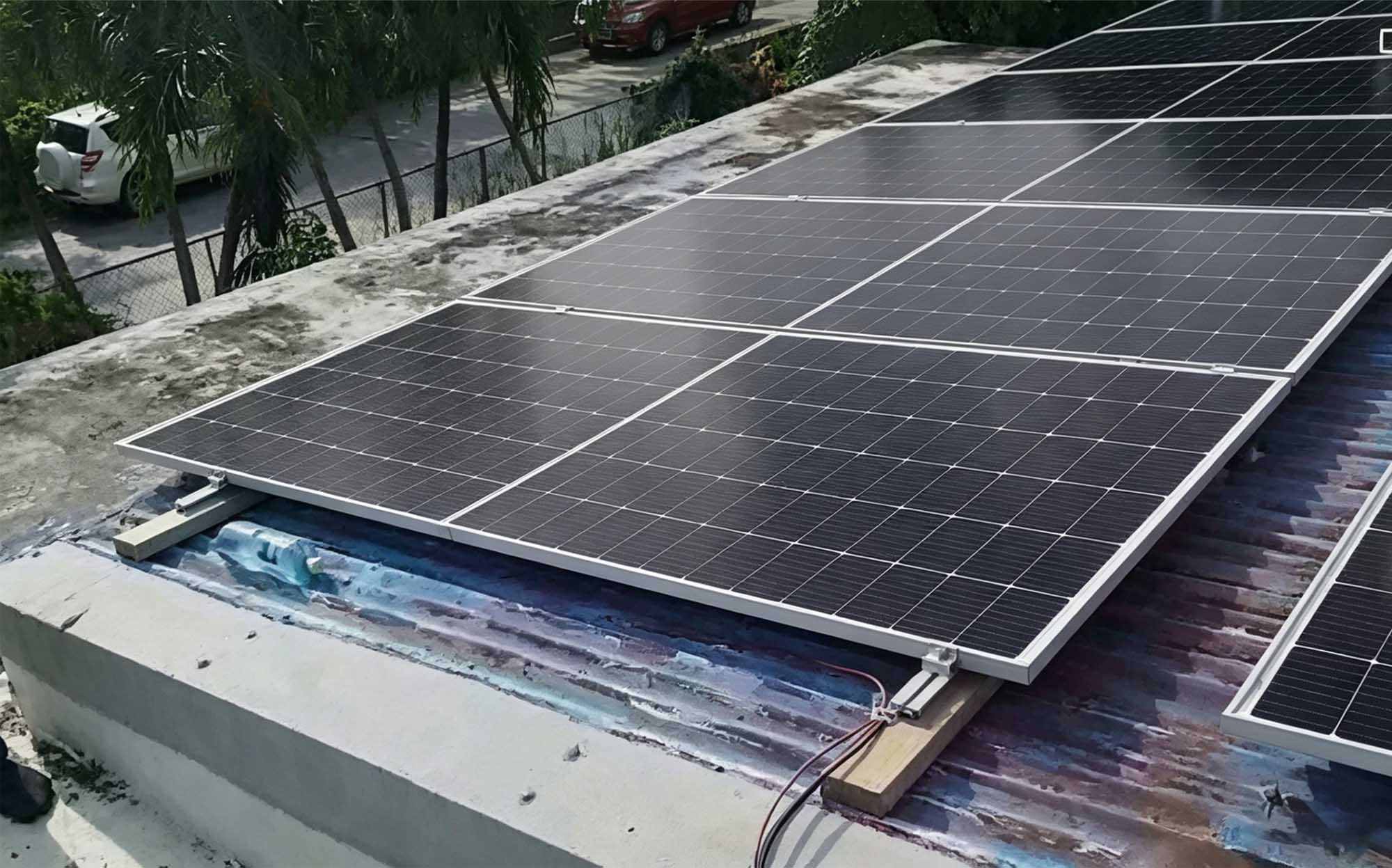
Roof age and structureOlder metal, membrane or corroded roofs may need repair before installation.
3
Daytime consumptionOperating hours and hourly load determine how much solar can be used directly.
4
Shading and equipment zonesWater tanks, HVAC equipment, parapets and nearby buildings affect usable area.
5
Grid and voltageConfirm phase, voltage, transformer capacity and utility interconnection rules.

Commercial Solar in the Caribbean 

Commercial solar rules differ by Caribbean market

Use the country pages for current tariffs, interconnection rules, export compensation, tax treatment and local project constraints. Confirm the latest utility requirements before ordering equipment.

Active market

Dominican Republic

Strong commercial and industrial demand. Check net-metering eligibility, tax approval and distributor requirements.

View market guide →
Capacity limits

Jamaica

Commercial projects must prioritize self-consumption because export compensation and system limits affect project returns.

View market guide →
Solar + storage

Puerto Rico

Battery storage is frequently central to resilience, outage protection and project value.

View market guide →
Check status

Barbados

Grid capacity and new interconnection availability must be checked before final system design.

View market guide →
Island-grid rules

Bahamas

High fuel-linked electricity costs can support solar, but utility rules differ by island and project size.

View market guide →
Quota / policy check

Cayman Islands

Verify the current export mechanism, capacity availability and project approval process.

View market guide →
Economics first

Trinidad & Tobago

Lower grid tariffs can weaken pure bill-saving economics, so backup power and tariff scenarios matter.

View market guide →
Off-grid demand

Haiti

Unreliable grid service makes hybrid, off-grid and generator-integrated systems more relevant.

View market guide →

Commercial Solar in the Caribbean 

Hurricane-ready design is more than a wind-speed claim

Caribbean projects need project-specific structural design, corrosion control and installation records. The roof and its connections may be weaker than the solar equipment itself.

W

Wind-load engineering

Define the applicable design wind speed, building exposure, roof zones, uplift loads and connection method.

C

Coastal corrosion control

Specify suitable aluminium, stainless-steel fasteners, coated equipment and salt-mist-resistant components.

Q

Installation quality records

Require fastening details, torque records, waterproofing checks and post-installation inspection.

Ask these questions before signing

What design standard is being used? What is the design wind speed? How is the racking attached to the structure? Which fasteners and anti-loosening measures are specified? Who signs the structural calculation?

Commercial Solar in the Caribbean 

Should the project include commercial battery storage?

Project objective Battery recommendation Reason Related page
Reduce daytime electricity cost only Not always required An on-grid system may provide a better return when grid service is reliable. On-grid solar
Operate during outages Required Standard grid-tied solar normally shuts down when the grid fails. Hybrid solar
Reduce generator runtime Evaluate carefully Storage can replace expensive diesel operation during selected hours. Commercial ESS
Limit solar export Potentially useful Batteries can absorb excess midday generation and increase self-consumption. Solar batteries
Power remote facilities Usually required Off-grid systems need enough stored energy for nights and low-sun periods. Off-grid systems

What Sunchees can supply

A commercial project can be supplied as a coordinated package instead of separate components from unrelated vendors.

PV

Solar generation

High-efficiency modules, string design and project-specific array configuration.

View solar panels →
INV

Power conversion

On-grid, hybrid and off-grid inverter options for single- and three-phase systems.

View inverters →
ESS

Energy storage

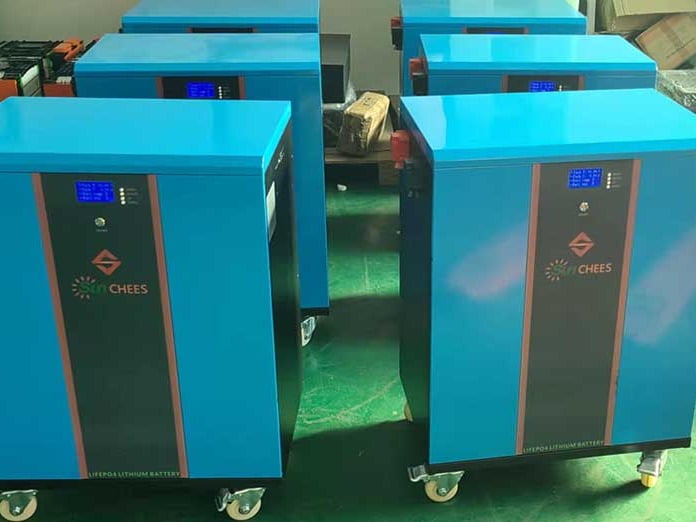
Lithium battery cabinets and commercial storage solutions sized around critical loads.

View ESS →
BOS

Balance of system

Mounting, combiner boxes, protection, cables, connectors and monitoring equipment.

View mounting →

Export support for island projects

Sunchees can coordinate equipment lists, export packing, container loading, shipping documentation, spare-parts planning, remote installation guidance and local-installer cooperation.

 Commercial Solar in the Caribbean

Commercial solar project process

Send project data

Country, city, bills, roof information and operating hours.

Analyze the load

Estimate daytime use, peak power and critical backup loads.

Select the system

Confirm on-grid, hybrid, off-grid or solar-plus-storage architecture.

Review grid rules

Check voltage, export limits, permits and interconnection requirements.

Confirm supply

Finalize equipment, packaging, shipping and installation responsibilities.

Install and commission

Complete wiring, settings, testing, monitoring and technical handover.

Get a preliminary commercial solar proposal

Send enough information to size the project around real consumption rather than a generic package.

  • Project country and city
  • Last 12 months of electricity bills
  • Roof area, drawing or site photos
  • Operating hours and major equipment
  • Critical loads during outages
  • Preferred grid, hybrid or off-grid setup

Commercial solar FAQ

Will commercial solar work during a power outage?
A standard grid-connected system normally shuts down during a grid outage. Backup operation requires compatible battery storage, hybrid inverters, protection equipment and a defined critical-load circuit.
How much roof space is needed for a 100kW system?
A preliminary estimate is approximately 500–800 m². Final area depends on module wattage, roof geometry, access paths, fire setbacks, shading and structural requirements.
Should the system cover 100% of annual electricity use?
Not necessarily. In markets with low export compensation or grid limits, the best financial result may come from a smaller system designed around daytime self-consumption.
Can the system be designed for hurricanes and coastal conditions?
Yes, but “hurricane resistant” should be supported by project-specific wind-load calculations, structural connections, corrosion-resistant materials, documented installation procedures and local engineering approval.
Can Sunchees ship a complete commercial solar system to the Caribbean?
Sunchees can supply solar panels, inverters, batteries, mounting, electrical protection, cables and monitoring as a coordinated package, with export packing, shipping coordination and remote installation support.
Why Sunchees

Why Sunchees Is a Strong Fit for Commercial Solar in the Caribbean

The difficult part of a Caribbean commercial solar project is rarely finding solar panels. The real challenge is making the system design, equipment compatibility, hurricane and coastal requirements, export logistics, local installation and future service work as one project. Sunchees connects those responsibilities as a complete system supplier.

Since 2008Solar manufacturing experience
30kW–1MW+Scalable commercial supply
On / Hybrid / Off-gridMultiple system architectures
OEM / ODMProject customization
SYS

One Coordinated Equipment Package

Solar panels, inverters, batteries, mounting, combiner boxes, protection devices, cables and monitoring can be selected together instead of purchased from unrelated suppliers.

LOAD

Configured Around the Actual Load

The proposal can start from electricity bills, operating hours, motor loads, critical circuits and backup duration—not from a fixed package based only on nominal kW.

OEM

Factory-Level Customization

Voltage, frequency, phase, inverter architecture, battery capacity, cabinet layout, component brands, labeling, packaging and OEM requirements can be confirmed before production.

ISLE

Adapted for Island Conditions

Projects can account for high wind, salt mist, heat, limited grid capacity, generator integration, long replacement lead times and the need to keep critical loads operating.

SHIP

Export and Shipping Coordination

Export packing, container loading, shipping documents, delivery scope and recommended spare parts can be planned as part of procurement rather than handled after the equipment is finished.

ENG

Technical Handover and Support

Drawings, wiring guidance, equipment settings, manuals, remote commissioning support and installer coordination reduce the gap between delivery, installation and stable operation.

The Sunchees Difference Is Scope Control

A commercial buyer often receives an equipment quotation without project support, a local installation quotation without reliable export sourcing, or a generic package without load analysis. Sunchees is most valuable when these separate responsibilities need to be connected.

Project requirement Generic component seller Local installer only Sunchees system-supply approach
Panels, inverter, battery and balance-of-system equipment selected together Sometimes Depends on sourcing Coordinated package
Custom voltage, phase and system architecture Product dependent Project dependent Configured before supply
Export packing and international shipment planning Basic shipment Usually outside scope Included in procurement planning
Installation and commissioning guidance Usually limited Local execution Equipment-side technical support
Local permits, structural approval and utility application No When locally qualified Provides technical data; local approval remains required
Compatible spare parts for an island project Brand dependent Local stock dependent Can be planned with the original order

What a Sunchees Commercial Proposal Can Include

System ArchitectureOn-grid, hybrid, off-grid or solar-plus-storage selection based on the project objective.
Equipment ScheduleModules, inverters, batteries, mounting, protection, cables, monitoring and accessories.
Backup StrategyCritical-load definition, battery duration and generator-integration considerations.
Island AdaptationVoltage, frequency, wind, corrosion, enclosure, cooling and spare-parts requirements.
Export Delivery PlanPacking method, loading plan, shipping documents and delivery responsibility.
Installation SupportDrawings, manuals, remote guidance, equipment settings and commissioning checks.
After-Sales PathWarranty scope, troubleshooting route and replacement-part planning.
Expansion PlanningSpace and compatibility considerations for future solar, battery or load growth.

Sunchees supports the complete equipment package—but does not replace the local EPC

Sunchees can provide system configuration, equipment supply, export coordination and equipment-side technical support. Final site surveys, stamped structural calculations, local permits, utility interconnection, licensed electrical work, inspections and local-code compliance should still be completed by qualified professionals in the project country.

Ask Sunchees to Configure the Complete Project Package

Send the project country, electricity bills, roof or land information, operating hours, major loads and backup requirements. The proposal can then be built around the real project instead of a generic solar kit.


Leave a Message

*Name

*Bussiness/organization

*Whatsapp

*Email

*Industry

Preferred Method of contact

Best time to Reach You

*Applications

*Do you have existing solar power system ?

*How Much is Your Monthly Electricity Bill?

*Installation place

*Which product are your intersted in ?(Multiple options available)

*Estimated solar system installation time

March or june or December this year or next year

*What is you occupation / position?

Send an Email
Contact Us
loading