


 Whatsapp :
 Home
HomeSolar Power for Refrigeration and Daily Work at a Montego Bay Pharmacy
 Sep 23,2026
 0
0
 sunchees solar system
Electricity in a pharmacy serves both the people collecting medicines and the products that need refrigerated storage. Lighting helps staff read packaging and handle medicines, printers support routine paperwork, fans and air conditioning improve indoor comfort, and medical refrigerators need a dependable supply.
At a pharmacy project in Montego Bay, Jamaica, we supplied rooftop solar and gel battery storage for equipment including lights, televisions, fans, air conditioning, medical refrigerators and printers. Backup supply during hurricane-season outages was part of the project's scope. The recorded installation date is Nov 25, 2025, with an installation period of nine days.
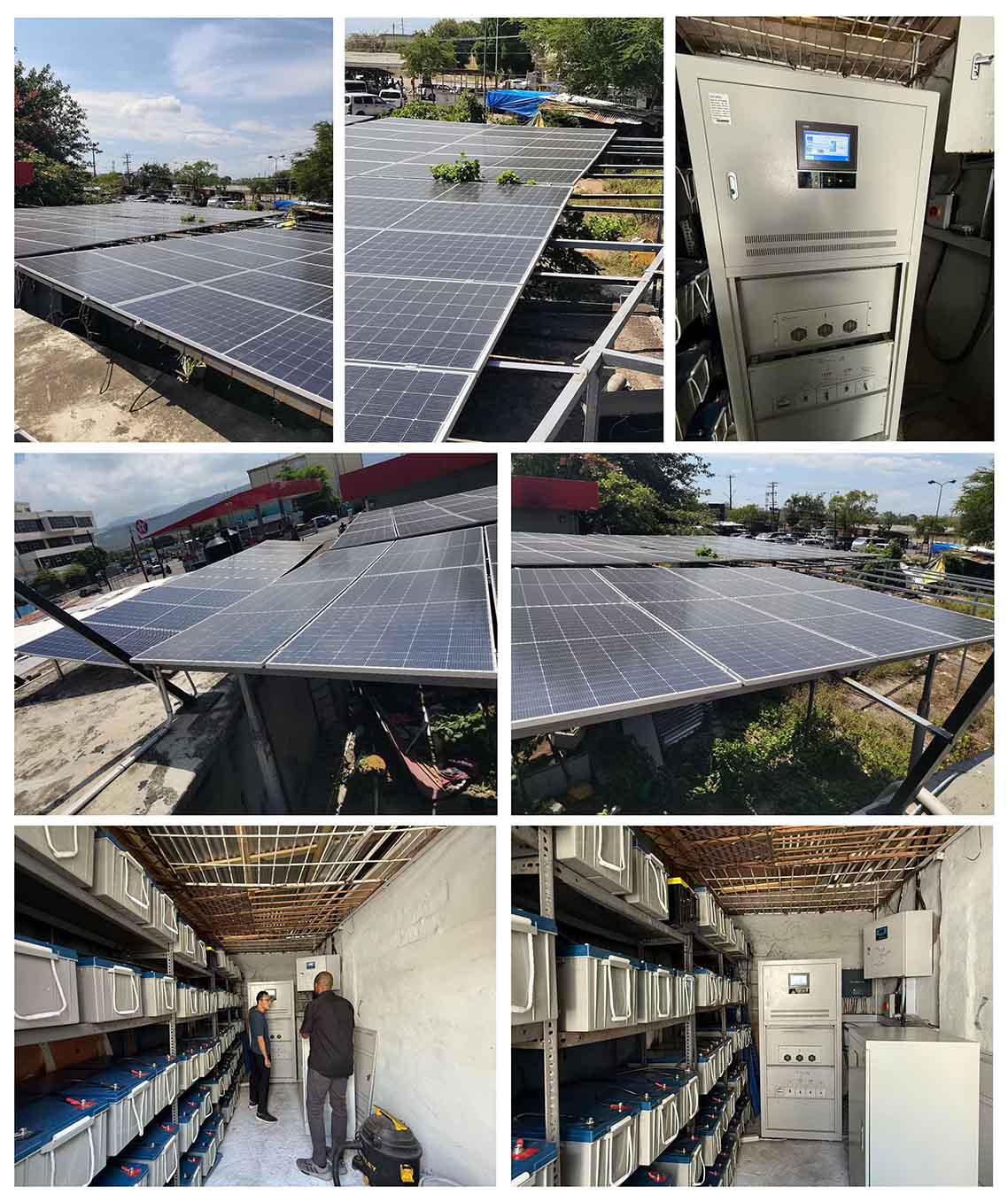
The pharmacy project's rooftop solar array, indoor equipment and battery racks.
Keeping a local pharmacy supplied with power matters to residents
In Jamaica, power interruptions can affect medicine storage and access to healthcare. In a report dated Nov 18, 2025, PAHO described disrupted health services in southern and western Jamaica following Hurricane Melissa. Power failures put temperature-sensitive medicines, including insulin, at risk, prompting support that included refrigerated equipment and backup generation. Read PAHO's report on power and medicine storage.
For a pharmacy without sufficient backup power, an outage raises several immediate questions. Can refrigerators maintain the required conditions? Is there enough light for staff to handle medicines? Can routine documents still be printed? If storage conditions cannot be maintained, stock needs to be managed or moved under the appropriate procedures. If service is restricted, residents may need to look elsewhere for their medicines.
Where the premises are safe to operate and equipment is functioning properly, solar and storage can support selected refrigeration and operating loads. Giving refrigerators and essential lighting priority can help reduce the risk of these activities being interrupted by a loss of supply.
For residents, the value is a nearby pharmacy that is better equipped to maintain service, potentially avoiding the extra difficulty of finding another supplier. For staff, it is support for maintaining storage and working conditions. Power must still be coordinated with temperature monitoring, stock management and staffing to translate that capability into dependable service.
Electricity needs change after closing time
During opening hours, a pharmacy may need lighting, printers, fans and air conditioning together. Staff rely on these basic appliances while helping customers, handling medicines and completing paperwork. Rooftop solar generation can coincide with some of that daytime demand.
Refrigeration follows a different schedule. While temperature-sensitive medicines remain in storage, their required conditions must be maintained after the doors close. Daytime operating use and overnight refrigeration therefore deserve separate attention when sizing a system.
A battery can supply stored energy when sunlight is insufficient or unavailable. How long it can do so depends on its usable capacity and the refrigerator's consumption. For an owner, separating these needs makes it easier to identify equipment used only during business hours, equipment that must keep running, and appliances that could be paused when stored energy is limited.
Reserve power for refrigeration and essential work
If medical refrigerators and essential lighting need to remain available during a power cut, planning backup supply for them gives staff a stronger basis for following the pharmacy's outage procedures. Air conditioning, televisions and other appliances can then be considered against the remaining energy and immediate operating needs.
Reassurance comes from knowing what can still operate and what staff should do next. Backup power can support a refrigerator, but medicines still need temperature monitoring and storage management appropriate to the products involved. WHO identifies temperature mapping and monitoring as important parts of maintaining suitable pharmaceutical storage conditions. Read WHO's guidance on temperature mapping and monitoring.
The solar and battery configuration
The project uses 78 double-glass 600 W panels, installed on roof-mounted supports on a concrete building with a flat roof. Their combined rated solar capacity is 46.8 kWp. Indoors, the system includes one 50 kW three-phase inverter and 60 gel batteries.
The panels generate electricity, the inverter converts energy into AC electricity for the appliances, and the batteries store energy. The 46.8 kWp array rating and the 50 kW inverter rating describe different parts of that system.
A three-phase design must also fit the building's electrical distribution. Any single-phase refrigerators, air conditioners or printers need appropriate allocation across the phases, with starting demand considered for cooling and refrigeration equipment.
The project photographs show the rooftop array, cabinet equipment and multiple battery shelves. For a pharmacy considering a similar installation, suitable indoor equipment space is part of the plan alongside roof space, allowing for later inspection and maintenance.
Size backup around the refrigerator's actual consumption
The project record specifies 60 gel batteries but does not give the voltage and amp-hour capacity of each unit, so a supported backup-hour figure is not available for this case. For your pharmacy, measured refrigeration consumption and the period you need to cover without solar or grid supply are the starting points for battery sizing.
If the priority is refrigeration and essential lighting, stored energy can be directed towards those loads. If you also want air conditioning and a full range of operating equipment during an outage, their consumption must be included. Usable battery energy, starting demand and conversion losses then need to be considered together.
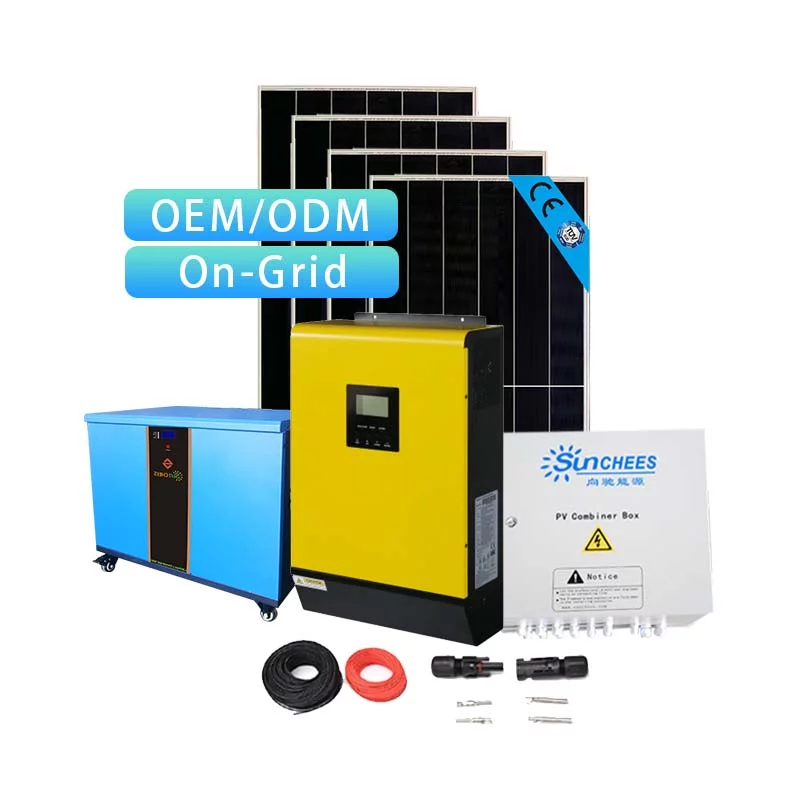
Explore our 50 kW three-phase solar system for a product starting point. Then send Sunchees your refrigerator models, electricity-use records, opening hours and backup priorities. We can discuss solar and storage around both the pharmacy's daytime work and its refrigeration needs after closing.
 Solar Power for Classrooms and Campus Services in Montego Bay
 You May Also Like



 Tel
Tel
 Email
Email
 Address
6th Floor, Zhonghe Zinan Industrial Park, No. 1 Zinan Changang West Road, Nanzhuang Town, Chancheng District, Foshan City, Guangdong Province. China (Mainland)