


 Whatsapp :
 Home
HomeHybrid Mode vs Island Mode: How to Choose an Island Solar Power System
 Jul 25,2026
 0
0
 sunchees solar system
Buying solar power for an island property is not the same as buying solar for a home in a large mainland city.
Island users may need to solve several problems at once:
- High electricity costs linked to imported fuel
- Frequent or storm-related power cuts
- Limited grid capacity
- Expensive generator fuel
- Salt, humidity and corrosion
- Hurricane or typhoon exposure
- Limited access to engineers and replacement parts
- Large air-conditioning, refrigeration, pumping or desalination loads
The World Bank reported in 2025 that imported fossil fuels were used for more than 90% of electricity generation in much of the Caribbean. It also identified small electricity markets, vulnerable grids, fragmented regulations and exposure to extreme weather as major barriers to affordable and resilient power.
For an island buyer, the first question should therefore not be:
How many solar panels should I buy?
The first question should be:
What must the system do when the local electricity grid fails?
That question explains the practical difference between hybrid mode vs island mode.
- Hybrid mode manages energy from solar panels, batteries, the grid and sometimes a generator.
- Island mode disconnects selected loads from the failed grid and creates an independent local power supply.
- Off-grid mode is used when the property normally operates without a public electricity connection.
A product labelled “hybrid inverter” does not automatically provide outage power.
A working backup system normally also needs a battery, an approved isolation method, suitable protection, correctly separated backup loads and an inverter capable of operating without an existing grid signal. The U.S. Department of Energy states that ordinary solar panels alone are generally not enough to power a building during a grid outage; a properly configured inverter and storage system are normally required.
Hybrid Mode vs Island Mode: What Is the Practical Difference?
The main difference is the system’s relationship with the external grid.
|
|
|
|
|
|
|
|
|
|
|
|
|
|
|
|
|
|
|
|
|
|
|
|
|
|
|
|
|
|
|
|
|
|
|
|
|
|
|
|
|
|
|
|
A microgrid can operate in grid-connected mode and then disconnect from the larger grid when necessary. The U.S. Department of Energy describes this controlled separation as intentional islanding.
The simplest way to remember the difference is:
Hybrid mode decides where electricity comes from. Island mode decides whether the property is electrically connected to the external grid.
Hybrid Mode vs Island Mode: Which System Fits Each Island Buyer?
|
|
|
|
|
|
|
|
|
|
|
|
|
|
|
|
|
|
|
|
|
|
|
|
|
|
|
|
|
|
|
|
|
|
|
|
|
|
|
|
|
|
|
|
A Jamaican grid-connected villa, a Cuban shop facing extended blackouts and a hotel in the Canary Islands may all use batteries, but the battery serves a different business purpose in each case.
Hybrid Mode vs Island Mode: How Does Hybrid Mode Manage Energy?
Hybrid mode acts as an automatic energy manager.
It coordinates power among:
- Solar panels
- Battery storage
- The public or island grid
- Building loads
- A generator, when included
A common operating sequence is shown below.
|
|
|
|
|
|
|
|
|
|
|
|
|
|
|
|
|
|
|
|
|
|
|
|
|
|
|
|
|
|
Hybrid mode power-flow example
Assume that a hotel solar array is producing 20 kW.
The hotel is currently using 14 kW.
|
|
|
|
|
|
|
|
|
|
|
|
|
|
|
|
|
|
Hybrid mode is therefore mainly designed to answer:
How can the property use more of its own solar electricity and depend less on expensive external power?
It can support:
- Solar self-consumption
- Time-of-use energy shifting
- Peak-demand reduction
- Export limitation
- Generator coordination
- Battery backup reserves
- Reduced fuel use in diesel-supported systems
However, the exact operating priorities vary by manufacturer and configuration. “Hybrid mode” may also appear in product menus as self-consumption mode, economic mode, energy-storage mode or grid-storage mode.
Hybrid Mode vs Island Mode: What Happens When the Grid Fails?
A conventional grid-connected inverter normally follows the voltage and frequency supplied by the electricity network.
When that network fails, the inverter usually shuts down. This is a safety function, not a product defect.
A properly designed island-mode transition normally follows this sequence:
|
|
|
|
|
|
|
|
|
|
|
|
|
|
|
|
|
|
|
|
|
|
|
|
|
|
|
Traditional grid-following inverters require an existing voltage and frequency reference. Grid-forming inverters can maintain local voltage and frequency and may support black start—the ability to restart an electrical system without an already operating external grid.
Why must the system disconnect from the public grid?
During an outage, utility workers may be repairing lines they believe are de-energized.
If a customer’s solar system continues sending electricity into those lines, it can create a serious hazard.
IEC 62116:2014 provides the test procedure used to evaluate anti-islanding measures in utility-connected photovoltaic inverters.
Intentional island mode is different because the system:
- Creates a confirmed electrical boundary.
- Disconnects from the failed network.
- Energizes only the loads inside that boundary.
Hybrid Mode vs Island Mode: Does Every Hybrid Inverter Provide Backup?
No.
Some hybrid inverters are designed mainly for energy-cost management while the grid remains available.
They may support:
- Battery charging
- Solar self-consumption
- Peak shaving
- Tariff-based charging
- Export limitation
But they may not support:
- Independent voltage and frequency
- Whole-property backup
- Black start
- Generator synchronization
- Large motor-starting loads
- Automatic grid isolation
Before buying, verify the following functions for the exact inverter model.
|
|
|
|
|
|
|
|
|
|
|
|
|
|
|
|
|
|
|
|
|
|
|
|
|
|
|
|
|
|
|
|
|
|
|
|
|
|
|
|
|
|
|
|
Do not accept “backup ready” or “battery compatible” as sufficient proof.
Request a wiring diagram and written confirmation for:
- The exact inverter model
- The exact battery model
- The maximum backup output
- The permitted battery current
- The isolation device
- The backup-load panel
- Generator operation
- Black-start behaviour
Island Solar Power System: Grid-Connected, Islanded or Fully Off-Grid?
The word “island” can describe either geography or electrical operation.
A solar project located on an island is not automatically an off-grid system.
For example, a small island may have no connection to a national mainland network but may still operate a local diesel-powered distribution grid.
A new solar system on that island can therefore be:
- Grid-connected relative to the island’s local network
- Off-grid relative to the mainland system
|
|
|
|
|
|
|
|
|
|
|
|
|
|
|
|
|
|
|
|
|
This distinction matters because each system needs different protection, controls and operating priorities.
Solar Power System in Jamaica: Net Billing, Batteries and Outage Backup
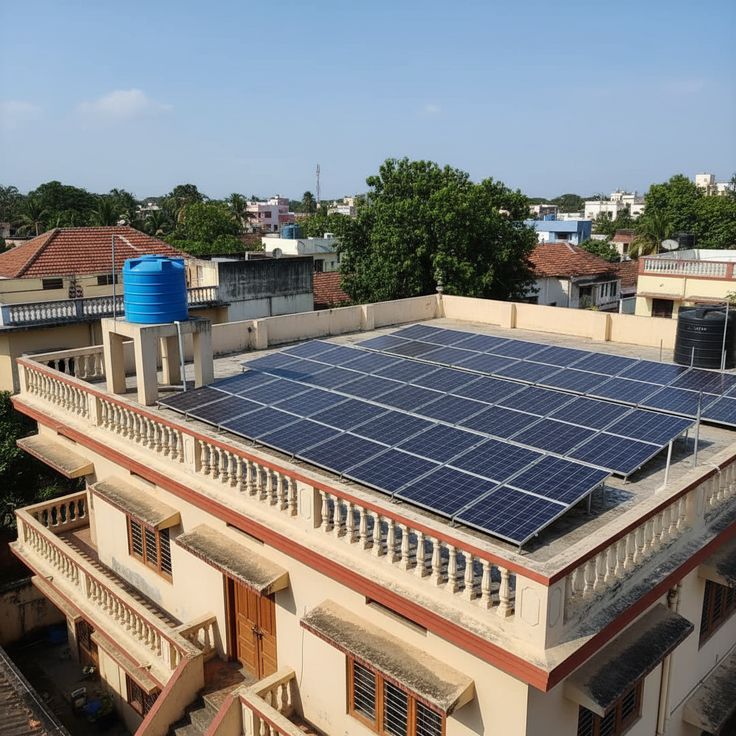
Jamaica combines strong solar resources with an established public electricity network and a regulated Net Billing mechanism.
The Jamaican Ministry of Energy reports average solar irradiance of approximately 5 kWh per square metre per day over the year.
Under Net Billing, eligible JPS customers can generate electricity for their own use and sell approved surplus electricity to JPS at an avoided-cost price established by the Office of Utilities Regulation. Electricity imported from JPS continues to be billed at the applicable customer tariff.
Solar power system in Jamaica decision table
|
|
|
|
|
|
|
|
|
|
|
|
|
|
|
|
|
|
|
|
|
|
|
|
|
|
|
|
|
|
|
|
Solar power system in Jamaica: what to verify before buying
|
|
|
|
|
|
|
|
|
|
|
|
|
|
|
|
|
|
|
|
|
|
|
|
|
|
|
|
|
|
|
|
|
A grid-connected solar system without batteries may reduce energy purchases but normally will not provide power during a JPS outage.
For users who require both savings and continuity, the more relevant architecture is usually:
Grid-connected hybrid solar with a battery, safe isolation and a dedicated backup-load panel.
Solar Power System in Cuba: Designing for Long Outages
In Cuba, the primary buyer question is often not how much surplus electricity can be sold.
It is:
How can essential equipment continue operating during an extended blackout?
Potential priority loads include:
- Refrigeration
- Lighting
- Fans
- Internet equipment
- Communications
- Water pumps
- Medical devices
- Shop payment systems
- Security systems
- Selected air conditioning
Cuba has recently expanded the use of battery storage at utility scale.
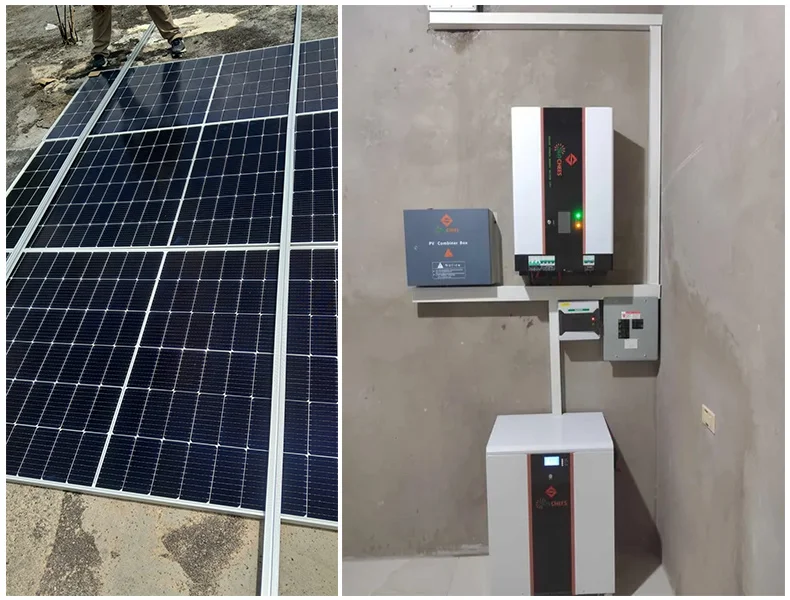
In March 2026, testing began on the first of four planned battery energy-storage systems with a combined stated capacity of 200 MW. Each planned installation was described as 50 MW and intended to provide fast frequency regulation.
In May 2026, a 5 MW photovoltaic park with 1 MW of battery storage entered operation in Ciego de Ávila. In July 2026, another 5 MW solar park with 1 MW of storage was reported in Santiago de Cuba.
These utility projects do not automatically provide backup to every home or business. They do, however, demonstrate the growing importance of storage for stabilizing solar generation and improving electricity resilience.
Solar power system in Cuba decision table
|
|
|
|
|
|
|
|
|
|
|
|
|
|
|
|
|
|
|
|
|
|
|
|
Solar power system in Cuba: why a generator may still be needed
|
|
|
|
|
|
|
|
|
|
|
|
|
|
|
|
|
|
|
|
|
The aim is not necessarily to run the generator every day.
A more efficient strategy is:
- Use solar directly during daylight.
- Store surplus energy in the battery.
- Reserve battery energy for critical night-time loads.
- Start the generator only when battery energy becomes low or demand becomes unusually high.
Solar power system in Cuba: procurement checks
Because product availability, import arrangements and support routes can change, buyers should confirm:
- Current import and customs requirements
- Payment route
- Local installer availability
- Voltage and frequency requirements
- Battery replacement availability
- Generator compatibility
- Remote monitoring
- Spare-part supply
- Which repairs can be completed locally
- Expected shipping and customs lead time
For this market, serviceability can be as important as conversion efficiency.
A high-performance inverter provides little value if a small electronic failure cannot be repaired or replaced.
Solar Power System in the Canary Islands: Self-Consumption and Storage
The Canary Islands and Balearic Islands are not equivalent to remote Caribbean islands.
They operate as regulated Spanish electricity systems with established utilities, grid codes and self-consumption rules.
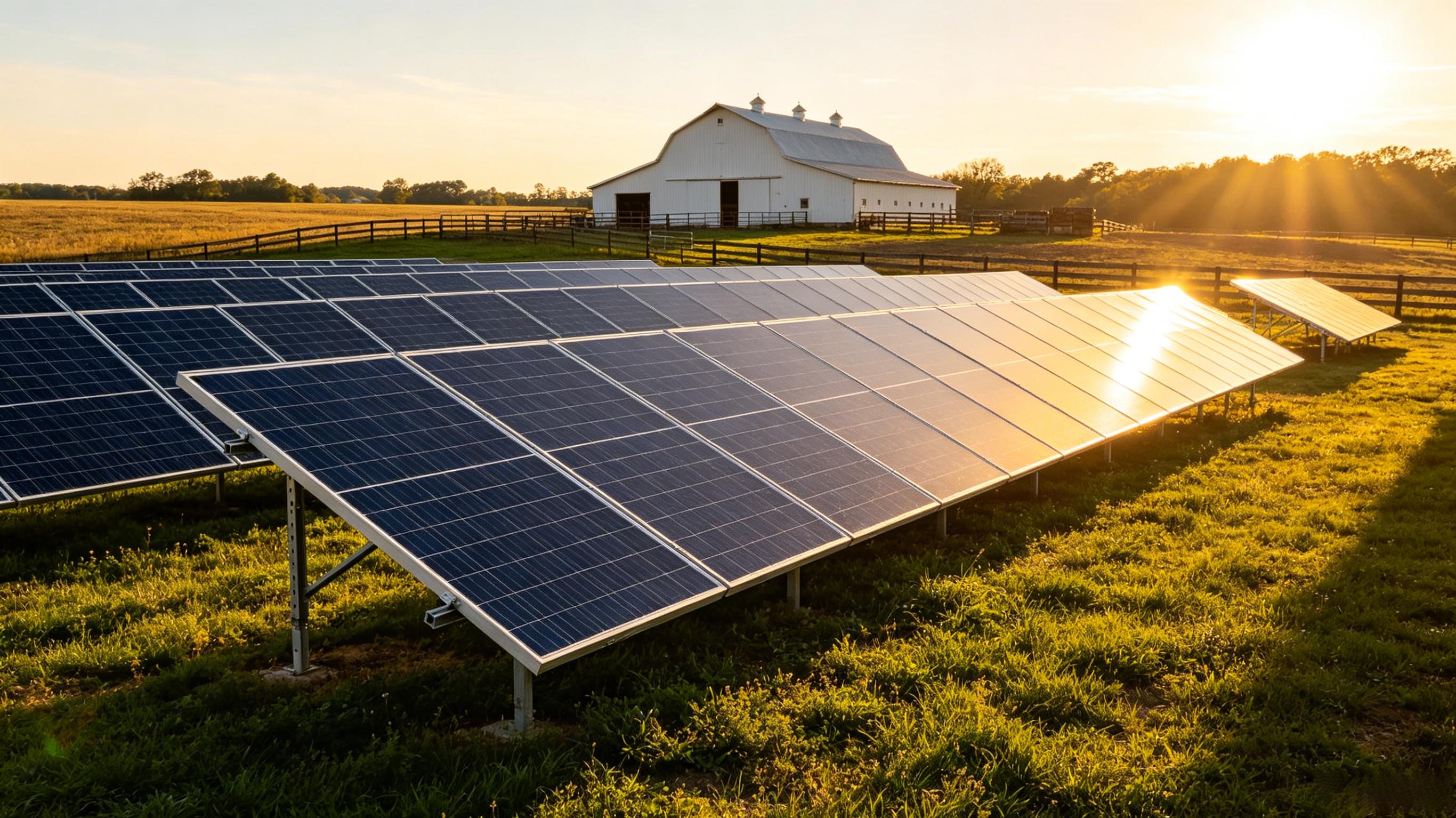
Red Eléctrica classifies the Canary and Balearic systems as non-peninsular electricity systems. These systems are smaller and have limited or no connectivity with the Spanish mainland, which creates different operating, storage and renewable-integration requirements.
Spain’s Royal Decree 244/2019 regulates the administrative, technical and economic conditions for electricity self-consumption. It includes self-consumption with or without surplus and provides a simplified compensation mechanism for eligible surplus electricity.
Solar power system in the Canary Islands decision table
|
|
|
|
|
|
|
|
|
|
|
|
|
|
|
|
|
|
|
|
|
|
|
|
Solar power system in the Canary Islands: battery use cases
A battery may improve:
- Solar self-consumption
- Evening energy use
- Tariff management
- Peak-demand management
- Use of locally generated renewable electricity
- Selected backup capability
However, adding a battery does not automatically permit or enable island operation.
The project still needs:
- An inverter approved for the intended operation
- Correct grid protection
- A compliant isolation arrangement
- A defined backup-load circuit
- Distributor or utility compliance where required
- Installation by qualified professionals
How Spain’s island market differs from Jamaica and Cuba
|
|
|
|
|
|
|
|
|
|
|
|
|
|
|
|
|
|
For Spain’s island regions, the marketing message should focus on:
- Self-consumption
- Storage optimization
- Commercial energy management
- Compliant backup
- Tourism and hospitality loads
It should not be based mainly on abandoning the public grid.
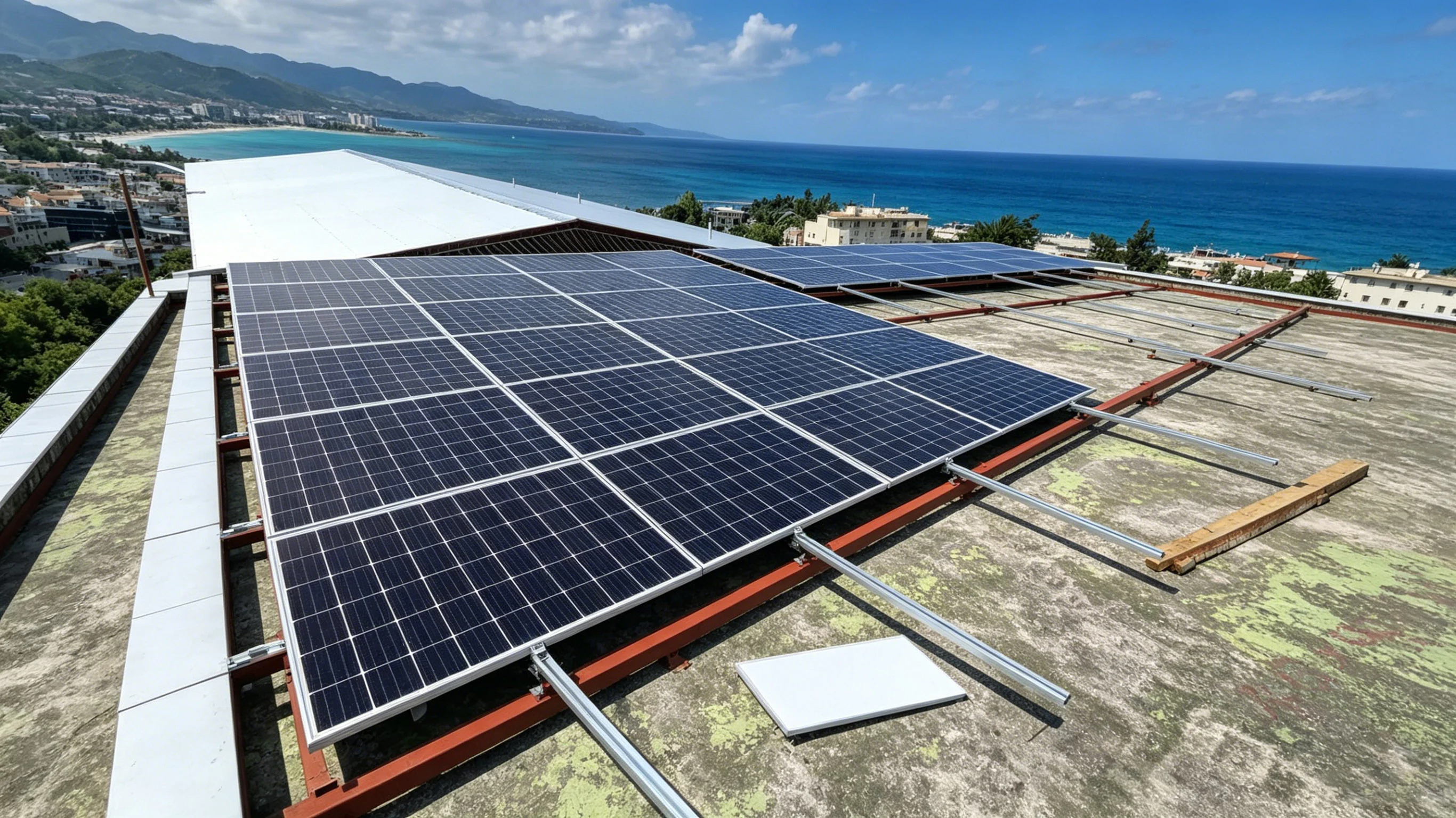
Hybrid Solar System for Islands: Which Architecture Fits Each Project?
|
|
|
|
|
|
|
|
|
|
|
|
|
|
|
|
|
|
|
|
|
|
|
|
|
|
|
|
|
|
|
|
|
|
|
|
|
|
|
|
|
|
|
|
Hybrid solar system for islands: the role of each energy source
|
|
|
|
|
|
|
|
|
|
|
|
|
|
|
|
|
|
|
|
|
The most reliable system is not necessarily the system with the largest solar array.
It is the system that can balance:
- Daytime production
- Night-time demand
- Seasonal conditions
- Critical loads
- Generator fuel
- Battery limits
- Maintenance events
Solar Battery Backup System: How to Size Essential Loads
Battery sizing should begin with the loads that must remain powered.
It should not begin with the total monthly electricity bill.
Solar battery backup system load-priority table
|
|
|
|
|
|
|
|
|
|
|
|
|
|
|
|
|
|
|
|
Solar battery backup system: kW vs kWh
|
|
|
|
|
|
|
|
|
|
|
|
|
|
|
|
|
|
|
|
|
|
|
|
Simple battery-runtime formula
Usable battery energy ÷ average load = approximate runtime
|
|
|
|
|
|
|
|
|
|
|
|
|
|
|
|
|
|
|
|
|
|
|
|
Actual runtime will normally be lower because of:
- Inverter losses
- Battery reserve settings
- Temperature
- Battery age
- Starting surges
- Changing loads
Solar battery backup system: equipment data to collect
|
|
|
|
|
|
|
|
|
|
|
|
|
|
|
|
|
|
|
|
|
|
|
|
|
|
|
|
|
|
Island Solar Power System: Coastal, Hurricane and Flood Engineering
Island installations require more than standard electrical design.
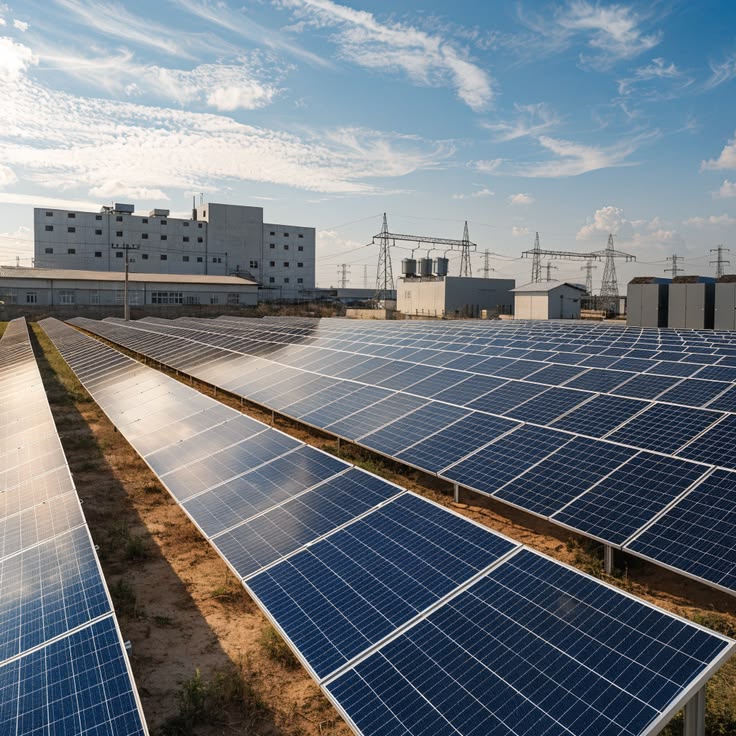
Island Solar Power System: Salt-Mist and Corrosion Protection
IEC 61701:2020 defines test sequences for evaluating photovoltaic-module resistance to corrosion caused by salt mist in wet, chloride-containing environments.
A panel that has passed a salt-mist test does not prove that the complete installation is corrosion-resistant.
|
|
|
|
|
|
|
|
|
|
|
|
|
|
|
|
|
|
|
|
|
|
|
|
|
|
|
|
|
|
Buyers should request information about:
- Materials
- Coatings
- Enclosure ratings
- Connector types
- Ventilation
- Maintenance intervals
- Coastal installation distance
Island Solar Power System: Hurricane and High-Wind Protection
The mounting system must be engineered as a complete structural path.
|
|
|
|
|
|
|
|
|
|
|
|
|
|
|
|
|
|
|
|
|
|
|
|
A strong solar panel will not protect the installation if the roof anchor or foundation fails.
Island Solar Power System: Flood Protection
Wheeled equipment cabinets may simplify movement or maintenance, but mobility should not be the main flood strategy.
|
|
|
|
|
|
|
|
|
|
|
|
|
|
|
|
|
|
|
|
|
|
|
|
Heavy equipment should not be attached to a wall unless both the cabinet and the building structure are designed for wall mounting.
Island Solar Power System: Spare Parts and Maintenance
Remote projects should identify parts that can disable the entire system.
|
|
|
|
|
|
|
|
|
|
|
|
|
|
|
|
|
|
|
|
|
|
|
|
|
|
|
|
|
|
|
|
|
For a remote island, the spare-parts plan should be part of the original system design.
Hybrid Solar System for Islands: How to Evaluate a Supplier
A supplier should be able to explain the complete operating system, not only provide a product list.
Hybrid solar system for islands supplier checklist
|
|
|
|
|
|
|
|
|
|
|
|
|
|
|
|
|
|
|
|
|
|
|
|
|
|
|
|
|
|
|
|
|
|
|
|
|
|
|
|
|
|
|
|
|
|
|
|
Required quotation documents
A professional proposal should include:
- Load analysis
- Solar-production assumptions
- Battery-runtime calculation
- Single-line electrical diagram
- Backup-load schedule
- Generator-control plan
- Equipment datasheets
- Battery communication details
- Protection devices
- Export-control design
- Installation scope
- Commissioning procedure
- Warranty documents
- Spare-parts recommendation
Hybrid Solar System for Islands: Where Sunchees Fits
Sunchees should be introduced only after the buyer has identified the required architecture.
The system type should be determined by:
- Grid availability
- Outage duration
- Load priorities
- Export rules
- Generator requirements
- Environmental conditions
Sunchees states that it was founded in 2008, is headquartered in Foshan, Guangdong, and operates a 1,000 m² production facility. Its published product information says that it develops solar inverters and lithium-battery systems and provides complete solar and solar-air-conditioning solutions.
Sunchees island-market positioning
|
|
|
|
|
|
|
|
|
|
|
|
|
|
|
|
|
|
|
|
|
|
|
|
|
|
|
|
|
|
Sunchees production and delivery terms
|
|
|
|
|
|
|
|
|
|
|
|
|
|
|
|
|
|
|
|
|
|
|
|
|
|
|
All delivery and compensation terms should appear in the signed sales contract.
Sunchees warranty information
Sunchees’ current warranty page states a five-year warranty for lithium batteries and a ten-year warranty for solar panels.
Sunchees installation-time claim
Actual installation time depends on:
- Site preparation
- Roof condition
- Foundations
- Project capacity
- Cable routes
- Backup distribution
- Generator connection
- Local inspection
- Utility approval
- Island logistics
Sunchees bifacial module upgrade
Sunchees currently advertises a free upgrade to double-glass bifacial modules for selected projects, subject to configuration and availability.
The company claims:
- More than 1.5% efficiency improvement
- Front- and rear-side energy generation
- Improved suitability for harsh outdoor environments
- Reduced hot-spot risk
Sunchees also states that actual gain depends on installation height, ground reflectivity, tilt, shading and local solar conditions.
Movable equipment in island projects
According to the supplied project material, some Sunchees system cabinets can be supplied with wheels, while the solar panels remain fixed.
This may help with:
- Maintenance access
- Layout changes
- Temporary repositioning
It does not replace:
- Flood elevation
- Structural anchoring
- Cable protection
- Safe ventilation
- Electrical isolation
Hybrid Mode vs Island Mode FAQ
What is the main difference between hybrid mode vs island mode?
Hybrid mode manages energy from solar, batteries, the grid and sometimes a generator.
Island mode starts after the system disconnects from the external grid and independently powers selected local loads.
Can one system support both hybrid mode and island mode?
Yes.
A system can operate in grid-connected hybrid mode during normal conditions and enter island mode after safe isolation during an outage.
Is every island solar power system off-grid?
No.
A system installed on an island may still be connected to a national utility, an island utility or a local diesel mini-grid.
Will solar panels work during a blackout?
Ordinary grid-connected solar normally shuts down during an outage.
Continued operation generally requires a suitable inverter, battery storage, safe isolation and a backup-load design.
Does a hybrid inverter guarantee outage power?
No.
The exact model must support backup output, grid-forming operation or another approved backup configuration.
What is a grid-forming inverter?
A grid-forming inverter can establish or maintain local voltage and frequency instead of waiting for those conditions to be supplied by an existing grid.
What is black start?
Black start is the ability to restart an electrical system without relying on an already operating external grid.
What is the best solar power system in Jamaica?
For many grid-connected homes and businesses, a hybrid system with a battery can combine self-consumption, eligible Net Billing and outage backup.
The final design depends on the property’s electrical service, loads and approved JPS arrangement.
What is the best solar power system in Cuba?
For properties affected by long outages, the usual priority is a solar battery backup system designed around critical loads.
A generator may still be required for extended interruptions.
What is the best solar power system in the Canary Islands?
For most connected properties, the normal starting point is a compliant grid-connected self-consumption system.
Battery storage may improve self-consumption, while backup operation requires additional compliant design and hardware.
Is zero export the same as off-grid operation?
No.
A zero-export system remains connected to the grid and can import electricity. It is controlled to avoid intentionally exporting surplus electricity.
Does an island solar power system always need a generator?
No.
A generator becomes more valuable where outages are long, cloudy periods are common, loads are large or the property requires continuous operation.
Can a battery power all air conditioners during an outage?
Only when the battery and inverter are sized for both normal running power and compressor-starting power.
Running all cooling equipment can greatly reduce backup duration.
What project information should be sent to a supplier?
Provide:
- Exact island and site location
- Monthly electricity use
- Utility bills where available
- Appliance and machinery list
- Air-conditioner specifications
- Pump and compressor data
- Grid voltage and phase
- Outage frequency and duration
- Required backup hours
- Generator information
- Roof or ground photographs
- Distance from the sea
- Flood and wind exposure
Hybrid Mode vs Island Mode: Final Selection Table
|
|
|
|
|
|
|
|
|
|
|
|
|
|
|
|
|
|
|
|
|
|
|
|
|
|
|
|
|
|
|
|
|
The most important buying question is not:
Is this a hybrid inverter?
It is:
What will the complete system do when the local grid fails, which loads will remain powered and how long will they operate?
That is the practical meaning of hybrid mode vs island mode for island solar buyers.
 Solar Panels from China to Guam: A Practical Import and Buyer Guide
 You May Also Like

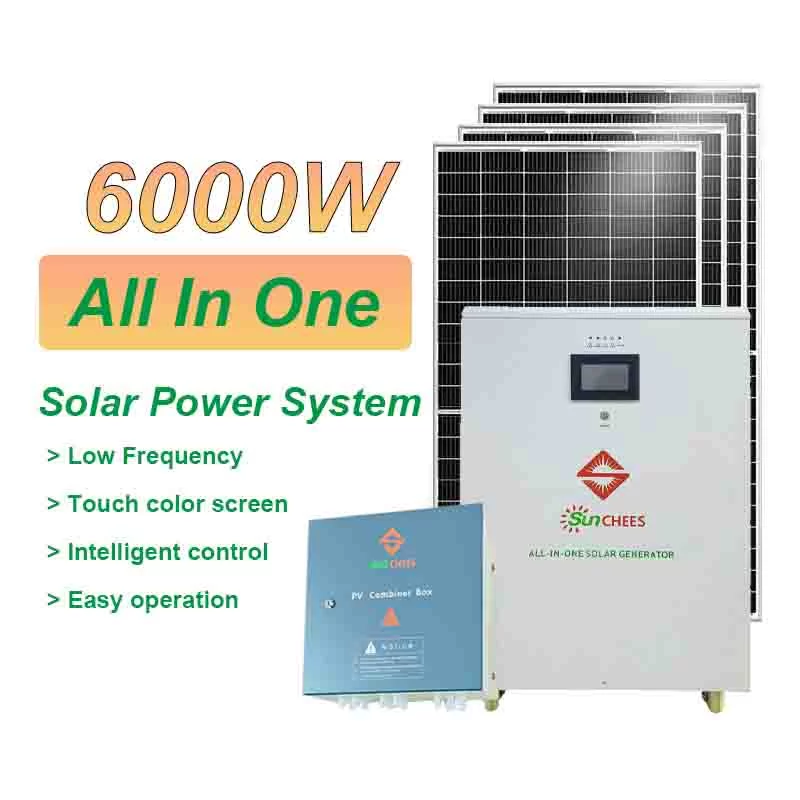

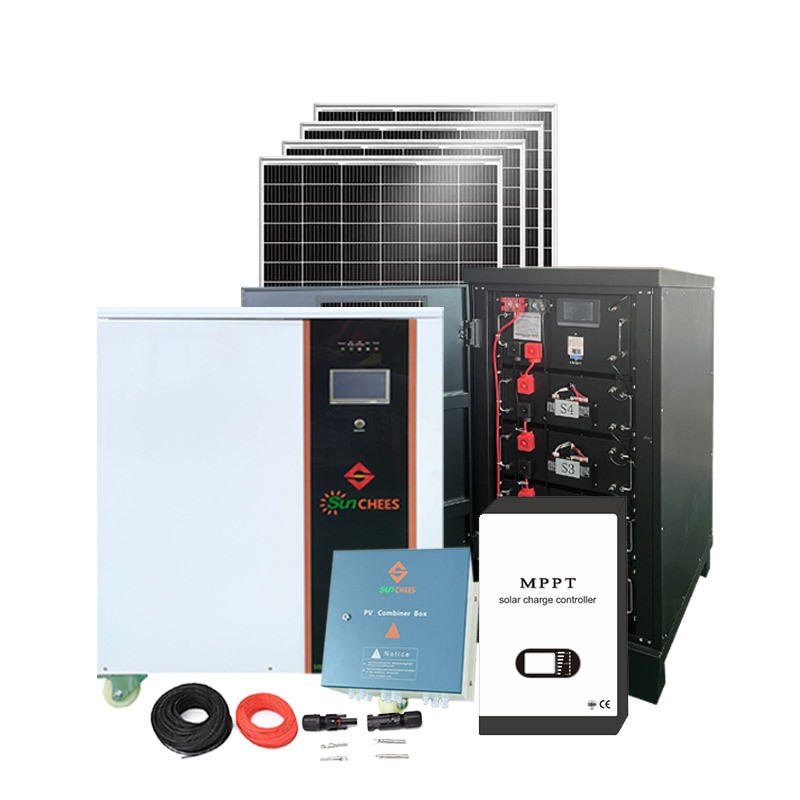
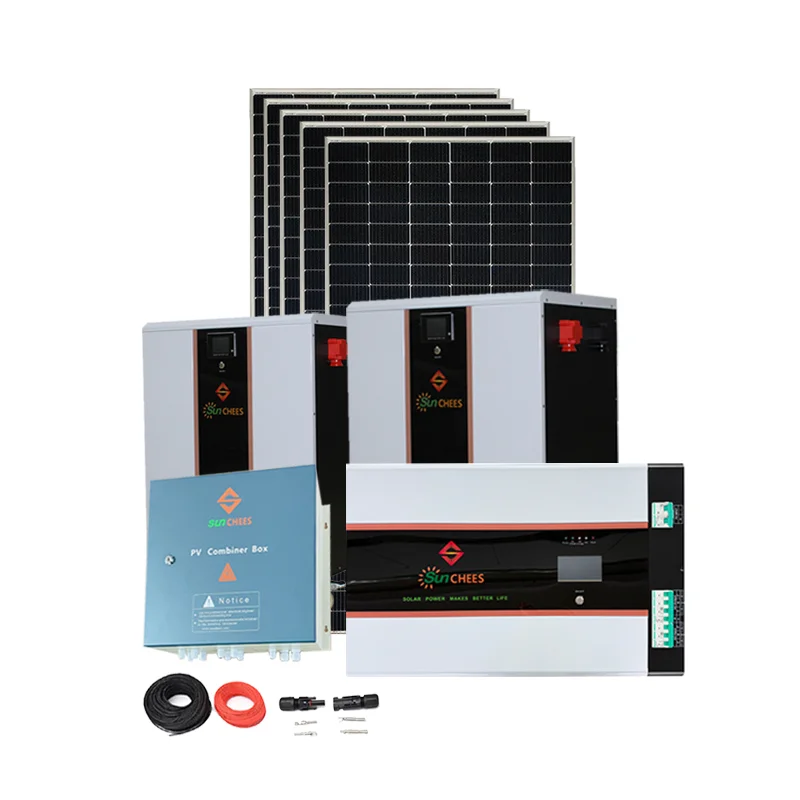

 Tel
Tel
 Email
Email
 Address
6th Floor, Zhonghe Zinan Industrial Park, No. 1 Zinan Changang West Road, Nanzhuang Town, Chancheng District, Foshan City, Guangdong Province. China (Mainland)