


 Whatsapp :
 Home
HomeSolar Panels from China to Guam: A Practical Import and Buyer Guide
 Jul 28,2026
 0
0
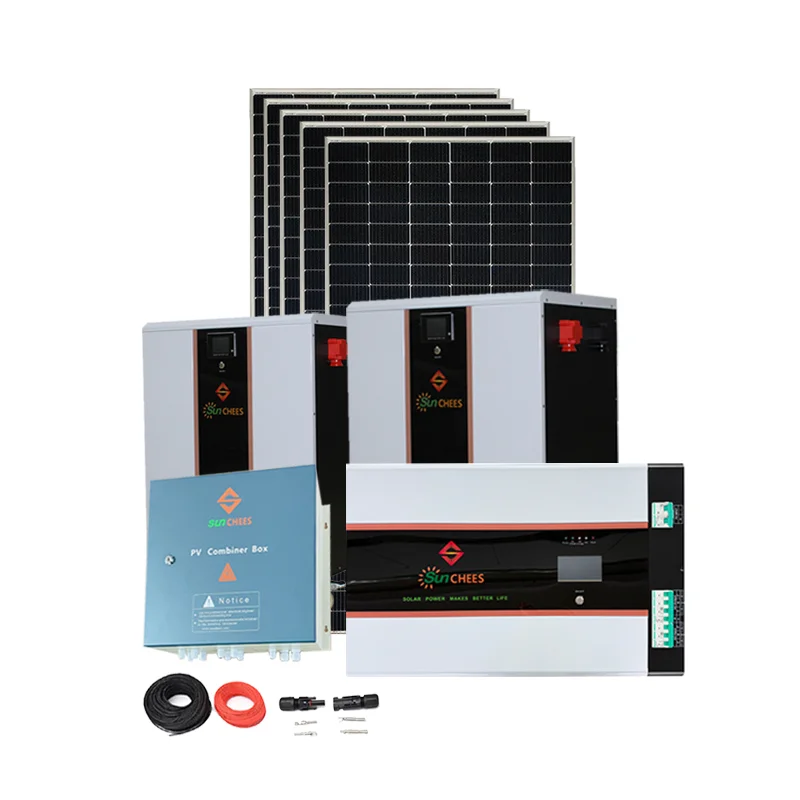
 sunchees solar system
You can import solar panels from China directly to Guam. A successful order depends on four decisions made before payment: choose a grid-tied, hybrid or off-grid system; have Guam professionals review the electrical and structural requirements; include customs, use tax, port and local delivery costs in the budget; and put model-specific documentation, packaging, warranty and spare-parts responsibilities into the purchase agreement.
Guam is currently outside the U.S. customs territory. A 2026 U.S. Government Accountability Office report explains that imports are administered locally by the Guam Customs and Quarantine Agency (CQA) and that Guam’s current customs model does not levy tariffs. Local taxes and destination charges still apply. Under 11 GCA Chapter 28, the general use tax rate is 4%, and taxable imports are generally assessed on landed value.
Exemptions, resale treatment, valuation and release requirements depend on the shipment and importer. Ask CQA, the Guam Department of Revenue and Taxation or a Guam customs broker to review the actual invoice and bill of materials before the goods leave China.
Why Guam Buyers Consider Solar Panels from China
China offers a wide selection of solar modules and system equipment. The International Energy Agency reports that China’s share of global manufacturing exceeds 80% across several stages of the solar PV supply chain. This manufacturing base gives buyers access to different module wattages, dimensions, glass constructions, frames, connectors and complete system configurations.
The value of an order still depends on the selected models. Two modules carrying the same 550W or 600W label may have different dimensions, voltage, current, temperature coefficients, mechanical-load ratings, test coverage and warranty terms. Guam adds strong winds, humidity, salt exposure, ocean freight and local interconnection review to that comparison.
Direct purchasing is generally most practical when:
- an installer, distributor or commercial project has enough volume to spread freight and clearance costs;
- the buyer needs a coordinated package of modules, inverters, racking, protection equipment or energy storage;
- a Guam engineer, licensed contractor and customs broker are involved;
- certificates, serial numbers, packaging and after-sales terms can be checked before payment.
A small residential order can also be quoted, but it should be compared with Guam inventory. LCL freight, export packing, destination charges, local delivery and breakage exposure can narrow the equipment-price advantage. Local suppliers may also include site work and faster service. Compare the full landed and installed cost, together with the responsibilities each party accepts.
Choose the System Role First
The system architecture determines the inverter, protection equipment, approvals, battery requirements and technical documents.
|
|
|
|
|
|
|
|
|
|
|
|
A standard grid-tied system normally shuts down during a utility outage for anti-islanding protection. Backup operation requires approved storage, transfer and protection equipment. The design should identify the refrigerator, lighting, communications, pumps, air conditioning or other circuits that will be connected to the backup panel.
You can review our solar panel range and off-grid solar system options during early planning. Have the proposed models reviewed in Guam before finalizing the bill of materials.

Prepare a Guam Project Input Sheet
Accurate project information allows the supplier and local designer to build a more useful proposal.
Homes and Small Businesses
Prepare:
- Twelve months of GPA bills or monthly kWh use.
- The daytime loads you want solar to cover.
- The critical loads that must operate during an outage.
- Nameplate data, starting power and operating hours for major appliances.
- Service voltage, frequency, phase and wire configuration.
- Photos of the meter, main panel, roof and available ground area.
- Roof type, age, orientation, pitch, shading and available structural records.
- Planned additions such as air conditioning, water heating, pumps, an EV or business equipment.
Commercial and Multifamily Projects
Add interval load data, peak demand, a one-line diagram, transformer and service capacity, structural information, outage costs and expansion plans.
GPA’s published plan-review requirements include an electrical site plan, one-line diagram, load calculations, applicable GPA standard details and a Professional Engineer seal. The imported equipment proposal must therefore connect cleanly with the Guam engineering package.
Equipment and Engineering Evidence for Guam
Record the Exact Models
Every key product should be identified by manufacturer, model and rating. The module, inverter, battery, racking, shutdown or protection equipment and connectors should match across the drawings, quotation, packing list and delivered labels.
Check Interconnection and Electrical Requirements
GPA’s Net Metering Program Interconnection Policy, AP-072, and its current plan-review requirements are the direct references for a grid-connected project. GPA’s public solar procurement documents also identify evidence such as UL 1741, IEEE 1547, UL 2703 and relevant module UL or IEC standards.
Public procurement specifications are useful indicators of the documentation buyers should request. The final requirements for a private home or commercial property come from GPA, the Guam Department of Public Works and the project’s local professionals.
CE, RoHS or a general “IEC certified” statement covers only the scope shown on the underlying document. For Guam review, provide the exact product model, testing laboratory, certificate or listing number, standard edition, data sheet and installation manual.
Confirm Voltage and Phase On Site
Use the electrical service information recorded at the property. A common residential description in Guam is 120/240V split-phase, while commercial sites may use other voltages or three-phase service. Match the inverter output and protection equipment to the meter, main-panel nameplate, drawings and electrician’s site record.
Design for Wind, Structure and Corrosion
Public Guam solar project documents treat high-wind and seismic design as material engineering requirements. The design values for a home or commercial building depend on current codes, site exposure, building height, roof zones and structural calculations.
A module’s mechanical-load test is one part of the evidence. The complete load path also includes rails, clamps, fasteners, roof connections, waterproofing and the supporting structure.
For humid and salt-exposed locations, review:
- module frames, fasteners and racking materials;
- connector manufacturer and series matching;
- junction-box and outdoor-enclosure protection ratings;
- cable ratings for UV, heat and wet locations;
- galvanic corrosion between dissimilar metals;
- inspection, cleaning, torque-check and corrosion-treatment schedules.
Guam Customs, Use Tax and Port Costs
Customs Territory
Guam is a U.S. territory but is currently outside the U.S. customs territory. The 2026 GAO report states that Guam’s local customs model does not levy tariffs. Guam law also describes the island as a duty-free port in the general-tariff context.
This customs treatment does not make the shipment free of all destination costs. A working budget should also cover use tax, insurance, port operations, inspection, customs brokerage, local trucking, engineering, permits and installation.
General 4% Use Tax
Under 11 GCA Chapter 28, the general use tax rate is 4%. Taxable imports are assessed on landed value, and CQA may collect the tax before releasing goods from the port.
Before ordering, provide the local broker or CQA/DRT with:
- the pro forma invoice;
- a complete bill of materials;
- quantity, unit value and country of origin for each product group;
- the Incoterm;
- freight and insurance;
- the importer and intended use;
- whether the goods will be resold, installed or used by the importer;
- separate values for modules, batteries, inverters and racking.
The shipment may qualify for different treatment based on resale status, the importing entity or another applicable provision. Obtain advice for the actual transaction.
Port and Local Charges
The Port Authority of Guam publishes its terminal tariff. Keep separate budget lines for possible wharfage, terminal handling, security or facility charges, inspection, storage, demurrage or detention, customs brokerage and local delivery.
Rates and responsibilities vary with the carrier, container type, LCL or FCL service, free time and pickup schedule. Use current written quotations instead of a fixed generic destination charge.
Shipping Solar Equipment from China to Guam
Define the Incoterm
|
|
|
|
|
|
|
|
|
|
|
|
For any Incoterm, request an itemized price and a clear handoff between parties. An “all-inclusive” offer is useful only when its included items and exclusions are written into the agreement.
Standard Shipping Documents
A solar-module shipment commonly requires:
- commercial invoice;
- packing list;
- bill of lading;
- certificate of origin;
- model data sheets and test or certification records;
- insurance certificate;
- package numbers, dimensions, gross and net weights, and packing photos;
- consignee, notify-party and broker information;
- treatment or marking records required for wood packaging.
Packing and Arrival Inspection
Modules should be secured on stable pallets or in export crates with edge protection, moisture protection, anti-tip restraint and clear handling marks. Before loading, photograph every pallet, its serial-number records, container seal and internal bracing.
At pickup in Guam, inspect the exterior packaging, impact or tilt indicators and visible glass condition before unpacking. Notify the carrier, insurer and supplier within the claim periods written into the contract.
Orders That Include Lithium Batteries
Solar modules and lithium batteries have different transport requirements. PHMSA states that lithium-cell and battery types offered for transport must pass UN Manual of Tests and Criteria subsection 38.3, and the manufacturer or distributor must make a test summary available. Ocean transport is also subject to IMDG Code classification, packaging, marking, labeling, documentation and stowage rules.
Before booking a battery shipment, prepare:
- the UN 38.3 test summary for the exact battery model;
- SDS or MSDS;
- rated Wh, quantity, net battery weight and packing configuration;
- the correct UN number and proper shipping name;
- the dangerous-goods declaration information;
- carrier-approved packaging, marks, labels and stowage instructions.
The required details depend on battery capacity, configuration, whether the battery is packed with equipment and the selected route. The dangerous-goods forwarder and carrier complete the booking review using the actual product documents.
Build a Complete Landed-Cost Worksheet
A useful estimate keeps every cost in its original currency and identifies the responsible party.
|
|
|
|
||
|
|
|
|
||
|
|
|
|
||
|
|
|
|
||
|
|
|
|
||
|
|
|
|
||
|
|
|
|
|
|
|
|
|
|
||
|
|
|
|
||
|
|
|
|
||
|
|
|
|
||
|
|
|
|
||
|
|
|
|
Mark the total as incomplete whenever a required line is still missing. This preserves the real labels and prevents an early equipment price from being presented as the final Guam project cost.
How to Evaluate a Chinese Solar Supplier
Verify the Contracting Party
Check the business license, payment-account name, contract seller, manufacturing address and actual production relationship. If the quotation contains modules or equipment from another brand, ask for the supply source, serial-number verification process and written after-sales responsibility.
Review Model-Level Quality Records
For each proposed module, check:
- the complete data sheet and revision date;
- power tolerance, Voc, Isc, Vmp, Imp and temperature coefficients;
- dimensions, weight, frame, glass and junction box;
- mechanical-load test scope;
- model coverage in salt-mist, damp-heat or PID reports;
- certificate or listing number, laboratory and verification status;
- factory flash-test, EL-inspection and serial-number records;
- spare-module allowance and arrival-inspection plan.
Put the Warranty Into the Order
Our published Sunchees solar-panel wording is a 10-year product warranty and a 25-year linear power warranty. The order should identify the covered model and include the applicable degradation schedule, start date, claim evidence, exclusions and response periods.
For an international order, also state who pays for replacement parts, labor, diagnostics and freight; whether return shipment to China is required; who provides troubleshooting in Guam; and how discontinued models will be handled.
How Sunchees Supports the Purchasing Process
After receiving 12 months of energy use, site electrical information, critical loads, backup objectives and project photos, our team can prepare a proposed equipment package, model data sheets, packing information and an export-document checklist. We can also coordinate shipment details with the selected forwarder.
Guam structural calculations, permits, licensed installation, GPA interconnection and final inspections remain within the scope of qualified local professionals. Have the proposed equipment reviewed locally before confirming the final bill of materials and payment.
Explore our solar panels, compare off-grid system configurations or review our published certificate information as initial references. The quotation and order documents should contain the records for the actual products being supplied.

15 Checks Before Payment
- Select grid-tied, hybrid or off-grid operation.
- Compile 12 months of energy use and the critical-load list.
- Record service voltage, phase, frequency and main-panel information.
- Have the proposed models reviewed by the Guam engineer or installer.
- Confirm the current GPA and DPW approval path.
- Record the manufacturer and model for modules, inverters, batteries and racking.
- Verify required listings and certificates by model and number.
- Obtain data sheets, installation manuals and warranty attachments.
- Confirm wind design, anchorage, waterproofing and corrosion measures.
- Put the Incoterm, consignee, clearance and cost responsibilities into the quotation.
- Have a Guam professional review CQA and use-tax treatment.
- Quote port, inspection, brokerage, local delivery and free time.
- Complete dangerous-goods booking review for any battery shipment.
- Confirm packing records, loading photos, insurance and arrival claims.
- Write the spare-parts, remote commissioning and Guam service responsibilities into the agreement.
Frequently Asked Questions
Are solar panels imported from China to Guam subject to U.S. tariffs?
Guam is currently outside the U.S. customs territory. The 2026 GAO report states that Guam’s current local customs model does not levy U.S. federal tariffs. Guam use tax, port and clearance costs may still apply, so CQA or a Guam customs broker should review each shipment before departure.
What is the import tax on solar panels in Guam?
Under 11 GCA Chapter 28, the general use tax rate is 4%, and taxable imports are assessed on landed value. Exemptions, resale treatment, the importing entity and valuation may change the result. Ask CQA, DRT or a Guam customs broker to review the actual invoice and bill of materials.
Are CE or IEC certificates enough for GPA interconnection?
GPA interconnection follows AP-072, current electrical and building requirements, and local review. Provide the exact product model, certificate or listing number, laboratory, standard edition, data sheet and installation manual for review by GPA and the project’s Guam professionals.
How long does ocean shipping from China to Guam take?
Transit time depends on the origin port, direct or transshipment service, LCL or FCL booking, dangerous goods, sailing schedule, weather, inspection and Guam pickup. Use the carrier or forwarder’s current route, cut-off, ETD, ETA and free-time quotation for the shipment.
Will solar panels work during a GPA outage?
A standard grid-tied system normally stops supplying the building during a utility outage for anti-islanding protection. Backup operation requires approved storage, transfer, protection and backup-panel design sized for the selected critical loads and backup duration.
Does every Guam solar project need a battery?
Battery storage depends on the objective. A grid-tied project focused on daytime self-consumption may not require storage. Backup and off-grid systems generally use storage together with the necessary controls and protection. Size it from critical loads, starting power and required backup duration.
Is a 550W or 600W solar panel better for Guam?
Module wattage is one design input. Available roof area, module dimensions and weight, string voltage, inverter MPPT range, temperature coefficients, mechanical loads, listing requirements and shipping efficiency determine which model fits the complete system.
Can Sunchees handle installation and GPA approval in Guam?
We can prepare equipment recommendations, technical records, packing information and export documents from the project inputs. Qualified Guam professionals handle structural calculations, permits, licensed installation, GPA interconnection and final inspection. The quotation and contract should define each party’s scope.
Editorial Sources
- U.S. Government Accountability Office — Guam Customs Models (2026)
- Guam Customs and Quarantine Agency
- 11 GCA Chapter 28 — Use Tax Law
- Port Authority of Guam — Terminal Tariff
- Guam Power Authority — Forms and Permits
- Guam Power Authority — Standard Interconnection Agreement
- Guam Bureau of Statistics and Plans — BLPC
- National Renewable Energy Laboratory — Guam 2023 Energy Baseline
- International Energy Agency — Solar PV Global Supply Chains
- PHMSA — Transporting Lithium Batteries
- International Maritime Organization — IMDG Code
 Where to Install Off-Grid Solar Batteries in a French Home
 You May Also Like



 Tel
Tel
 Email
Email
 Address
6th Floor, Zhonghe Zinan Industrial Park, No. 1 Zinan Changang West Road, Nanzhuang Town, Chancheng District, Foshan City, Guangdong Province. China (Mainland)