


 Whatsapp :
 Home
HomeShipping Solar Panels to Ecuador: 20kW Solar System Cost and Complete Process
 Jul 20,2026
 0
0
 sunchees solar system
Shipping solar panels to Ecuador directly from China gives homeowners, farms and businesses access to complete solar power systems that can be customized around local voltage, daily energy consumption, backup requirements and installation conditions.
However, the equipment price is only one part of the project. Buyers must also consider international freight, shipping documents, customs clearance at Guayaquil Port, inland delivery and local installation.
This guide uses the actual logistics data from a real 20kW solar system project shipped from China to Ecuador.
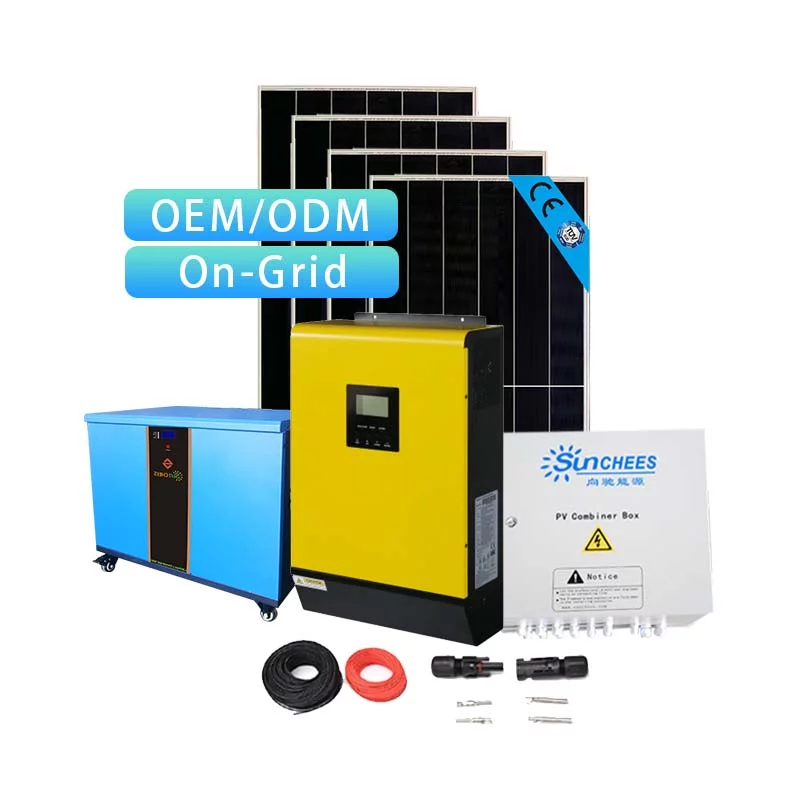
Sunchees currently lists its complete 20kW off-grid solar system at a reference price of US$13,000–15,000. The published package combines solar panels, a 20kW inverter, lithium battery storage, an MPPT controller, a combiner box, mounting structures and cables.
Based on the real project data, the cost can be calculated as:
Estimated cost to customs release = US$14,800–16,800 + US$230 × final shipment volume in CBM
The final shipping volume is confirmed after the system is produced and packed.
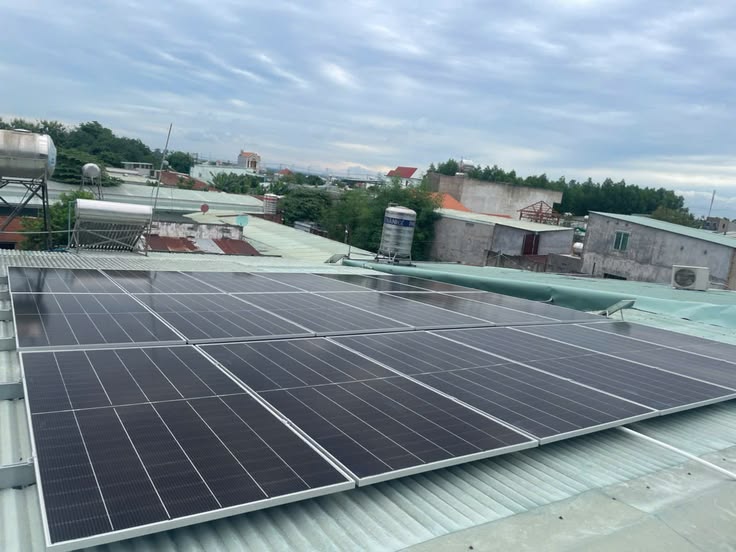
Shipping Solar Panels to Ecuador: How Much Does a 20kW Solar System Cost?
The equipment price depends on the solar-panel quantity, battery capacity, inverter configuration, mounting structure and project voltage.
For the standard Sunchees 20kW off-grid package, the current published equipment price is:
US$13,000–15,000
The project logistics charges are:
- International freight: US$230 per CBM
- Other logistics costs: US$300
- Customs-clearance cost: US$1,500
Let the final packed volume be represented by X CBM.
|
|
|
|
|
|
|
|
|
|
|
|
|
|
|
|
|
|
For example, when the supplier issues the final packing list, the buyer can insert the confirmed volume directly into the formula:
Total cost = equipment price + confirmed CBM × US$230 + US$300 + US$1,500
This project calculation covers the solar equipment, international transportation and customs clearance at Guayaquil Port.
Transportation from Guayaquil Port to the final project address and any site preparation work are calculated according to the actual location.
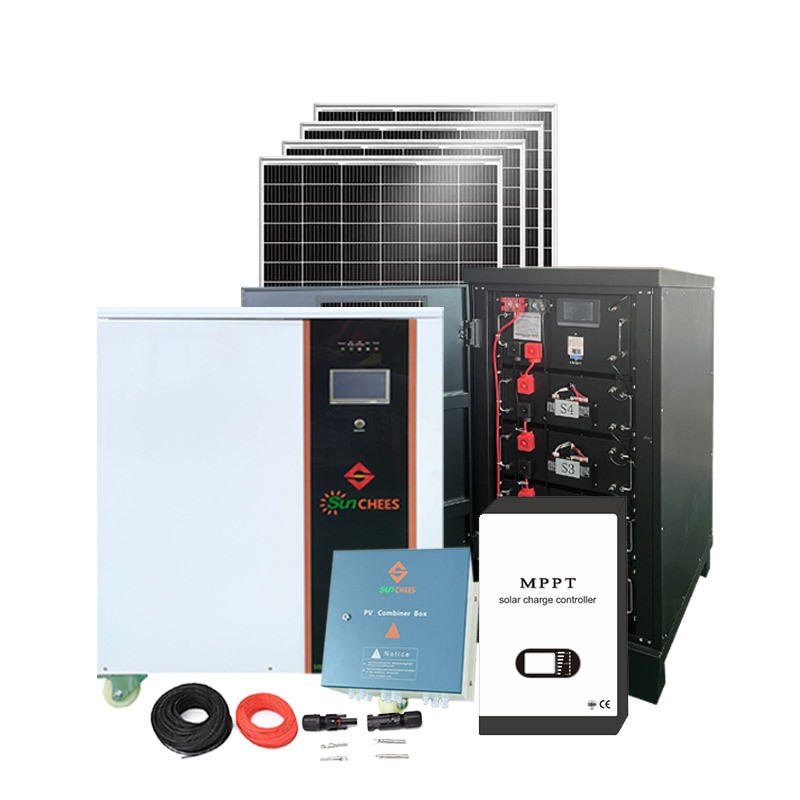
Shipping Solar Panels to Ecuador: What Is Included in the 20kW Solar System?
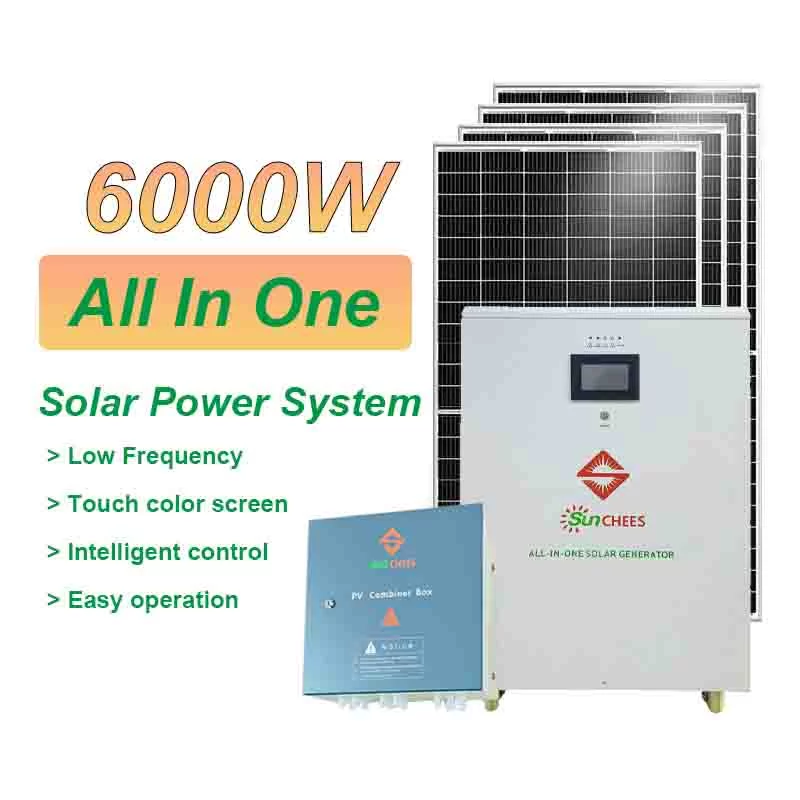
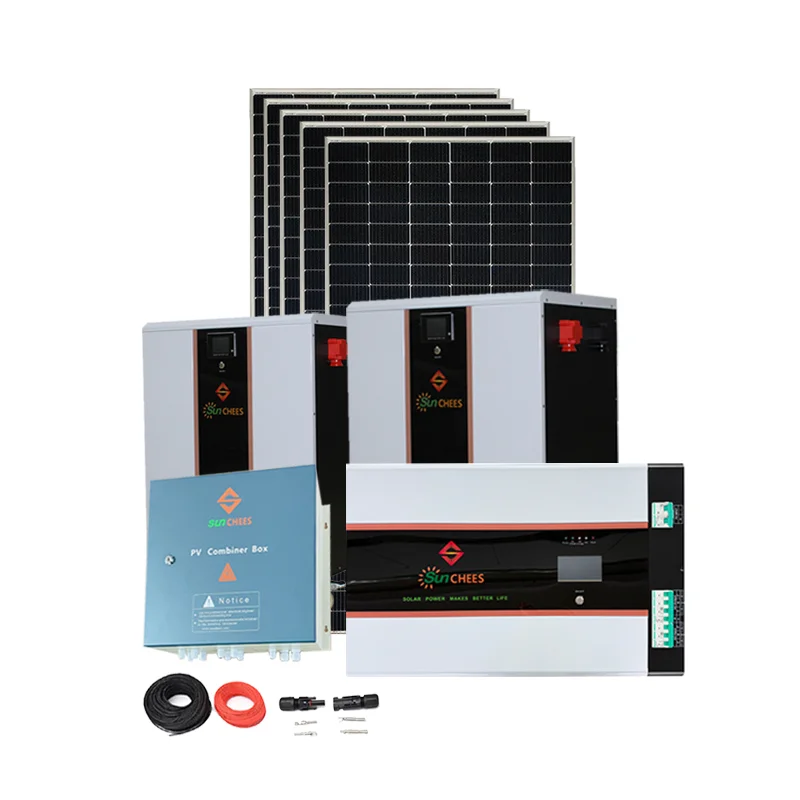
Sunchees’ published 20kW system is a complete off-grid power and battery-storage package rather than a shipment of solar panels alone.
The standard published configuration includes:
|
|
|
|
|
|
|
|
|
|
|
|
|
|
|
|
|
|
|
|
|
|
|
|
|
|
|
|
|
|
|
|
|
|
|
|
|
|
|
|
|
|
The 20kW rating refers to the inverter’s rated output capacity. The standard published solar array consists of 24 × 600W panels, providing 14.4kWp of installed panel capacity. Buyers who require a full 20kWp array can request additional panels and an adjusted system design.
A complete system can simplify procurement because the inverter, lithium battery, MPPT controller, solar array and protection equipment are selected as one operating package.
This is especially important for an off-grid or hybrid system, where the main components must be compatible in terms of:
- Battery voltage
- Inverter input range
- MPPT operating range
- BMS communication
- Charging current
- Solar-array voltage
- Output voltage and phase
- Surge and motor-starting capacity
Sunchees says it develops and supplies solar inverters, lithium batteries, controllers and complete solar systems from its Foshan operation, allowing the system to be configured around a single project rather than assembled from unrelated components.
Shipping Solar Panels to Ecuador: What Is the Complete Shipping Process?
A solar system from China can be delivered to Ecuador through the following process.
1. Provide the exact project location
The first step is to provide the installation address, including:
- Province
- City
- Site address
- Residential, agricultural or commercial use
- Roof or ground installation
- Site photographs
- Distance from Guayaquil Port
The location affects inland delivery, installation arrangements, environmental protection and the required mounting structure.
Sunchees also uses the exact location to check whether its cooperating local installer can serve the project.
2. Submit the electrical-load information
The system should be designed around the equipment that needs to run, not only around the words “20kW solar system.”
Useful information includes:
- Monthly electricity consumption
- Daytime electricity use
- Nighttime electricity use
- Maximum simultaneous load
- Number and size of air conditioners
- Water-pump power
- Refrigerators and freezers
- Electric ovens and water heaters
- Motors or production equipment
- Required backup duration
- Existing utility connection
- Existing generator
- Single-phase, split-phase or three-phase supply
This information determines the required solar-array size, battery capacity and inverter configuration.
3. Confirm the final system design
Before production, the buyer receives a system configuration showing:
- Solar-panel model and quantity
- Total installed PV capacity
- Inverter model
- Battery capacity
- Battery voltage
- MPPT-controller specifications
- Combiner-box specifications
- Mounting structure
- Cable quantities
- Connectors and protection equipment
- Optional spare parts
Sunchees supports OEM production, alternative solar-panel brands and customized off-grid, hybrid and solar air-conditioning solutions.
4. Produce and test the system
The current Sunchees 20kW product listing shows a production lead time of approximately 7–15 days.
Sunchees’ broader delivery information also lists:
|
|
|
|
|
|
|
|
|
During production, a designated contact can provide regular progress updates, including photographs and videos. Sunchees also states that qualifying contracts can include a 5% late-delivery penalty.
5. Complete export packaging
After testing, the equipment is packed according to the product type:
|
|
|
|
|
|
|
|
|
|
|
|
|
|
|
|
|
|
|
|
|
|
|
|
The final packing list records:
- Number of packages
- Package dimensions
- Net weight
- Gross weight
- Total CBM
- Product quantities
The freight charge is then calculated at US$230 per confirmed CBM.
6. Ship the system to Guayaquil Port
The destination for this project is:
Guayaquil Port, Ecuador
The actual ocean transit time is:
40–55 days
The shipment is accompanied by the commercial and transport documents required for import clearance.
7. Complete ECUAPASS customs clearance
The consignee or appointed customs agent submits the import declaration and supporting documents through Ecuador’s official ECUAPASS system.
For this project, the customs-clearance cost is:
US$1,500
The normal time from vessel arrival to customs release is:
7–15 days
8. Deliver and install the system
After customs release, the cargo is transported from Guayaquil Port to the installation address.
Sunchees works with local installation partners. A standard installation normally takes approximately five days, including commissioning and monitoring-app setup. The exact installation location is required before the service can be arranged.
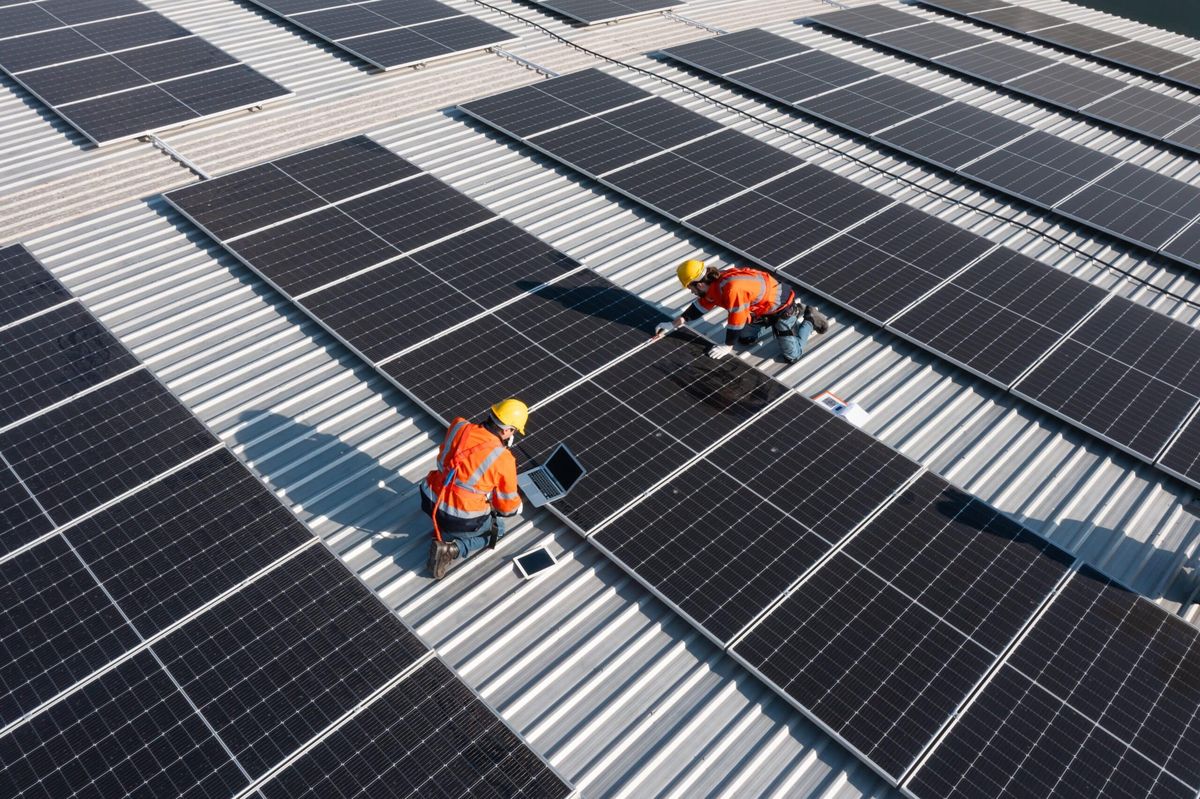
Shipping Solar Panels to Ecuador: How Does ECUAPASS Customs Clearance Work?
All formal Ecuadorian import procedures are handled through the country’s official ECUAPASS customs clearance platform.
According to Ecuador’s National Customs Service, an importer must first obtain an RUC, acquire a digital certificate for electronic signatures and register as an importer through ECUAPASS.
The system is used to:
- Register the importer
- Update importer information
- Create the ECUAPASS account
- Register the electronic signature
- Submit the import declaration
- Provide supporting documents
- Track the customs process
Why appoint an Agente de Aduanas?
For a complete solar system shipment, the consignee is advised to appoint an accredited Agente de Aduanas.
An Agente de Aduanas can assist with:
- Checking the importer’s ECUAPASS registration
- Reviewing the commercial invoice
- Reviewing the packing list
- Checking the bill of lading
- Preparing the import declaration
- Confirming product classifications
- Submitting supporting documents
- Coordinating customs inspections
- Managing customs-release procedures
- Coordinating cargo release at Guayaquil Port
SENAE states that imported goods are cleared with the participation of the importer or a customs agent formally accredited by SENAE. The customs authority also publishes a list of authorized customs agents.
When should the customs process begin?
The customs agent should receive the documents before the vessel reaches Ecuador.
SENAE permits the import declaration to be transmitted up to 15 calendar days before the arrival of the vessel and up to 30 calendar days after arrival. Preparing the declaration in advance can reduce delays after the cargo reaches Guayaquil Port.
What documents are normally required?
|
|
|
|
|
|
|
|
|
|
|
|
|
|
|
|
|
|
|
|
|
|
|
|
|
|
|
Having the commercial invoice, packing list and equipment information ready before arrival helps the Agente de Aduanas prepare the ECUAPASS submission efficiently.
Shipping Solar Panels to Ecuador: How Long Does the Project Take?
The confirmed timeline for the real 20kW project is:
|
|
|
|
|
|
|
|
|
|
|
|
|
|
|
From vessel departure in China to customs release in Ecuador:
Approximately 47–70 days
From order production to completed installation:
Approximately 59–90 days
This timeline can vary according to the sailing schedule, final delivery location and site readiness.
The process can move more efficiently when the buyer completes the following tasks during production:
- Appoint the Agente de Aduanas
- Confirm ECUAPASS importer registration
- Review the invoice
- Review the packing list
- Confirm consignee details
- Prepare the project site
- Arrange inland delivery
- Confirm the installation schedule
Shipping Solar Panels to Ecuador: How Is the System Installed?
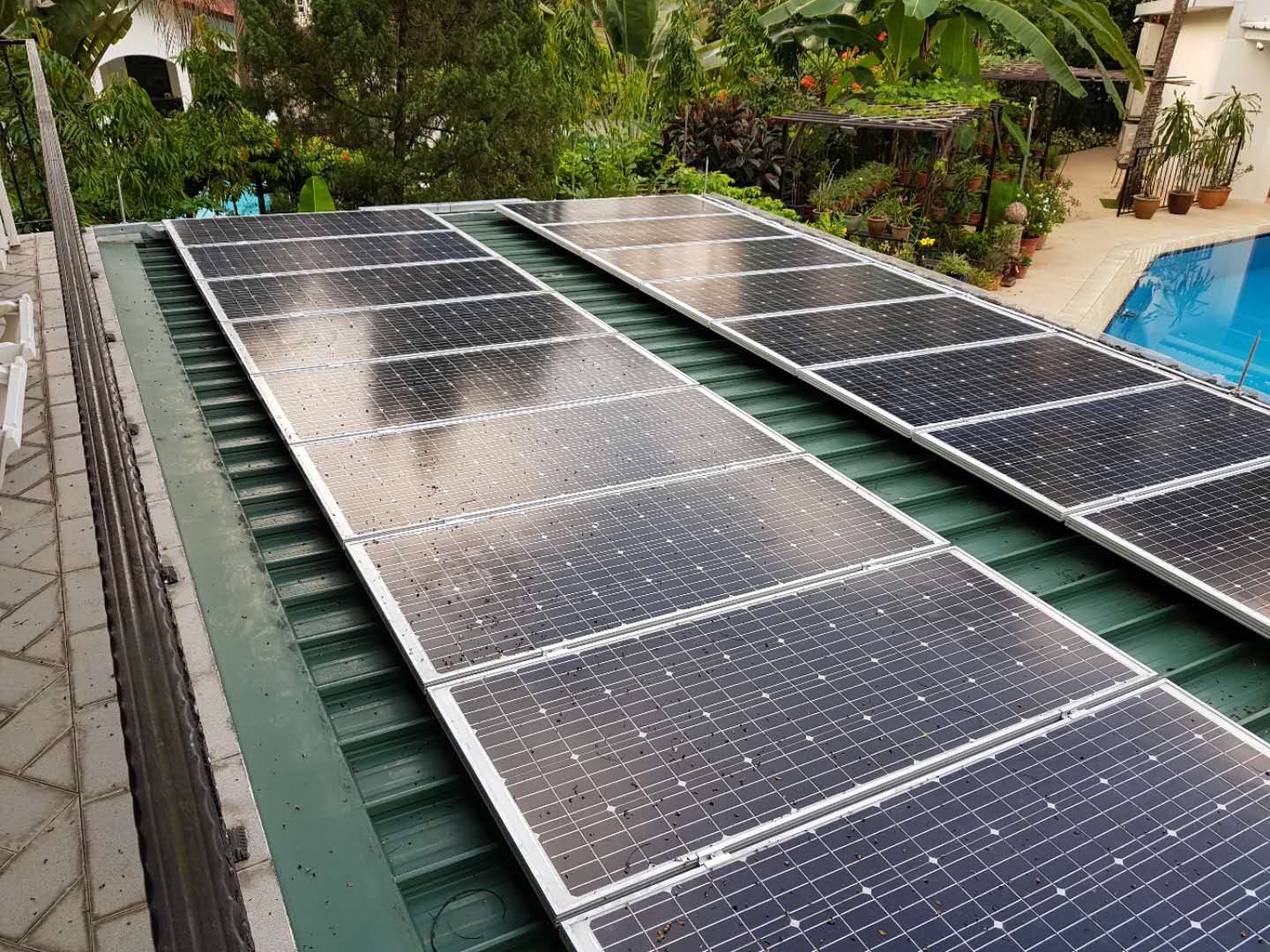
Once the equipment arrives at the project site, the installation team completes the mechanical and electrical work.
A standard installation may include:
- Inspecting the roof or ground-installation area
- Confirming solar-panel orientation
- Installing the mounting structure
- Mounting the solar panels
- Positioning the inverter and battery equipment
- Connecting the solar array
- Connecting the battery bank
- Installing the combiner box and protection equipment
- Completing AC and DC wiring
- Testing charging and power output
- Configuring Wi-Fi monitoring
- Commissioning the complete system
Sunchees’ local partner installation normally takes approximately five days, including commissioning.
For buyers outside the local installer’s service area, Sunchees provides remote installation guidance. For individual systems of 50kW or more, Sunchees states that free on-site engineer support can be arranged.
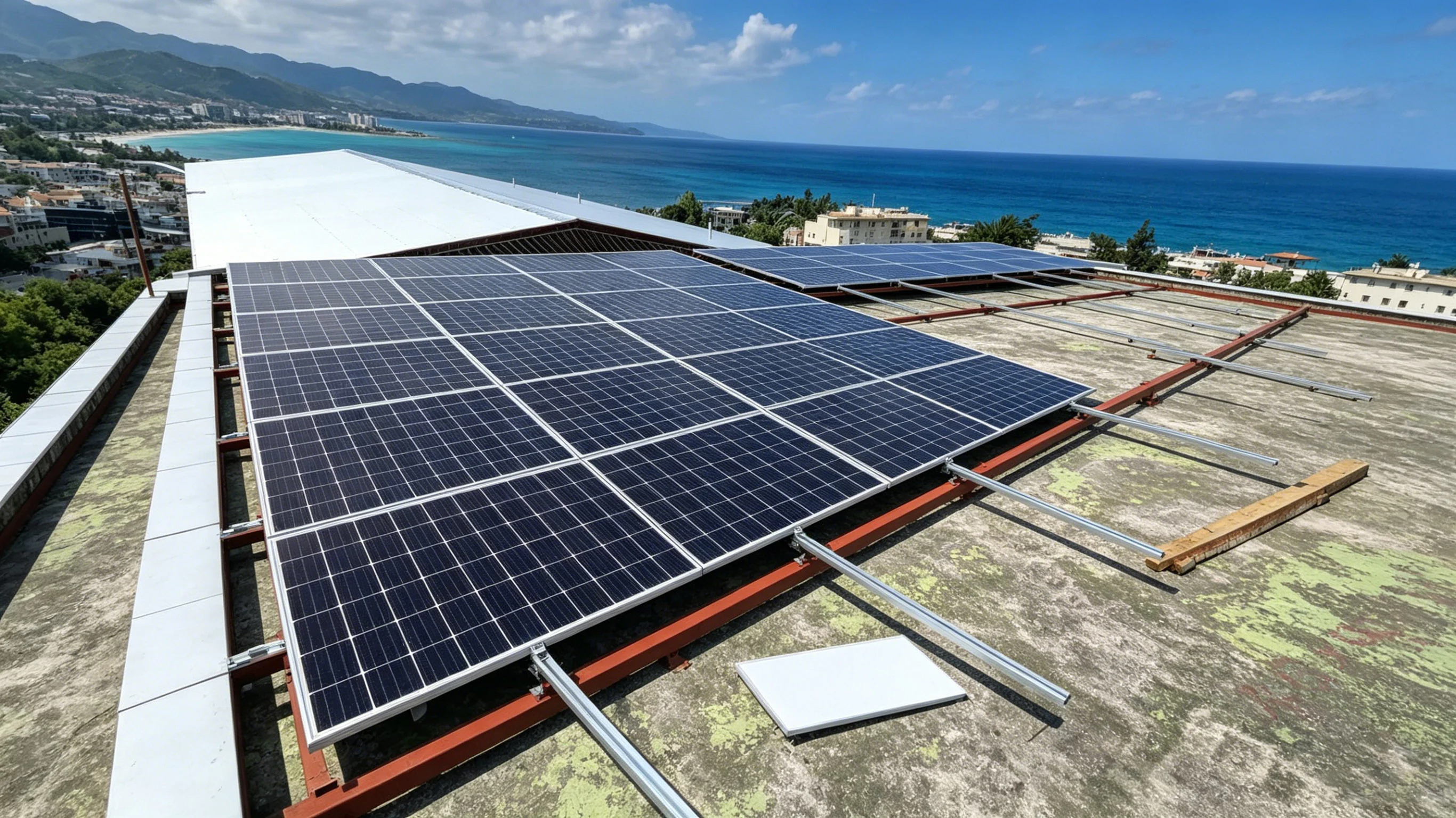
Shipping Solar Panels to Ecuador: Can the Equipment Be Moved or Elevated?
The solar panels remain fixed to the roof or ground-mounted structure.
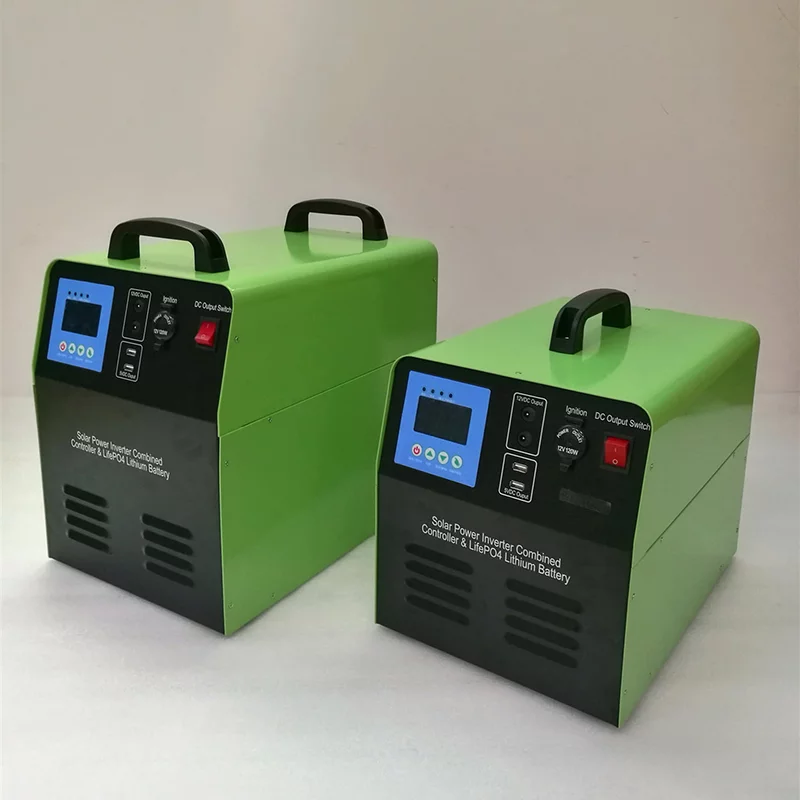
The main inverter-and-battery equipment can be supplied as a floor-standing unit with industrial wheels. This makes it easier to position the equipment during installation and move it when maintenance or site changes are required.
What about flood-prone locations?
In areas with a history of flooding, it is better to position the electrical equipment above the expected flood level.
Suitable options may include:
- An engineered elevated platform
- A raised equipment room
- A fixed structural base
- A purpose-designed wall-mounted configuration
A heavy mobile battery cabinet should not be attached to a wall using an improvised mounting method. Buyers requiring elevated installation should request a configuration designed for the site’s wall structure, equipment weight, ventilation and maintenance requirements.
The final installation design should consider:
- Historical flood level
- Battery weight
- Structural load
- Air circulation
- Heat dissipation
- Cable protection
- Maintenance access
- Emergency isolation
- Distance from water sources
Providing site photographs and the exact location allows Sunchees and the installation team to recommend a suitable arrangement.
Shipping Solar Panels to Ecuador: What Is the Free Bifacial Upgrade?
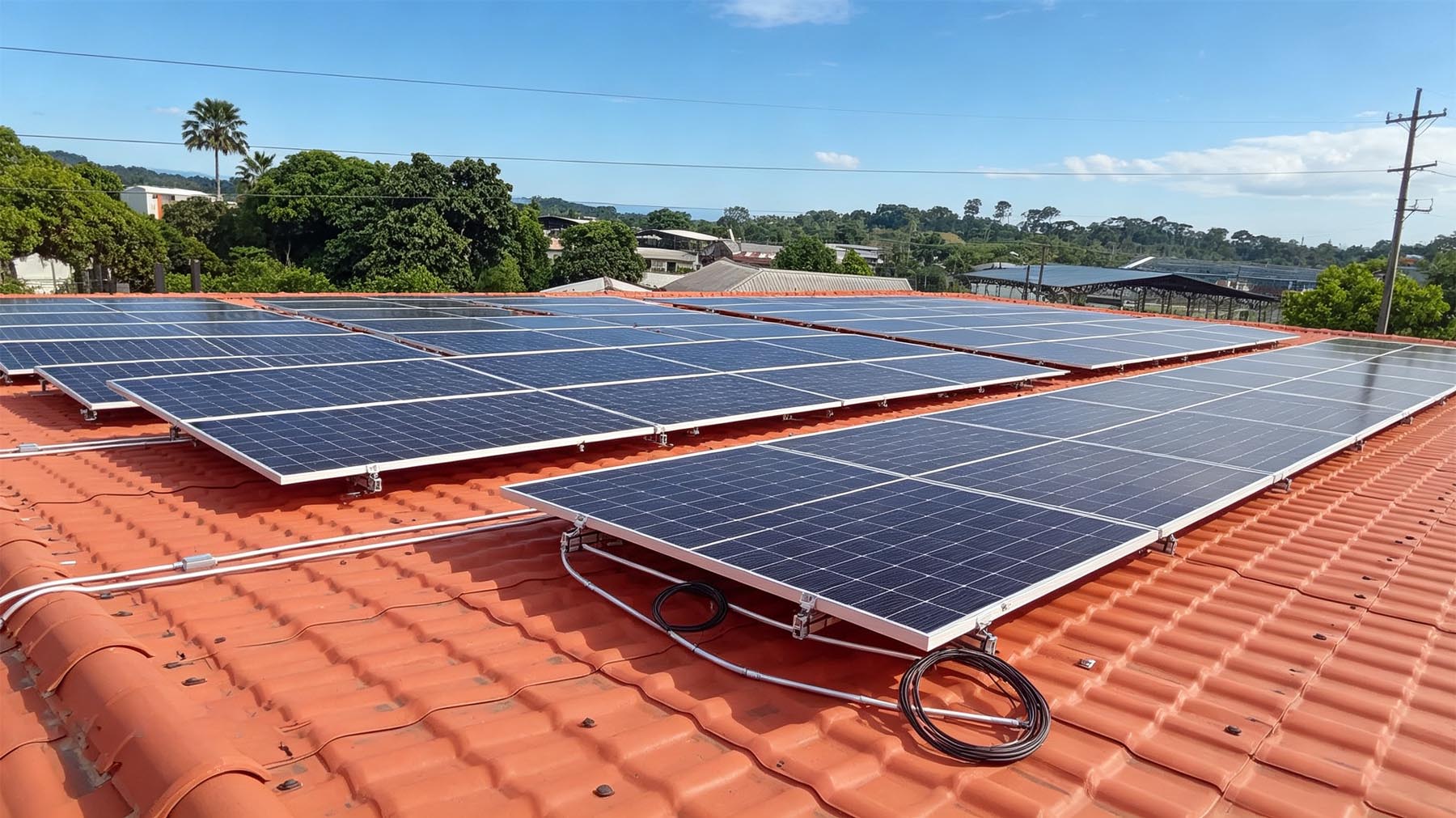
Sunchees currently offers a free upgrade to double-glass bifacial solar panels for the published 20kW system configuration.
The upgrade provides several potential advantages:
|
|
|
|
|
|
|
|
|
|
|
|
|
|
|
|
|
|
|
|
|
Sunchees states that the double-glass bifacial upgrade improves module efficiency by more than 1.5% and helps avoid potential-induced degradation.
Actual rear-side generation depends on:
- Mounting height
- Roof or ground color
- Surface reflectivity
- Panel spacing
- Installation angle
- Shading
- Airflow beneath the modules
A light-colored roof, reflective ground surface or elevated ground installation normally provides more useful rear-side light than a panel installed close to a dark roof.
Shipping Solar Panels to Ecuador: Why Choose Sunchees?
Sunchees was established in 2008 and is based in Foshan, Guangdong, China. The company focuses on complete solar power systems, solar inverters, lithium batteries, charge controllers and solar air-conditioning solutions.
Matched system design
Sunchees develops and supplies its own inverter and lithium-battery solutions and configures the principal components as one system.
For the buyer, this provides one point of contact for:
- System design
- Solar panels
- Inverter
- Battery
- MPPT controller
- Combiner box
- Mounting structure
- Cables
- Installation guidance
- After-sales support
Customized solar systems
Sunchees supports:
- OEM orders
- Alternative solar-panel brands
- Customized battery capacity
- Off-grid systems
- Hybrid systems
- Residential systems
- Agricultural systems
- Commercial systems
- Solar air-conditioning solutions
- Larger projects from 30kW to 1MW
The company’s official website states that its research and development team customizes complete systems according to customer requirements and provides installation and after-sales guidance.
Production visibility
Sunchees can assign a dedicated contact to provide:
- Production updates
- Equipment photographs
- Testing videos
- Packing photographs
- Shipment updates
- Final document coordination
The company also states that qualifying contracts can include a 5% penalty for late delivery.
Installation support
Installation support includes:
- Remote installation guidance
- Wiring and connection support
- System testing support
- Commissioning guidance
- Local installation where available
- Free engineer dispatch for qualifying systems of at least 50kW
Warranty support
For the offer described in this project, the warranty structure includes:
|
|
|
|
|
|
|
|
|
|
|
|
|
|
|
|
|
|
|
|
|
Sunchees product pages describe replacement support for qualifying quality problems during the applicable warranty period.
The expected operating life of a properly designed and maintained solar system can extend to approximately 25 years, with individual components replaced or maintained according to their service life.
Public and active brand presence
Sunchees maintains an active public presence on Instagram, TikTok, YouTube and Facebook. Buyers can review product demonstrations, factory content, equipment testing and project updates before placing an order.
The company supplies residential, agricultural, commercial and industrial projects, with significant experience in Latin America and the Caribbean.
Shipping Solar Panels to Ecuador: What Should Buyers Confirm Before Ordering?
Use this checklist before confirming a solar system from China:
|
|
|
|
|
|
|
|
|
|
|
|
|
|
|
|
|
|
|
|
|
|
|
|
|
|
|
|
|
|
|
|
|
|
|
|
|
|
|
|
|
|
|
|
|
|
|
|
|
|
|
|
|
|
|
|
|
|
|
|
|
|
|
|
|
|
|
|
|
Shipping Solar Panels to Ecuador: Frequently Asked Questions
How much does shipping solar panels to Ecuador cost for a 20kW solar system?
The Sunchees equipment reference price is US$13,000–15,000.
For this real Ecuador project:
- Freight is US$230 per CBM
- Other logistics charges are US$300
- Customs clearance is US$1,500
The calculation is:
US$14,800–16,800 + US$230 × final CBM
How long does shipping solar panels to Ecuador take?
Ocean transportation from China to Guayaquil Port takes approximately 40–55 days.
Customs clearance after arrival normally takes another 7–15 days.
The total period from vessel departure to customs release is approximately:
47–70 days
Does Ecuador require ECUAPASS customs clearance?
Yes. Importers register and process formal import declarations through Ecuador’s official ECUAPASS system. The importer requires an RUC, a digital certificate and approved importer registration.
Should the consignee appoint an Agente de Aduanas?
Yes. An accredited Agente de Aduanas can prepare the declaration, review the documents, coordinate inspections and assist with customs release at Guayaquil Port. SENAE publishes a list of authorized customs agents.
How long does local installation take?
A standard Sunchees local installation normally takes approximately five days, including commissioning and monitoring setup. The installation location must be provided so service availability can be confirmed.
Can the 20kW solar system be customized?
Yes. The buyer can adjust the solar-panel quantity, panel brand, battery capacity, output voltage, system phase, mounting structure, cable length and backup duration.
Can the equipment be moved?
The inverter-and-battery unit can be supplied with industrial wheels. The solar panels remain fixed to their roof or ground mounting structure.
Can the equipment be installed above flood level?
Yes. Flood-prone projects can use a purpose-designed elevated platform or wall-mounted configuration. The structure must be designed for the equipment weight, ventilation and maintenance requirements.
Is the bifacial solar-panel upgrade free?
Sunchees currently advertises a free upgrade to double-glass bifacial solar panels for the published 20kW system. The upgrade should be included in the final quotation and equipment list.
What information is needed for an accurate quotation?
Provide:
- Exact installation location in Ecuador
- Monthly electricity consumption
- List of appliances and equipment
- Maximum simultaneous load
- Required backup time
- Existing utility or generator connection
- Roof or ground-installation photographs
- Preferred system type
- Required voltage and phase
Shipping Solar Panels to Ecuador: Final Project Summary
For this real 20kW project, the complete process is:
- Provide the exact installation location in Ecuador.
- Submit the monthly electricity use and equipment list.
- Confirm the solar panels, inverter and battery configuration.
- Approve the quotation and begin production.
- Receive regular production and testing updates.
- Confirm the final packing list and CBM.
- Calculate freight at US$230 per CBM.
- Add US$300 in other logistics charges.
- Ship the system to Guayaquil Port.
- Appoint an accredited Agente de Aduanas.
- Complete ECUAPASS customs clearance.
- Allow 40–55 days for ocean freight.
- Allow approximately 7–15 days for customs release.
- Arrange inland transportation.
- Complete installation and commissioning in approximately five days.
The project cost formula is:
US$14,800–16,800 + US$230 × final shipment volume in CBM
Buyers can contact Sunchees with their exact Ecuador location, electricity consumption, equipment list and required backup time to receive a customized system design, equipment quotation, confirmed packing volume and installation plan.
 How to Import Solar Panels from China to Saipan
 You May Also Like



 Tel
Tel
 Email
Email
 Address
6th Floor, Zhonghe Zinan Industrial Park, No. 1 Zinan Changang West Road, Nanzhuang Town, Chancheng District, Foshan City, Guangdong Province. China (Mainland)