


 Whatsapp :
 Home
HomeHow to Import Solar Panels from China to Saipan
 Jul 22,2026
 0
0
 sunchees solar system
Quick answer: A real 15kW shipment to the Port of Saipan took about 30-40 days. Using Sunchees' current public system price and the supplied shipping and customs figures, the initial equipment-and-clearance budget is approximately USD 9,510-9,898 before taxes, insurance, installation, port charges, and local delivery.
How to import solar panels from China to Saipan: process and cost overview
Importing a complete solar system into Saipan is a coordinated equipment, dangerous-goods shipping, customs, port, electrical, and construction project. The safest sequence is to size the system from actual loads, verify the property's voltage and phase, require a 60Hz inverter configuration, obtain an itemized quotation, pre-clear the customs classification, confirm the lithium-battery booking, and arrange permits and local delivery before the vessel arrives.
- Collect CUC bills, appliance nameplates, peak loads, nighttime loads, and required backup hours.
- Confirm the exact Saipan address, electrical service, roof or ground-mount area, and unloading access.
- Choose off-grid, hybrid, or utility-interactive operation.
- Request a complete Sunchees bill of materials, 60Hz electrical specification, packing data, and quotation.
- Send the draft invoice, packing list, certificate of origin, specifications, and project-use statement to a CNMI customs broker.
- Confirm the renewable-energy exemption classification and the treatment of the 0.42% Environmental Beautification Tax before shipment.
- Approve reinforced panel packaging, shipping marks, lithium-battery documents, insurance, and the final loading inspection.
- Arrange Port of Saipan clearance, collection, permits, installation, and commissioning.
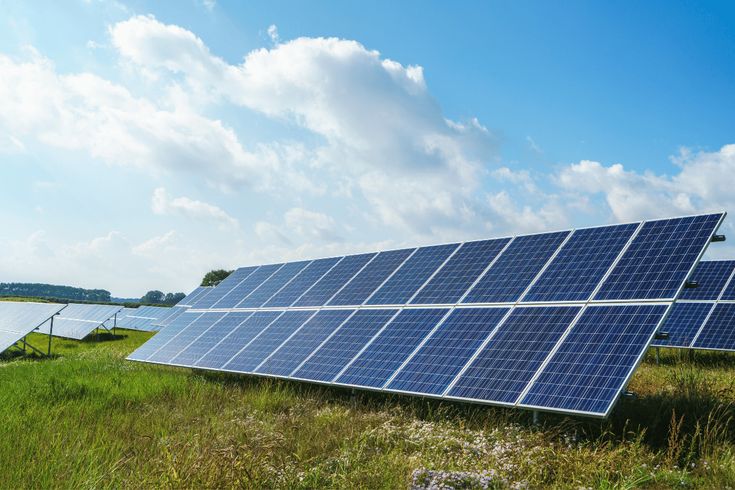
Real 15kW Saipan cost example
|
|
|
|
|
|
|
|
|
|
|
|
|
|
|
|
|
|
|
|
|
|
|
|
The solar panel shipping cost to Saipan cannot be reduced to the USD 360 freight line. Ask for dangerous-goods charges, documentation, destination handling, wharfage, storage, delivery, unloading, and insurance as separate items. The 30-40 day transit is a case reference, not a guaranteed schedule.
How to import solar panels from China to Saipan: choose a 60Hz 15kW system
Understand what the 15kW label means
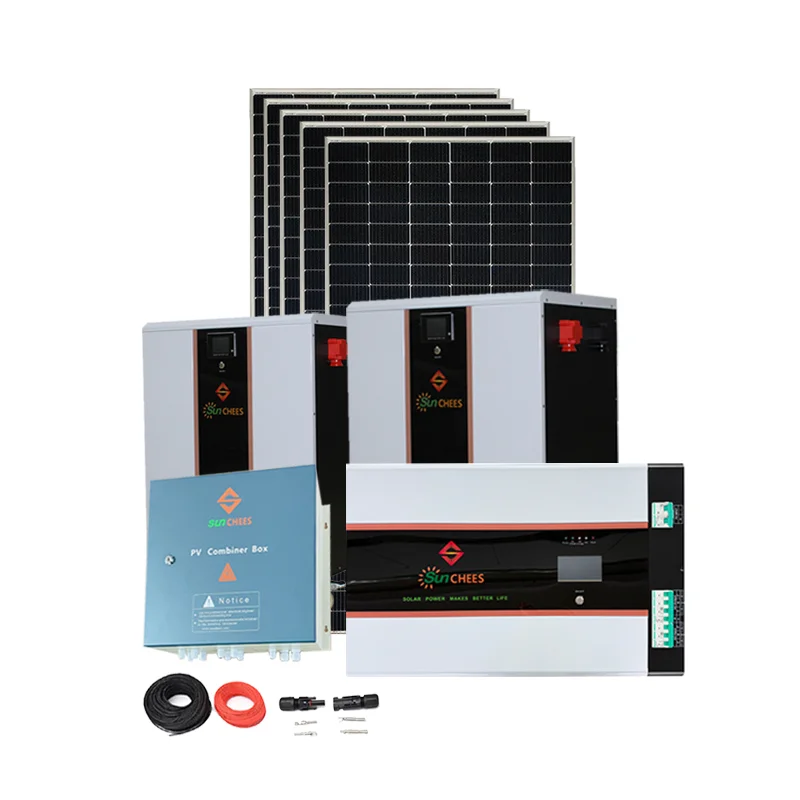
Sunchees' current 15kW public product page lists a 15kW inverter, sixteen 600W modules for 9.6kWp of PV, and a 102.4V/300Ah lithium battery of about 30.6kWh. The published price is USD 8,100-8,288.
A 15kW solar system in Saipan should therefore be compared across four separate numbers: inverter continuous output, inverter surge output, total DC panel capacity, and usable battery capacity. A 15kW inverter does not mean the array produces 15kW at all times or that the battery can supply 15kW overnight for an unlimited period.
Do not order the public 50Hz configuration unchanged
Critical electrical check: Saipan uses 60Hz. Sunchees' public 15kW single-phase page lists a 220V/50Hz standard inverter. Your quotation, pro forma invoice, contract, nameplate inspection, and commissioning checklist must state the required 60Hz output and the correct voltage and phase.
Commonwealth Utilities Corporation Electric Service Regulations specify 60Hz and list service arrangements including 120/240V single-phase three-wire and 208Y/120V three-phase four-wire. Any service remains subject to CUC approval. Ask a local electrician to photograph the main panel and verify the service before Sunchees finalizes the inverter.
Size the system from real loads
Send Sunchees recent electricity bills, daily kWh use, every air-conditioner, water pump, refrigerator, freezer, water heater, kitchen appliance, and motor load, plus its running and starting power. Identify which loads must operate during an outage and for how long. Add roof dimensions, shading, mounting location, equipment-room ventilation, and future expansion plans.
If you want a grid-interactive system, confirm the current CUC interconnection process before purchase. CNMI law and published interconnection standards address eligible renewable generators, but the current application, meter, protection, inverter certification, and compensation conditions must be confirmed with CUC for the specific property.
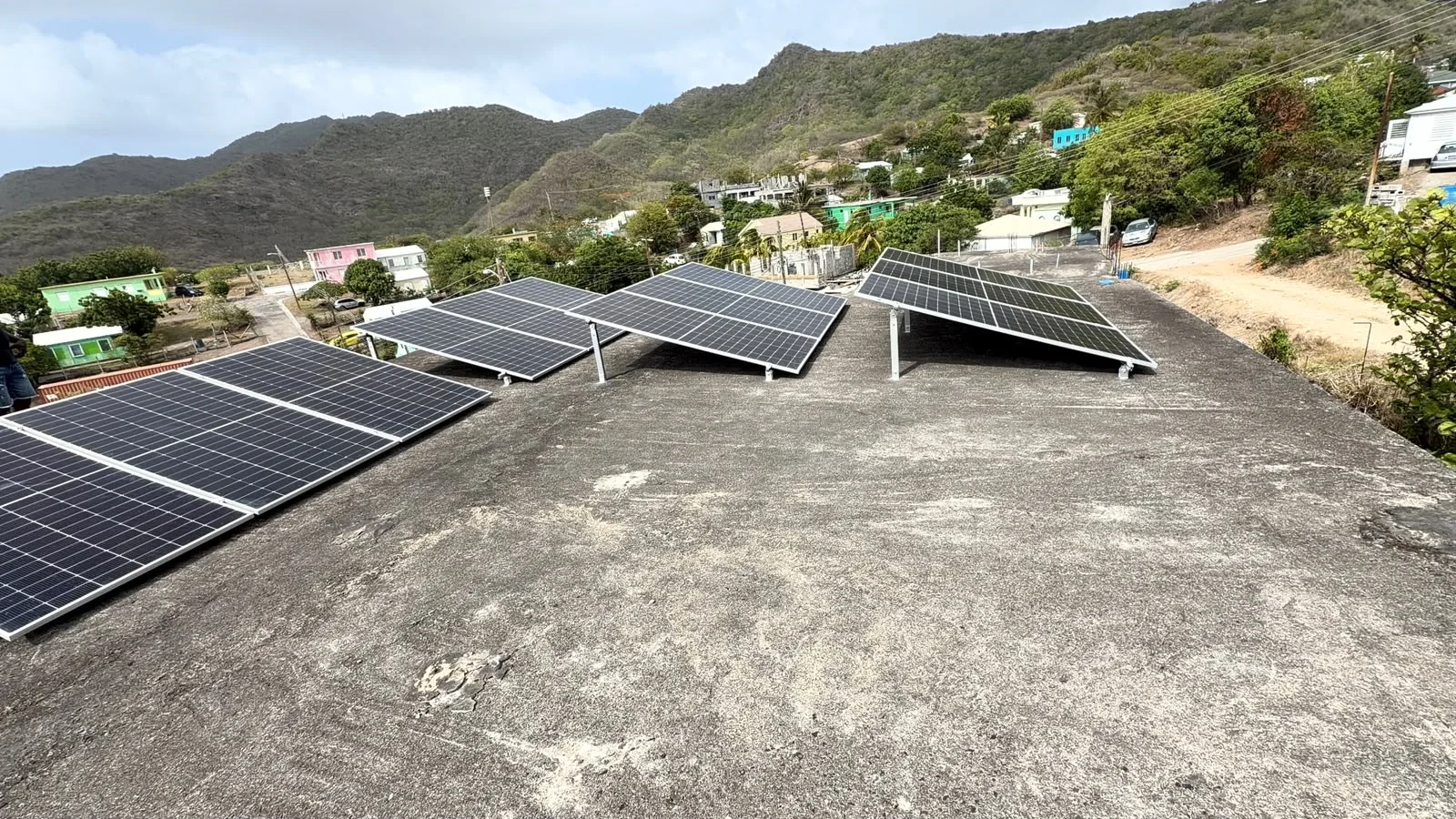
How to import solar panels from China to Saipan: quotation, contract, and payment
Require an itemized technical quotation
- Panel manufacturer, model, quantity, unit wattage, total DC capacity, dimensions, and certificates.
- Inverter model, 60Hz frequency, voltage, phase, continuous output, surge output, MPPT range, and generator input.
- Battery chemistry, nominal and usable kWh, BMS, maximum current, cycle conditions, and model-specific warranty.
- Combiner box, isolators, breakers, surge protection, grounding, cables, connectors, and mounting components.
- Package count, dimensions, gross weight, volume, production time, shipping port, and estimated sailing.
- Incoterm, insurance, dangerous-goods charges, destination charges, installation support, commissioning, and spare parts.
Put 60Hz and every responsibility into the contract
Sunchees' public page lists a common payment structure of 30% by T/T as deposit and 70% before shipment. Before releasing the balance, check photographs of every nameplate, model, serial number, battery label, package, and shipping mark. The contract should control substitutions, test records, packaging, dangerous-goods documents, delivery date, inspection, warranty start, and after-sales support.
If a free double-glass bifacial module upgrade is offered for an eligible order, record the exact manufacturer, model, front-side rating, bifaciality, warranty, and any price difference. Rear-side gain depends on albedo, mounting height, rear shading, and layout; do not use a fixed production-gain claim without model and site evidence.
How to import solar panels from China to Saipan: packaging, shipping marks, and lithium batteries
Use reinforced wooden crates for the panels
Solar modules are fragile and the supplied Saipan case specifically required reinforced wooden-crate protection. Use export cartons, a stable pallet, corner protection, anti-tip restraints, moisture protection, strong external crating, and handling labels. Ask the forwarder to confirm any wood-treatment and marking requirements for the booked route.
Before loading, photograph the module glass and frames, internal restraints, all six sides of each crate, package numbers, container placement, container number, and seal. These records support damage claims if glass breaks or frames deform in transit.
Use clear, consistent shipping marks
The Saipan case identified missing or unclear shipping marks as a misrouting and delay risk. Every package should show the consignee, Port of Saipan, project name, package number such as 1/6, product name, gross weight, dimensions, FRAGILE, THIS SIDE UP, and moisture or stacking warnings. The marks must match the bill of lading, invoice, and packing list.
Pre-approve the lithium-battery booking
Standalone lithium-ion batteries commonly move as UN 3480, Class 9 dangerous goods. Before paying the deposit, give the forwarder the battery model, Wh rating, quantity, UN38.3 test summary, SDS or MSDS, packaging details, labels, and dangerous-goods declaration data. Obtain written carrier acceptance and identify any transshipment restrictions or surcharges.
The International Maritime Organization's IMDG Code 2024 Edition, including Amendment 42-24, became mandatory on January 1, 2026. The supplier, dangerous-goods forwarder, and carrier should confirm the requirements for the actual sailing.
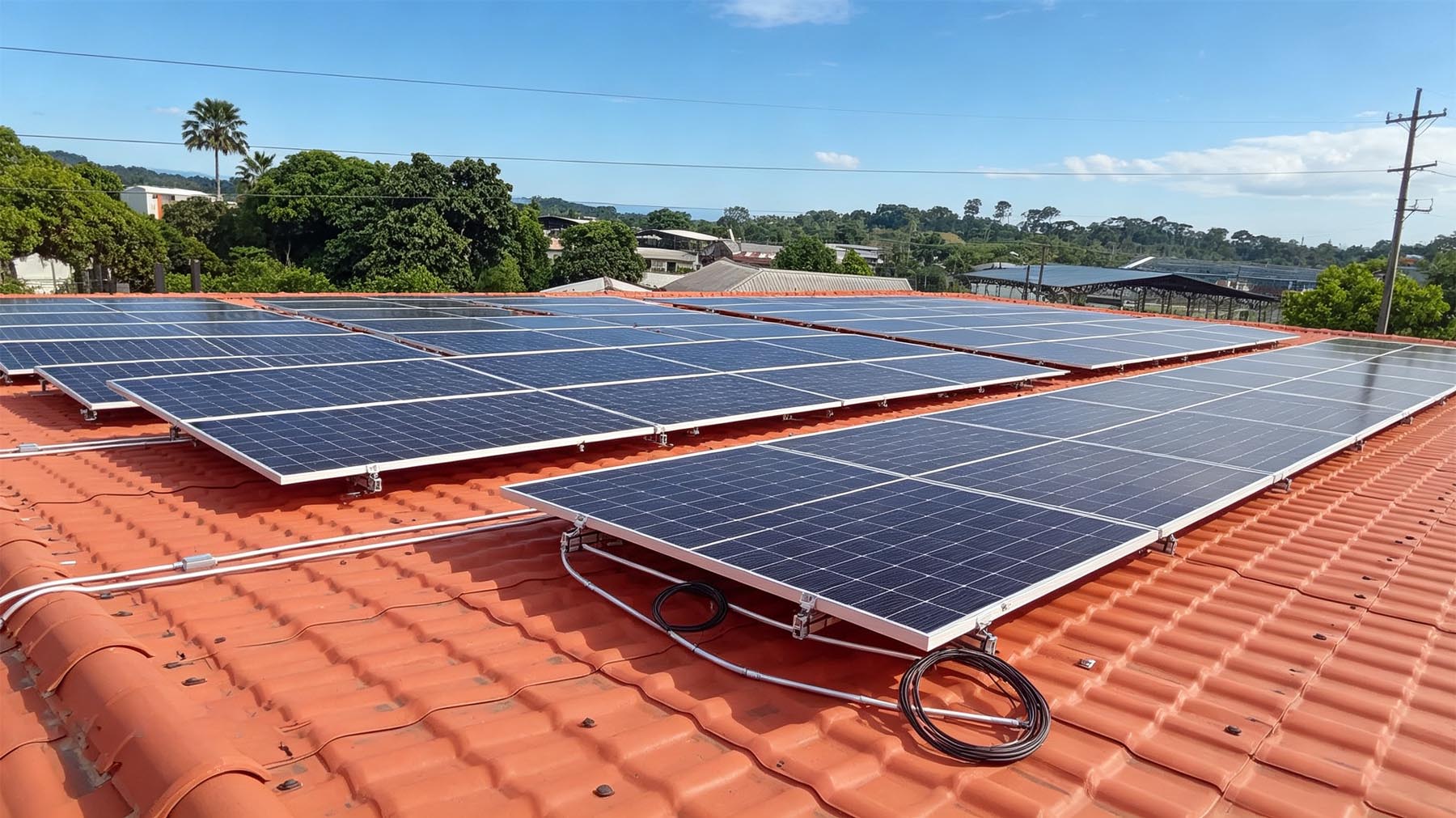
How to import solar panels from China to Saipan: CNMI customs and Port of Saipan clearance
Send the customs file before departure
CNMI operates its own customs and excise system. Give the local broker a commercial invoice, packing list, bill of lading, certificate of origin, complete bill of materials, panel and inverter data sheets, battery specifications, UN38.3 and SDS/MSDS, importer details, insurance information, and a statement explaining that the equipment is a complete renewable-energy generation and storage system.
The CNMI Department of Finance import requirements address cargo documents and the Environmental Beautification Tax. Ask the broker to confirm the current filing, value basis, payment method, and deadline for the specific shipment.
Confirm the renewable-energy exemption; do not assume automatic zero tax
CNMI Customs Service Division Regulations include an exemption category for equipment, machinery, devices, and components of systems that produce electric power from solar and other renewable sources. That category does not remove the need to classify and declare every item.
Before shipment, obtain written broker guidance on the treatment of panels, inverter, battery, mounting, cables, and accessories, and whether the 0.42% Environmental Beautification Tax or another charge applies. Do not describe the complete shipment as automatically tax-free unless the broker confirms the current treatment for the invoice and bill of materials.
Prepare for Port of Saipan release
Before arrival, obtain the carrier's current free-time terms and the Commonwealth Ports Authority or terminal charges that may apply to wharfage, handling, storage, stevedoring, documentation, container use, and release. The case did not provide a universal storage or demurrage rate, so no unverified daily amount should be inserted into the budget.
Book the collection vehicle, forklift or crane if required, secure storage, and final delivery before cargo release. Inspect the crates at pickup and record any visible damage before opening them.
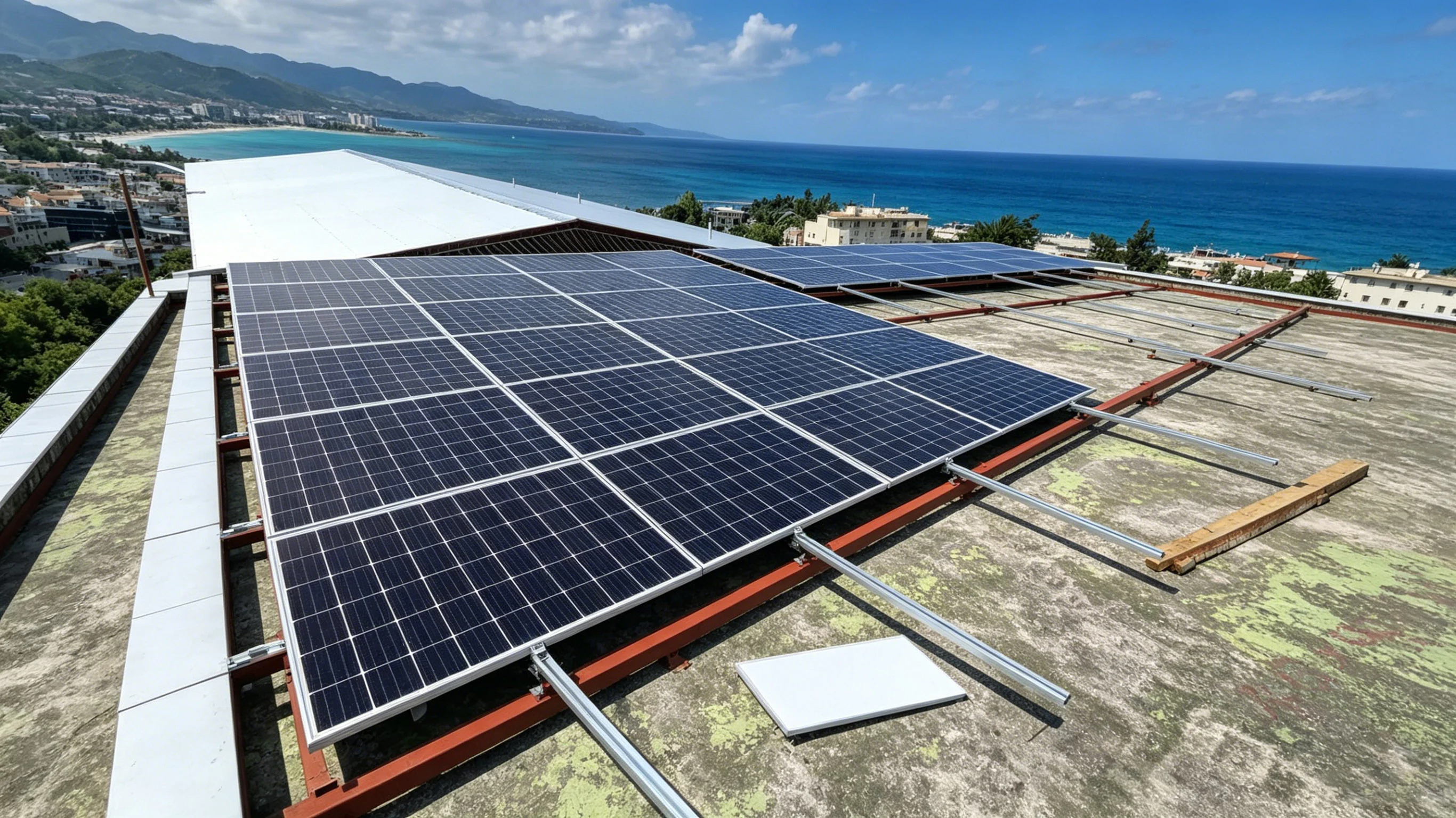
How to import solar panels from China to Saipan: permits, typhoon design, and installation
Check building, electrical, and utility approvals
The CNMI Department of Public Works Building Safety Code Division publishes permit applications, inspection checklists, the 2018 International Building Code resource, and flood-damage prevention materials. A local contractor should confirm the building, electrical, structural, and inspection requirements for the specific project.
If the site is near the shoreline, port, wetlands, or a V/VE coastal flood-hazard area, review the Division of Coastal Resources Management permitting process. A DCRM permit is not assumed for every rooftop system, but work within an Area of Particular Concern may require written approval before construction.
Design for typhoon wind and salt exposure
Have a local engineer or qualified installer verify roof capacity, design wind pressure, anchors, rail spacing, edge zones, waterproofing, corrosion-resistant fasteners, dissimilar-metal isolation, UV-resistant cable management, and post-storm inspection procedures. “More bolts” is not a substitute for an engineered attachment plan.
Keep batteries and power electronics above flood risk safely
Some non-panel Sunchees equipment can be supplied in a wheeled cabinet, and selected inverter or battery configurations may offer wall-mounted options. These choices must be written into the quotation. In flood-prone areas, use an engineered raised base or approved wall structure that accounts for equipment weight, anchoring, ventilation, service access, fire clearances, emergency isolation, and typhoon restraint.
Installation and commissioning support
When the site, mounting structure, cable routes, permits, and distribution work are ready, a Sunchees partner installer may plan about five days for installation and commissioning. The schedule depends on location, weather, roof work, inspections, and any CUC interconnection. Send Sunchees the exact address and site photographs so availability and scope can be confirmed.
Commissioning should verify PV string voltage and polarity, insulation and grounding, 60Hz inverter output, battery BMS communication, charge and discharge, transfer operation, protection settings, monitoring, shutdown procedures, and user training.
Transparency: We are transparent and active. You can find us on Instagram, TikTok, YouTube, and Facebook. Use public product and factory content for preliminary review, and use the signed contract, data sheets, certificates, test records, packing list, and inspection record for the final purchase decision.
How to import solar panels from China to Saipan: buyer FAQ and final checklist
What is the first step in how to import solar panels from China to Saipan?
Collect electricity bills, appliance loads, backup hours, the exact address, roof information, and electrical-panel photographs. Then confirm the 60Hz voltage and phase with a local electrician before Sunchees finalizes the design.
What is the solar system cost in Saipan for this 15kW case?
The initial total is approximately USD 9,510-9,898, using the public Sunchees equipment price, case freight, case other logistics costs, and case customs-clearance fee. It excludes tax, insurance, port charges, delivery, permits, installation, and structural work.
What was the solar panel shipping cost to Saipan?
The supplied case used USD 360 basic freight plus USD 250 in other logistics or handling costs, with a 30-40 day transit estimate. New quotations depend on volume, battery documents, carrier, transshipment, and sailing date.
Does a 15kW solar system in Saipan include 15kW of panels?
Not necessarily. The current public Sunchees package uses a 15kW inverter, a 9.6kWp panel array, and about 30.6kWh of lithium storage. Confirm all three capacities separately.
Are solar panels automatically exempt from CNMI tax?
CNMI regulations contain a renewable-energy exemption category, but the broker must classify the panels, inverter, battery, mounting, and accessories and confirm the current treatment of the 0.42% Environmental Beautification Tax.
Can the lithium batteries ship with the solar equipment?
Yes, if the carrier accepts the booking and the battery has the required UN38.3, SDS/MSDS, dangerous-goods declaration, packaging, marks, labels, and terminal protection.
How do I avoid receiving the wrong inverter?
Put 60Hz, voltage, phase, model, continuous output, surge output, and generator or grid functions in the contract. Check the nameplate and test evidence before paying the balance.
Pre-shipment checklist
- Exact Saipan address, road access, unloading space, and local delivery confirmed.
- Daily energy, peak load, backup hours, 60Hz, voltage, and phase confirmed.
- Panel, inverter, battery, protections, mounting, cables, and accessories written into the contract.
- Reinforced panel crates and complete shipping marks approved.
- UN38.3, SDS/MSDS, dangerous-goods documents, carrier acceptance, and insurance obtained.
- Invoice, packing list, bill of lading, origin certificate, BOM, and specifications reviewed by the broker.
- Renewable-energy exemption classification and 0.42% tax treatment confirmed in writing.
- Port free time, destination charges, collection, storage, and final delivery booked.
- DPW, CUC, and any applicable DCRM approval checked before installation.
- Typhoon, salt, flood, installation, inspection, and commissioning responsibilities assigned.
Sources and update note
Product pricing and online sources were checked on July 22, 2026. The 30-40 day transit, USD 360 freight, USD 250 other costs, and USD 800-1,000 customs-clearance cost come from a real 15kW Port of Saipan case and are planning references, not fixed quotations.
- Sunchees 15kW system product page
- CNMI Department of Finance - Import Requirements
- CNMI Customs Service Division Regulations
- CUC Electric Service Regulations
- CNMI Public Law 15-23
- CNMI DPW Building Safety Forms and Resources
- CNMI DCRM Permitting Process
- International Maritime Organization - IMDG Code
 How to Import Solar Panels from China to the Bahamas
 You May Also Like



 Tel
Tel
 Email
Email
 Address
6th Floor, Zhonghe Zinan Industrial Park, No. 1 Zinan Changang West Road, Nanzhuang Town, Chancheng District, Foshan City, Guangdong Province. China (Mainland)