


 Whatsapp :
 Home
HomeHow to Import Solar Panels from China to the Bahamas
 Jul 22,2026
 0
0
 sunchees solar system
Quick answer: A real 10kW shipment to Nassau took about 50–60 days. Using Sunchees' current public system price and the case shipping and customs figures, the initial pre-tax, pre-installation budget is approximately USD 5,700–7,900.
How to import solar panels from China to the Bahamas: process and cost overview
Buying a complete solar system from China is not only a product-price decision. You need a configuration that matches your loads, the correct voltage and phase for the property, compliant lithium-battery shipping documents, pre-arrival customs preparation, and a confirmed plan for delivery and installation on the correct island.
For most buyers, the safest sequence is:
- Collect electricity bills, appliance data, peak loads, and required backup hours.
- Confirm the island, exact delivery address, site voltage, frequency, and phase.
- Choose an off-grid, hybrid, or grid-connected design.
- Request a complete Sunchees bill of materials, technical data, packing details, and itemized quotation.
- Send the draft certificate of origin, specifications, invoice, and project-use statement to a Bahamas customs broker.
- Confirm the tariff classification and any approval required for the solar-system duty concession before shipment.
- Put the final configuration, Incoterm, insurance, packaging, documents, warranty, and installation scope into the contract.
- Prepare panel packaging, shipping marks, and lithium-battery dangerous-goods documents.
- Ship to Nassau Container Port and complete the C-13 entry, payment, release, and local delivery arrangements before free time expires.
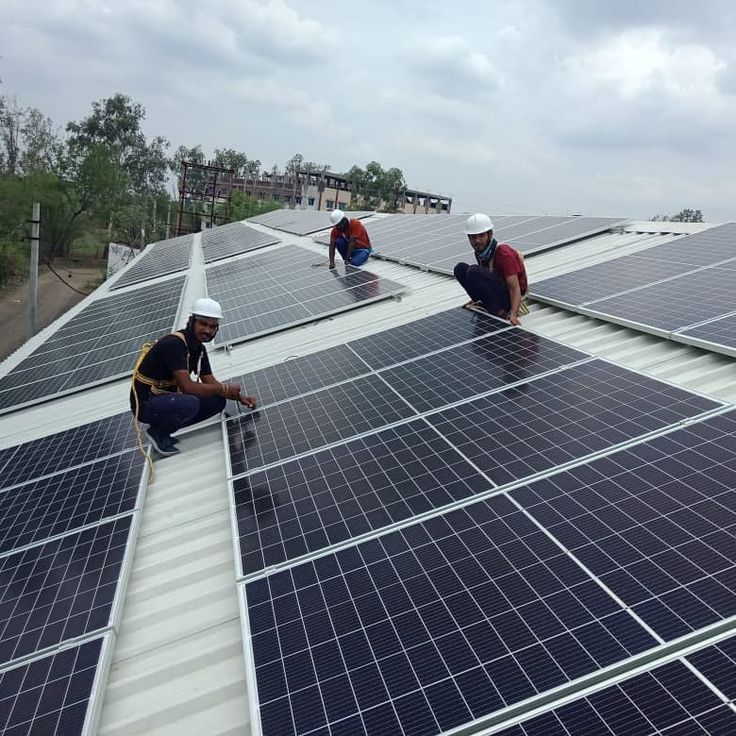
Real 10kW Nassau cost example
|
|
|
|
|
|
|
|
|
|
|
|
|
|
|
|
|
|
|
|
|
|
|
|
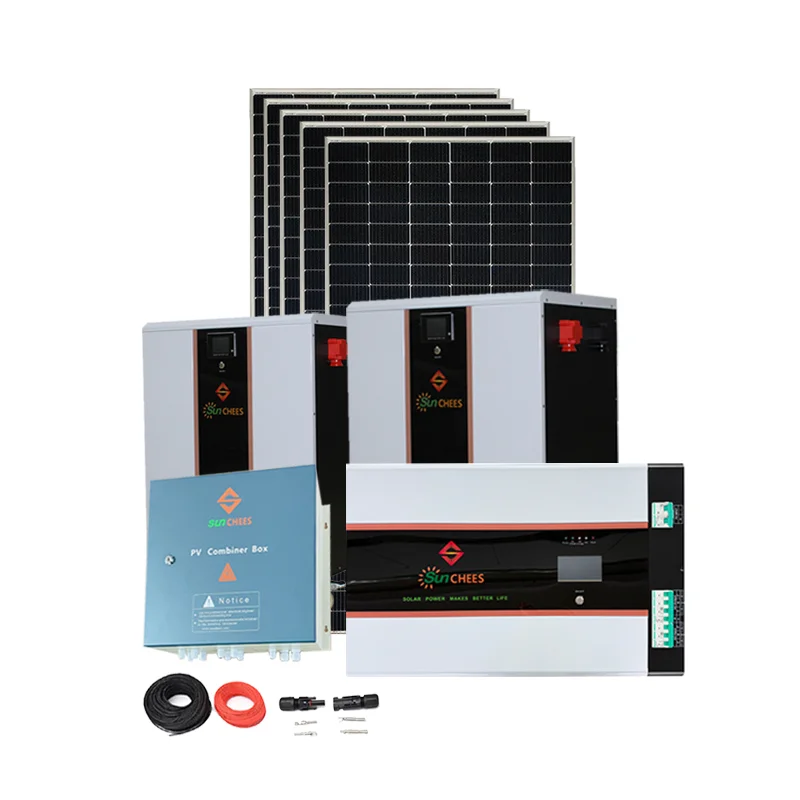
Product reference: Sunchees 10kW off-grid solar generator kit
A label such as “10kW system” normally describes the inverter power class; it does not guarantee that the DC panel array is exactly 10kW. Compare the inverter's continuous and surge output, total panel wattage, battery nominal capacity, usable battery capacity, and expected overnight autonomy separately.
The initial total also excludes any applicable import VAT. The Bahamas Government currently publishes a standard VAT rate of 7.5%, and imported goods may fall within the VAT system. A customs-duty concession does not automatically confirm a VAT exemption or remove port and processing charges.
Official outbound references: Bahamas Customs frequently imported items • Bahamas Tariff Act • Bahamas VAT guidance
How to import solar panels from China to the Bahamas: choose the right system before ordering
Start with the loads, not the system label
To design a practical 10kW solar system in the Bahamas, send Sunchees your recent electricity bills, daily energy use, air-conditioner and pump nameplates, peak simultaneous load, nighttime loads, desired backup duration, roof dimensions, shading, and photographs of the main distribution panel.
This allows the system to be sized for real operating conditions and makes it possible to reserve capacity for future batteries or panels.
Confirm voltage, frequency, and phase
Common low-voltage supplies in The Bahamas include 120/240V single-phase three-wire, 120/208V three-phase four-wire, and 120V single-phase two-wire, with a standard frequency of 60Hz. Do not order an inverter using only the description “110V” or “220V.” The site supply, main breaker, phase arrangement, and large motor loads should be checked by Sunchees and a local electrician.
Official outbound reference: Bahamas electricity rules
Choose off-grid, hybrid, or grid-connected operation
An off-grid system uses solar panels, batteries, and an inverter to supply the property independently. A hybrid system combines solar, batteries, and utility power. A grid-connected system requires an approved interconnection path.
Bahamas Power and Light lists application documents such as an SSRG application, an account in good standing, an electrical schematic, the inverter manual, a signed interconnection agreement, the application fee, and an approval certificate. Licensed-electrician sign-off and inspections are also part of the process. A standard grid-tied inverter normally shuts down during an outage; battery storage and suitable transfer or isolation equipment are needed if backup power is required.
Official outbound reference: Bahamas Power and Light renewable-energy requirements
How to import solar panels from China to the Bahamas: quotation, contract, and payment
Information to send with your enquiry
- Country, island, and full delivery address
- Home, rental, farm, shop, or other project type
- Daily energy consumption and maximum load
- Appliance list, including air conditioners, pumps, refrigerators, and heaters
- Site voltage, frequency, and phase
- Required outage backup time
- Off-grid, hybrid, or BPL-connected operation
- Roof and equipment-location photographs
What a complete quotation should show
- Panel manufacturer, model, quantity, unit wattage, and total DC capacity
- Inverter model, continuous output, surge output, output voltage, frequency, and phase
- Battery chemistry, nominal capacity, usable capacity, and warranty conditions
- MPPT inputs, combiner box, breakers, isolators, surge protection, cables, connectors, and mounting system
- Package count, dimensions, gross weight, volume, production lead time, loading port, and estimated sailing time
- Incoterm, cargo insurance, dangerous-goods charges, destination charges, payment milestones, and after-sales scope
Write responsibilities into the contract
If the order is FOB, the buyer normally controls and pays for main carriage, insurance, destination clearance, and import costs after the agreed delivery point. The contract should say FOB Guangzhou, FOB Foshan, CIF Nassau, or another precise term—not simply “shipping included.”
Sunchees reference: Delivery Terms
Before payment, make sure the contract and pro forma invoice identify every major model, quantity, permitted substitution, battery capacity, packaging requirement, dangerous-goods document responsibility, insurance responsibility, shipment deadline, inspection method, warranty start date, installation support, and spare-parts coverage. The contract, commercial invoice, and packing list should use consistent product descriptions.
How to import solar panels from China to the Bahamas: packaging, lithium batteries, and ocean freight
Protect fragile panels and use clear shipping marks
Long ocean routes expose modules to impact, compression, tilting, and moisture. Confirm export cartons and pallets, corner protection, strapping, anti-tip measures, moisture protection, package numbers, consignee, project name, destination port, and handling marks such as FRAGILE and THIS SIDE UP. If the shipment will continue beyond Nassau, add reinforcement for the second handling stage.
Sunchees normally uses cartons and pallets for panels, wooden cases for inverters and combiner boxes, and cartons for batteries, cables, and controllers. Request final packing photographs, package dimensions, and a loading video before release.
Prepare current lithium-battery documents
Standalone lithium-ion batteries commonly move under UN 3480 and Class 9 dangerous-goods requirements. Before booking, confirm the UN38.3 test summary, MSDS or SDS, dangerous-goods declaration, battery model and Wh rating, quantity, terminal short-circuit protection, marks and labels, carrier acceptance, transshipment restrictions, and dangerous-goods surcharges.
The International Maritime Organization's 2024 IMDG Code, including Amendment 42-24, became mandatory on January 1, 2026. The supplier, dangerous-goods forwarder, and ocean carrier should confirm the current packing and declaration requirements for the booked route.
Official outbound reference: International Maritime Organization IMDG Code
Insure the full route
Cargo insurance should address module breakage, handling impact, water damage, loss, general average, local trucking, and any inter-island leg. Record the container seal, packaging, and unloading on arrival. If damage is found, notify the carrier and insurer within their claim deadlines before installation begins.
How to import solar panels from China to the Bahamas: customs clearance and island delivery
Send documents to the broker before shipment
Give your Nassau customs broker the draft commercial invoice, packing list, certificate of origin, bill of lading, complete bill of materials, product data sheets, inverter and module models, battery details, project-use statement, importer information, and estimated value, freight, and insurance.
Ask the broker to confirm in writing the tariff code for each major component, eligibility and approval requirements for the solar-system concession, VAT treatment, certificate-of-origin format, C-13 sea-cargo entry, and any additional permits.
Official outbound reference: Bahamas customs import-process example
Prepare for arrival before the vessel reaches Nassau
- Check the final invoice, packing list, bill of lading, and certificate of origin.
- Have concession approval and C-13 entry information ready.
- Reserve funds for confirmed taxes, broker fees, port charges, and release costs.
- Book the collection vehicle, unloading equipment, secure storage, and installation team.
The supplied case used a 50–60 day transit estimate. Dangerous-goods space, transshipment, weather, and congestion can change the schedule. The same case required clearance within seven days and recorded a possible overstay charge of 0.05% of CIF value per day. Treat that percentage as a project or service-contract condition, not a universal Nassau port tariff. Confirm the current port, warehouse, carrier, and container charges for each booking.
Official outbound reference: Nassau Container Port tariff information
Why the final island changes the solar panel shipping cost to the Bahamas
Nassau Container Port is on New Providence and provides container, general-cargo, LCL deconsolidation, and on-site customs services. Delivery to Exuma, Eleuthera, Abaco, or another Family Island can add local trucking, storage, ferry or barge transport, a second unloading, and final-mile delivery.
In the supplied project experience, onward delivery outside Nassau or Freeport could bring the transport cost close to double. Provide the exact address, road access, unloading space, and package weights before ordering so the full route can be priced.
Official outbound reference: Nassau Container Port facilities
How to import solar panels from China to the Bahamas: installation and Sunchees support
Installation, commissioning, and local conditions
When the mounting location, foundations, electrical work, and equipment area are ready, a Sunchees partner installer can plan approximately five days for installation and commissioning. The final schedule depends on the island, roof condition, mounting work, cable routes, distribution-board changes, inspections, and any BPL approval. Send us the exact location and site photographs so the available installation scope can be confirmed.
Wind, salt, flooding, and equipment placement
Bahamas projects should confirm design wind loads, roof capacity, anchors, corrosion-resistant fasteners, UV-resistant cable management, equipment weather protection, ventilation, and storm shutdown procedures with a qualified local installer or engineer.
Solar panels are fixed in place. Depending on the selected configuration, Sunchees can also provide wheeled integrated equipment cabinets for easier indoor movement. Some inverters, batteries, or control units have wall-mounted options, but the complete system should not be improvised onto an unverified wall.
In flood-prone locations, use a professionally designed raised platform or approved wall structure above the expected water level, while preserving ventilation, service access, fire clearances, anti-tip restraint, and emergency isolation.
What commissioning should verify
- PV string voltage, polarity, insulation, and grounding
- Inverter output voltage and frequency
- Battery BMS communication and charge/discharge operation
- Critical-load transfer and protection devices
- Overload behavior, monitoring connection, shutdown procedure, and user training
Why buyers use a complete Sunchees system
Sunchees supplies complete residential, commercial, hybrid, and off-grid systems with panels, inverters, lithium batteries, mounting, cables, and protection equipment. Buyers can request load-based sizing, OEM customization, production photographs or video, wiring documents, remote installation guidance, spare parts, and after-sales support from one system supplier.
The current Sunchees warranty page lists ten years for solar panels and mounting brackets and three years for hybrid inverters and solar charge controllers. The contract and warranty card for the selected models remain the controlling documents.
Sunchees reference: Warranty and Return Policy
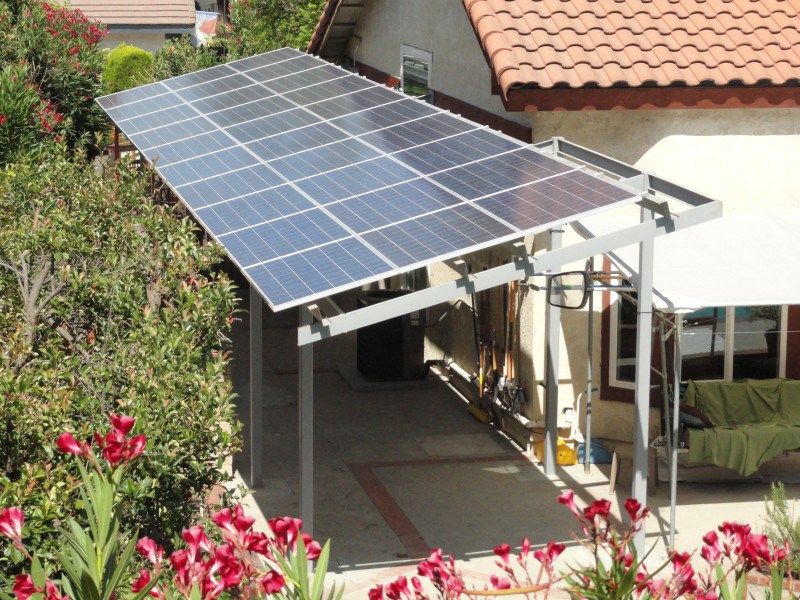
Double-glass bifacial module upgrade
Sunchees can offer a free double-glass bifacial module upgrade for eligible orders. Bifacial modules can generate from front and rear irradiance, but project gains depend on albedo, mounting height, rear shading, and structural layout.
Ask the quotation to identify the manufacturer and model, front-side rating, bifaciality, glass thickness, power tolerance, certificates, product and power warranties, baseline module used for comparison, and the installation conditions behind any “more than 1.5%” performance statement or hot-spot claim.
Transparency: We are transparent and active. You can find us on Instagram, TikTok, YouTube, and Facebook. Use our public channels to review product demonstrations, production updates, installation videos, and project footage; use the contract, data sheets, certificates, packing list, and inspection record for the final purchase decision.
How to import solar panels from China to the Bahamas: buyer FAQ and final checklist
What is the first step in how to import solar panels from China to the Bahamas?
Collect your electricity bills, appliance list, peak load, required backup hours, island, and exact address. Sunchees can then size the system, while a Bahamas customs broker reviews the concession and import documents before shipment.
Does solar system cost in the Bahamas include shipping and installation?
Not automatically. A complete budget can include equipment, ocean freight, dangerous-goods charges, insurance, customs brokerage, VAT, port charges, local delivery, installation, and grid approval. The USD 5,700–7,900 case total includes only the public equipment price, case freight and handling, and case customs-clearance cost.
What was the solar panel shipping cost to the Bahamas in this case?
Ocean freight to Nassau was USD 750, plus USD 250 in other logistics or handling costs. The final amount changes with package volume, battery classification, sailing, carrier, and destination island.
How many air conditioners can a 10kW solar system in the Bahamas run?
That depends on each unit's running and starting power, other simultaneous loads, panel capacity, battery usable capacity, and inverter surge capability. The 10kW label alone is not enough.
Are panels and inverters automatically duty-free?
The official tariff and customs materials provide a concession route for panels, inverters, complete systems, and related parts, but classification and approval requirements must be confirmed before shipment.
Can lithium batteries ship with the solar equipment?
Yes, when accepted and documented for the route. The forwarder may require UN38.3, MSDS/SDS, dangerous-goods documentation, approved packaging and labels, and additional charges.
Can Sunchees arrange installation in The Bahamas?
Send the island, exact address, roof and equipment-area photographs, and system size. Sunchees can then confirm partner availability, scope, commissioning, and whether grid-connection assistance is included.
Pre-shipment checklist
- Island, full delivery address, road access, unloading space, and onward ferry needs confirmed
- Electricity bills, daily energy use, peak load, voltage, frequency, and phase confirmed
- Panel, inverter, battery, protections, mounting, cables, and accessories written into the contract
- Battery usable capacity and expected backup time confirmed
- Incoterm, cargo insurance, dangerous-goods charges, and destination costs confirmed
- Certificate of origin, specifications, invoice, and project-use statement reviewed by the broker
- Tariff classification, concession approval, VAT treatment, and C-13 entry confirmed
- UN38.3, MSDS/SDS, dangerous-goods documents, packing photographs, shipping marks, and loading video obtained
- Collection, unloading, secure storage, installation, inspection, and commissioning responsibilities booked
Sources and update note
Product pricing and online sources were checked on July 22, 2026. The 50–60 day transit, USD 750 freight, USD 250 other costs, USD 400–700 customs-clearance cost, and seven-day clearance target come from a real 10kW Nassau case. They are planning references, not fixed quotes for every shipment.
- Bahamas Customs — Frequently Imported Items
- Bahamas Tariff Act
- Bahamas Government — Value Added Tax
- Bahamas Power and Light — Renewable Energy
- Nassau Container Port — Tariff Information
- International Maritime Organization — IMDG Code
 How to Import Solar Panels from China to the U.S. Virgin Islands
 You May Also Like



 Tel
Tel
 Email
Email
 Address
6th Floor, Zhonghe Zinan Industrial Park, No. 1 Zinan Changang West Road, Nanzhuang Town, Chancheng District, Foshan City, Guangdong Province. China (Mainland)