


 Whatsapp :
 Home
HomeWhole Home Inverter in Jamaica: How to Power Your Entire Home Reliably
 Dec 20,2025
 0
0
 sunchees solar system
In Jamaica, frequent power outages, high electricity tariffs, and growing interest in solar energy have made the whole home inverter in Jamaica more than a luxury—it’s becoming a practical energy solution for modern households.
This guide explains what a whole home inverter is, how it works, which type fits different Jamaican homes, and what technical details actually matter before investing. Whether your goal is blackout protection, lower monthly bills, or long-term energy independence, this article focuses on what homeowners truly need to know.
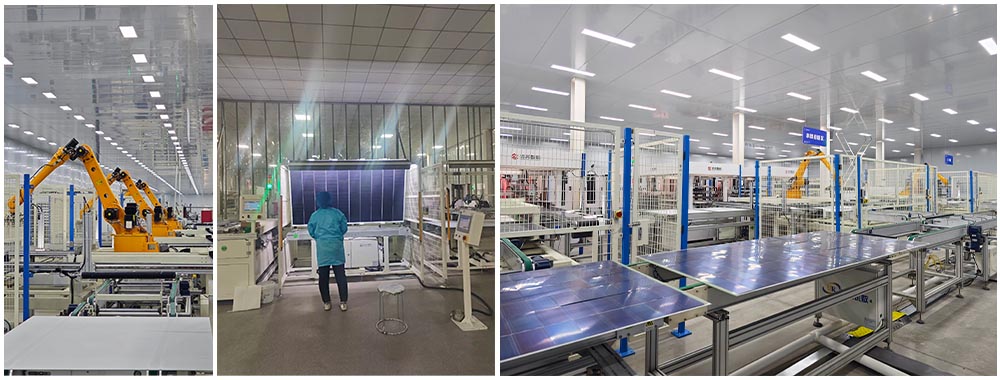
What Is a Whole Home Inverter?
A whole home inverter is the central hub of a modern residential energy system.
Its primary function is to convert direct current (DC)—typically generated by solar panels or stored in batteries—into alternating current (AC) that powers all household appliances.
Unlike small plug-in inverters designed for a single device, a whole home inverter is:
-
Hardwired directly into the main distribution board
-
Designed to power the entire house, not just critical loads
-
Capable of automatic switching between grid, solar, and battery power
How It Works in Daily Life
-
During the day: solar panels power your home and charge batteries
-
At night or during peak tariffs: stored battery energy is used
-
During blackouts: the inverter switches to battery power in milliseconds, with no noticeable interruption
For Jamaican households facing unstable grid supply, this seamless transition is critical.
Why a Whole Home Inverter in Jamaica Makes Sense
Key Local Challenges
|
Issue in Jamaica |
How a Whole Home Inverter Helps |
|
Frequent power outages |
UPS-level switching keeps lights, Wi-Fi, and AC running |
|
High electricity costs |
Peak-shaving using battery energy reduces bills |
|
Strong solar potential |
Maximizes solar usage instead of exporting cheaply |
|
Storm and hurricane risks |
Independent backup power improves resilience |
A properly sized whole home inverter in Jamaica allows homeowners to maintain comfort and productivity even during extended outages.
Types of Whole Home Inverters Explained
Types of Whole Home Inverter in Jamaica
|
Type |
Description |
Best Use Case |
|
Grid-Tied Inverter |
Works only with the grid, no batteries |
Cost saving only, no blackout protection |
|
Off-Grid Inverter |
Fully independent, solar + battery only |
Remote areas, farms, cabins |
|
Hybrid Inverter |
Combines grid, solar, and battery |
Most Jamaican homes |
Hybrid systems are currently the most popular choice because they provide both savings and backup power without disconnecting from the grid.
Whole Home Inverter vs Standard Inverter
|
Feature |
Standard Inverter |
Whole Home Inverter |
|
Power Output |
100W–2000W |
5kW–20kW+ |
|
Installation |
Plug-and-play |
Hardwired to distribution board |
|
Appliances Supported |
Single devices |
Entire home |
|
Switching Speed |
Power interruption |
<10ms, UPS-grade |
|
Waveform |
Often modified sine |
Pure sine wave |
|
Energy Management |
None |
Solar + battery + grid |
A true whole home inverter must deliver pure sine wave output, ensuring stable power for sensitive electronics, variable-speed air conditioners, water pumps, and refrigerators.
Choosing the Right Capacity: Real-World Examples
Sunchees 20kW Split Phase Solar Inverter (110V & 220V)
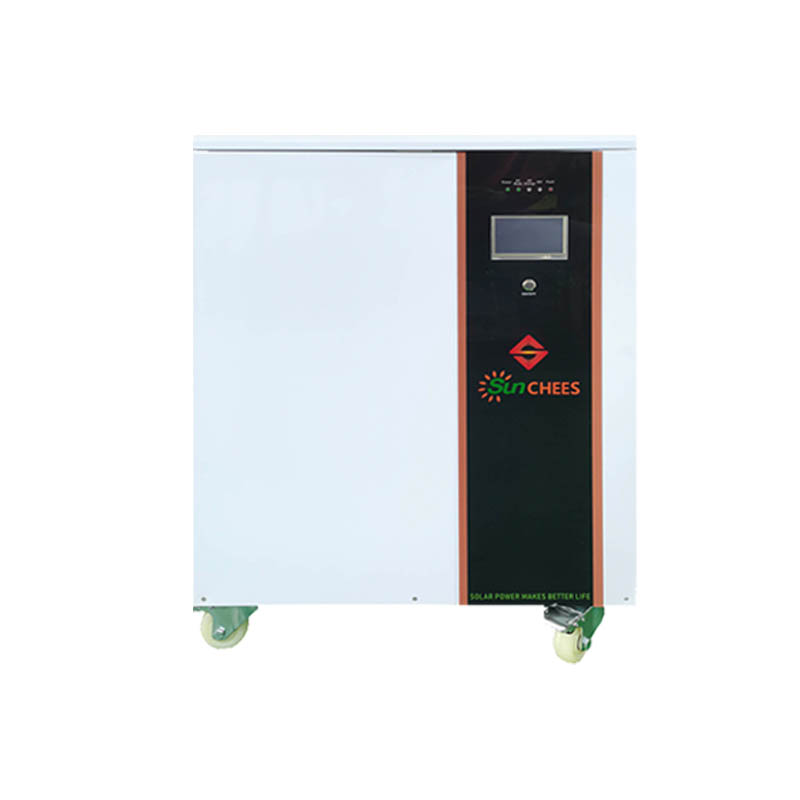
This system is designed for large homes, villas, or home-based businesses.
What 20kW Can Power Simultaneously:
-
3–4 high-power air conditioners
-
Full house lighting and outlets
-
Electric water heater or dishwasher
-
EV charging (slow to medium speed)
Technical Highlights
-
Rated Power: 20kW / 25kW
-
Output: 110V & 220V split phase
-
Switching Time: <10ms
-
Battery Requirement: 240V DC (high-voltage system)
Important Consideration:
This inverter requires a high-voltage battery bank, meaning 20×12V lead-acid batteries in series or a dedicated high-voltage lithium battery system. Sunchees lithium batteries are engineered specifically for this configuration to ensure safety and system stability.
Sunchees 8kW / 10kW 48V MPPT Solar Inverter (Most Popular Choice)
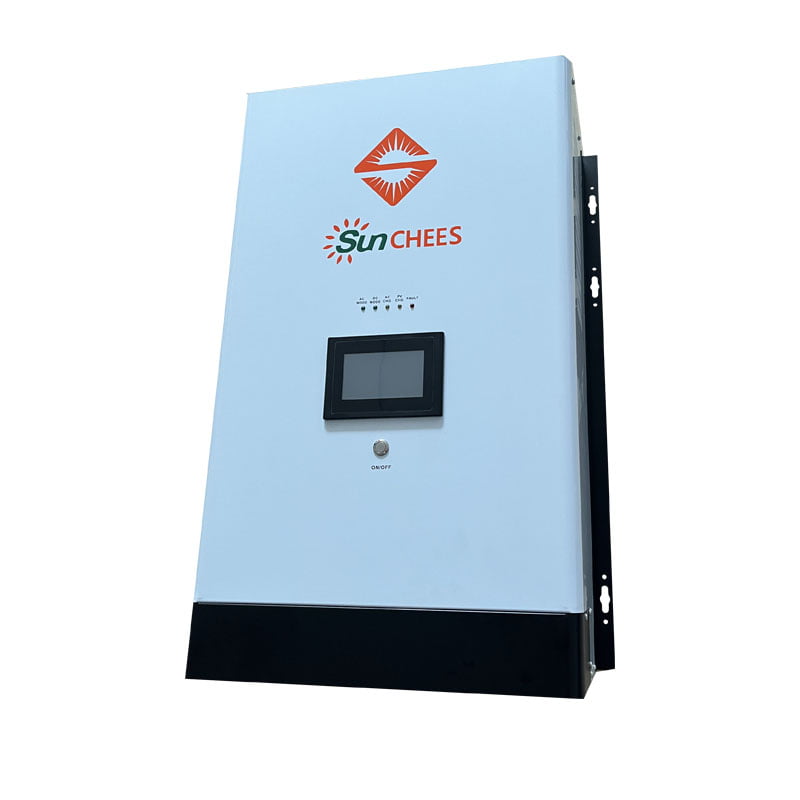
For most households, this is the best balance between power, safety, and cost.
Why It Fits “Whole Home” Use
-
Stable 8kW–10kW output
-
Runs AC, fridge, TV, lighting, computers simultaneously
-
Avoids overload unless all heavy appliances run together
48V Battery System (Key Advantage)
-
Industry-standard home storage voltage
-
Compatible with most lithium batteries
-
Easier expansion and safer installation
Additional Technical Strengths
-
Pure sine wave output
-
<10ms switching time
-
MPPT 120A solar controller
-
Supports up to 7200W solar input
This setup covers over 90% of Jamaican household needs without the complexity of high-voltage systems.
Installation, Mobility, and Flood Considerations
-
Typical installation time with local partners: ~5 days including commissioning
-
Systems (except panels) are movable, often cabinet-mounted with wheels
-
Wall-mounted options exist but are not recommended in flood-prone areas due to safety concerns
-
Elevating equipment above ground level improves resilience during heavy rains
Sunchees systems prioritize safety over aesthetics, especially in hurricane- and flood-risk regions.
About Sunchees: Engineering-Driven, Not Assembly-Driven
Sunchees is not a reseller assembling third-party components.
|
Category |
Details |
|
Brand |
Sunchees |
|
Founded |
2008 |
|
Headquarters |
Foshan, Guangdong, China |
|
Core Strength |
In-house inverter & lithium battery R&D |
|
System Compatibility |
100% internally matched components |
|
System Lifespan |
Up to 25 years |
|
Market Coverage |
200+ countries, strong Caribbean focus |
|
Social Presence |
We are transparent and active. You can find us on Instagram, TikTok, YouTube, and Facebook. |
This vertical integration reduces failure points and improves long-term system stability—especially important for overseas deployments like whole home inverter systems in Jamaica.
Frequently Asked Questions
Q1: Is a whole home inverter in Jamaica worth it without solar panels?
Yes. Even without solar, a whole home inverter with batteries allows you to charge during off-peak hours and avoid outages. Solar can be added later.
Q2: What size whole home inverter in Jamaica do most families need?
Most 3–5 person households are well served by an 8kW–10kW hybrid inverter, provided not all heavy appliances run simultaneously.
Q3: Can a whole home inverter run air conditioners?
Yes. A pure sine wave whole home inverter can safely run inverter AC units, split units, and even central air if sized correctly.
Q4: How fast does a whole home inverter switch during outages?
UPS-grade systems switch in under 10 milliseconds, meaning no reboot for Wi-Fi routers, computers, or TVs.
Q5: Can systems be shipped from China to Jamaica?
Yes. Sunchees regularly supplies complete systems to Jamaica, with packaging designed for international transport and optional local installation support.
Final Thoughts
A whole home inverter in Jamaica is not just about backup power—it’s about control, resilience, and long-term savings. The right system depends on household size, appliance load, and battery strategy, not marketing labels.
For most homes, a 48V hybrid whole home inverter offers the smartest balance. For larger properties or mixed residential-commercial use, high-capacity split-phase systems provide unmatched performance when paired with properly designed battery banks.
If you are sourcing systems from China for delivery to Jamaica, early system design and battery matching matter more than price alone. For the full country-wide analysis, installation tips, inverter comparisons, and financing options, visit the Sunchees Jamaica Solar Hub.
 Solar Panels and Solar Inverters Import Tax in Jamaica — Kingston & Montego Bay Explained
 You May Also Like



 Tel
Tel
 Email
Email
 Address
6th Floor, Zhonghe Zinan Industrial Park, No. 1 Zinan Changang West Road, Nanzhuang Town, Chancheng District, Foshan City, Guangdong Province. China (Mainland)