

 Whatsapp :
 Home
HomeSolar Backup for a Six Bedroom Home in Imbabura Ecuador
 Aug 14,2026
 72
72
 sunchees solar system
A red pitched roof in Imbabura, Ecuador, now produces electricity for the home beneath it. The two storey house has six bedrooms and three bathrooms, with a refrigerator, lighting and air conditioning among its everyday electrical loads. We completed the installation on March 10, 2026, after three days of work on site.
The photographs show two groups of panels following the roof slope, surrounded by trees and low buildings. Indoors, the power equipment stands along a wall, with cables routed through conduits to the electrical equipment. Generation and storage occupy different parts of the property, bringing solar into the home's existing electricity supply.
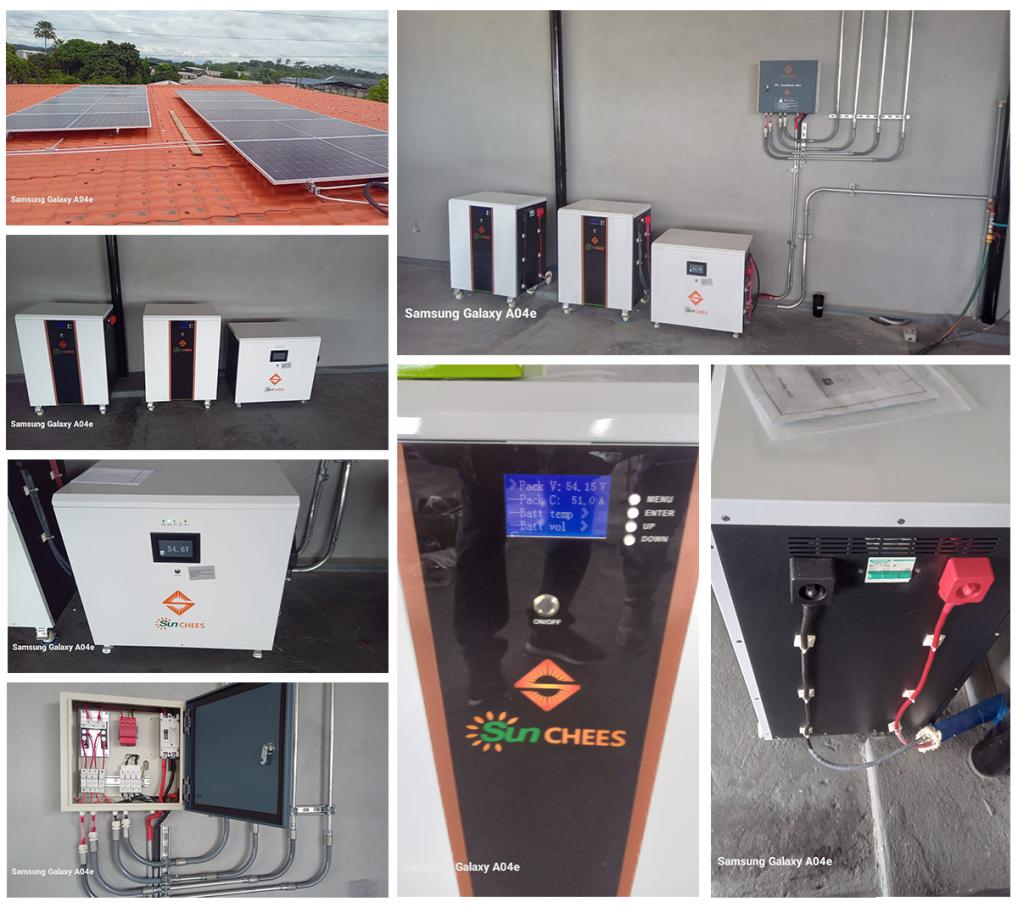
Two groups of solar panels on a red pitched roof in Imbabura, with indoor power equipment and wall mounted cable conduits.
Keeping electricity available for the refrigerator and lights
Ecuador experienced an energy crisis in 2024 when drought affected hydropower supply. That history gives household backup power a practical context: food still needs refrigeration and occupied rooms still need light when the outside supply is interrupted. Solar with battery storage offers another source of electricity for appliances connected to the backup circuits.
This home has a 10kW inverter and two 15kWh lithium batteries. Its six 600W panels form a 3.6kWp array. The batteries provide substantial storage, but the amount replenished each day depends on solar generation and electricity already being used in the house. Air conditioning can increase evening consumption and the energy that must be replaced afterwards.
The six bedrooms and the rooftop therefore belong in the same conversation. Only those six panels are collecting solar energy, while refrigeration, lighting and cooling may all draw on the system. The installation uses an existing roof to generate electricity and an indoor space to hold some of it in reserve for the household.
Plan Your Solar Project with Sunchees
Founded in 2008 and based in Foshan, Guangdong, China, Sunchees develops its own inverters and lithium batteries and provides customised solar power and solar air conditioning solutions for homes and businesses. We support OEM requirements and your choice of solar panel brand, with remote installation guidance throughout the process, from equipment configuration to on-site installation support.
If you are considering solar for your home or business, share your project location, building photographs and everyday electricity needs with us. We can discuss a system and installation arrangement that suits the site and how you use it.
We are transparent and active. You can find us on Instagram, TikTok, YouTube, and Facebook.
 Installed Jun 10, 2026: 10kW/15kWh Solar System for a Kingston Flat-Roof Home
 You May Also Like



 Tel
Tel
 Email
Email
 Address
6th Floor, Zhonghe Zinan Industrial Park, No. 1 Zinan Changang West Road, Nanzhuang Town, Chancheng District, Foshan City, Guangdong Province. China (Mainland)