


 Whatsapp :
 Home
HomeInstalled Jun 5, 2026: 12kW Solar and Battery System for a Five-Bedroom Montego Bay Home
 Aug 14,2026
 27
27
 sunchees solar system
A five-bedroom Montego Bay home may support everyday family life, visiting relatives, home working or several generations under one roof. More occupied rooms can mean longer hours of lighting, hot water, electronics and cooling. Jamaica's strong solar resource can offset part of that daytime demand, while batteries protect selected circuits when the sun is down or the grid is interrupted.
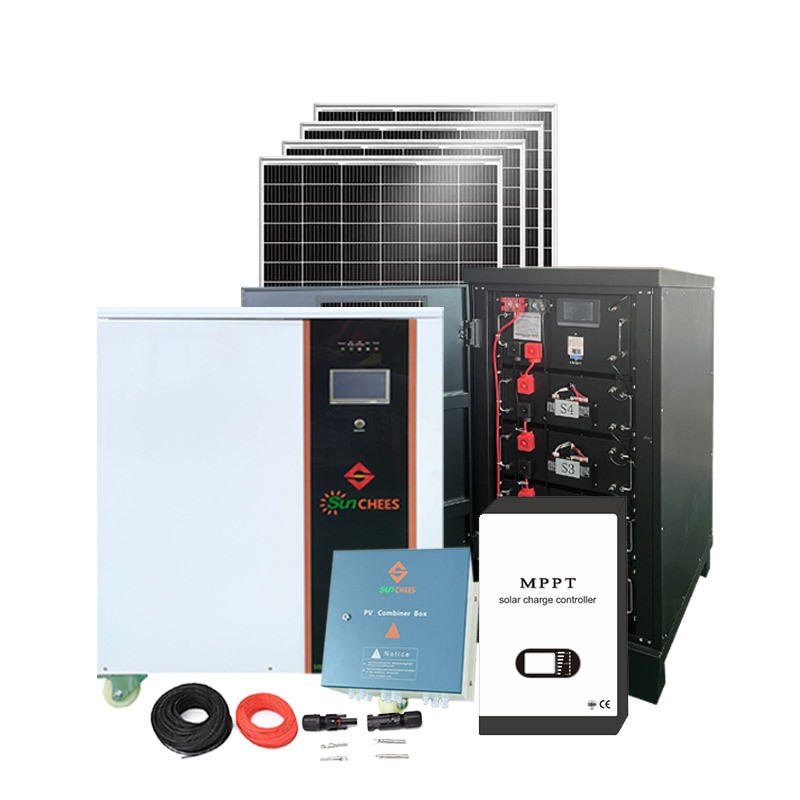
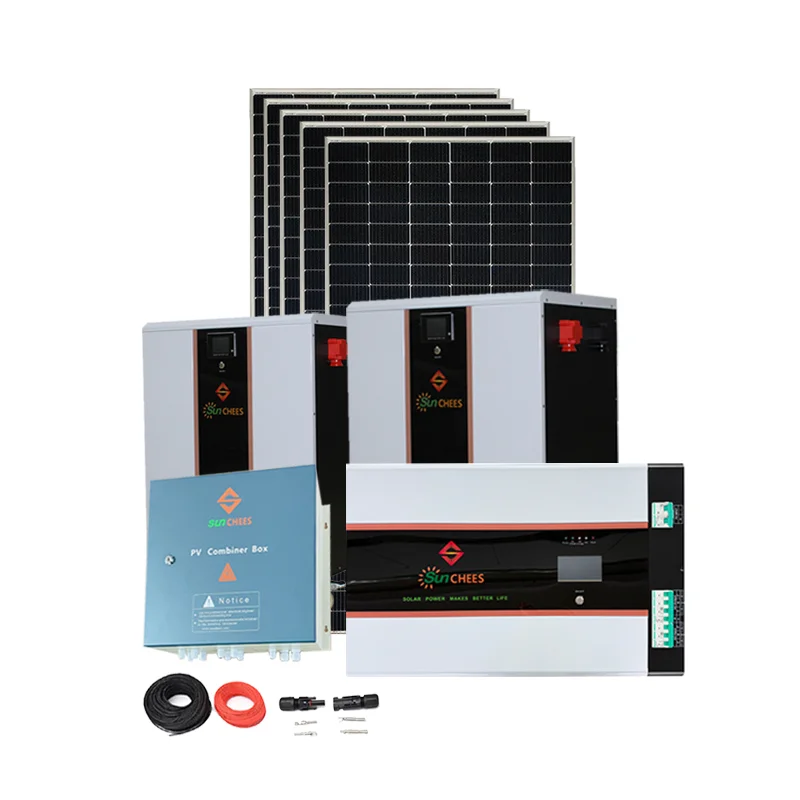
Montego Bay, Jamaica — Jun 5, 2026. Sunchees completed a pitched-roof solar-and-storage installation for a five-bedroom, three-bathroom residence. The recorded system includes fifteen 600W double-glass modules, one 12kW split-phase inverter and two 51.2V 300Ah lithium batteries. Site work took three days.
Why this five-bedroom home uses a larger array
STATIN's 2011 parish data records an average household size of 3.0 people in St James, but it does not report the average occupancy of a five-bedroom home. A useful load study can compare three residents using spare rooms as an office or guest space with a four-to-six-person household using most rooms. These are planning scenarios, not a claim about this customer.
Jamaica's national average solar irradiation is about 5kWh/m²/day, while the Integrated Resource Plan places GHI around 5–7kWh/m²/day across much of the country. Fifteen 600W modules create a 9kWp array, giving this home more daytime generation and charging capacity than the smaller arrays in the two Kingston projects in this series.
Storage answers a different local need. OUR reports that the average JPS customer accumulated approximately 2,403.3 minutes of sustained interruption in 2023. During an outage, the two batteries can preserve refrigeration, internet, lighting, security and selected cooling. The 12kW inverter provides power headroom for appliances operating together; the 30.72kWh battery bank determines how long that combination lasts.
What the installation includes
|
|
|
|
|
|
|
|
|
|
|
|
|
|
|
|
|
|
|
|
12kW controls simultaneous power; 30.72kWh controls duration
Using 80% usable depth of discharge and 90% inverter efficiency for planning gives 30.72 × 0.80 × 0.90 = 22.1kWh available to AC loads. That is roughly 22 hours at an average 1kW, 11 hours at 2kW or 5.5 hours at 4kW. These are energy-budget examples, not monitored project results.
A priority-load schedule helps the homeowner use that reserve deliberately: refrigeration, lights, Wi-Fi, security and essential outlets first; selected air conditioners by room and time; electric water heating, dryers and other high-load appliances separately.
How much can the 9kWp array produce?
At 5kWh/m²/day and an 80% overall planning factor, the preliminary daily value is 9 × 5 × 0.8 = 36kWh/day. NREL PVWatts uses a 14% default system-loss assumption and 96% inverter efficiency; the rounded factor here also leaves room for other practical losses. Roof orientation and shading can still move the result.
If the home consumes 12kWh directly during solar hours, approximately 24kWh remains for charging or other use. If total daily use is 30kWh, favourable average conditions put array production in a similar range. Only continuous monitoring of daily PV kWh will establish this project's clear-day, cloudy-day and seasonal results.
Can the battery run air conditioning through the night?
Courts Jamaica currently lists 12,000, 18,000 and 24,000 BTU inverter split units. That supports locally available capacity ranges, not a best-selling claim. Regional LG specifications show roughly 1.1kW nominal cooling input for a 12,000 BTU inverter and 1.5–1.6kW for an 18,000 BTU model.
Two 12,000 BTU units plus an average 0.8kW for refrigeration, lights and internet total about 3.0kW. The 22.1kWh usable allowance would last approximately 7.4 hours. Three such units plus the base load total around 4.1kW, or about 5.4 hours. One 18,000 BTU unit, one 12,000 BTU unit and the base load total roughly 3.4–3.5kW, giving about 6.3–6.5 hours.
These conservative examples hold the air conditioners near nominal input. Inverter modulation after rooms cool can extend runtime; very hot weather, a low thermostat setting, air leakage and the configured battery reserve can reduce it.
Pitched-roof and coastal design records
For a Montego Bay site, the design inputs should include basic wind speed, terrain exposure, distance from the sea, roof structure and equipment protection ratings. Structural calculations establish anchoring loads; the materials schedule states corrosion resistance for fasteners and enclosures; commissioning records confirm earthing continuity and protective-device tests.
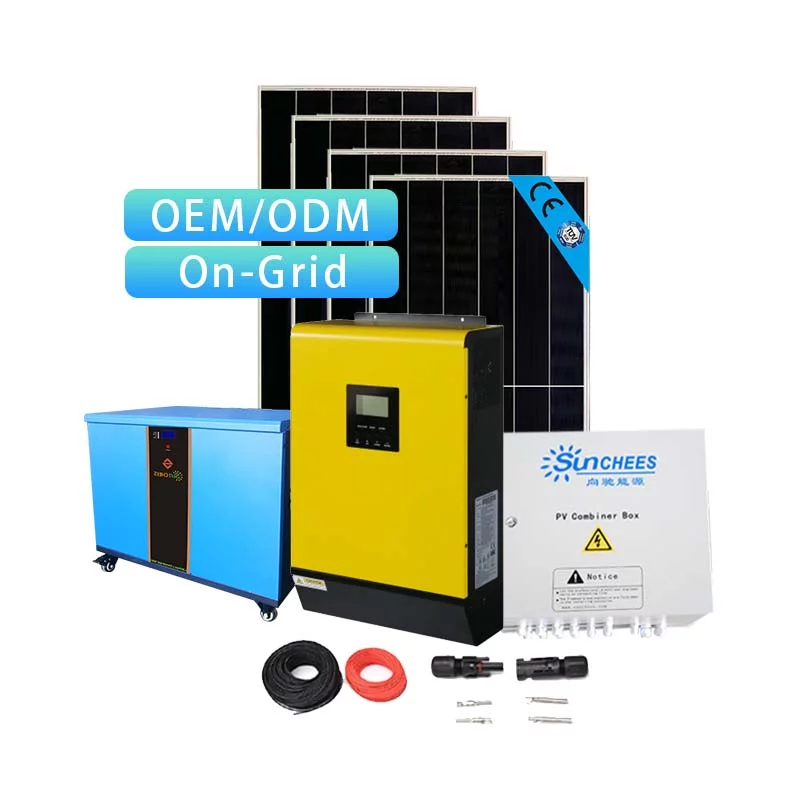
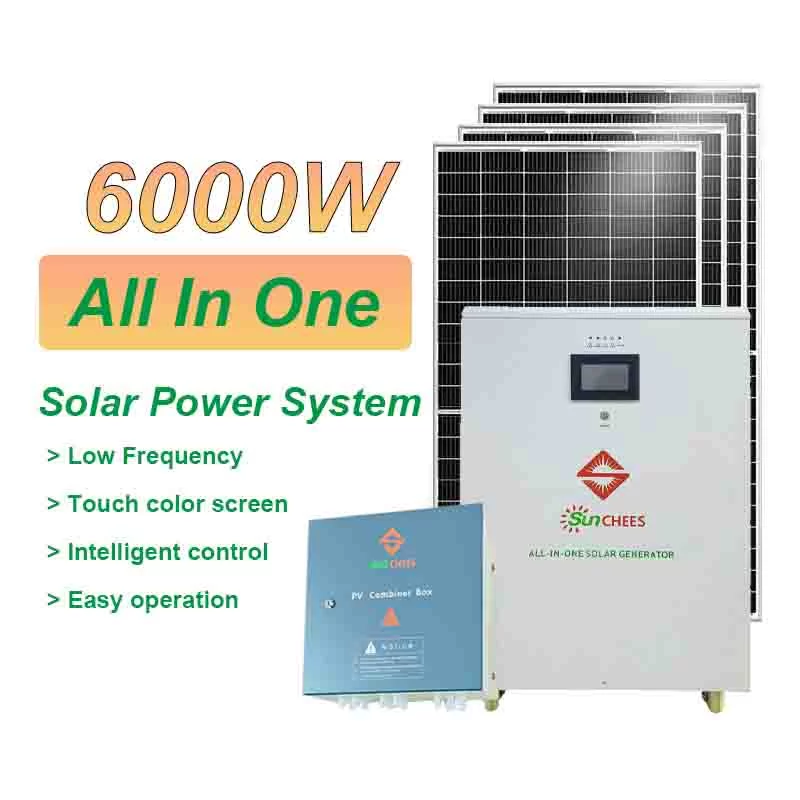
Sunchees begins a comparable design with electricity bills, day and night loads, air-conditioner and motor nameplates, backup duration, roof photographs, site voltage and connection plan. The Sunchees 12kW complete solar system is a range reference; the final bill of materials follows the project data.
Frequently asked questions
Does 12kW describe the panel array?
No. The 12kW figure is the inverter rating. Fifteen 600W modules equal 9.0kWp.
Can the system cover a five-bedroom home's entire daily use?
The preliminary array yield is about 36kWh/day. A home averaging 30kWh/day may be in a comparable energy range under favourable conditions; a substantially higher load, poor roof orientation or cloudy weather creates a deficit. Interval consumption and monitored PV production are needed before making a whole-home claim.
Is this project connected to JPS Net Billing?
The project record used for this article does not establish enrolment. An approval, metering arrangement and contract would be needed to verify export participation.
Editorial sources
 A Solar Retrofit for a Five Bedroom Home in Liberia Costa Rica
 You May Also Like



 Tel
Tel
 Email
Email
 Address
6th Floor, Zhonghe Zinan Industrial Park, No. 1 Zinan Changang West Road, Nanzhuang Town, Chancheng District, Foshan City, Guangdong Province. China (Mainland)