


 Whatsapp :
 Home
HomeA 10kW Ground-Mount Solar and Battery System for a Five-Bedroom Home in St. Peter, Montserrat
 Aug 12,2026
 64
64
 sunchees solar system
If your roof is not the right place for solar panels, a ground-mounted system may give you more freedom over panel position, access and maintenance. For this two-storey, five-bedroom home in St. Peter, we supplied a 10kW-class single-phase solar and battery system with 12 double-glass panels and two lithium batteries. The on-site installation and electrical commissioning were completed in three days, with the installation recorded as complete on 8 August 2026.
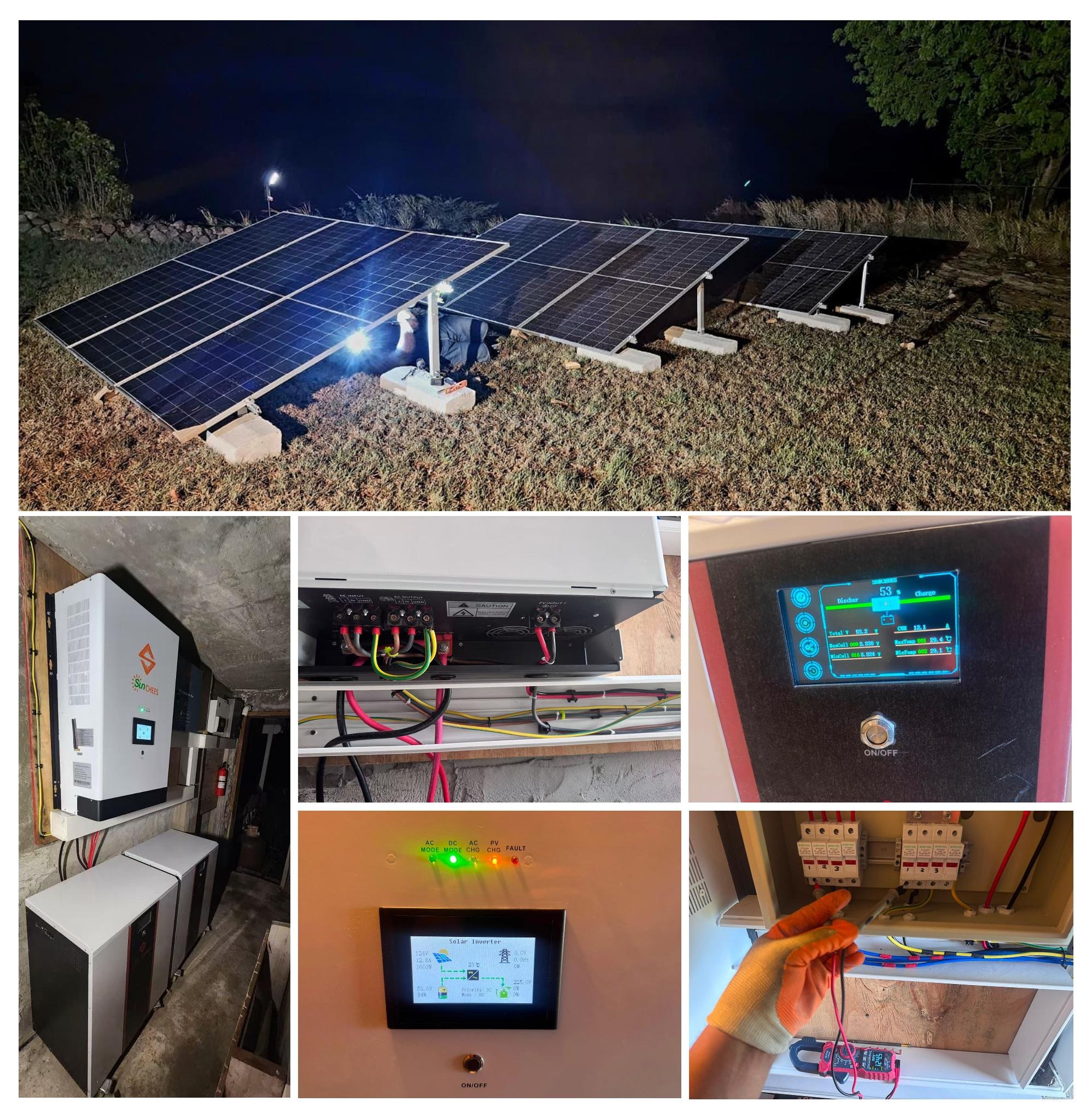
The St. Peter project: ground-mounted panels, a Sunchees inverter, two batteries and commissioning work. These photographs record the installation; they are not a substitute for structural, electrical or long-term performance records.
Project at a glance
|
|
|
|
|
|
|
|
|
|
|
|
|
|
|
|
|
|
|
|
|
|
|
|
|
|
|
What this setup means inside the home
During the day, the panels can run household loads and charge the batteries. After sunset, or during an outage, the batteries can keep selected circuits running. The practical value of each number is straightforward:
- The 10kW inverter determines how much equipment the system can run at the same time.
- The 7.2kWp panel array determines how much solar energy the home can collect during the day.
- The 30.72kWh nominal battery capacity largely determines how long the chosen loads can keep running after dark or when the grid is down.
For this kind of home, the system can be planned to protect the things that matter most during an outage: the refrigerator, essential lights, fans, internet equipment, television, security equipment and a water pump. Air conditioners, electric water heaters, cookers and other high-power appliances can also consume the stored energy very quickly. If several of them need to run through the night, the battery capacity and solar array should be sized for that requirement from the start.
Why a “10kW system” has only 7.2kWp of panels
The 10kW figure is the inverter rating. It is not a promise that the panels will continuously produce 10kW. This project has 12 panels rated at 600W each, so the array totals 7.2kWp under standard test conditions.
That distinction matters to a buyer. A larger inverter gives the home more room for appliances operating at the same time and may leave space for a future array expansion. But the panels can only contribute the solar power available at that moment. If the home is using 8kW while the array is producing 5kW, the remaining 3kW must come from the batteries or the utility supply.
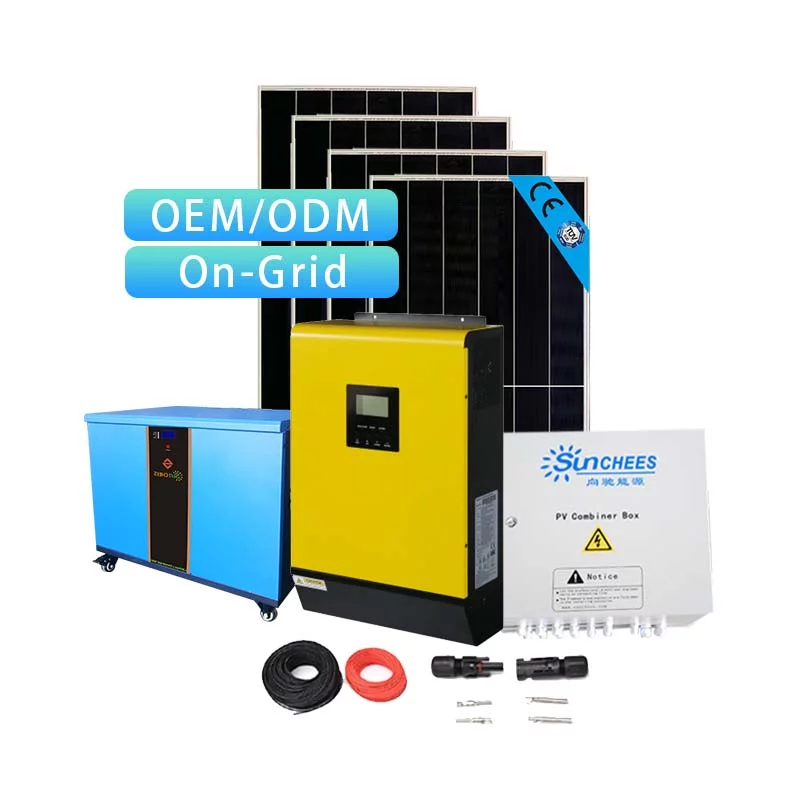
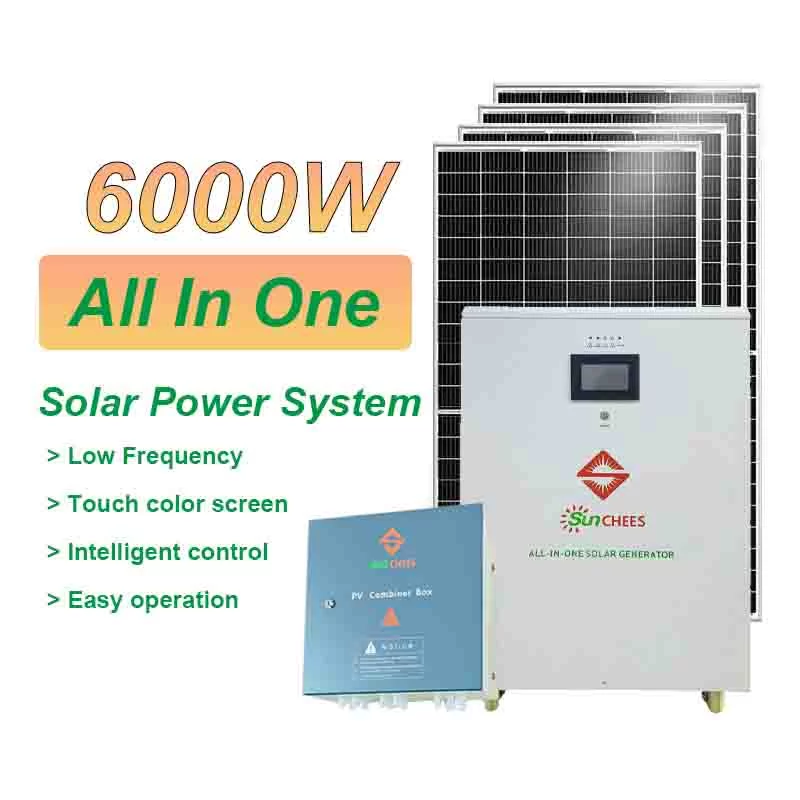
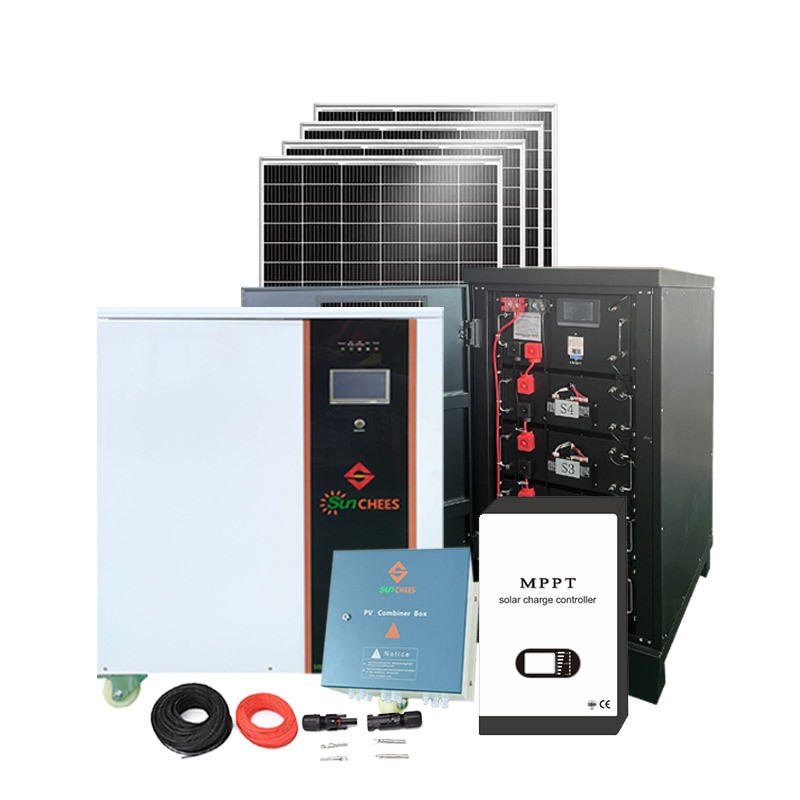
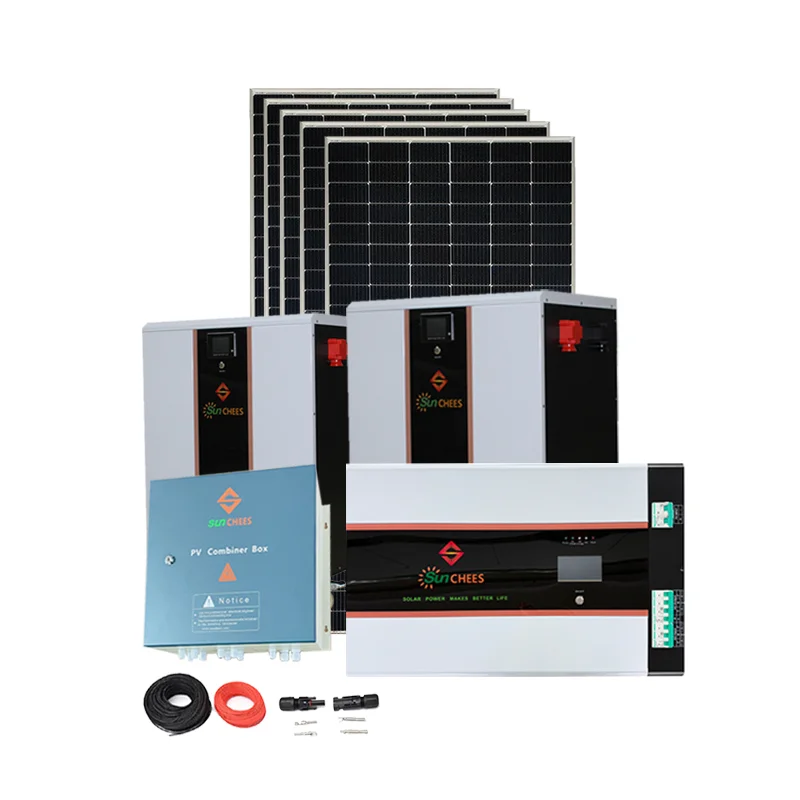
Our current public 10kW product reference shows a different standard package, with fewer panels and less battery storage than this St. Peter installation. It is useful as a product-category reference, not as the bill of materials for this project. Every quotation should state the project-specific panel count, battery capacity, voltage and protection equipment clearly.
How long could 30.72kWh of battery storage last?
The two 51.2V 300Ah batteries provide about 30.72kWh of nominal energy: 51.2V x 300Ah x 2. The whole nominal figure is not normally available at the sockets. Reserve settings, conversion losses, temperature, battery condition and the battery management system all affect usable energy.
For a simple planning example, keep 20% in reserve and allow 10% for conversion losses. That leaves about 22.1kWh for household use. The table below shows what that could mean if there is no solar contribution during the period.
|
|
|
|
|
|
|
|
|
|
|
|
|
|
|
|
|
|
|
|
These are sizing examples, not measured results from this home. Appliances cycle on and off, and the starting state of charge makes a large difference. Sunshine during the outage can extend the time; cloud, shading or a partly charged battery can shorten it.
How much energy might a 7.2kWp array produce in a day?
Using 3.5 to 5 equivalent full-sun hours and an overall output factor of 80%, a 7.2kWp array would produce roughly 20 to 29kWh in a day. This is an indicative design range, not a production guarantee. Cloud cover, season, module temperature, tilt, dust, cable losses and shade all change the result.
The useful comparison is with the home's daily electricity use. If the household uses 35kWh a day, this array may not replace all of it. If the priority loads use around 10 to 15kWh a day, a good solar day gives the batteries a much better chance of recovering after an outage. For a new quotation, we use the site's position, array layout and electricity bills to prepare a month-by-month estimate.
Why ground mounting made sense here
A ground array does not occupy the roof, and it can be easier to reach for cleaning, inspection and repairs. The panel direction and tilt can also be planned separately from the roof. In return, the array uses part of the property and needs suitable foundations, drainage, cable protection and safe separation from people, pets, vehicles and garden equipment.
For another Montserrat home, we would check:
- shade at different times of the year, including future tree growth;
- foundations, posts, bracing, fasteners and the design wind load;
- drainage, erosion, standing water and vegetation control;
- cable distance, voltage drop and mechanical protection;
- access for children, pets, gardening equipment and vehicles;
- corrosion protection and a practical inspection schedule for an island environment.
Montserrat is already using solar and battery storage as part of the island's wider energy-resilience work. A home system still needs its own site design, electrical review and confirmation of the current local requirements.
Matching a single-phase system to Montserrat's supply
Montserrat Utilities Limited states that the island's electricity system operates at 60Hz with 400/230V secondary distribution. This installation is recorded as single-phase. For a new home, we would first check the meter, main distribution board, equipment labels and any existing drawings. The inverter input and output, earthing, protection and transfer arrangement then have to match the actual service.
If the system will operate in parallel with the utility, the current interconnection, metering, approval and protection requirements should be confirmed before equipment is ordered. A backup or off-grid design also needs a clear separation between ordinary circuits and backed-up circuits, with final connection, inspection and commissioning handled by suitably qualified local professionals.
What the three-day installation record does — and does not — include
The installation and electrical commissioning on this site took three days after the equipment had arrived and the work areas were ready. It does not include load assessment, system design, manufacturing, shipping, foundation preparation or any upgrades to the home's distribution board.
At handover, the owner should receive records for string checks, polarity, insulation, earthing, protective devices, inverter settings, battery communication, charging and discharging, backup transfer and monitoring. The project photographs show the equipment during commissioning; ongoing monitoring is still needed to understand long-term performance.
Planning a similar system in St. Peter or elsewhere in Montserrat
To prepare a useful proposal, we need more than the number of bedrooms. Send us 12 months of electricity use, labels for the main appliances, the loads that must stay on during an outage, supply details, photographs of the proposed location, available ground dimensions, and notes about shade and drainage. We can then prepare a recommended configuration, model-level data and a project bill of materials for review by the local installation team.
You can also read our Montserrat solar guide or view the Sunchees 10kW system reference. The reference product uses a different panel and battery configuration; the quotation for any new project should list its own exact equipment.
Frequently asked questions
Why do 12 x 600W panels equal 7.2kWp?
Twelve panels multiplied by 600W equals 7,200Wp, or 7.2kWp. The 10kW figure in this case refers to the inverter class.
How much energy is stored in two 51.2V 300Ah batteries?
Their theoretical nominal energy is 51.2V x 300Ah x 2, or 30.72kWh. Actual usable energy depends on reserve settings, permitted depth of discharge, conversion losses, temperature and battery condition.
Can 30.72kWh run the whole house all night?
That depends on the average load. Essential items may run for many hours, while several air conditioners, an electric cooker or a water heater can shorten the time sharply. A load list gives a far more useful answer than the bedroom count.
Is ground mounting better than roof mounting for every Montserrat home?
No. It works well where there is suitable land, good sun and safe maintenance access. The decision should compare land use, shade, drainage, foundations, cable routing, security, wind exposure and the condition of the roof.
Will every similar installation take three days?
No. Three days is the on-site installation and commissioning record for this project. Foundations, roof or electrical repairs, shipping, weather, inspection and approval arrangements can change the schedule.
Editorial sources
 A 15kW Split-Phase Solar and Battery System for a Five-Bedroom Home in Dededo, Guam
 You May Also Like



 Tel
Tel
 Email
Email
 Address
6th Floor, Zhonghe Zinan Industrial Park, No. 1 Zinan Changang West Road, Nanzhuang Town, Chancheng District, Foshan City, Guangdong Province. China (Mainland)