When the Local Substation Went Down: A South African Home Solar Backup Story
Sep 07,2026
0
sunchees solar system
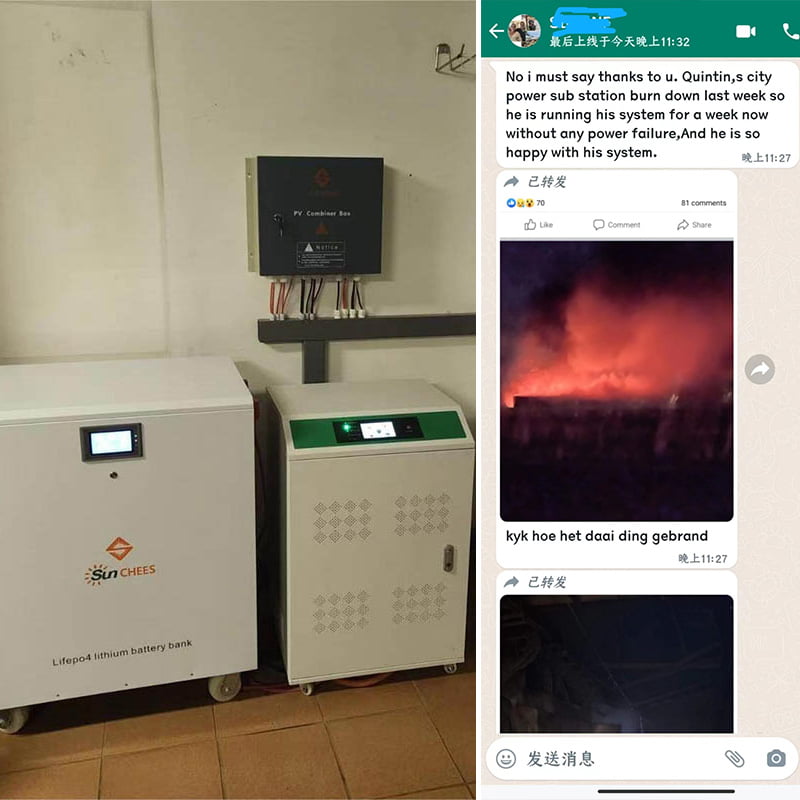
Late one night, the homeowner sent a short WhatsApp message: the municipal substation had burned down the previous week. Then came the part that mattered at home: their system had been running for a week without another power failure.
This is one family’s account, but the moment will be familiar to many homeowners. When no one can say exactly when power will return, the food in the fridge, the lights, the internet and the phone chargers still have to work. That is where home backup power begins.
Why a substation incident changes the way a household thinks about power
In South Africa, a substation incident can affect much more than one street. A City of Ekurhuleni notice records that a fire at Thokoza substation Z7 affected residential and industrial customers. During City Power Johannesburg’s response to the Bree Substation fire, heat, smoke and transformer oil had to be made safe before a full assessment and restoration work could begin.
The customer did not name the town or utility, so this story is not tied to either incident. It is about the same uncertainty that follows a local failure: the household needs to carry on while the utility works out how long repairs will take. A solar-and-battery system can keep the circuits the family has chosen switched on.

The system behind one WhatsApp message
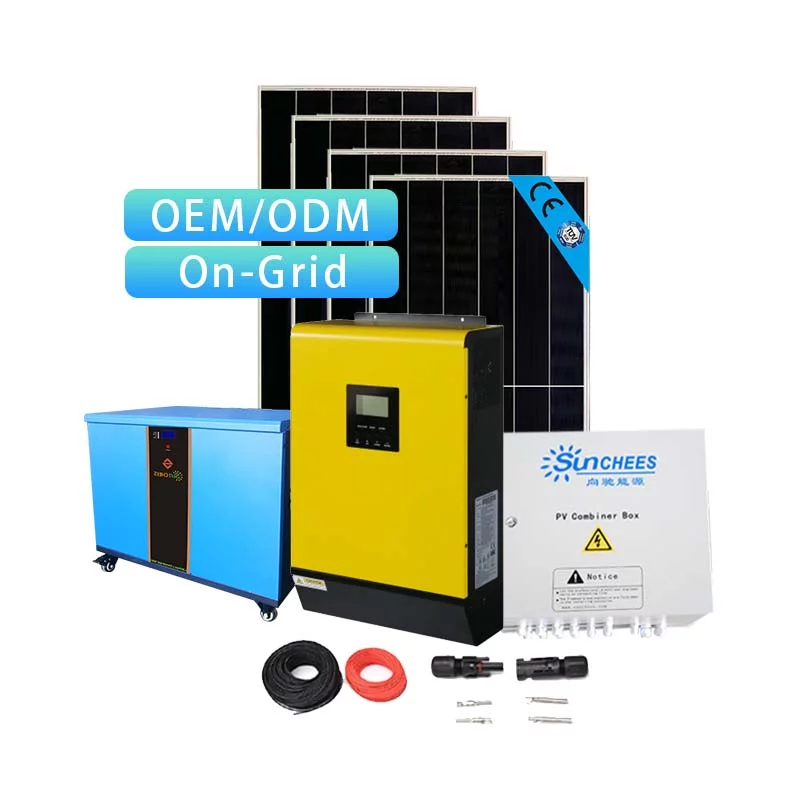
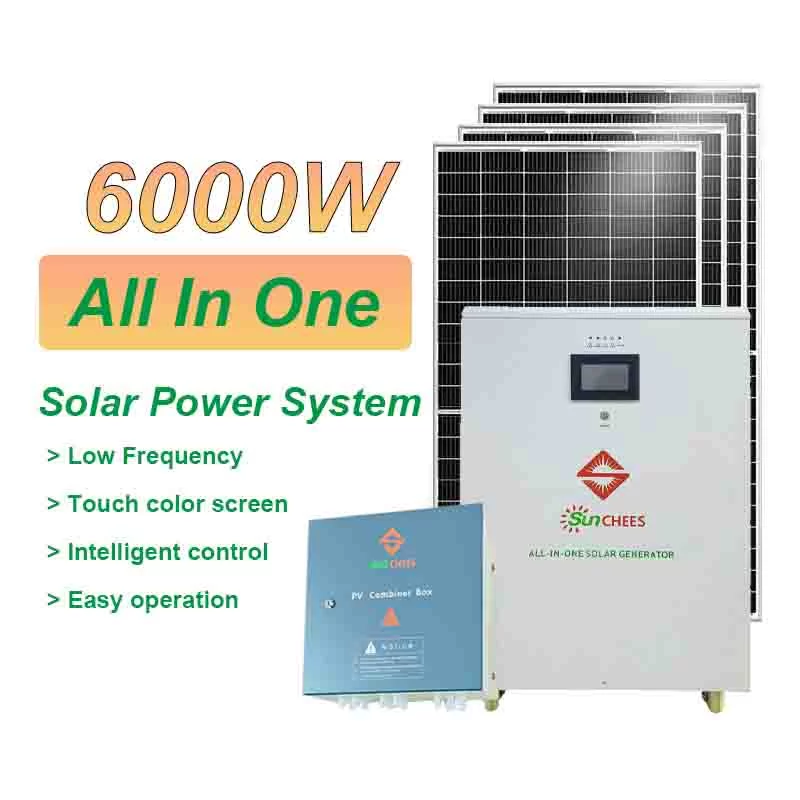
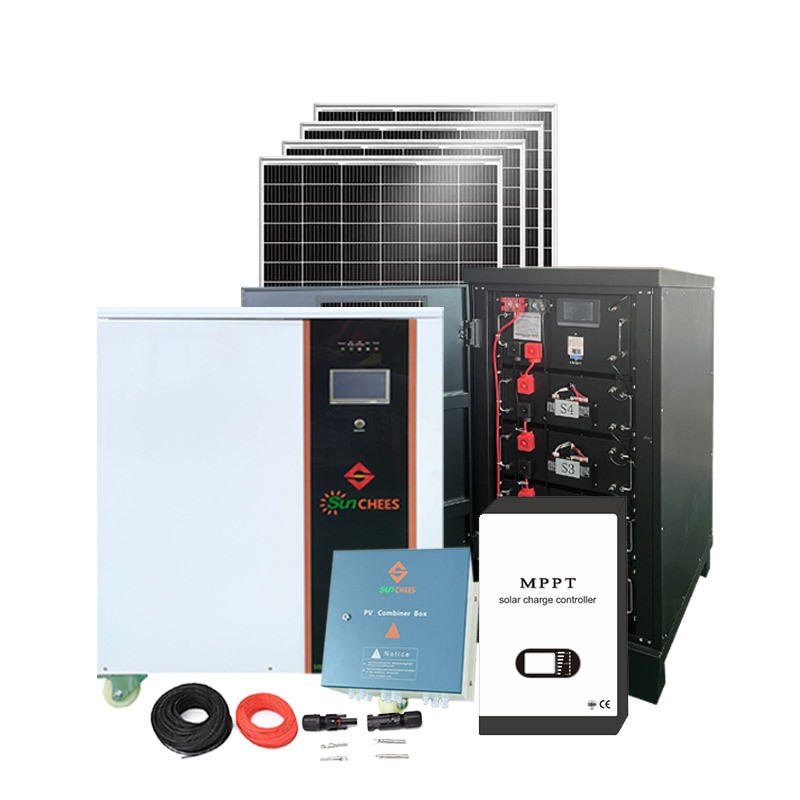
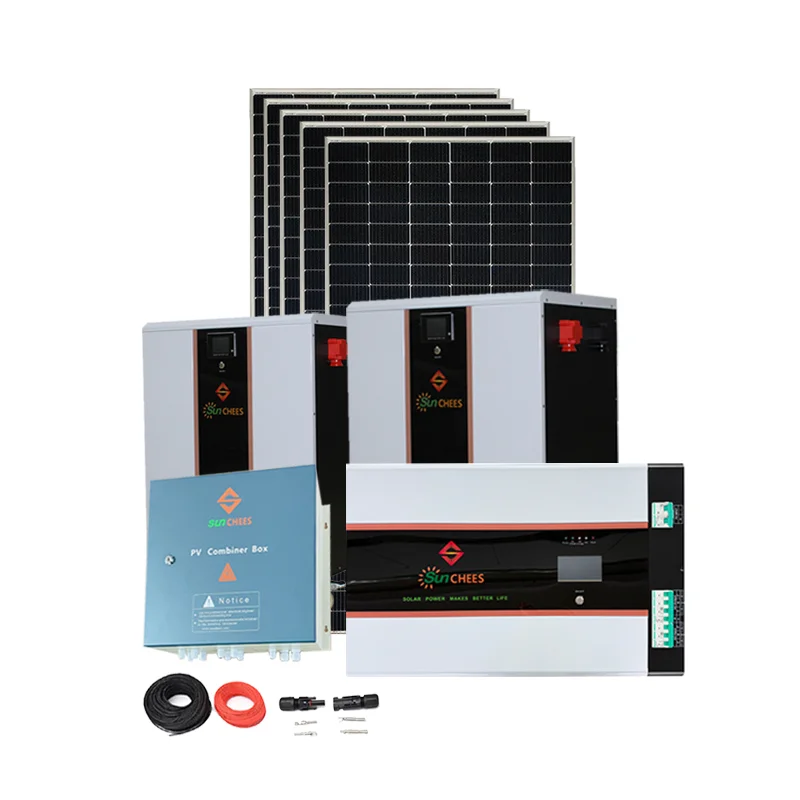
The customer’s photographs show two Sunchees-branded battery cabinets, an inverter and a PV combiner box. During the day, solar generation can serve household loads and charge the batteries. In the evening, or when supply is interrupted, the inverter converts stored DC energy into the AC electricity used by home appliances. The combiner box brings the solar-panel wiring together before it enters the system.
Each item has a different job. Together, they allow the household to keep selected circuits on: refrigeration can continue, the router can stay online, lights can remain on and phones can charge. That is the everyday value of a planned backup system during an unexpected interruption.
What a week of backup looked like for this family
The customer said the system kept running well for about a week after the local power-facility fire. For this family, backup meant an unexpected outage did not force every routine at home to stop.
The photographs and message capture one moment in the family’s week. Every new home starts with the circuits the family wants to keep running; the solar panels, batteries and inverter are then sized around that plan.
What a 15 kW system means when you are planning a home
When you see 15 kW, start by asking what may be running at the same time. It tells you how much equipment the inverter can handle together. The battery determines how long those appliances can keep running after dark, and the solar array determines how much of that energy can be put back the next day.
For a homeowner comparing a 15 kW-class option, three questions are separate:
- Inverter power affects which appliances can run at the same time.
- Usable battery energy affects how long selected loads can keep running after sunset or during an outage.
- Solar-array output affects how much energy can be replaced during the day.
A house with a fridge, lights and internet has a different backup profile from one that also expects to run air-conditioning, electric water heating, an electric cooker or a large water pump at the same time. We start with the circuits you want to keep on, the power of those appliances and the hours you expect to use them. Battery voltage and capacity, panel quantity and panel wattage then turn that list into a practical recommendation.
What that means on an ordinary evening
For a family of three or four, the first things worth protecting are usually simple: the fridge and freezer, lights, Wi-Fi, phones, security and a television or home office. With those essentials on the backup circuits, an outage does not have to turn the evening upside down. Dinner stays cold, the children can finish schoolwork, the gate and internet keep working, and the family can get through the night as normal.
A kettle, microwave or washing machine can still be used, one at a time. The difference is that the family does not ask the system to run every high-power appliance together. Electric water heating, an oven, room heating, a pool pump and air-conditioning need their own plan because they use a great deal more energy. In South Africa, they are the appliances that make an ordinary house feel like a much bigger load.
So a 15 kW home system is not a promise that every appliance will run forever. It is a way to make sure the parts of home life that matter most do not stop when the grid does. The exact overnight runtime comes from the battery chosen for the home and the circuits the family decides to protect.
The question this home leaves for the next one
“Keep the house normal during an outage” means something different in every household. One family may prioritise lights, refrigeration and Wi-Fi. Another may also need a home office, a pump, security equipment or several air-conditioning circuits. Those choices set the simultaneous demand, the stored energy needed overnight and the solar generation needed to replenish it.
If you are planning solar and battery backup for a South African home, send us three months of electricity bills, the appliances you want to protect, their power ratings and the hours you expect to use them. We can turn that into a load-priority and capacity recommendation built around your routine.
Learn more: Sunchees solar inverter and battery systems
Explore: Sunchees 15 kW system options
Frequently asked questions
Can this case tell me exactly what a 15 kW system will run?
It gives a clear starting point: protect the fridge, lights, Wi-Fi, security and the devices the family relies on every day. Then decide whether electric hot water, cooking, heating, air-conditioning or a pump should also be included. Those choices decide the battery size and the runtime for that particular home.
How do solar panels and batteries help during an unexpected outage?
Batteries carry the selected circuits through an interruption; solar panels serve those circuits in daylight and rebuild the battery reserve for the next evening. In a South African model using smart-meter data from 6,724 households, PV-connected systems reduced the extra grid demand associated with battery recharge after load shedding, compared with battery backup charged only from the grid. For one home, the runtime calculation starts with usable battery kWh, the wattage of the protected appliances and their planned hours of use; weather, shading and charge settings then shape how much of that reserve solar can replace.
Can my home use this case as a starting point?
Yes. Use it to begin with the circuits that matter most in your home. A list of essential appliances and their expected hours of use, together with the available roof or ground area and any shading, gives us the information needed to develop an inverter, battery and solar-panel combination for your property.
Editorial sources
City of Ekurhuleni: Thokoza Z7 substation-fire notice
City Power Johannesburg: Bree Substation fire update
Applied Energy: South African battery-backup and load-shedding study

Home
A 10kW Solar System for a Five-Bedroom Home in Kingston
You May Also Like

Tel
Email
Address