Solar, Batteries and Generator Power for a Montego Bay Villa
Sep 08,2026
0
sunchees solar system
In a villa with 15 bedrooms, evening electricity demand changes with the rooms in use. A television may be on in the living room while several bedrooms are being cooled and refrigerators continue running. In Jamaica, JPS restores major infrastructure and essential services before working through community networks and smaller lines. A backup supply gives connected household appliances another source of power while repairs continue. JPS’s restoration process.
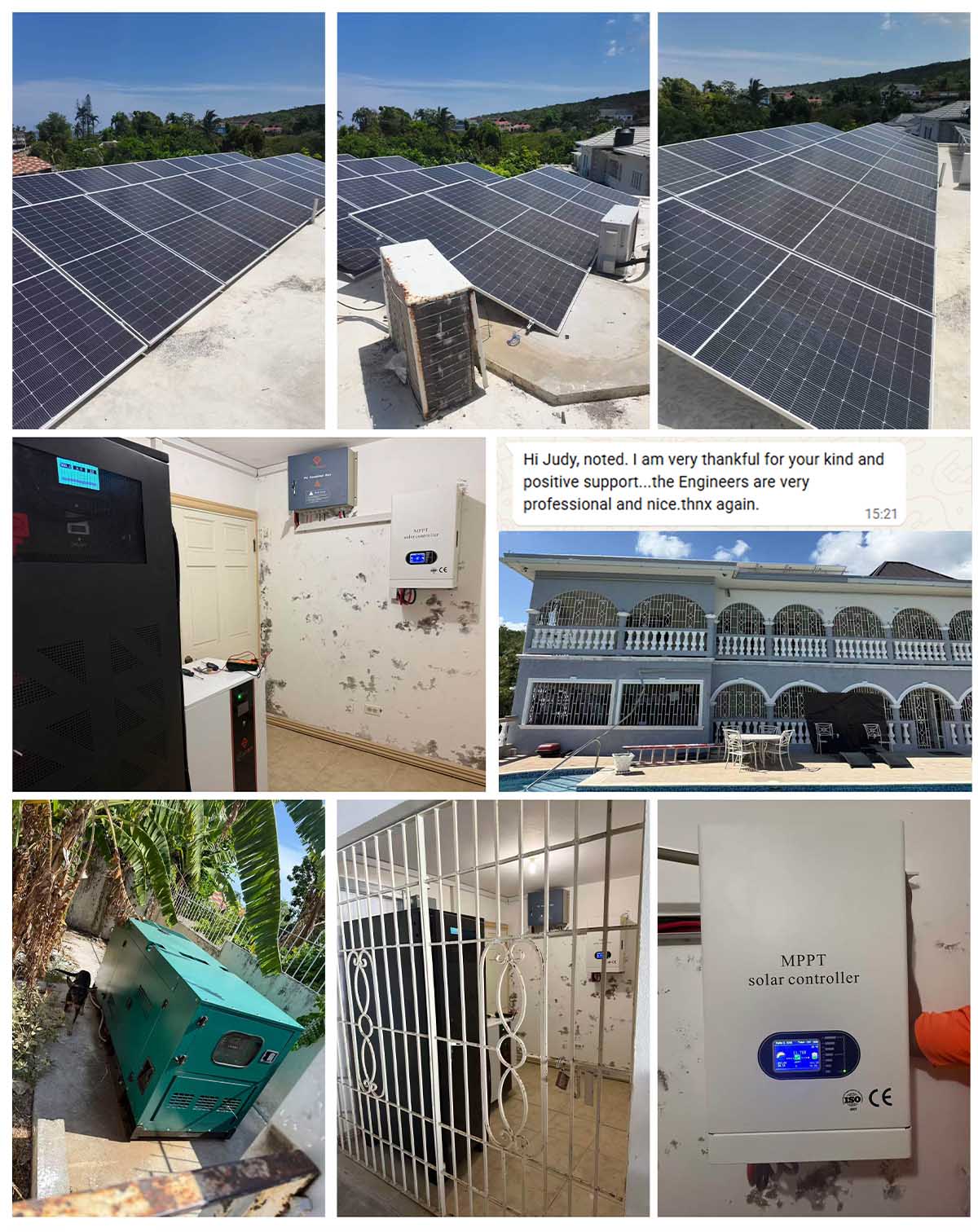
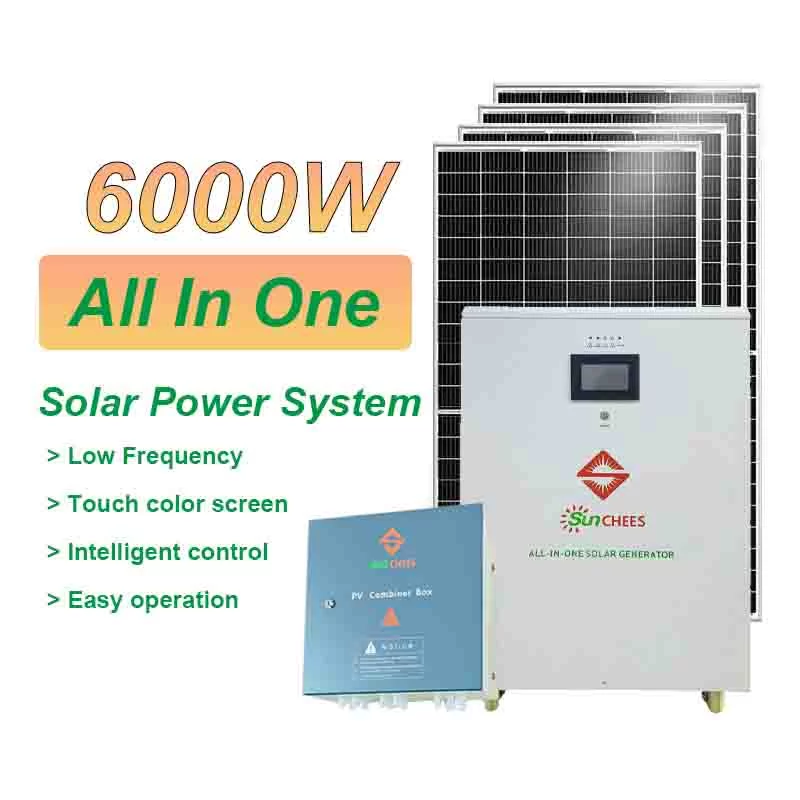
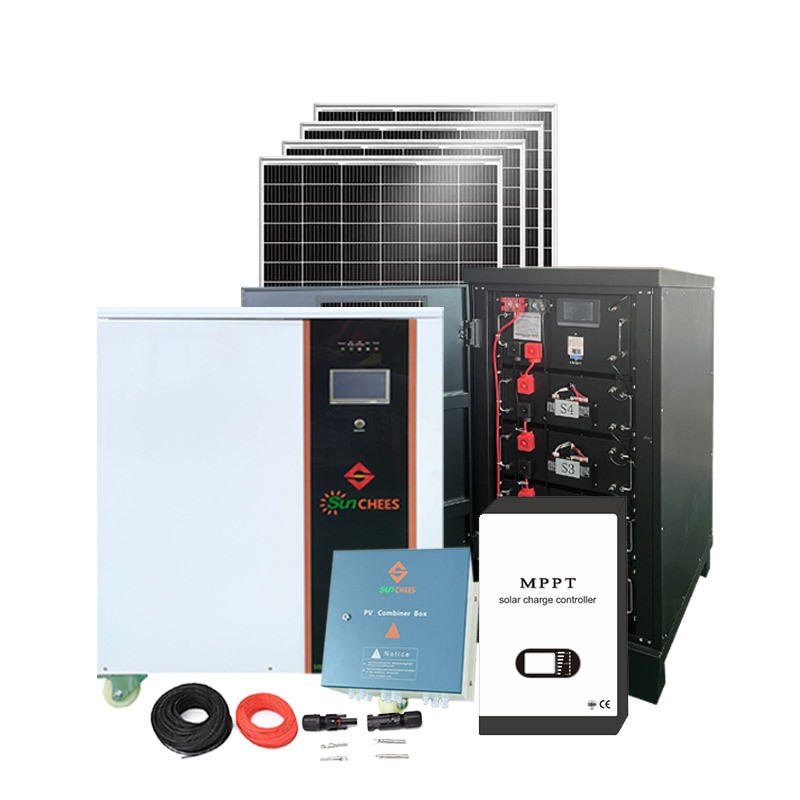
For this 15-bedroom, seven-bathroom villa in Montego Bay, we brought rooftop solar, 72kWh of lithium battery storage and a diesel generator into the power arrangement. Solar collects daytime energy, batteries carry some of it into the evening, and the generator adds another supply option when sunlight is insufficient or an outage continues. Available charge, fuel and appliance demand determine how long each source can serve the property.
Why longer outages matter when planning power in Montego Bay
In its Jamaica restoration update dated Mar 27, 2026, JPS described widespread network damage and rebuilding in western areas badly affected by Hurricane Melissa. For someone planning backup power in Montego Bay today, that makes it useful to consider how a household would manage beyond the first evening, especially if solar production is also reduced. JPS restoration update.
This villa’s installation took place on Jan 15, 2026, with four days of site work. Its combination of batteries and a diesel generator provides equipment for different supply needs: stored electricity for periods without sunlight and an additional source when more energy is required. Generator use can be planned around the charge remaining and the rooms being used.

Rooftop solar for an established villa
The villa has a series of arched terraces. Solar panels sit on rooftop mounting structures, with electrical equipment indoors and a diesel generator outside. Air-conditioning outdoor units also occupy parts of the roof, so the solar installation shares the space with existing equipment.
|
|
|
|
|
|
|
|
|
|
|
|
|
|
|
|
|
|
|
|
|
|
|
|
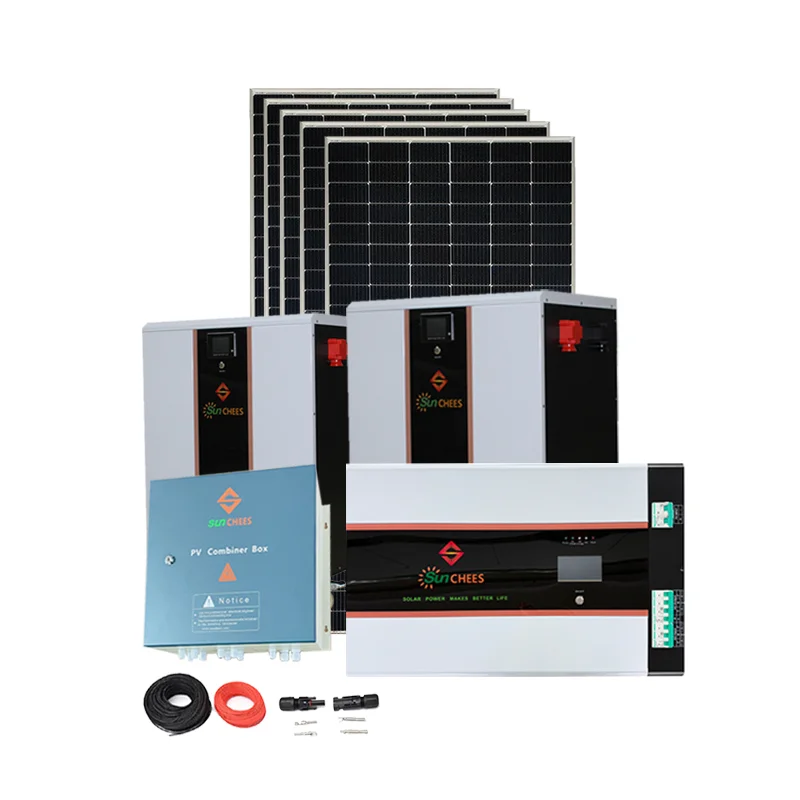
The inverter provides capacity for simultaneous appliance demand, while the 18kWp array collects solar energy during the day. Once current household demand is met, surplus generation can replenish the battery. Running several rooms’ air conditioning during daylight changes how much energy remains available to store for the evening.
Which bedrooms could stay cool through a night-time outage?
Starting with 72kWh of fully charged storage, the planning allowance for reserve and conversion losses leaves about 52kWh for appliances. Suppose refrigeration, shared-area lighting, televisions and other retained loads, including system consumption, average 1kW in total:
- Three bedroom air conditioners: approximately 4.3kW total demand, for about 12 hours.
- Six bedroom air conditioners: approximately 7.6kW total demand, for about 7 hours.
- One air conditioner in each of all 15 bedrooms: approximately 17.5kW total demand, for about 3 hours on the battery alone, provided battery discharge capability and the connected circuits support that load.
These estimates start with a fully charged battery, retain a 20% reserve and allow for 90% conversion efficiency, with no solar or other charging during the outage. Each bedroom air conditioner is assumed to average 1.1kW. Cooling demand can fall once a room reaches its set temperature, or rise in hotter weather and with larger units. The battery, inverter and connected circuits must also support the running and starting demand.
The diesel generator is excluded from these running-time estimates. Bringing it into service can extend the period with power, subject to fuel, load and the supply arrangement. Keeping occupied bedrooms cooled gives the same battery more time to support the household than cooling every room throughout an outage.
How much could a busy villa reduce its electricity bill?
For an example with several rooms in use, assume eight air conditioners run for eight hours each day, with half those hours during daylight. Cooling then accounts for around 70.4kWh daily. Add 19.6kWh for refrigerators, shared lighting, televisions and other appliances, and total use reaches 90kWh a day, or 2,700kWh over 30 days. A villa with fewer rooms in use would have a lower electricity requirement and less spending available to offset.
For budgeting, we use J$55–65 per kWh, with an allowance for tax and the fixed customer charge added separately. This is a planning assumption informed by the official 2024 residential average of J$56.95 per kWh and JPS’s changing bill components; it is not a complete current tariff quotation. See the official energy statistics and JPS billing information. This example assumes residential grid purchases. A commercial meter or a property normally powered by diesel requires a different cost comparison.
At that level of use, electricity-use charges before solar would be approximately J$149,000–176,000 a month. The 18kWp array’s estimated monthly output is 2,025–2,160kWh. If about 1,620–1,944kWh ultimately replaces grid purchases, electricity-use charges could fall by around J$89,000–126,000 a month, leaving approximately J$42,000–70,000, plus the fixed customer charge.
The generation estimate uses roughly five equivalent full-sun hours per day, a 20–25% allowance for generation losses, and a further assumption that 80–90% of that output ultimately replaces electricity purchased for the home. The remaining allowance covers storage losses and unused generation. These are broad planning estimates, not a site-specific weather or hourly energy simulation; cloudy months and shading can produce lower results.
This comparison keeps appliance use unchanged and assumes solar replaces electricity that would otherwise be purchased from the grid. Diesel fuel, equipment, finance and maintenance remain separate costs. The figures describe a reduction in electricity spending, rather than the villa’s measured bills or a net investment return.
Planning a system for your Montego Bay villa
Send us a recent electricity bill, the number of air conditioners normally running together and the nameplate details of any existing generator. If room use changes with the season or visiting family, describe both quieter periods and periods when more bedrooms are occupied. We can then discuss how panels, batteries and the generator would work around those different demands. Explore our solar solutions for homes and villas for more options.
Frequently asked questions
Is solar and battery storage useful if I already have a diesel generator?
They can be considered together. Solar provides daytime energy, batteries store some for later, and the generator offers an additional supply. Its output and the property’s electrical arrangement determine how switching and battery charging should be incorporated.
Would the villa save the same amount while mostly empty?
Lower consumption leaves fewer grid purchases to replace. Once the battery is full, some solar generation may go unused. These estimates include no income from exporting electricity, so room use and occupancy timing affect the saving.
Would the generator need to run all night?
When the battery can meet the night-time demand, part of the night can be supplied from storage. Generator operation can be arranged around overnight consumption and the reserve to retain. More cooling demand or less charging during the day can increase the time another source is needed.

Home
Solar and Battery Storage for a Three-Storey Home in Kingston
You May Also Like

Tel
Email
Address