


 Whatsapp :
 Home
HomeHow to Buy a 10kW Solar System in Trinidad and Tobago from China
 Jul 12,2026
 0
0
 sunchees solar system
Buying a 10kW solar system in Trinidad and Tobago directly from a Chinese manufacturer can reduce equipment costs and give buyers more control over battery capacity, inverter output, panel type, backup duration, and shipping arrangements.
However, the lowest quotation is not necessarily the best system.
Before placing an order, buyers should confirm five issues:
- Whether 10kW is the correct size for the property.
- Whether the inverter matches the local 115/230V, 60Hz electrical supply.
- How much battery storage is required.
- Which import charges apply to each component.
- Who will install, commission, and support the system after delivery.
This guide explains the complete process—from load assessment and system design to production, sea freight, customs clearance, installation, and warranty support.
Is a 10kW Solar System in Trinidad and Tobago the Right Size?
A 10kW rating normally describes the nominal output of the solar array, inverter, or both. It does not automatically tell you how much energy the system can supply at night or during a power outage.
Battery capacity, daily electricity consumption, peak appliance demand, weather, shading, and system losses must also be considered.
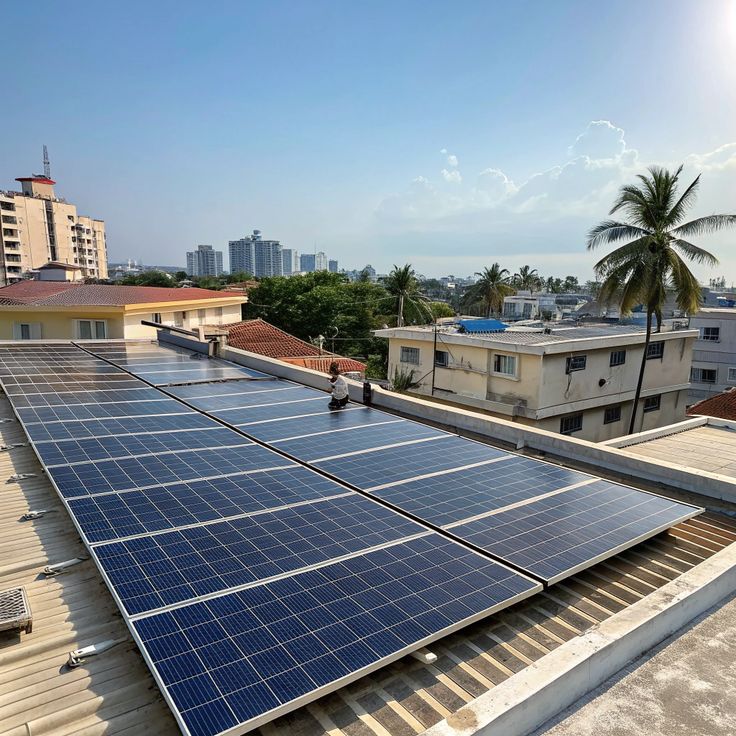
As an initial planning benchmark, solar resource data for Trinidad and Tobago indicates average photovoltaic output potential of approximately 4.3kWh per installed kWp per day. Under suitable conditions, a 10kW array could therefore produce around:
- 43kWh per average day
- 1,300kWh per average month
- 15,700kWh per year
These figures are preliminary estimates, not guaranteed production. Actual output depends on the exact location, roof direction, panel tilt, shading, temperature, equipment efficiency, soiling, and seasonal weather. Site-specific estimates should be prepared using the property coordinates and final system layout.
A 10kW System May Be Suitable For
- Medium-to-large homes
- Villas and guesthouses
- Small hotels or Airbnb properties
- Farms with pumps and refrigeration
- Shops, offices, and small workshops
- Properties with frequent power interruptions
- Buildings using several air conditioners
- Customers who want daytime savings plus battery backup
What Information Is Needed Before Sizing?
|
|
|
|
|
|
|
|
|
|
|
|
|
|
|
|
|
|
|
|
|
|
|
|
|
|
|
|
|
|
|
|
|
Grid-Tied, Hybrid, or Off-Grid?
|
|
|
|
|
|
|
|
|
|
|
|
|
|
|
|
|
|
|
|
|
|
|
|
|
A 10kW off grid solar system generally requires more battery storage and design margin than a grid-connected system because it must continue operating during cloudy periods without utility support.
What Should a 10kW Solar System in Trinidad and Tobago Include?
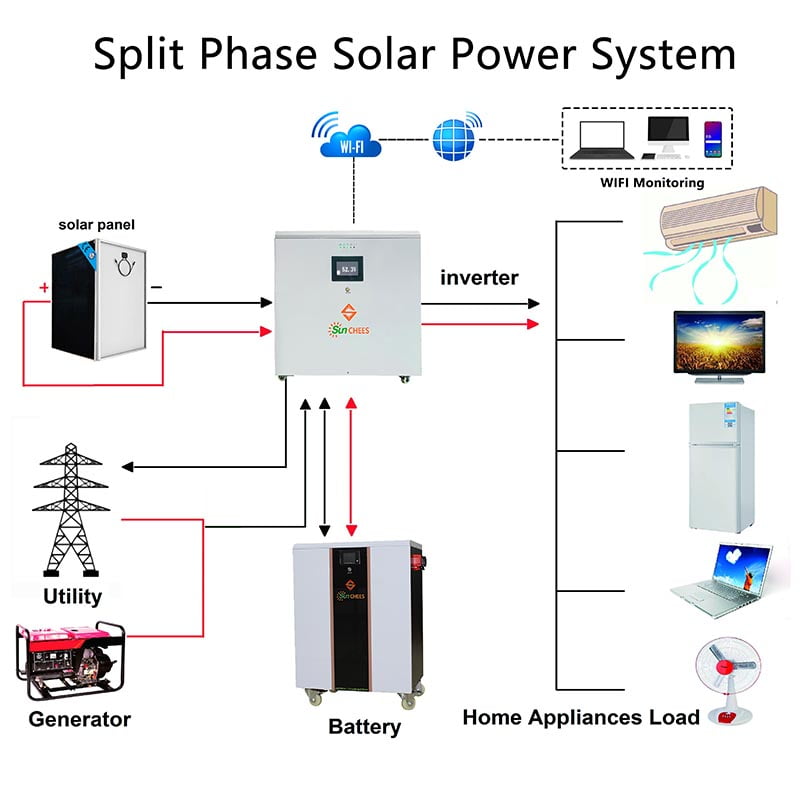
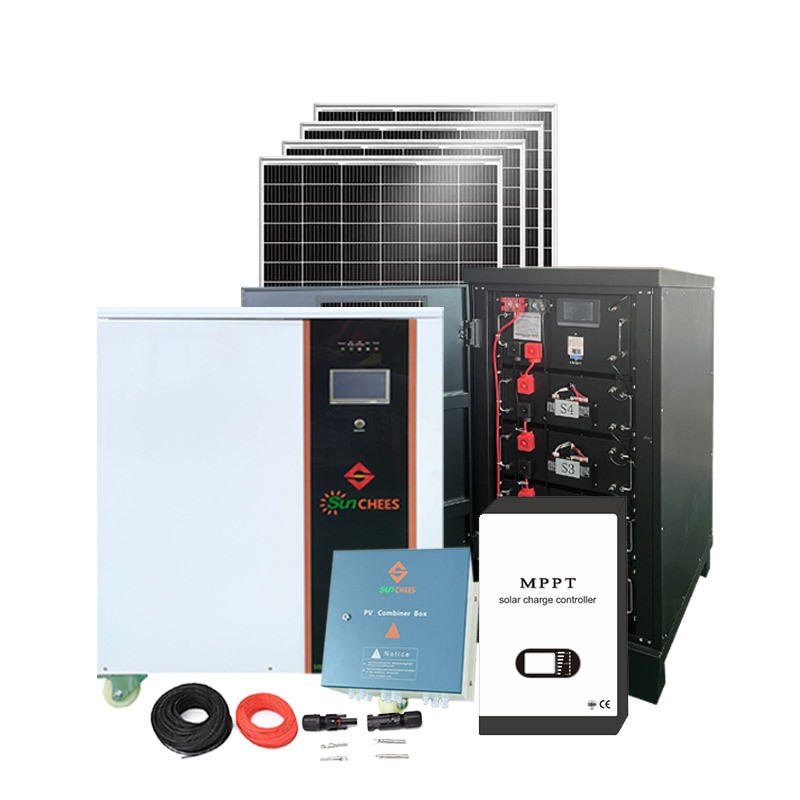
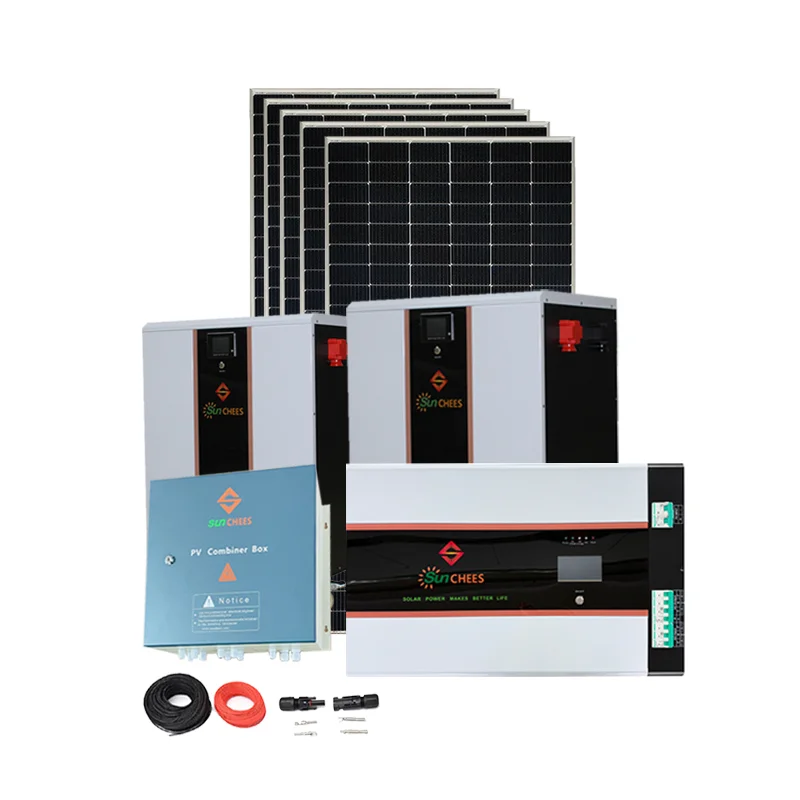
A complete system should be designed as one electrical package rather than assembled from unrelated components after delivery.
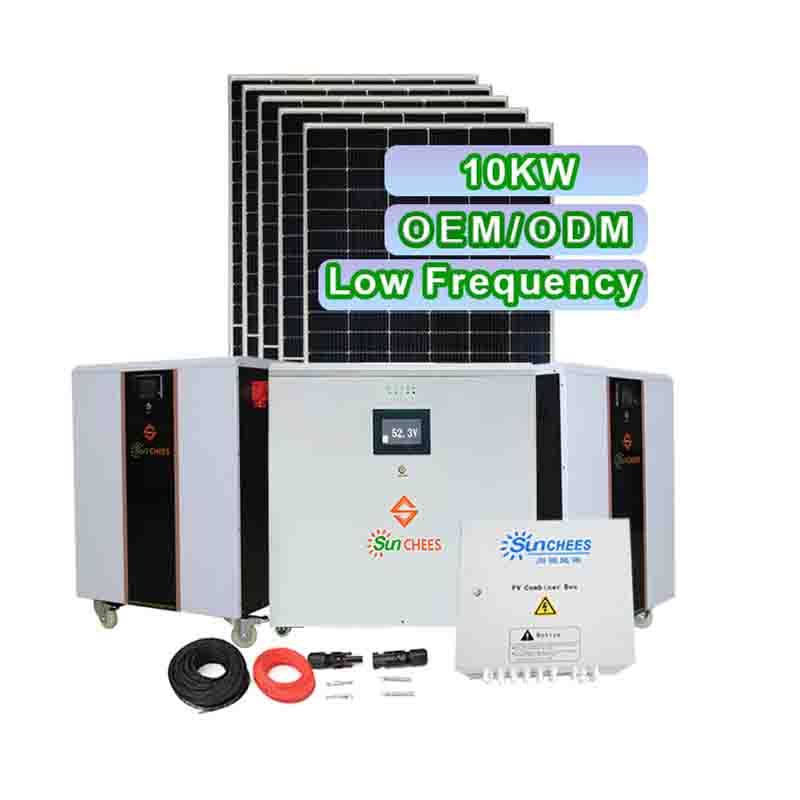
A typical configuration may include:
|
|
|
|
|
|
|
|
|
|
|
|
|
|
|
|
|
|
|
|
|
|
|
|
|
|
|
|
|
|
|
|
|
|
|
|
|
|
|
|
|
|
|
|
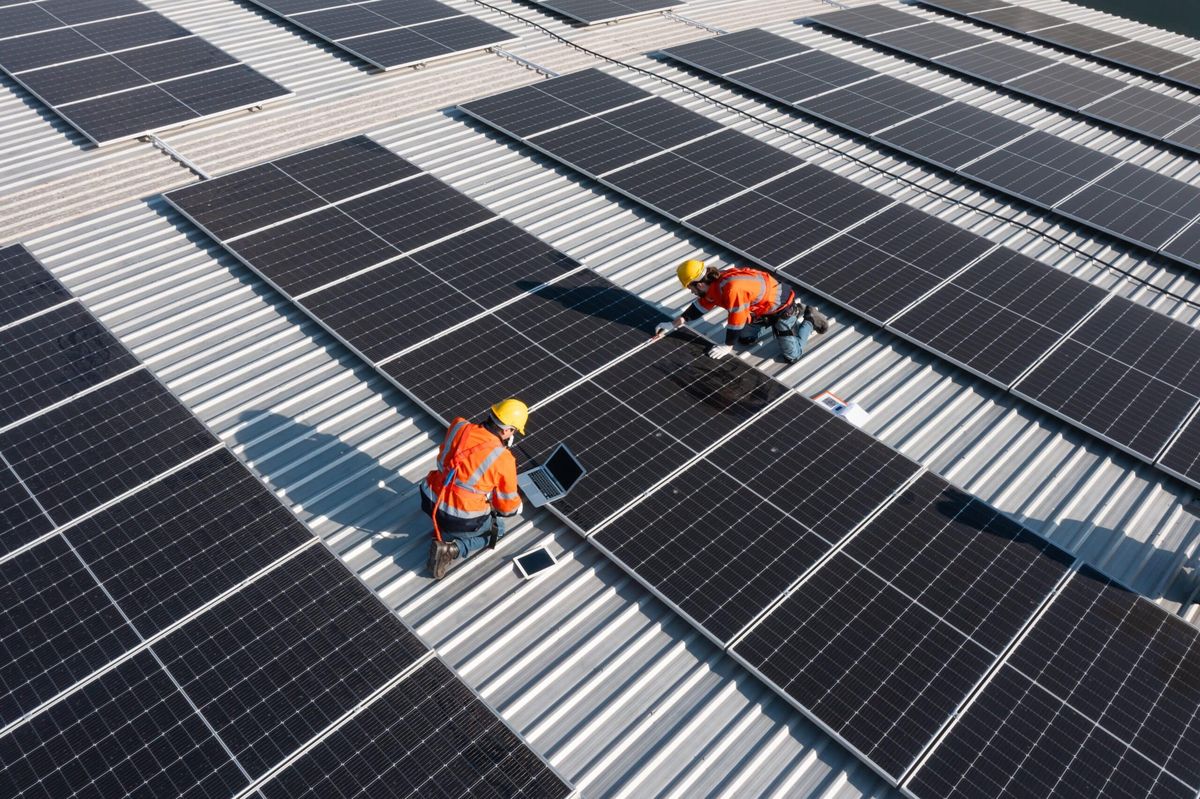
Depending on the available module model, approximately 17 to 19 high-wattage panels may be used. For example:
- 17 × 600W = 10.2kW
- 18 × 560W = 10.08kW
- 19 × 550W = 10.45kW
The final number must match the inverter’s MPPT voltage range, maximum input current, roof dimensions, and string-design requirements.
Free Upgrade to Double-Glass Bifacial Solar Panels
For qualifying configurations, Sunchees can offer a free upgrade from conventional modules to double-glass bifacial solar panels.
Potential advantages include:
- Power generation from both the front and rear surfaces
- Better resistance to moisture and salt exposure
- Improved mechanical durability
- Reduced risk of backsheet degradation
- Longer-term performance in hot and humid environments
The actual rear-side energy gain depends on the installation height, ground reflectivity, roof colour, row spacing, shading, and mounting structure. Bifacial modules installed directly above a dark roof with very little rear clearance may produce only a limited additional gain.
Where Sunchees states that a selected upgraded module provides more than a 1.5% efficiency improvement, the buyer should request both module datasheets and compare the stated module efficiency, wattage, temperature coefficient, and dimensions.
Double-glass construction may help improve durability, but it does not completely eliminate hot spots. Correct string design, connector installation, ventilation, cleaning, and shading control remain necessary.
Why Buy a 10kW Solar System in Trinidad and Tobago from China?
China has a mature solar manufacturing supply chain. Buying directly from a solar system supplier in China can provide several practical advantages.
Direct Manufacturer Pricing
Direct purchasing may reduce distributor and reseller markups. This can allow buyers to allocate more of the budget to:
- Higher battery capacity
- A larger inverter
- Better protection devices
- Double-glass panels
- Monitoring equipment
- Spare parts
- Shipping insurance
The final comparison should be based on landed cost rather than the factory price alone.
Landed cost includes:
Equipment price + export packaging + inland transport in China + sea freight + insurance + destination handling + customs clearance + applicable taxes + inland delivery + installation
Customised System Design
A properly designed package can be adjusted for:
- Air-conditioning loads
- Water pumps
- Refrigerators and freezers
- Home-office equipment
- Commercial equipment
- Long nighttime operation
- Frequent utility outages
- Future battery expansion
- Grid-tied, hybrid, or off-grid use
Sunchees also supports OEM orders, specified solar-panel brands, customised solar systems, and solar air-conditioning solutions.
Integrated Component Compatibility
Sunchees states that it develops its own inverter and lithium-battery products. Designing the inverter, battery, controller, protection system, and monitoring equipment as one package can reduce communication conflicts between components.
This is particularly important for lithium batteries because the battery-management system must communicate correctly with the inverter.
Production Capacity and Lead Time
Sunchees states that it was founded in 2008 and operates from a 1,000m² manufacturing facility in Foshan, Guangdong, China. Its current company materials report deliveries to more than 200 countries and regions.
Indicative production lead times are:
|
|
|
|
|
|
|
|
|
The final contract should state the agreed completion date. Sunchees offers a contractual late-delivery term under which qualifying delays may result in compensation equal to 5% of the contract value. The exact conditions and exclusions should be written into the signed sales contract.
How Should a 10kW Solar System in Trinidad and Tobago Be Configured for Local Electricity?
Trinidad and Tobago commonly uses a 115/230V, single-phase, three-wire, 60Hz residential supply. Commercial services may have different configurations. The inverter must therefore be selected and programmed according to the property’s actual electrical service.
Many international inverter manufacturers describe compatible equipment as 120/240V split-phase. This is generally close to the local nominal system, but the supplier should not assume compatibility without checking the site.
Before production, confirm:
- Utility service voltage
- Single-phase or three-phase supply
- Main breaker rating
- Neutral and grounding arrangement
- Whether the system will connect to the utility
- Whether export to the utility is permitted
- Required anti-islanding protection
- Generator compatibility, if applicable
A licensed local electrician should inspect the property before final connection.
Grid Connection Requires Local Confirmation
Importing solar equipment does not automatically authorize connection to the utility network. Grid-connected projects should be reviewed with the local installer, electrical inspector, and relevant utility or regulatory authority before commissioning.
Where grid export is not approved or desired, the inverter can be configured for zero export or backup operation, provided the selected model supports that function.
Where Should a 10kW Solar System in Trinidad and Tobago Be Installed?
Equipment location is especially important in coastal, humid, and flood-prone environments.
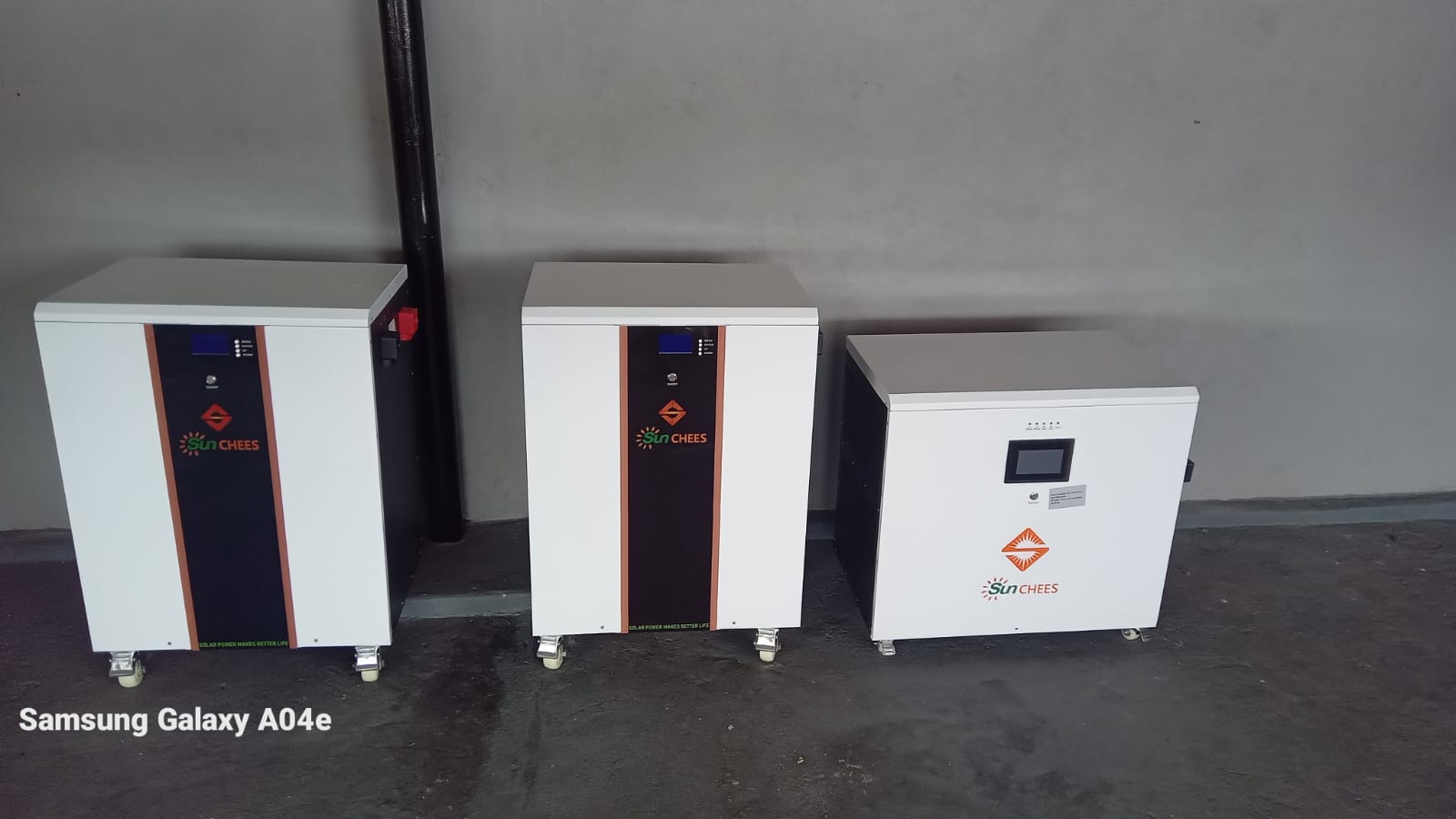
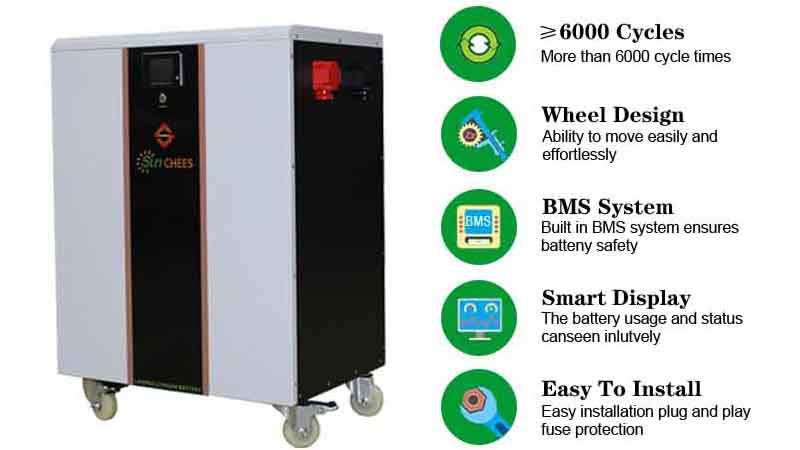
Mobile Equipment Configuration
Sunchees can provide a movable equipment arrangement for components other than the solar panels. Batteries, the inverter, and certain control equipment can be installed in a wheeled cabinet.
A mobile cabinet may be useful when:
- The room layout may change
- Equipment must occasionally be moved for maintenance
- Permanent wall installation is not practical
- The customer wants an integrated battery and inverter enclosure
However, the cabinet should remain stationary during normal operation. The wheels should be lockable, cables must not be under tension, and the unit should not be moved while energised.
A movable cabinet still requires:
- A dry and ventilated location
- Adequate working clearance
- Protection from children and unauthorised access
- A level, load-bearing floor
- Secure cable management
- Protection from direct rain and sunlight
- Correct grounding
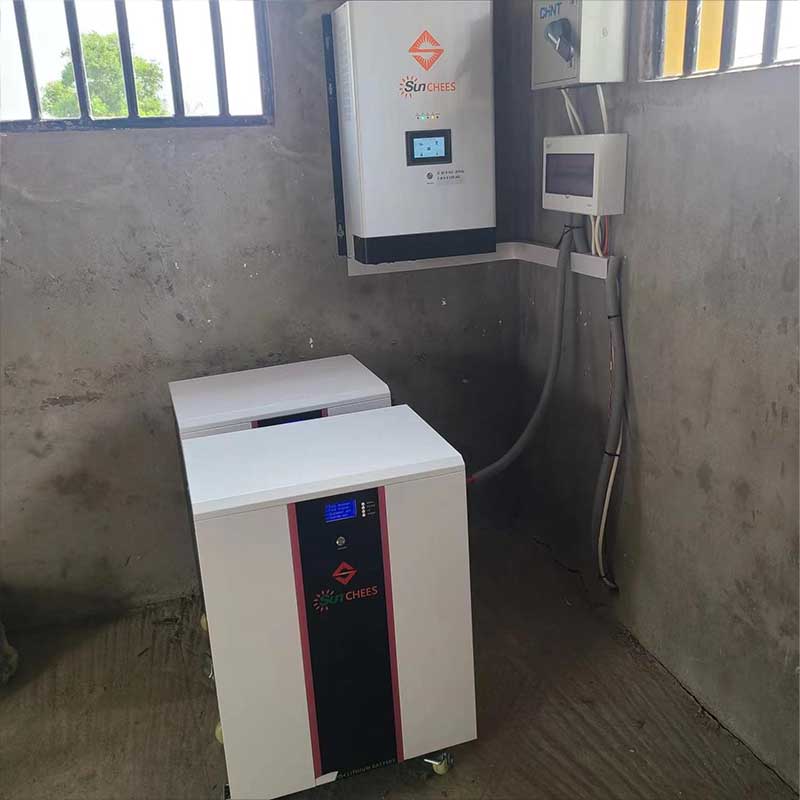
Wall-Mounted Equipment Configuration
A wall-mounted inverter is common, but mounting a large battery bank or heavy integrated cabinet directly on a wall may be unsafe unless the wall and mounting structure are specifically engineered for the load.
In flood-prone areas, simply fixing heavy equipment high on an ordinary wall is not the preferred solution.
A safer approach may be:
- Determine the expected flood level.
- Construct a reinforced concrete plinth or engineered steel platform above that level.
- Anchor the cabinet to the platform.
- Maintain ventilation and service access.
- Protect all cable entry points.
- Keep emergency disconnects accessible.
The final method should be approved by the local installer or structural professional.
Coastal and Wind Conditions
For properties near the coast, request:
- Corrosion-resistant aluminium or coated steel mounting structures
- Stainless-steel fasteners suitable for the environment
- UV-resistant solar cable
- Weatherproof connectors
- Appropriate enclosure protection ratings
- Surge and lightning protection
- Structural calculations for the roof and mounting system
Solar panels should not be installed based only on the standard rack drawing. Roof condition, wind exposure, attachment points, panel edge zones, and local construction requirements must be reviewed.
How Does Shipping a 10kW Solar System in Trinidad and Tobago Work?
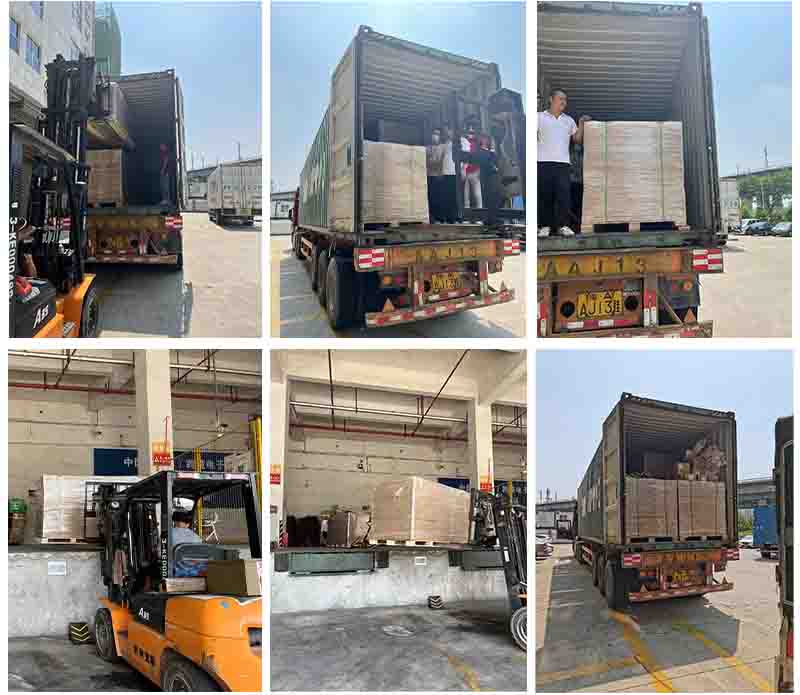
Solar system shipping to Trinidad and Tobago normally involves factory packaging, export documentation, sea freight, destination-port handling, customs clearance, inland transport, and final delivery.
Both the Port of Port of Spain and the Port of Point Lisas handle international cargo. Port of Spain is a customs-controlled international port, while Point Lisas is a multipurpose facility handling containers, general cargo, and project cargo.
Typical Shipping Process
|
|
|
|
|
|
|
|
|
|
|
|
|
|
|
|
|
|
|
|
|
|
|
|
|
|
|
|
|
|
|
|
|
|
|
|
|
|
|
|
|
|
|
|
|
|
|
|
Documents Normally Provided
The supplier should prepare:
- Commercial invoice
- Packing list
- Bill of lading or telex-release bill of lading
- Sales contract
- Product specifications
- Certificate of origin when required
- Battery documents when applicable
- Warranty documents
- Installation manuals
- Electrical drawings
With a telex release, the buyer normally does not need to wait for an original paper bill of lading to arrive by courier. The freight forwarder and destination agent should still confirm the release procedure before the vessel arrives.
Lithium-Battery Shipping Documents
Lithium batteries are regulated dangerous goods for transport. Depending on battery design, packaging, shipping route, and carrier requirements, documents may include:
- UN38.3 test summary
- Safety Data Sheet or MSDS
- Battery specification
- Dangerous-goods declaration
- Packaging certificate
- Shipping marks and labels
- Additional carrier-requested documents
The UN Manual of Tests and Criteria includes the testing framework for lithium cells and batteries, while maritime dangerous goods are governed by the IMDG Code. The 2024 IMDG Code edition, including Amendment 42-24, became mandatory on January 1, 2026.
Sunchees can prepare the applicable battery documents with its freight partner, but final acceptance remains subject to the selected shipping line.
What Does a 10kW Solar System in Trinidad and Tobago Cost to Ship?
The following figures are based on a previous 10kW project quotation and are intended to show the cost structure—not to guarantee a current freight rate.
|
|
|
|
|
|
|
|
|
|
|
|
|
|
|
|
|
|
|
|
|
|
|
|
Freight rates can change because of:
- Shipment dimensions and weight
- Lithium-battery classification
- LCL or full-container shipping
- China departure port
- Destination port
- Vessel availability
- Transshipment route
- Fuel surcharges
- Peak-season demand
- Port storage or inspection
- Delivery address in Trinidad or Tobago
The USD 400–700 figure should be described as an estimate for clearance services and port-related expenses unless a customs broker confirms that it includes all applicable duties and taxes.
Port Storage Risk
Documents should be checked before the vessel arrives. Delays caused by an incorrect consignee name, invoice value, product description, bill of lading, or tax classification can lead to storage and demurrage charges.
The buyer should appoint a customs broker early rather than waiting until the cargo is already at the port.
Are There Import Taxes on a 10kW Solar System in Trinidad and Tobago?
Government information indicates that solar PV panels benefit from 0-rated VAT treatment. Other published incentives have also referred to complete solar PV systems and supporting equipment, but actual treatment may depend on tariff classification and how Customs separates the shipment into individual components.
Do not assume that every item inside a solar shipment will automatically receive the same tax treatment.
Items requiring separate confirmation may include:
- Lithium batteries
- Gel or lead-acid batteries
- Inverters
- Controllers
- Combiner boxes
- Mounting structures
- Electrical cables
- Monitoring equipment
- Spare parts
- Tools and accessories
Before shipment, send the following information to a licensed Trinidad and Tobago customs broker:
- Commercial product description
- HS Code proposed by the supplier
- Quantity
- Unit value
- Total invoice value
- Country of origin
- Product datasheet
- Battery chemistry
- Shipping and insurance cost
- Packing list
The Customs and Excise Division provides import guidance and a duty calculator, but the final classification should be confirmed for the actual shipment.
What Is the Complete Buying Process for a 10kW Solar System in Trinidad and Tobago?
Step 1: Submit the Property and Load Information
The buyer provides:
- Property location
- Electricity bills
- Appliance list
- Air-conditioner and pump details
- Required backup hours
- Roof photographs and dimensions
- Preferred battery type
- Delivery location
Sunchees then prepares an initial system design and quotation.
Step 2: Review the Technical Proposal
The buyer should receive and review:
- Solar-panel model and quantity
- Inverter model and rated output
- Battery model and usable capacity
- Estimated solar production
- Estimated backup duration
- Single-line diagram
- Protection-device list
- Mounting proposal
- Packaging list
- Warranty terms
- Freight estimate
A quotation that only says “10kW complete system” without identifying the component models is not sufficient.
Step 3: Confirm the Contract and Deposit
Sunchees generally uses:
- 30% T/T deposit
- 70% balance before shipment
The contract should state:
- Exact product models
- Quantities
- Technical specifications
- Production deadline
- Inspection method
- Packaging method
- Shipping terms
- Warranty coverage
- Late-delivery terms
- Spare-parts arrangement
Step 4: Production, Testing, and Reporting
During production, a designated representative provides progress updates.
Before shipment, request:
- Product photographs
- Serial numbers
- Inverter startup test
- Battery communication test
- Monitoring test
- Protection-box inspection
- Packaging photographs
- Final packing list
Sunchees states that the system is assembled, connected, and tested before delivery to reduce compatibility and commissioning problems.
Step 5: Balance Payment and Shipment
After the buyer approves the inspection evidence, the remaining balance is paid and shipment is arranged.
After vessel departure, the buyer should receive:
- Vessel information
- Estimated arrival date
- Container or cargo-tracking details
- Bill of lading information
- Commercial invoice
- Packing list
- Destination-agent details
Step 6: Customs Clearance and Collection
Before arrival, the destination agent or customs broker checks the documents and prepares the import entry.
After Customs and port requirements are completed, the buyer arranges inland delivery from Port of Spain or Point Lisas.
Step 7: Installation and Commissioning
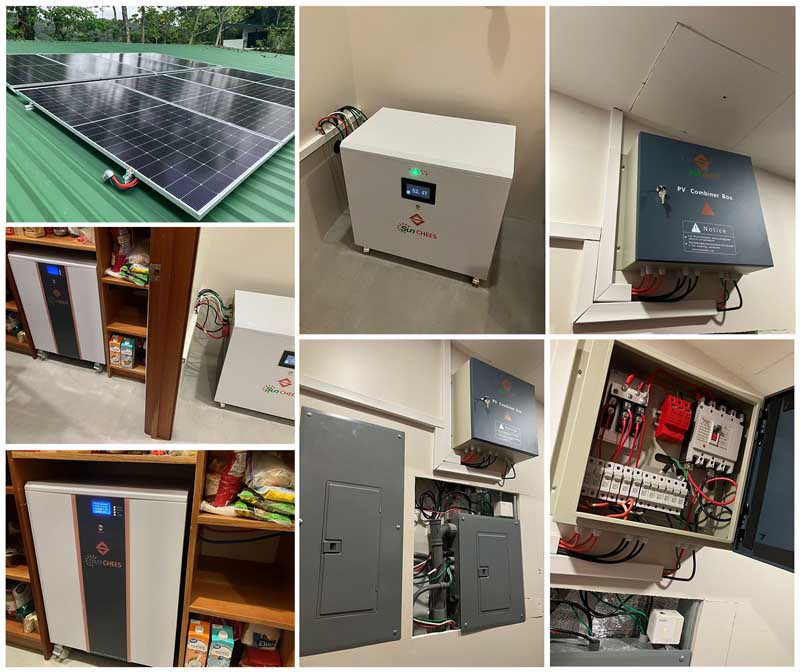
For suitable projects, Sunchees can coordinate with a cooperating local installer. A standard 10kW installation may take approximately five days, including commissioning, when:
- The roof is ready
- Equipment locations are prepared
- Electrical wiring is suitable
- Materials have arrived undamaged
- Weather conditions permit work
- No major structural or utility modifications are required
The buyer must provide the exact installation location before the installer schedule and cost can be confirmed.
How Is a 10kW Solar System in Trinidad and Tobago Packaged?
Different products require different packaging.
|
|
|
|
|
|
|
|
|
|
|
|
|
|
|
|
|
|
|
|
|
|
|
|
|
|
|
The buyer should request a final package list showing:
- Package number
- Description
- Quantity
- Net weight
- Gross weight
- Dimensions
- Total volume
This information is needed to calculate freight, port handling, vehicle requirements, and unloading arrangements.
What Warranty and Support Are Available for a 10kW Solar System in Trinidad and Tobago?
Warranty terms should be confirmed in the sales contract and matched to the actual component type.
|
|
|
|
|
|
|
|
|
|
|
|
|
|
|
|
|
|
|
|
|
|
|
|
For a valid warranty claim, the supplier may request:
- Product serial number
- Installation photographs
- Wiring photographs
- Error-code photographs or videos
- Monitoring records
- Battery voltage data
- Test results
- Description of when the fault occurred
Sending a PCB or replacement component is not always sufficient for every fault. Sunchees technical staff should first diagnose whether the problem relates to hardware, settings, wiring, communication, battery condition, or installation.
Expected Service Life
A solar project can remain in operation for 25 years or longer with correct maintenance, but this does not mean every component will last 25 years.
|
|
|
|
|
|
|
|
|
|
|
|
|
|
|
|
|
|
|
|
|
|
|
|
Why Consider Sunchees for a 10kW Solar System in Trinidad and Tobago?
Sunchees positions itself as a complete-system manufacturer rather than only a solar-panel seller.
|
|
|
|
|
|
|
|
|
|
|
|
|
|
|
|
|
|
|
|
|
|
|
|
|
|
|
|
|
|
|
|
|
|
|
|
|
|
|
|
|
|
Sunchees states that it maintains active public social-media channels. Buyers can use these channels, company videos, project records, product documentation, and live video inspections to evaluate whether the supplier is active and transparent.
For individual systems above 50kW, Sunchees may provide an engineer for on-site installation under qualifying contract terms. A 10kW project normally uses remote technical guidance or a cooperating local installer instead.
What Should You Check Before Ordering a 10kW Solar System in Trinidad and Tobago?
Use this checklist before paying the deposit.
Technical Checklist
- Daily electricity consumption confirmed
- Peak load and motor-starting load calculated
- Battery usable capacity stated in kWh
- Expected backup duration stated
- Inverter supports local voltage and 60Hz
- Grid, hybrid, or off-grid mode confirmed
- Panel model and quantity confirmed
- MPPT and string design checked
- Roof area and shading reviewed
- Wind and corrosion requirements reviewed
- Flood-safe equipment location selected
- Protection devices listed
- Monitoring method confirmed
Commercial Checklist
- Product models written in the contract
- Warranty terms attached
- Production date stated
- Payment terms stated
- Inspection evidence required before balance payment
- Shipping term confirmed
- Freight validity period stated
- Destination charges clarified
- Marine insurance considered
- Spare parts included or quoted
Import Checklist
- Customs broker contacted
- Proposed HS Codes checked
- Invoice and packing-list details checked
- Battery transport documents checked
- Consignee information checked
- Port confirmed
- Inland delivery quoted
- Unloading method arranged
- Storage and demurrage risks understood
FAQs About a 10kW Solar System in Trinidad and Tobago
How much electricity can a 10kW solar system in Trinidad and Tobago generate?
A preliminary estimate is approximately 43kWh per day or 15,700kWh per year under suitable conditions. Actual production depends on location, shading, panel direction, temperature, weather, and system losses.
Can a 10kW solar system in Trinidad and Tobago eliminate my electricity bill?
It may significantly reduce electricity purchases, but complete elimination is not guaranteed. Savings depend on consumption patterns, system production, battery capacity, self-consumption, utility connection rules, and fixed electricity charges.
A previous customer achieving approximately 90% bill reduction should be treated as a project example rather than a universal result.
Is a 10kW off grid solar system enough for a large home?
It may be enough when the daily load and peak appliance demand fit the system design. A home using multiple air conditioners, electric water heating, pumps, dryers, or large cooking appliances may require a larger inverter, more solar panels, load management, or additional battery storage.
Can I buy a solar system from China without import experience?
Yes, but you should appoint a local customs broker before shipment. The supplier can prepare export documents and coordinate freight, while the broker confirms local classification, taxes, port procedures, and cargo release.
How long does solar system shipping to Trinidad and Tobago take?
A previous route estimate was approximately 45–55 days by sea, including transshipment. The total project schedule must also include production, booking, customs clearance, port release, inland delivery, and installation.
Are solar panels in Trinidad and Tobago exempt from VAT?
Government information states that solar PV panels receive 0-rated VAT treatment. The treatment of batteries, inverters, racks, cables, and other equipment should be confirmed separately with Customs or a licensed broker.
Can the inverter and battery be installed on wheels?
Sunchees can provide a movable equipment cabinet for non-panel equipment. It should have lockable wheels and remain stationary while operating. Cable movement, ventilation, grounding, and equipment access must be properly managed.
Can the battery cabinet be mounted high on a wall to avoid flooding?
A heavy battery cabinet should not be mounted on an ordinary wall without structural engineering. In flood-prone areas, an elevated reinforced platform or concrete plinth is generally a safer option.
How long does solar system installation in Trinidad and Tobago take?
A cooperating local installer may complete a suitable 10kW system in approximately five days, including commissioning, provided the roof, electrical system, equipment location, materials, and site access are ready.
What happens if the inverter fails after delivery?
During the applicable warranty period, Sunchees can provide remote diagnosis and may send a replacement PCB or other component when the fault is confirmed as a covered hardware issue. Installation evidence and diagnostic information will normally be required.
Request a 10kW Solar System in Trinidad and Tobago Proposal
To prepare an accurate system design and landed-cost estimate, provide:
- Your exact location
- Recent electricity bills
- A list of major appliances
- Required backup time
- Roof photographs and dimensions
- Preferred system type
- Preferred battery type
- Delivery address or preferred port
Sunchees can then prepare a customised equipment list, expected solar production, battery-backup estimate, production schedule, packaging plan, shipping quotation, and installation-support proposal.
WhatsApp / Tel: +86 13690853732
Email: candy@sunchees.com
 How to Buy a 15kW Solar System from China: Complete Process and Guam Shipping Example
 You May Also Like



 Tel
Tel
 Email
Email
 Address
6th Floor, Zhonghe Zinan Industrial Park, No. 1 Zinan Changang West Road, Nanzhuang Town, Chancheng District, Foshan City, Guangdong Province. China (Mainland)