


 Whatsapp :
 Home
HomeStandalone Solar Systems for Caribbean Homes, Hotels and Facilities
 Sep 22,2026
 0
0
 sunchees solar system
Generate electricity during the day, use stored energy after sunset, and keep a backup source available for stretches of cloudy weather. For Caribbean homeowners and businesses looking to rely less on the utility grid, that is a practical way to plan solar power around everyday needs.
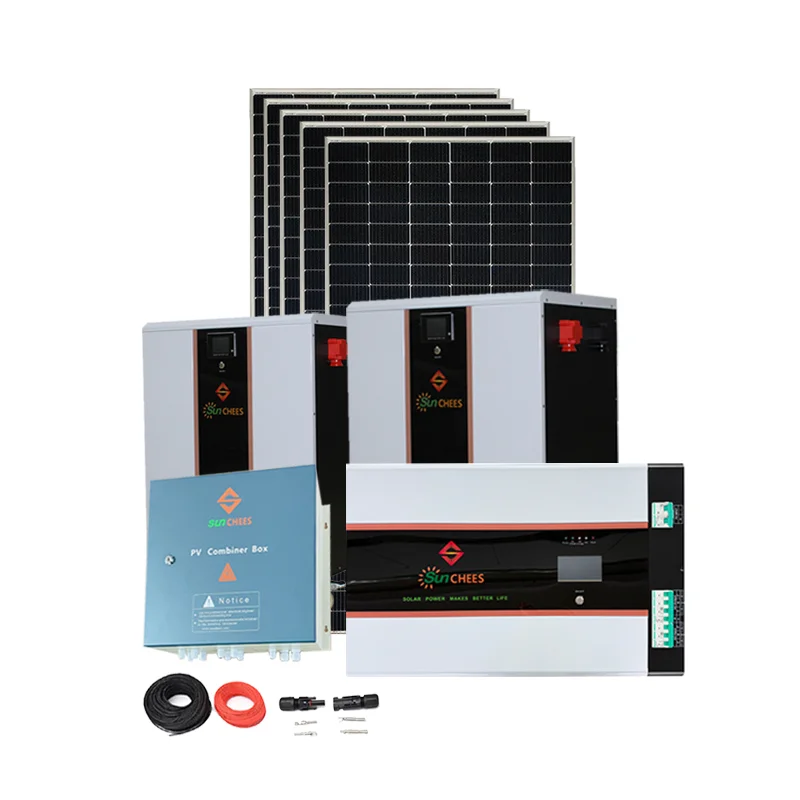
A standalone solar system, also called an off-grid solar system, can operate independently of the public grid. Solar panels generate electricity, batteries store energy for later use, and an inverter supplies AC power to connected appliances.
At Sunchees, we supply systems combining solar panels, inverters and battery storage, with configurations that can also use utility or generator power for supplementary supply and charging. This gives you more ways to cover daily demand when sunshine is limited. The right combination depends on what you want to run, when you use it and how you want backup power to work.
Where does the power come from during cloudy weather?
On a sunny day, solar panels can supply the building and charge the battery with surplus energy. After sunset, the battery takes over. Cloudy or rainy weather reduces solar output, leaving the battery to cover more of the demand. If the system uses more energy than it replaces over several days, the stored reserve gradually falls. The US Department of Energy explains how storage supports solar power through changing sunlight and after dark.
Your backup options depend on the electricity sources available at the property:
|
|
|
|
|
|
|
|
|
|
|
|
Some Sunchees off-grid products include AC charging and utility bypass functions. Our 20kW system guide also describes configurations with grid or generator charging. Charging power, transfer settings and generator connections need to be confirmed for the inverter selected.
Utility backup helps when sunshine is limited but the grid is still working. If a storm also cuts utility power, the property must draw on its remaining battery energy, any solar generation still available, and a compatible generator that has been connected and has fuel. Planning for both situations makes the backup arrangement more useful.

Why backup power deserves its own plan in the Caribbean
In its 2025 announcement of a regional energy project, the World Bank identified dependence on imported fuel and the exposure of small, isolated grids to hurricanes and floods as important energy challenges. The project covers Grenada, Guyana and Saint Lucia. Electricity prices and supply conditions still vary between countries, islands and individual properties. Read the World Bank project announcement.
For a property using a diesel generator, on-site solar can reduce the electricity the generator needs to produce and the associated fuel consumption. For a grid-connected home, using solar directly can reduce purchased electricity, while a battery keeps some daytime generation available for the evening or an outage.
It helps to consider both the everyday savings and what you want to keep working during a power cut. At home, that might be the refrigerator and bedroom lights. A guesthouse may prioritise guest rooms, water supply and reception. A community building may need communications and lighting after dark.
Homes and holiday properties: start with the evening
If your priority is keeping the refrigerator, lights, router and fans running during an outage, those appliances can be placed on backup circuits. Bedrooms needing overnight air conditioning require a separate allowance based on actual consumption. Where their operating requirements allow it, running pool pumps and washing machines during the day can reduce the energy drawn from batteries at night.
This is why two homes of a similar size can need very different amounts of storage. One may back up essential appliances, while the other cools several bedrooms every night. Even with the same inverter rating, the battery requirements can differ substantially.
Consider a simple planning example. Start with a fully charged battery rated at 20kWh. Keep a 20% reserve and assume 90% inverter conversion efficiency. That leaves about 14.4kWh for AC appliances.
At a combined average demand of 1kW, that energy would last about 14.4 hours. If air conditioning and other appliances raise average demand to 3kW, the estimate falls to about 4.8 hours. This assumes no solar or other charging during the period. Inverter standby consumption and other losses have not been separately included; temperature, battery condition and changing appliance demand also affect actual runtime.
Longer backup can come from more battery capacity, fewer backed-up loads, or another source supplying energy when needed. Increasing the inverter from 10kW to 15kW does not add energy to the battery.
Our 10kW residential off-grid system and 15kW split-phase system are starting points for exploring equipment options. Storage and backup circuits can then be discussed around the appliances you want to use and for how long.
Hotels and resorts: allow for guests' overnight demand
A hotel's electricity demand does not end at sunset. Guests returning to their rooms may use air conditioning, hot water, lighting and Wi-Fi, while kitchen refrigeration and water systems follow their own schedules. Daytime generation and overnight storage therefore need separate calculations.
For illustration, suppose 12 occupied guest rooms each use an air conditioner averaging 1kW over an eight-hour night. Air conditioning alone would consume 96kWh. Refrigeration, lighting and pumps would add to that total, and storage conversion losses would also need to be allowed for. This is a planning assumption, not a system recommendation based on room count: equipment consumption and operating hours determine the final requirement.
A hotel can first identify the services it needs to maintain, such as reception, Wi-Fi, refrigeration and basic water supply, then decide how much guest-room cooling to retain during an outage. Whether kitchen and laundry equipment must run at any time or can be scheduled separately also affects system size.
An existing generator can be included in the solar and storage plan to provide energy during extended periods of low sunlight. Whether that allows a smaller battery than originally planned depends on generator availability, fuel supply, acceptable operating hours and the level of service the property intends to maintain.
Explore our solar options for hotels and share your peak-season occupancy and overnight cooling plans. Those details are more useful for sizing storage than the number of rooms alone.
Schools, clinics and community facilities: keep essential services working
Schools often use computers, fans and teaching equipment mainly during daylight hours, creating an opportunity to use some solar generation directly. If a campus also provides night-time lighting or serves as an emergency shelter, its battery plan needs to include evening lighting, communications, charging and water supply.
A clinic needs to consider the supply requirements of lighting, communications, medicine refrigeration and clinical equipment individually. The World Health Organization identifies reliable electricity as essential to healthcare services and describes solar with battery storage as an option that can be deployed on site. WHO: electricity in health-care facilities.
For these applications, continuity of supply, acceptable transfer times and backup requirements must be matched to the equipment. Medical devices and vaccine refrigeration need designs that meet their own supply requirements. A general solar-and-battery package should not be treated as a medical-grade uninterruptible power supply.
Community water systems offer another opportunity to plan around timing. Where the water source, storage capacity and hygiene requirements allow, pumping into a tank during the day and drawing water as needed can shift some pumping demand out of the night. Daily water volume, pumping head—the height and pressure the pump must overcome—and the hours of supply covered by the tank help determine the equipment needed before committing to a large battery.
Which Sunchees system should you explore?
Use these ranges to start a discussion about equipment, then size the system around actual demand. The kW figures indicate broad power ranges. Battery storage must be specified separately in kWh and matched to the hours of supply required. These are not fixed room-count or appliance-capacity guarantees.
|
|
|
|
|
|
|
|
|
|
|
|
|
|
|
|
Browse the Sunchees off-grid solar system range. A quotation should state the inverter's continuous output, total solar-panel capacity and battery capacity separately. A “20kW” package name alone cannot tell you its daily generation or backup duration.
Voltage, frequency and the supply arrangement also need to match the property. We offer split-phase systems and other options, but residential circuits and commercial three-phase equipment can have different requirements. Appliance nameplates and electrical distribution details help establish the appropriate output specification.
Choosing Sunchees: plan everyday power and backup together
When comparing standalone solar systems, consider how the complete arrangement will serve your home or business. Can the panels replace the energy used each day? Does the battery cover the evening you want? What supplies additional energy when sunlight is insufficient?
Sunchees supplies coordinated equipment and offers system sizing based on electricity use, appliances and peak demand. Configurations supporting utility or generator input can retain an existing energy source as a supplement. Discussing equipment, storage and backup together helps make the quotation reflect your actual needs.
In our three-storey Kingston home project, a 15kW split-phase inverter was paired with two 40kWh batteries. That configuration illustrates why inverter power and stored energy are selected separately. Another home with different night-time consumption and backup goals may need a different battery arrangement even with the same inverter rating.
Compare the full project cost as well: delivery to your destination, electrical installation, any building work, commissioning and ongoing maintenance. Packages with similar inverter ratings can differ considerably in battery quantity, mounting equipment and service scope.
Plan the installation for the wet season
The power system and its installation environment need to be considered together. A qualified local professional should assess the roof, mounting structure and fixings against the building's condition and applicable wind-load requirements. The location of the inverter, batteries and distribution equipment should also account for flooding, moisture, cooling and maintenance access.
The US Department of Energy's solar flood-mitigation guidance recommends considering expected flood levels when setting electrical equipment height and avoiding obviously flood-prone locations. For coastal or low-lying properties, choosing the location carefully at the design stage can reduce the risk of water damage later.
Decide in advance which circuits remain powered during an outage and when backup energy should be used. Check battery and generator readiness periodically. Automatically transferring to an available AC source and automatically starting a generator are separate functions; confirm the required controls during selection and commissioning if unattended operation matters to you.
Start with how you use electricity
Tell us your country or island, share recent electricity records and identify the equipment you most want to keep running during an outage. For a home, include how many bedrooms use air conditioning at night and for how long. For a hotel, add peak-season occupancy. For a public facility, identify the services that need priority. If you already have a generator, include its power rating, voltage and starting method.
We can then discuss how to combine solar panels, inverter capacity, battery storage and backup power. Your proposed system should answer three practical questions: what can run at the same time, how long stored energy will last, and how power will be replenished when sunshine is limited.
Contact Sunchees to discuss your Caribbean solar project.
 Sol-Ark 15K vs Sunchees 15kW: Which Fits Your Home or Farm?
 You May Also Like



 Tel
Tel
 Email
Email
 Address
6th Floor, Zhonghe Zinan Industrial Park, No. 1 Zinan Changang West Road, Nanzhuang Town, Chancheng District, Foshan City, Guangdong Province. China (Mainland)