


 Whatsapp :
 Home
HomeOff-Grid Solar for a 2,900 kWh/Month Home | Sunchees
 Jun 01,2026
 0
0
 sunchees solar system
Off-Grid Solar System · High-Use Caribbean Homes
Off-grid solar for a 2,900 kWh-a-month home — without a month of batteries.
Three 18,000 BTU air conditioners, a dryer running 12 loads a week, three 85-inch TVs and an unreliable grid. Here's the honest engineering — and the Sunchees off-grid solar + LiFePO4 battery system that actually powers it, day and night.
If this is you → choose this
Your matched Sunchees off-grid solar solutions
Same goal — keep everything running, day and night. The right tier depends on whether you still have a grid to lean on, and how far you want to push toward full energy independence.
 If you want a smart entry point
20 kW Starter
You still have utility power but want to cut the bill and ride out outages — and you'll manage heavy loads thoughtfully.
- 20 kW off-grid system, 110/220V split-phase
- Sunchees 600W mono panels + MPPT controller
- LiFePO4 battery + inverter, complete set
- Battery expandable later as needs grow
 Best match If you want the right fit, now
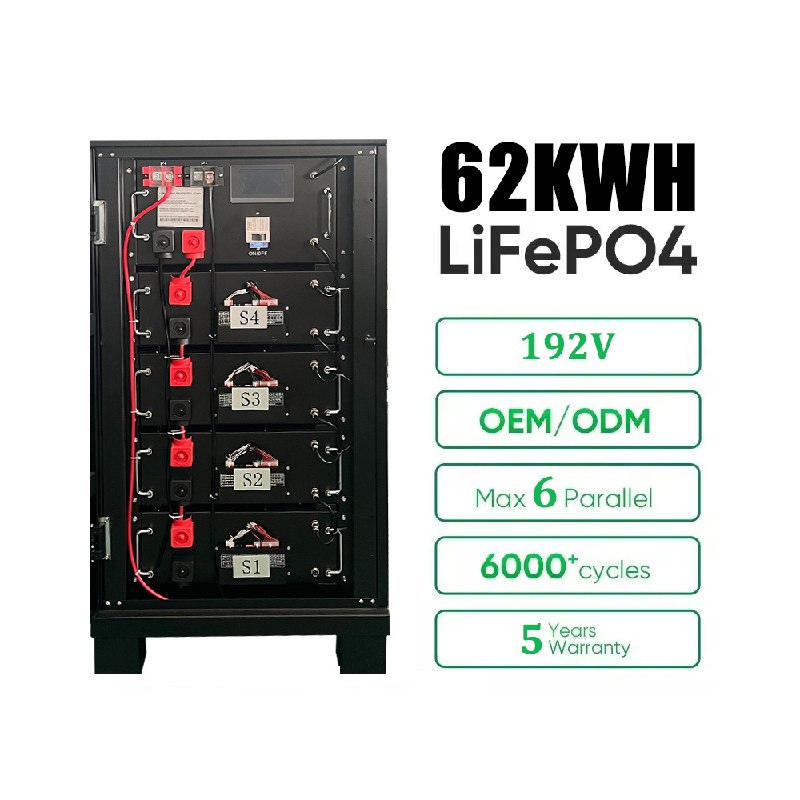
25 kW Whole-Home
You want all three ACs, laundry, TVs and computers running comfortably, with the grid or a generator as occasional backup.
- 40 × 600W mono panels (24 kW array)
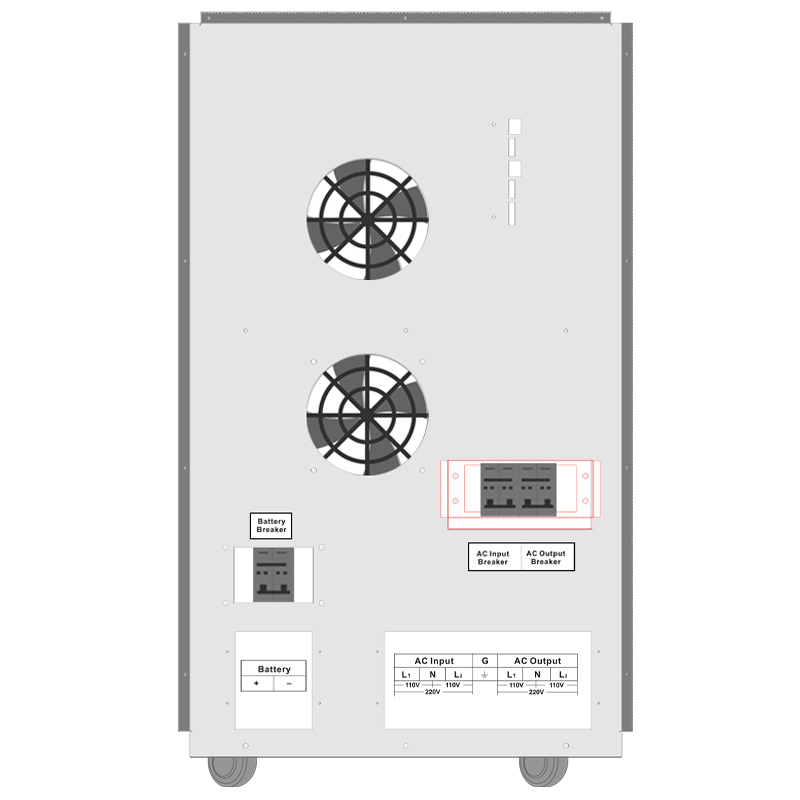
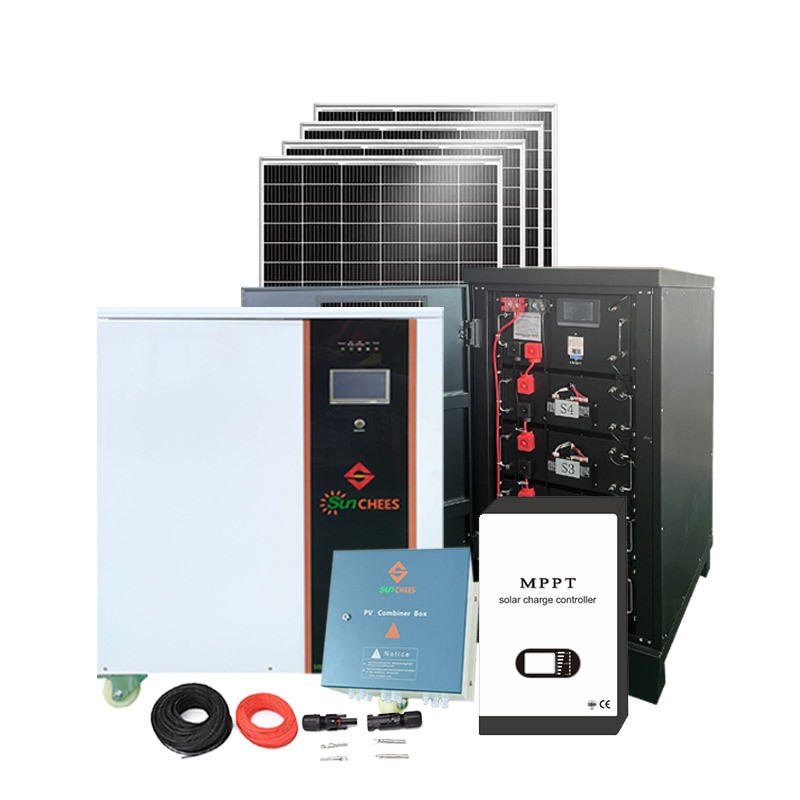
- 61 kWh LiFePO4 battery, BMS included
- 25 kW pure sine-wave inverter, 110/220V, WiFi
- 100A MPPT controller, combiner, cabling
 If you want full independence
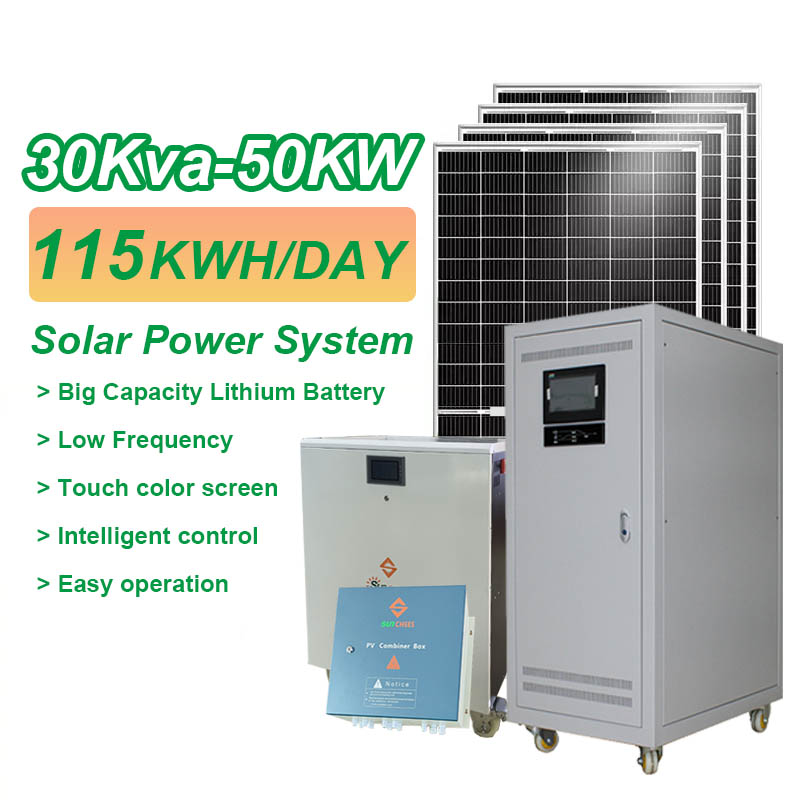
30–50 kW Off-Grid+
No reliable grid, or you simply never want to think about an outage again — round-the-clock autonomy, hurricane-ready.
- 30 kW+ array, scaled to 97 kWh/day with margin
- 100–120 kWh LiFePO4 for 1+ day autonomy
- 30–50 kVA inverter for all loads at once
- "Best off-grid for hurricanes" build, salt-mist rated
Double-glass bifacial modules — now included at no extra cost
Sunchees is currently upgrading systems to double-glass bifacial panels for free: 1.5%+ higher efficiency, power generation from both faces, and strong resistance to hot-spot effects — ideal for high-output tropical roofs.
Size any home — not just this one
Off-grid solar calculator: enter your usage, get a system
Every home is different. Drag your monthly usage (or pick a preset) and we'll size the array, battery and inverter the same way our engineers do — then point you to the closest Sunchees kit.
25 kW Whole-Home (SI-25KW)
Method: array kW = daily kWh ÷ (sun hours × 0.77), plus a ~15% weather buffer; battery ≈ 0.6× daily load with backup, or ≈ 1.1× daily fully off-grid; inverter from the matched kit. This is a quick estimate — Sunchees confirms exact sizing for free, factoring your appliances and peak surge.
Worked examples: typical homes and their off-grid solar systems
The same method applied across common usage levels — from an average home to a villa. Find the row closest to your monthly bill.
| Home · monthly use | Daily | Solar array | 600W panels | Battery¹ | Inverter | Recommended Sunchees kit |
|---|---|---|---|---|---|---|
| Average home 1,000 kWh / month |
33 kWh | 9–10 kW | ~17 | 20 · 37 kWh | 10 kW | 10 kW Off-Grid Kit · $4,300–6,200 |
| Family home · 1 AC 1,500 kWh / month |
50 kWh | 13–15 kW | ~25 | 30 · 55 kWh | 12 kW | 12 kW Complete System · $7,000 |
| Larger home · 2 ACs 1,800 kWh / month |
60 kWh | 16–18 kW | ~30 | 36 · 66 kWh | 15 kW | 15 kW Hybrid System · $8,100–8,288 |
| Big family · multiple ACs 2,200 kWh / month |
73 kWh | 19–22 kW | ~37 | 44 · 81 kWh | 20 kW | 20 kW Off-Grid System · $13,000–15,000 |
| This case · 3 ACs, dryer, 3 TVs 2,900 kWh / month |
97 kWh | 25–29 kW | ~49 | 58 · 106 kWh | 25 kW | 25 kW Whole-Home (SI-25KW) · $17,796–18,000 |
| Small villa 3,600 kWh / month |
120 kWh | 31–36 kW | ~60 | 72 · 132 kWh | 30–50 kW | 30–50 kW Off-Grid+ · $36,341–38,000 |
| Villa / light commercial 5,000 kWh / month |
167 kWh | 43–50 kW | ~83 | 100 · 183 kWh | 30–50 kW | 30–50 kW Off-Grid+ · $36,341–38,000 |
¹ Battery shown as grid-backed · fully off-grid kWh. Figures assume ~5 peak sun-hours/day and standard system losses; Sunchees confirms exact sizing for free, factoring your appliances and the peak start-up surge.
How we size your system — with real Sunchees hardware
What 97 kWh a day actually requires
Only two numbers below come from outside Sunchees — your monthly usage (your bill) and the local sun resource. Every generation and storage figure is drawn from Sunchees' own published product specifications.
 SP600W mono panel — array generation
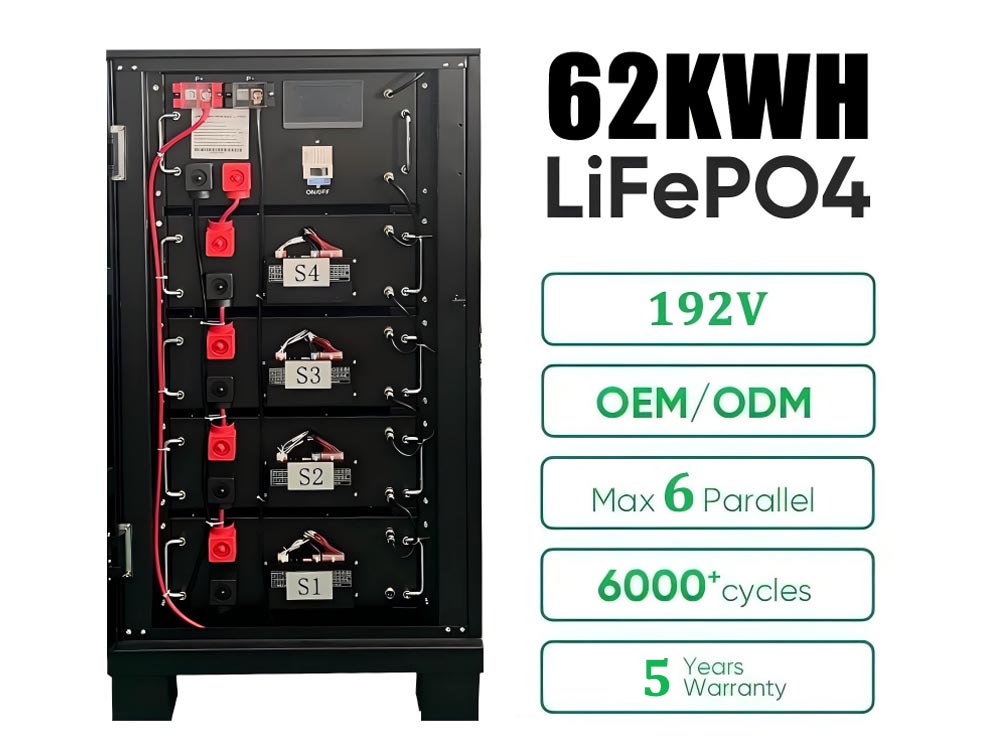 LiFePO4 battery — overnight storage
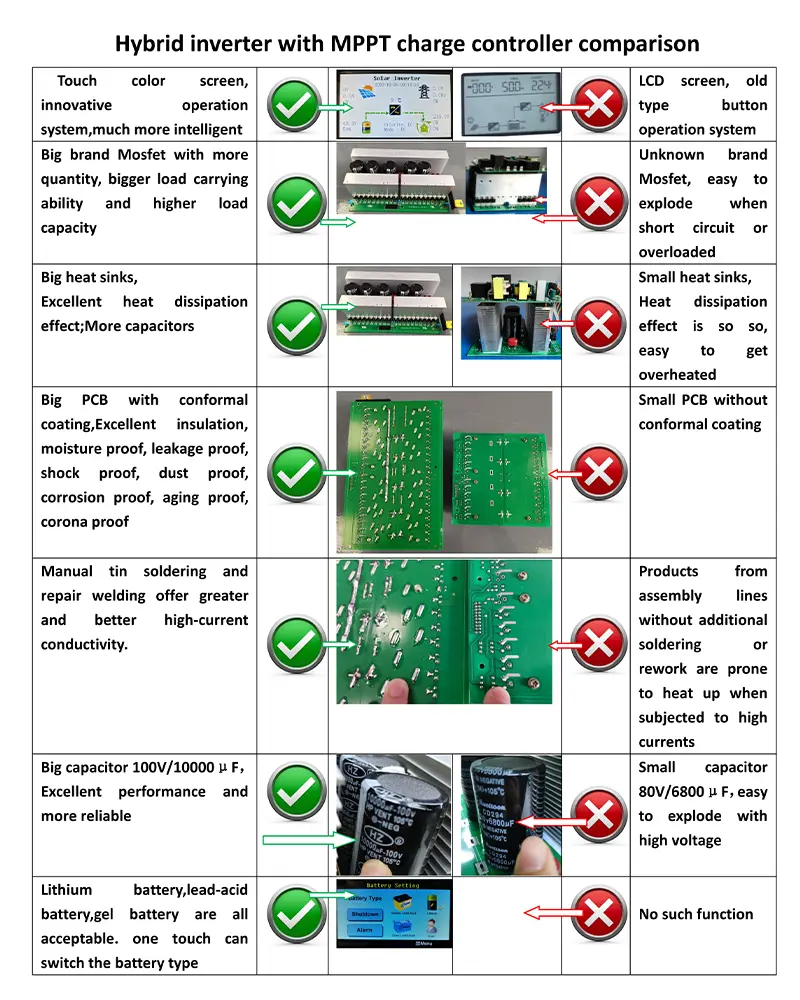 25 kW inverter — split-phase output
Caribbean sun ≈ 5 peak sun hours/day; 0.77 is a standard system-derate factor for solar sizing.[5]
| System component | Sunchees hardware (published spec) | Why it fits your load |
|---|---|---|
| Solar panels | SP600W monocrystalline — 40 pcs = 24 kW in the SI-25KW kit; free double-glass bifacial upgrade available | Refills ~97 kWh/day at ~5 peak sun hours |
| Battery | LiFePO4 61 kWh (204.8V / 300Ah), ≥6,000 cycles, 96% depth of discharge, BMS included | Carries the overnight AC + freezer load, then recharges by day |
| Inverter | 25 kW pure sine-wave, 110/220V split-phase, built-in WiFi monitoring | Handles all loads plus the start-up surge of three AC compressors |
| Charge controller | 100A / 192V MPPT, with PV combiner and solar-grade cabling | Maximises harvest from the array into the battery |
Final sizing shifts with your roof, shading and how much load runs at night. Sunchees provides a free engineered calculation — and can scale the battery to 100–120 kWh for true grid-free autonomy — before any order.
Is this your home?
The high-consumption profile this off-grid solar system is built for
If most of these describe your home, this page is sizing a solar-plus-storage system for exactly your situation — a large, comfort-first household on a hot, blackout-prone island grid.
Location & home
Climate & grid
Energy load
Appliances
What you want
What you're really asking for
You don't store a month of power. Solar refills the battery every single day.
The original request — "enough battery to power my apartment for the whole month" — is the one thing worth correcting first, because the honest version is far cheaper and far more reliable.
At 2,900 kWh a month, your home runs on about 97 kWh a day. For context, the average U.S. household uses roughly 10,500 kWh a year — about 870 kWh a month[1] — so your home draws around three times the national average, driven mostly by air conditioning, the single largest electricity use in American homes.[1]
The fix isn't a giant battery — it's a Sunchees LiFePO4 pack sized to one night, recharged free by the sun each morning.
Generate & run live
Solar panels power the home directly through the day — AC, fridge, computers — while topping up the battery at the same time.
Discharge the battery
After sunset the LiFePO4 battery carries the night load: bedroom AC, freezer, lights and devices until sunrise.
Recharge & repeat
The cycle restarts every morning. You only ever store enough to bridge one night plus a cloudy spell — never 30 days at once.
Storing a literal month of energy would mean roughly 2,900 kWh of batteries — well over a hundred home battery packs and a six-figure cost, most of it sitting idle. That isn't how off-grid solar works. We size storage to about one day of autonomy and let the sun do the refilling.
Where homes like yours are — and why they go solar
High-use apartments on a fragile tropical grid

A home pulling 2,900 kWh a month with three air conditioners running almost year-round is a signature of the hot, humid coast: the Caribbean, Puerto Rico, the U.S. Virgin Islands and the U.S. Gulf. The cooling load never really stops — and the grid underneath it is often the weak link. Puerto Rico's system, battered by Hurricanes Irma and María in 2017, earthquakes in 2020 and Hurricane Fiona in 2022, still suffers frequent outages, including island-wide blackouts in 2025.[3] María alone caused the longest blackout in U.S. history.[2]
That's why island households are adopting solar-plus-storage faster than almost anywhere: rooftop solar now supplies on the order of 10% of Puerto Rico's electricity, with 160,000+ residential systems — roughly one in eight residential customers — driven by unreliable service, high bills and the fear of the next María.[4]
The grid can't be trusted
Frequent outages and a hurricane season every June–November mean a home this size needs its own power, not a utility connection that fails when it's needed most.
Cooling is the cost driver
Three large ACs in tropical heat dominate the bill. Solar generates the most exactly when the sun — and the cooling demand — peaks, making midday AC effectively free.
Island tariffs are high
Electricity on the islands runs well above mainland rates, so self-generation pays back faster on a high-consumption home than on an average one.
Independence, not just savings
For most buyers the real goal is never losing power again — keeping the freezer, the AC and the internet alive through the next storm without a noisy diesel generator.
Why Sunchees for a Caribbean off-grid build
Engineered for hot, humid, blackout-prone islands
Native 110/220V split-phase
Matched to Caribbean and U.S.-standard wiring, so your ACs, water heater and dryer run without adapters or compromise.
In-house inverter + battery
Sunchees designs both together for 100% component compatibility — lower failure rates and easier commissioning than mixed-brand setups.
LiFePO4 that lasts
≥6,000 cycles, 8–10 year service life, 96% depth of discharge — daily cycling without the early fade of lead-acid.
Installed in ~5 days
We work with local installers who handle setup and commissioning in about five days. Just tell us your exact location to get started.
Move it, don't mount it
The inverter-and-battery cabinet ships on wheels (panels aside), so it rolls to higher ground in flood-prone areas. Wall-mounting isn't recommended, for safety.
Free bifacial upgrade
Double-glass bifacial modules at no extra cost: 1.5%+ more efficiency, dual-face generation and hot-spot resistance.
Proven across the region
Delivered in Jamaica, Puerto Rico, the U.S. Virgin Islands, the Dominican Republic and more. CE / ROHS / CB certified, corrosion-packed for salt air.
Warranties that back it
10-year panels, 3-year LiFePO4 battery, 2-year inverter — on a system engineered for a 25-year service life.
Free engineered sizing
Send your appliances and daily load; Sunchees returns an exact panel, battery and inverter spec — no guesswork before you buy.
Sunchees at a glance
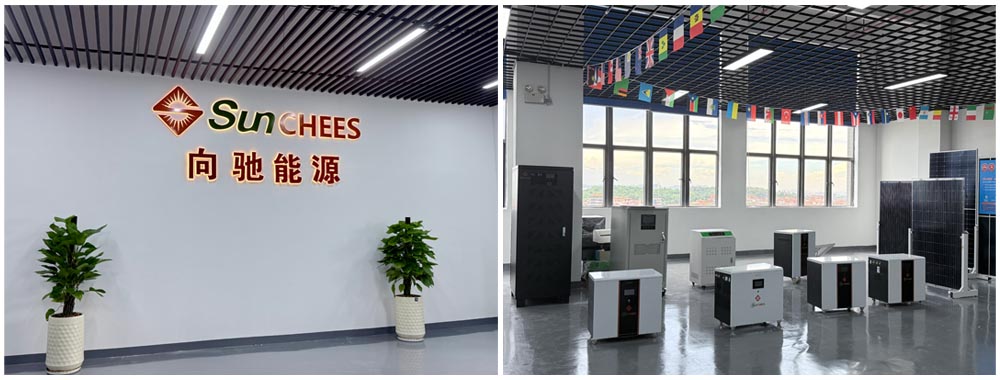
A manufacturer built for off-grid reliability
- Founded
- 2008 — over 15 years in solar power systems
- Headquarters
- Foshan, Guangdong, China — in-house factory & R&D
- Core tech
- Self-developed inverters & LiFePO4 batteries, 100% compatible — no third-party mixing
- Customization
- OEM / ODM; choose your panel brand; custom solar & solar-AC systems
- System life
- Engineered for up to 25 years of service
- Installation
- Remote guidance for every system; free on-site engineer for 50 kW+; ~5-day local install incl. commissioning
- Lead time
- 5–7 working days (1–10 sets); 10–20 working days (20–100 sets)
- On-time delivery
- Guaranteed — or a 5% contract-value penalty; dedicated production-progress updates
- Warranty
- 10-yr panels · 3-yr LiFePO4 battery · 2-yr inverter / controller / combiner
- Certifications
- CE · ROHS · CB; export-grade moisture- & corrosion-proof packaging
- Markets
- 200+ countries; focus on the Caribbean & Latin America
- Scale
- 30 kW to 1 MW; off-grid & hybrid; residential, commercial & industrial
Off-grid solar FAQ
Powering a high-use home: common questions
How many solar panels do I need for 2,900 kWh a month?
About 40–50 Sunchees 600W panels (roughly a 24–30 kW array). The math: ~97 kWh per day ÷ (5 peak sun hours × 0.77 system loss) ≈ 25 kW, plus a margin for cloudy days.
Can an off-grid solar system run three air conditioners at once?
Yes. A 25 kW split-phase inverter has the continuous capacity and surge headroom to start three 18,000 BTU compressors together, along with a dryer and the rest of the home. Sizing the inverter for peak surge — not just average load — is the key.
How much battery do I need to get through the night?
For a home this size, plan on roughly 60 kWh if a grid or generator backs you up, and 100–120 kWh of LiFePO4 for full grid-free autonomy with a cloudy-day reserve. You never need a month of storage — only enough to bridge nights and bad weather.
How long does installation take?
Sunchees works with local installers who typically complete a home system in about five days, including commissioning. Share your exact location and we'll arrange it; for 50 kW+ systems an engineer can be dispatched on-site for free.
Can the system be moved?
Yes — the inverter-and-battery cabinet ships on wheels (the panels stay fixed), so you can relocate it, including to higher ground in flood-prone areas. For safety, wall-mounting the cabinet isn't recommended.
Is off-grid solar a good fit for Puerto Rico and the Caribbean?
It's one of the strongest fits anywhere. Frequent outages, high tariffs and hurricane risk have pushed rooftop solar to about 10% of Puerto Rico's electricity, with 160,000+ residential systems installed.
How long do the LiFePO4 batteries last?
Sunchees LiFePO4 batteries are rated for ≥6,000 charge cycles and an 8–10 year service life at 96% depth of discharge — far longer than lead-acid, which suits the daily cycling an off-grid home demands.
Sources & further reading
Where the data comes from
Household usage and regional figures are drawn from independent, authoritative sources. Equipment specifications and prices are Sunchees' own published product data, confirmed at quote.
- U.S. Energy Information Administration — Electricity use in U.S. homes. Average U.S. household ≈ 10,500 kWh/year; air conditioning is the largest residential electricity use.
- U.S. EIA — Puerto Rico electricity sales after the hurricanes. Hurricane María caused the longest blackout in U.S. history.
- Congressional Research Service — Electric Reliability and Resiliency in Puerto Rico. Frequent outages and island-wide blackouts; grid damaged by hurricanes and earthquakes.
- IEEFA — Rooftop solar in Puerto Rico reaches 10%. 160,000+ residential systems; growth driven by grid unreliability.
- PVWatts — solar production & peak-sun-hour modeling (National Laboratory of the Rockies, formerly NREL). U.S. Department of Energy tool; a 0.77 system-derate factor is used for the sizing here.
Let's size your exact off-grid system — for free.
Share your appliance list, your latest bill and your location. We'll confirm your daily load, send back a tailored Sunchees panel + battery + inverter spec with a firm quote, and arrange a local installer — about five days, including commissioning.
Get my free sizing on WhatsAppEquipment specifications and prices reference current Sunchees off-grid product listings and are confirmed at quote. Final sizing depends on site conditions, peak sun hours and load profile.
 The Complete Off-Grid Guide to Choosing a 48V Inverter in Jamaica & the Caribbean
 You May Also Like




 Tel
Tel
 Email
Email
 Address
6th Floor, Zhonghe Zinan Industrial Park, No. 1 Zinan Changang West Road, Nanzhuang Town, Chancheng District, Foshan City, Guangdong Province. China (Mainland)